Choosing the best material for your artificial Christmas tree can make all the difference in how your holiday looks and feels. You want a tree that not only looks real but also lasts for many seasons without losing its charm.
Imagine setting up a tree that’s easy to assemble, safe for your family, and still brings that magical holiday spirit to your home. You’ll discover which materials stand out and why they matter. By the end, you’ll know exactly what to look for to pick the perfect tree that fits your style and needs.
Keep reading to find out how to make your Christmas decorating easier and more joyful than ever before!
Types Of Materials
Artificial Christmas trees come in different materials. Each material offers unique looks and durability. Choosing the right one affects how natural your tree looks and how long it lasts.
Here are the main types of materials used for artificial Christmas trees.
Pvc Trees
PVC trees are the most common type. They are made from polyvinyl chloride. This material creates flat, shiny needles. PVC trees often look less real. But they are affordable and easy to find.
These trees suit families on a budget. They also work well for short-term use.
Pe Trees
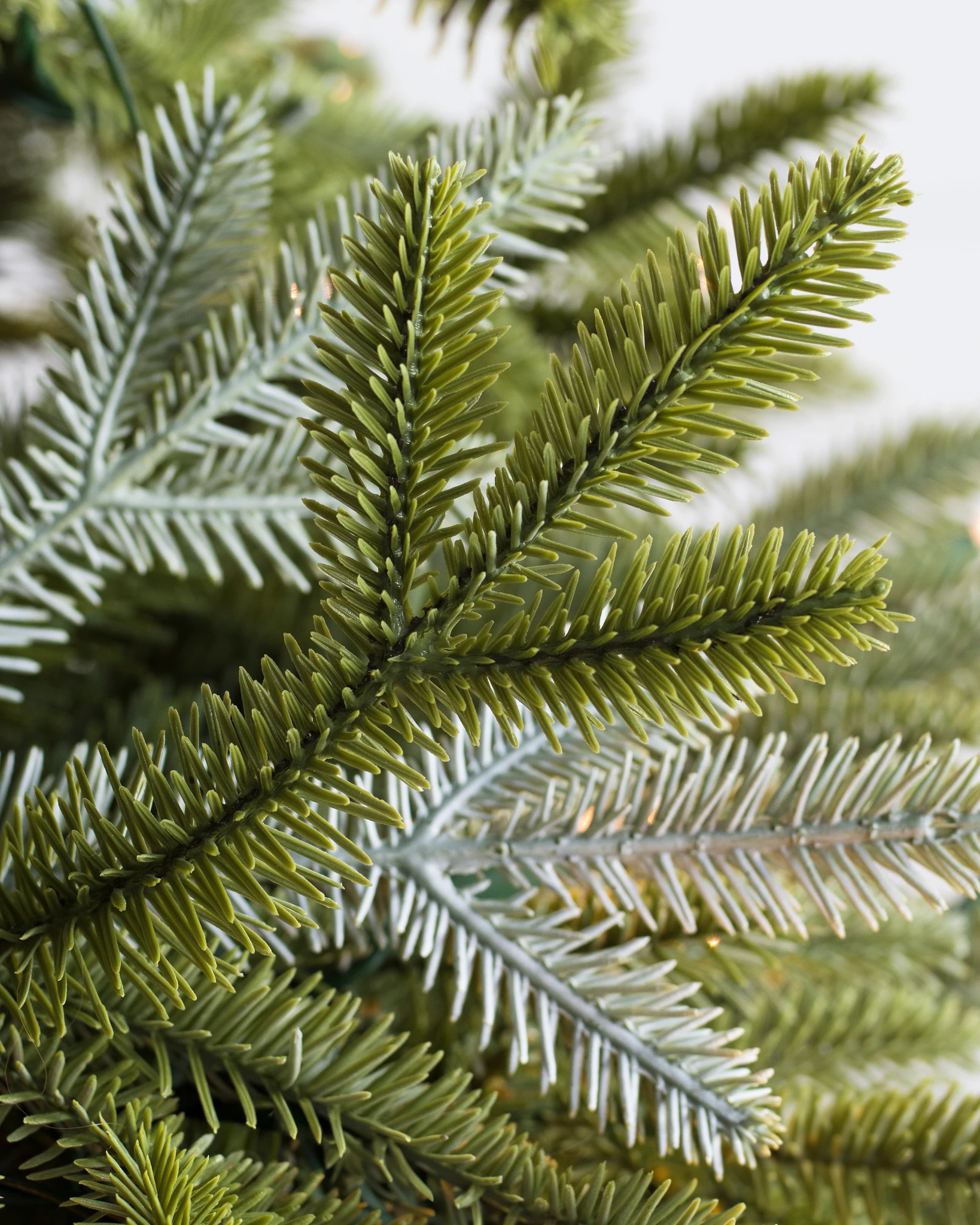
PE stands for polyethylene. These trees use molded plastic for needles. PE needles are thicker and softer. They look more like real pine needles. PE trees give a fuller and more natural appearance.
They tend to be more expensive than PVC trees. PE trees are great for those wanting realism.
Combination Trees
Combination trees mix PVC and PE materials. The PE is used for outer branches. The PVC fills in the inner branches. This mix balances cost and realism.
These trees look fuller and more natural than pure PVC. They also cost less than full PE trees.
Other Materials
Some trees use metal or fiber optics. Metal adds strength but not realism. Fiber optic trees light up without extra bulbs. These materials add unique features to trees.
They are less common but offer special styles for decoration.
Durability Factors
Durability is a key factor when choosing the best material for artificial Christmas trees. It ensures the tree lasts for many holiday seasons without losing shape or color. Different materials have different strengths and weaknesses. Knowing these helps you pick a tree that stays beautiful year after year.
Resistance To Wear And Tear
Some materials handle regular use better than others. PVC is common and affordable but can bend or crack over time. PE, a thicker plastic, holds its shape longer and resists damage. Trees with sturdy branches and needles avoid breaking during setup and storage. Strong materials keep the tree looking fresh and full.
Weather And Moisture Impact
Indoor trees face less moisture but can still be affected by humidity. Outdoor trees need materials that resist rain and snow. PE and metal frames resist rust and water damage well. PVC may fade or warp if exposed to dampness for long periods. Choose materials that match your tree’s location to avoid damage.
Maintenance Needs
Some materials require more care than others. PVC trees need gentle cleaning to avoid scratching. PE trees are easier to dust and keep clean. Avoid harsh chemicals on any tree material to prevent fading. Easy maintenance saves time and keeps your tree looking great each year.
Aesthetic Qualities
The aesthetic qualities of artificial Christmas trees play a big role in holiday decor. They set the festive mood and create a warm atmosphere. Choosing the right material affects how the tree looks and feels in your home. Materials impact the tree’s shape, color, and overall style.
Understanding these qualities helps pick a tree that fits your taste. The right choice gives a natural look and lasting beauty.
Realistic Appearance
Materials like PVC and PE give a lifelike look to trees. PE needles have a soft, natural texture. They mimic real pine needles closely. PVC needles shine slightly and feel firmer. Combined, they create fullness and depth. This mix makes the tree appear lush and real. The quality of the material directly affects realism.
Color And Texture Options
Artificial trees come in many colors. Classic green matches traditional décor well. Some trees have frosted tips or white flocking for a snowy effect. Needle texture varies from smooth to rough. This variety helps match different styles. You can find trees with dark green or lighter, bluish tones. The material’s finish defines how the color shows.
Customization Possibilities
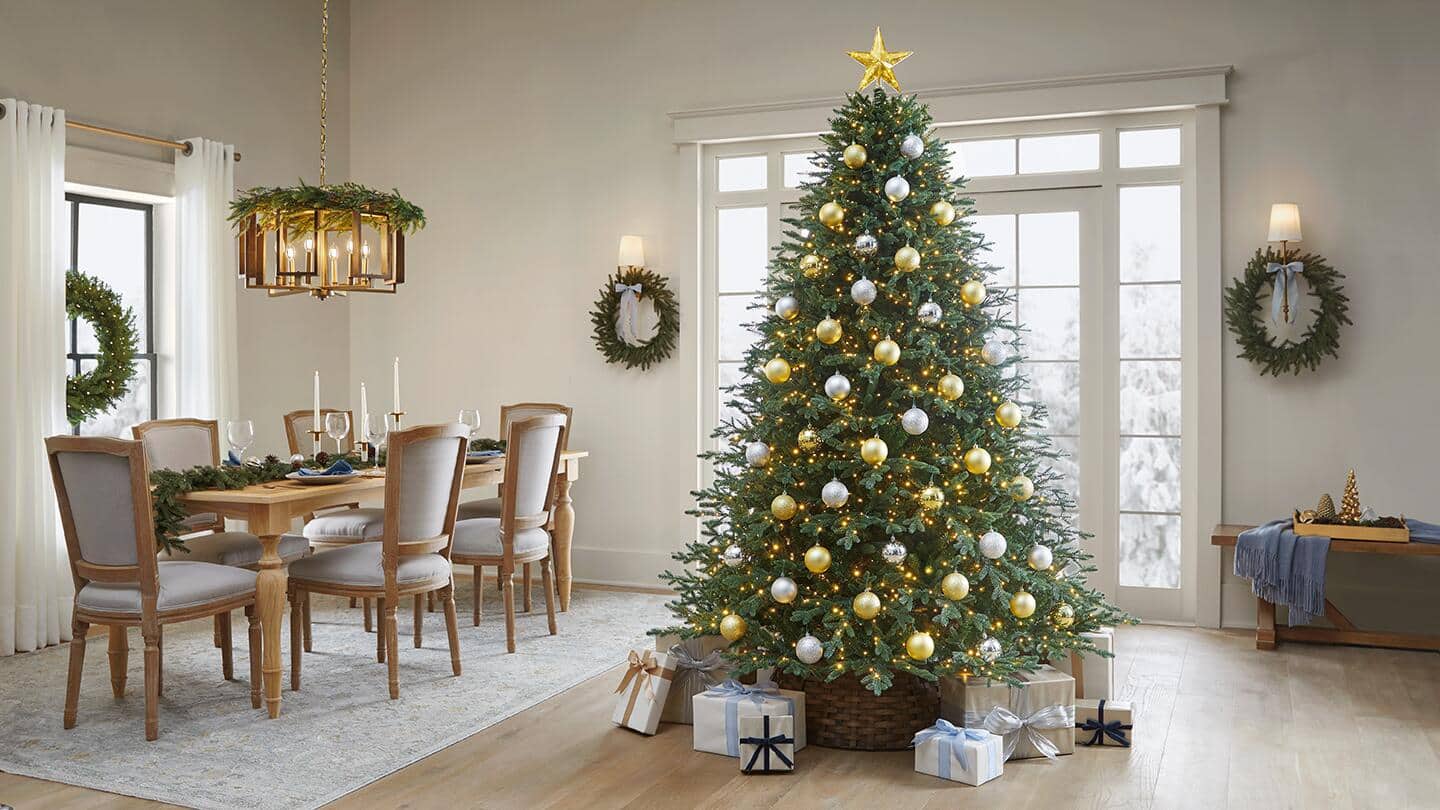
Material choice impacts how easy it is to customize your tree. Flexible branches made from wire and quality plastic allow shaping. You can adjust branches for ornaments or lights. Some materials let you add scent or extra decorations. Custom colors and sizes are possible with certain materials. Personalizing your tree makes it unique and special.
Credit: www.homedepot.com
Safety Considerations
Safety is an important factor when choosing an artificial Christmas tree. A safe tree keeps your home and family protected during the holiday season. Understanding the materials and construction can help you pick the best tree. Focus on fire resistance, non-toxic materials, and sturdy design for peace of mind.
Fire Resistance
Artificial trees should resist fire to avoid accidents. Look for trees labeled as fire-retardant or flame-resistant. These trees are made from materials that slow down burning. Fire resistance reduces the risk of sparks causing a fire. It is especially important if you use lights or candles near the tree.
Non-toxic Materials
Choose trees made from safe, non-toxic materials. Some plastics release harmful chemicals. Non-toxic trees ensure no dangerous fumes in your home. This is important for children and pets. Look for labels or product details that confirm the tree is free from harmful substances.
Stability And Construction
A stable tree prevents tipping and accidents. Check the base size and strength before buying. Heavy, wide bases improve stability. Quality construction keeps branches secure and prevents shedding. A well-built tree stays upright even with decorations and lights on.
Environmental Impact
Choosing the best material for artificial Christmas trees affects the environment. Understanding the environmental impact helps make better choices. Some materials are better for the planet than others. This section explains key factors like recyclability, sustainability, and carbon footprint.
Recyclability
Recyclability means how easily a material can be reused or recycled. Some artificial trees use plastics that are hard to recycle. Others use metals or safer plastics that can be recycled. Trees made with recyclable materials reduce waste in landfills. Always check if the tree’s parts can be recycled after use.
Sustainability Of Materials
Sustainability refers to using resources that do not harm the environment. Some materials come from non-renewable sources, causing pollution. Others are made from recycled or renewable materials. Sustainable materials help protect forests and reduce pollution. Choosing trees with sustainable materials supports a healthier planet.
Carbon Footprint
Carbon footprint is the total greenhouse gas released during production, transport, and disposal. Materials like PVC have a high carbon footprint. Trees made with lightweight or natural materials often have a smaller footprint. Lower carbon footprints mean less impact on climate change. Selecting low-carbon materials helps lower environmental damage.
Cost And Value
Choosing the best material for artificial Christmas trees depends a lot on cost and value. It is important to find a tree that fits your budget and lasts for many years. Understanding price ranges, long-term investment, and warranty helps make a smart choice.
Price Ranges
Artificial Christmas trees come in many price ranges. Low-cost trees often use PVC needles. These trees are cheaper but may not look very real. Mid-range trees use PE or mixed materials. They look better and last longer. High-end trees use high-quality PE or frosted tips. These trees look very natural and can last for decades.
Long-term Investment
Buying a tree is more than the first cost. A good tree can save money over time. Strong materials do not break or lose needles easily. This means less replacement or repair costs. A durable tree also keeps its shape and color for years. This makes it a better investment for family traditions.
Warranty And Guarantees
Check the warranty before buying a tree. Warranties show the maker’s confidence in their product. Some trees come with 5 to 10 years warranty. This covers defects and damage. A good warranty protects your purchase and adds value. It gives peace of mind for many holiday seasons.
Choosing The Right Tree
Choosing the right artificial Christmas tree makes the holiday season more special. The tree should fit your space, match your style, and suit your budget. Picking the best material also matters for durability and look. Consider these key points to find the perfect tree for your home.
Room Size And Setup
Measure your room before buying a tree. Large trees can crowd small rooms. Small trees might look lost in big spaces. Think about where you will place the tree. Make sure there is enough space for decorations and lights. Also, check if the tree fits through doors and stairways.
Style Preferences
Choose a tree style that matches your taste. Some prefer classic green pine, while others like frosted or white trees. Branch shape and needle type also affect the look. Some materials look very real, others more artificial. Pick the style that makes you feel happy and festive.
Budget Considerations
Set a budget before shopping for a tree. Higher quality materials usually cost more but last longer. Cheaper trees may not look as good or last many years. Think about how long you want to use the tree. This helps decide how much to spend wisely.

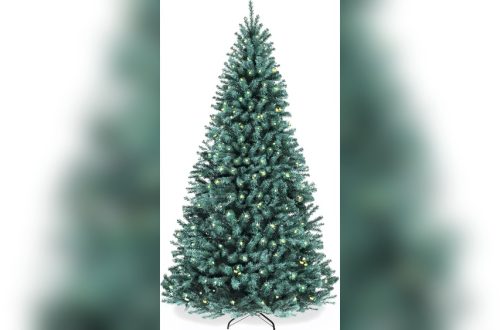
Credit: www.amazon.com
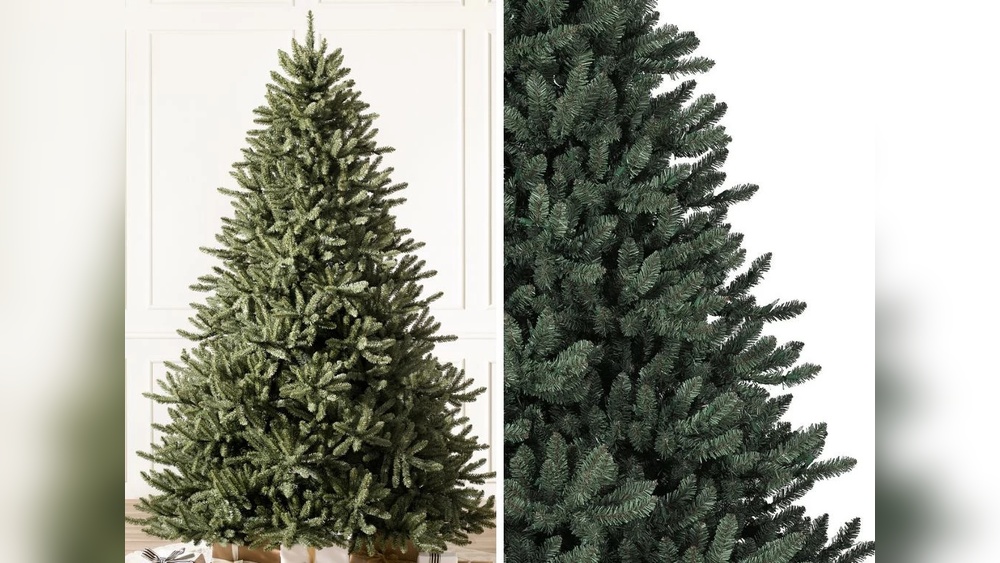
Credit: www.balsamhill.com
Frequently Asked Questions
What Is The Most Durable Material For Artificial Christmas Trees?
PVC is the most durable material for artificial Christmas trees. It offers long-lasting quality and maintains its shape well over years. Its resilience to wear and tear makes it a popular choice for holiday decorations.
Are Pe Trees More Realistic Than Pvc Ones?
Yes, PE (polyethylene) trees are more realistic than PVC trees. They feature molded branch tips that closely resemble real pine needles. PE trees provide a natural look with better texture and color depth.
Which Material Is Safest For Artificial Christmas Trees?
PVC and PE materials are both safe for artificial Christmas trees. They are non-toxic and fire-resistant when treated properly. Always check for certifications to ensure safety standards are met.
How Does The Material Affect Tree Maintenance?
Material affects maintenance by influencing durability and cleaning ease. PVC trees require minimal upkeep, while PE trees may need gentle cleaning to preserve detail. Both materials resist shedding and fading with proper care.
Conclusion
Choosing the best material for artificial Christmas trees helps you enjoy holiday cheer. Look for trees that feel realistic and last many years. PVC and PE are popular choices for their durability and natural look. Consider your budget and space before deciding.
A good tree makes decorating easy and fun. This holiday season, pick a tree that fits your needs and style. Celebrate with a tree that stays beautiful year after year. Simple, smart choices bring joy to your home.