Choosing the best cable for stringing lights can make all the difference in how your space looks and feels. Whether you’re decorating your backyard, patio, or a special event, the right cable ensures your lights stay secure, safe, and shining bright.
You want something easy to handle, durable, and reliable—so you don’t have to worry about flickering bulbs or tangled wires. You’ll discover exactly what to look for, the top options available, and tips to get your lights strung perfectly every time.
Keep reading to make your lighting setup effortless and stunning.

Credit: www.youtube.com
Types Of Cables For String Lights
Choosing the right cable for string lights is important for safety and durability. Different cables work better in certain places. Understanding the types of cables helps you pick the best one.
Some cables last longer outdoors. Others are easier to bend. Knowing these differences saves time and money.
Copper Vs Aluminum Cables
Copper cables carry electricity well. They resist corrosion and last longer. Copper is a good choice for most string lights.
Aluminum cables cost less but do not conduct electricity as well. They can break more easily. Use aluminum cables for short-term or light use.
Outdoor Vs Indoor Cables
Outdoor cables have thick insulation to protect from rain and sun. They are waterproof and strong. Use outdoor cables for gardens or patios.
Indoor cables are thinner and lighter. They work well inside homes. Do not use indoor cables outside. They can get damaged easily.
Flexible Vs Rigid Cables
Flexible cables bend easily. They are good for wrapping around trees or poles. Flexibility helps with tricky setups.
Rigid cables hold their shape. They are better for straight runs or hanging in a line. Rigid cables offer extra support.
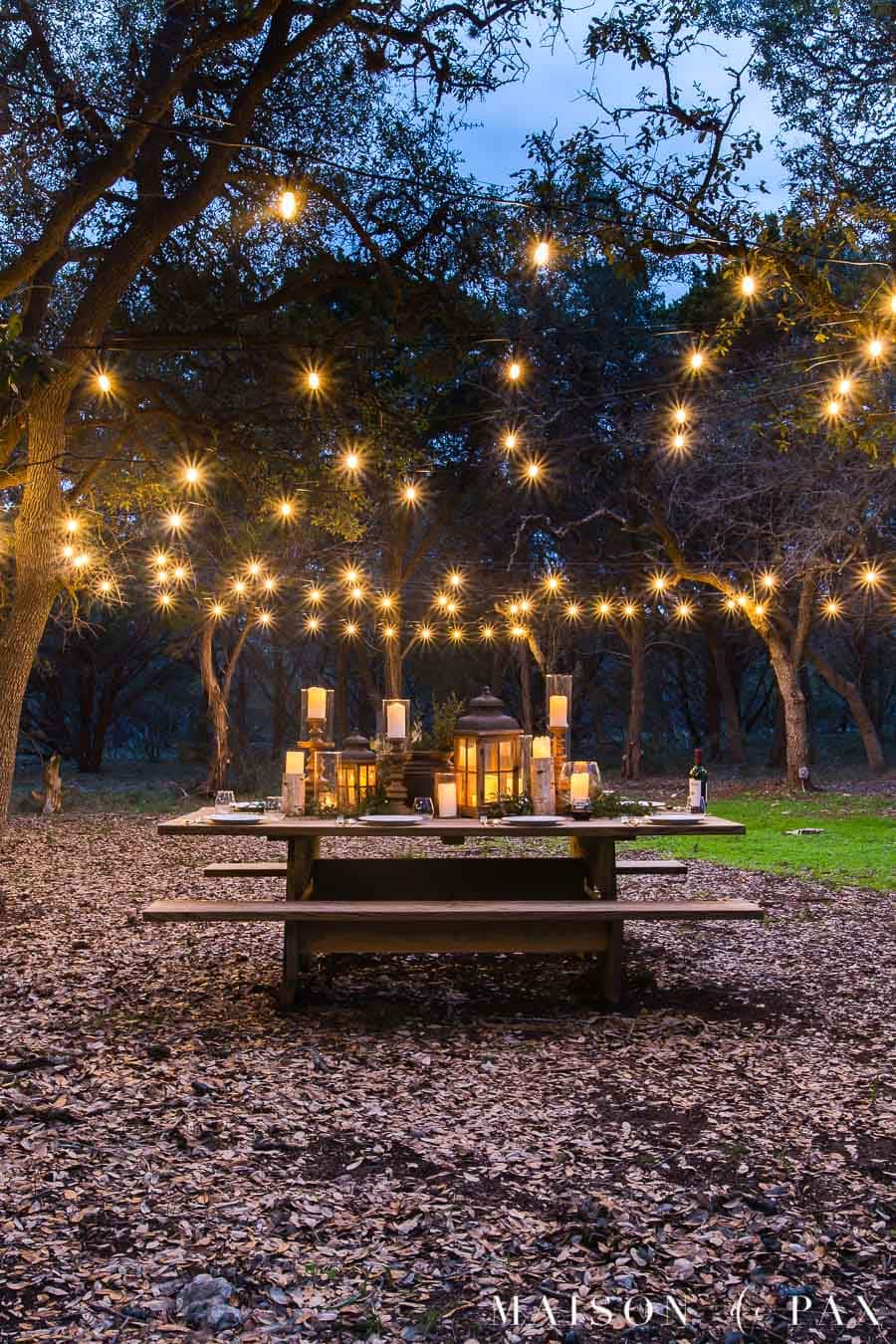
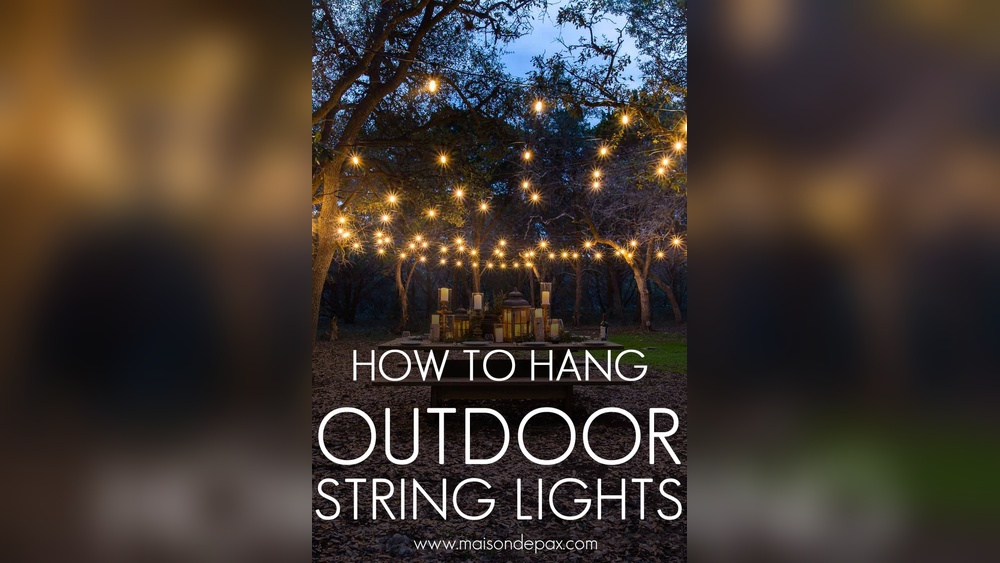
Credit: www.maisondepax.com
Durability Factors To Consider
Choosing the best cable for stringing lights means understanding durability. Lights hang outside and face many challenges. Weather, weight, and time can all harm cables. Knowing what makes a cable strong helps you pick the right one. Focus on three key durability factors. These keep your lights safe and working longer.
Material Strength
Material strength shows how well a cable resists damage. Strong materials last longer and handle tough weather. Copper and aluminum are common for wiring. Copper is better for electrical flow and lasts longer. The outer jacket also matters. Look for thick, tough plastic or rubber. They protect the wire from cuts and wear.
Uv Resistance
Sunlight can break down many cables fast. UV resistance means the cable can handle strong sun rays. UV-safe cables do not crack or fade quickly. This keeps wires safe and stops power loss. Choose cables with special UV coatings. They stay strong outside for many seasons.
Tensile Strength
Tensile strength means how much pulling force a cable can take. Stringing lights means cables hold weight and tension. Weak cables stretch or break easily. High tensile strength cables hold firm without damage. This prevents accidents and keeps your lights steady. Always check this factor for outdoor use.
Weatherproof Features
Choosing the best cable for stringing lights means thinking about weatherproof features. These features protect the cable from rain, wind, and sun. This ensures your lights stay safe and work well outside. Weatherproof cables last longer and keep your lights bright.
Water Resistance Ratings
Cables with high water resistance keep moisture out. This stops short circuits and damage. Look for cables with an IP rating. The higher the number, the better the water protection. An IP65 or above rating is good for outdoor lights.
Temperature Tolerance
Outdoor cables must handle hot summers and cold winters. Temperature tolerance shows the range the cable can survive. Good cables work well from -20°C to 60°C or more. This keeps them flexible and safe in all seasons.
Insulation Quality
Strong insulation covers the wires inside the cable. It blocks water, dust, and dirt. Good insulation also stops electric shocks. Look for cables with thick, durable plastic or rubber coating. This protects your lights and makes the cable last longer.

Credit: www.youtube.com
Top Cable Picks For Stringing Lights
Choosing the right cable is key for stringing lights safely and effectively. The cable must hold the lights well and resist wear. This guide lists top cable picks for different needs. Each cable offers unique features and value. Find the perfect match for your light setup.
Best Overall Cable
The best overall cable combines durability and ease of use. It supports a good length of lights without sagging. Its insulation protects wires from damage. This cable fits most indoor and outdoor lighting projects. A reliable choice for most string light tasks.
Best Budget Cable
The budget cable offers good quality at a low price. It is lighter but still strong enough for small to medium setups. Easy to handle and install. A smart pick for those with simple lighting needs and tight budgets.
Best Heavy-duty Cable
This cable is thick and extra strong. It handles heavy light strings and long distances. Built to resist stretching and breaking. Ideal for professional or large-scale lighting displays. Provides safety and stability in demanding conditions.
Best Cable For Harsh Weather
Weather-resistant cable stays safe through rain, snow, and wind. It has tough, waterproof insulation. Prevents electrical shorts and corrosion. Perfect for outdoor lights in extreme climates. Keeps your lights shining no matter the weather.
Installation Tips For String Light Cables
Installing string light cables properly ensures safe and long-lasting lighting. Careful steps help avoid damage and keep lights bright through seasons. Follow these simple tips for the best results.
Proper Securing Methods
Use hooks, clips, or cable ties to hold cables firmly. Avoid tight knots or sharp bends that can damage wires. Space supports evenly to prevent sagging or pulling. Secure cables along stable surfaces like wood or metal beams.
Avoiding Cable Damage
Keep cables away from sharp edges and rough surfaces. Do not pull cables hard during installation. Avoid stepping on or pinching the wires. Check cables for cuts or cracks before use. Replace damaged cables to prevent hazards.
Maintaining Weatherproof Integrity
Choose weatherproof cables for outdoor use. Seal all connections with waterproof tape or covers. Keep plugs and sockets off the ground. Regularly inspect cables after rain or snow. Proper care helps lights work well in all weather.
Safety Considerations
Safety is the top priority when stringing lights. Choosing the right cable helps avoid accidents. Understanding safety rules protects your home and family. Follow simple steps to keep your lights safe and bright.
Electrical Safety Standards
Always choose cables that meet electrical safety standards. Look for certification marks like UL or CE. These marks show the cable passed safety tests. Certified cables reduce the risk of shocks and fires. Using proper cables keeps your setup safe and reliable.
Preventing Overloads
Overloading cables can cause overheating and fires. Check the cable’s maximum load before use. Do not connect too many lights to one cable. Spread the load across multiple cables if needed. Use cables designed for outdoor or heavy use to avoid problems.
Regular Inspection Practices
Inspect cables before and during use. Look for cracks, frays, or exposed wires. Replace damaged cables immediately. Keep connections dry and secure to prevent shorts. Regular checks help spot dangers early and keep your lights shining safely.
Frequently Asked Questions
What Type Of Cable Is Best For Outdoor String Lights?
Outdoor string lights require weather-resistant cables, typically made of heavy-duty PVC or rubber. These cables are durable and prevent electrical hazards in wet conditions.
How Do I Choose The Right Gauge For String Light Cable?
Choose a cable with a thicker gauge (lower number) for longer runs. A 14 or 16-gauge cable is ideal for most string lighting setups.
Can I Use Extension Cords For Stringing Lights?
Yes, but only outdoor-rated extension cords should be used. They must match the power requirements and have proper insulation for safety.
Are Led String Lights Compatible With All Cables?
LED string lights work well with most cables, but ensure the cable supports low voltage if using low-voltage LED strings.
Conclusion
Choosing the best cable for stringing lights ensures safety and durability. Good cables handle outdoor weather well. They keep your lights bright and steady. A strong cable prevents electrical problems. This makes decorating easier and more fun. Always pick cables that match your light type.
Check the length and power rating too. Simple steps lead to great results. Enjoy your beautifully lit space all year long.