Have you ever wondered why decorative bathroom soaps from the 1970s still catch your eye today? These colorful, fragrant bars were more than just everyday essentials—they were little pieces of art that added charm and personality to your bathroom.
If you’re curious about what made these soaps so special and why they continue to inspire collectors and design lovers, you’re in the right place. Keep reading to discover the surprising reasons behind the lasting appeal of 1970s decorative soaps—and how they can bring a touch of nostalgia and style to your own space.
Credit: www.etsy.com
Vintage Soap Designs
Decorative bathroom soaps from the 1970s offer a glimpse into past styles. These soaps were more than just cleaning tools. They were little works of art that added charm to any bathroom.
The designs reflected the trends and tastes of the decade. They brought color, shape, and texture into daily routines. Collectors and vintage lovers appreciate these soaps for their unique appeal.
Popular Shapes And Patterns
Soaps in the 1970s featured fun and bold shapes. Flowers, fruits, and geometric forms were common. Swirls and abstract patterns added a playful touch.
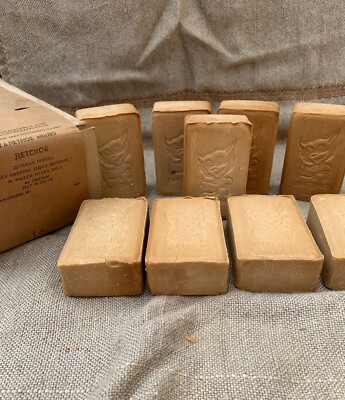
Some soaps resembled small sculptures. They often had detailed carvings and raised designs. These shapes made the soaps stand out on bathroom shelves.
Color Palettes Of The 1970s
The 1970s favored earthy and warm colors. Shades like avocado green, mustard yellow, and burnt orange were popular. These tones created a cozy and natural feel.
Bright colors like turquoise and pink also appeared. They brought a lively pop to bathroom decor. The mix of muted and vivid colors made soaps visually interesting.
Materials And Textures
Soaps were made with various materials for different effects. Some had a smooth, glossy finish. Others featured rough or grainy textures for exfoliation.
Natural ingredients like herbs and oats were often added. These gave soaps a rustic look and gentle scrubbing power. The variety in texture made using soap a sensory experience.
Cultural Influence
Decorative bathroom soaps from the 1970s carry more than just a fresh scent. They reflect the culture and style of that vibrant decade. These soaps were not only practical but also a part of the home’s art and daily life. Their designs tell stories about the trends and values of the time.
Understanding their cultural influence helps us appreciate why these soaps remain popular among collectors and design lovers today.
1970s Home Decor Trends
The 1970s embraced bold colors and playful patterns. Earth tones mixed with bright hues shaped many home interiors. Decorative soaps matched this style. They often featured funky shapes, floral designs, or geometric patterns. These soaps served as small art pieces on bathroom shelves. They blended well with wood paneling and textured wallpaper common in that era.
Role In Daily Rituals
Bath time was more than hygiene; it was a moment of relaxation. People enjoyed using beautifully crafted soaps that smelled good and looked nice. These soaps made everyday washing feel special. They invited people to slow down and enjoy self-care. The scent and design added joy to a simple routine.
Nostalgia And Sentiment
Many remember these soaps from their childhood or family homes. They bring back memories of simpler times. The unique shapes and scents trigger feelings of comfort and warmth. Collectors treasure these soaps for their sentimental value. They connect the present with the past in a gentle, meaningful way.
Craftsmanship And Quality
The decorative bathroom soaps of the 1970s stand out for their excellent craftsmanship and quality. Each soap was carefully made with great skill. These soaps show the care and attention given to every detail.
The quality of these soaps made them special. They were not just for cleaning but also for decoration. Their look and feel reflected the high standards of the makers.
Handmade Techniques
Many soaps in the 1970s were made by hand. Skilled artisans used old methods passed down through generations. They shaped and molded each soap with care. This handcrafting gave each soap a unique look. No two soaps were exactly the same.
The handmade process required patience and skill. It made the soaps more personal and artistic. This technique also kept traditional soap-making alive.
Natural Ingredients
Soaps from the 1970s often used natural ingredients. Makers chose oils, herbs, and essential oils from nature. These ingredients were gentle on the skin. They also gave the soaps nice smells and colors.
Using natural elements helped the soaps stay eco-friendly. People valued products that were safe and pure. This added to the soaps’ charm and appeal.
Durability And Longevity
The soaps were built to last longer than ordinary soaps. Their quality ingredients made them hard but smooth. They did not melt or crumble easily. This durability made them good for daily use.
Long-lasting soaps saved money and reduced waste. Their strong build made them popular for both function and display. They kept their beauty even after many uses.
Collecting Vintage Soaps
Collecting vintage soaps from the 1970s is a unique hobby. These decorative soaps show the style and culture of that era. They often come in interesting shapes and scents, making them great for display. Collectors enjoy finding rare pieces that tell a story from the past. Many soaps from the 1970s still keep their charm and beauty today.
Identifying Authentic Pieces
Look for brand names popular in the 1970s on the packaging. The packaging should show signs of age but remain intact. Check for original labels and logos from that time. Authentic soaps often have unique scents and colors not common today. Watch for handmade details or embossed patterns on the soap. Be careful of reproductions that mimic vintage style.
Care And Preservation Tips
Keep soaps in a cool, dry place to avoid melting or cracking. Avoid direct sunlight to preserve colors and scents. Store soaps in airtight containers to stop dust and moisture. Handle soaps gently to keep their shape and design. Use soft cloths to clean dust without damaging the surface. Proper care keeps vintage soaps looking fresh for years.
Market Value And Demand
Vintage decorative soaps from the 1970s are collectible items. Rare designs or limited editions have higher value. Condition and packaging affect how much collectors pay. Soaps with original boxes often sell for more money. Interest grows as fewer vintage soaps stay in good shape. Collectors enjoy finding and trading these unique bathroom treasures.
Modern Appeal
Decorative bathroom soaps from the 1970s have a unique charm that fits well with modern styles. Their bright colors and bold shapes bring a fun and fresh look. These soaps mix vintage appeal with today’s clean and simple bathroom trends.
Many people like to add these soaps to their bathrooms. They create a warm, nostalgic feeling. At the same time, they keep the space looking stylish and neat. These soaps show how old ideas can feel new again.
Incorporating Vintage Soaps Today
Use 1970s soaps as decoration on your bathroom shelf. Place them in clear glass dishes or on wooden trays. Their colors will stand out and add a pop of fun. Combine them with plants or candles for a cozy look. These soaps work well with both modern and retro designs.
Diy Decorative Soap Ideas
Create your own soaps inspired by the 1970s style. Use bright colors like orange, yellow, and green. Add flower or geometric shapes using soap molds. Mix scents like citrus or lavender for a fresh smell. These DIY soaps make your bathroom look unique and personal.
Gift Ideas Inspired By The 1970s
Give vintage-style soaps as thoughtful gifts. Wrap them in simple paper or tie with twine for a classic touch. Pair soaps with small towels or bath salts for a complete set. These gifts show care and a love for style from the past. Perfect for birthdays or special occasions.
Credit: www.etsy.com
Credit: www.ebay.com
Frequently Asked Questions
What Makes 1970s Decorative Bathroom Soaps Unique?
1970s decorative soaps feature bold colors and intricate designs. They reflect the era’s artistic trends and home décor styles. These soaps were often handcrafted, adding a personal touch to bathrooms. Their nostalgic appeal makes them collectible items today.
Why Were Decorative Soaps Popular In 1970s Bathrooms?
Decorative soaps were popular for their aesthetic and functional value. They enhanced bathroom décor while providing a pleasant scent. In the 1970s, people valued unique, artistic items in their homes. These soaps added charm and luxury to daily routines.
How Did 1970s Soaps Influence Bathroom Design Trends?
1970s soaps inspired colorful and eclectic bathroom themes. Their creative shapes and fragrances encouraged personalized spaces. This era embraced natural and organic elements, reflected in soap ingredients. Decorative soaps helped set a trend for combining beauty with utility.
Are Vintage 1970s Decorative Soaps Collectible Today?
Yes, vintage 1970s decorative soaps are highly collectible. Their rarity and distinct designs attract collectors and enthusiasts. Well-preserved soaps can increase in value over time. Collectors appreciate their historical and artistic significance from the 1970s era.
Conclusion
Decorative bathroom soaps from the 1970s add charm to any space. They show the style and creativity of that time. These soaps are not just for cleaning but also for decoration. Collectors and home decorators appreciate their unique designs. Using or displaying them keeps a fun piece of history alive.
Their colors and shapes bring a warm, nostalgic feel. Simple yet beautiful, they make bathrooms more inviting. These soaps remind us of past trends and personal care rituals. A small item with a big story.