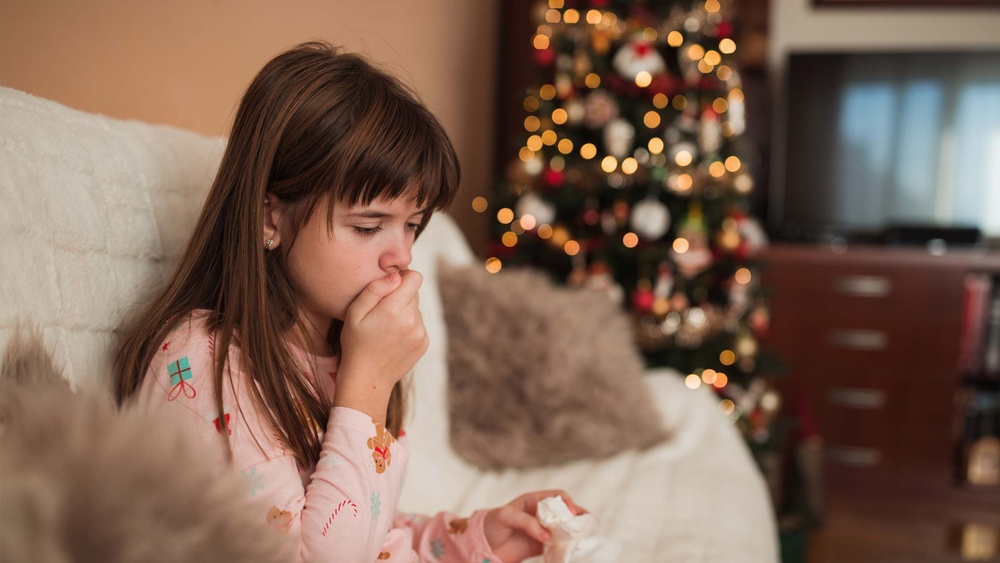
Have you ever noticed sneezing, itchy eyes, or a scratchy throat right after setting up your artificial Christmas tree? You might wonder, “Why am I allergic to artificial Christmas trees?” It’s confusing because you expect these trees to be safe and hassle-free.
But something about them can trigger unexpected allergic reactions. If you want to enjoy the holiday spirit without discomfort, understanding what’s behind these allergies is key. Keep reading to discover the surprising reasons your artificial tree might be causing your symptoms—and how you can protect yourself this season.

Credit: dakotaallergy.com
Common Allergens In Artificial Trees
Many people assume artificial Christmas trees are allergy-free. The truth is, these trees can contain allergens. Understanding common allergens in artificial trees helps explain allergic reactions. Dust, chemicals, and materials play a big role.
Materials Used In Artificial Trees
Most artificial trees use plastic materials like PVC. These plastics can release tiny particles into the air. Some people react to these particles with sneezing or itchy eyes. Metal parts in the tree frame may cause skin irritation for sensitive individuals. Dust often collects on the branches and needles. Dust can trigger allergies and worsen symptoms quickly.
Chemical Additives And Coatings
Artificial trees often have fire retardants and coatings. These chemicals keep the tree safe but may irritate the skin or lungs. Some coatings contain formaldehyde, a known allergen. Fumes from these chemicals can cause coughing or headaches. The scent or residue can linger and trigger allergic responses for days after setup.
Mold And Dust Accumulation
Artificial Christmas trees often seem like a safe choice for those with allergies. Yet many people still face sneezing, coughing, and itchy eyes around them. The main reason lies in mold and dust buildup on the tree. These tiny invaders can hide deep in the branches and cause allergic reactions.
Understanding how mold and dust accumulate helps explain why artificial trees trigger allergies. Both thrive in certain storage and home conditions. Knowing these factors can help reduce allergy symptoms during the holiday season.
Storage Conditions And Mold Growth
Artificial trees usually get stored away for most of the year. They sit in damp basements, garages, or attics. These places often have poor airflow and higher humidity. Such conditions allow mold spores to settle and grow on tree surfaces.
Mold loves dark, moist areas. A plastic tree kept in a sealed box without drying can develop mold quickly. Once mold forms, it releases spores into the air. Breathing these spores can cause allergy symptoms like sneezing and watery eyes.
Dust Triggers And Allergic Reactions
Dust can build up on artificial trees, especially on the needles and branches. Dust contains tiny particles like dead skin, pollen, and pet dander. These particles irritate the lungs and nose when inhaled.
Every time the tree moves or is touched, dust gets stirred into the air. This releases allergens that cause coughing, itching, and congestion. For allergy sufferers, even a small amount of dust can trigger strong reactions.
Volatile Organic Compounds (vocs)
Volatile Organic Compounds, or VOCs, are chemicals that easily become gases. They are common in many household items, including artificial Christmas trees. These compounds can release into the air and cause reactions in sensitive people. Understanding VOCs helps explain why some feel allergic symptoms near artificial trees.
Sources Of Vocs In Artificial Trees
Artificial Christmas trees are made from plastic and other synthetic materials. These materials often contain VOCs to keep them flexible and shiny. The glue and paint used on the branches also emit VOCs. New trees tend to release more VOCs because the chemicals have not fully dried or settled.
Storage and packaging can trap VOCs inside the tree. When you unpack the tree, these compounds escape into the air. This release can cause irritation in the nose, throat, and eyes of sensitive people.
Health Effects Of Voc Exposure
Exposure to VOCs can cause several health problems. Common symptoms include headaches, dizziness, and nausea. Some people may experience coughing, sneezing, or itchy eyes. People with asthma or allergies may find their symptoms worsen.
Long-term exposure to high levels of VOCs can harm the lungs and nervous system. Children, elderly, and people with weak immune systems are more vulnerable. Reducing exposure to VOCs by airing out the tree can help lessen allergic reactions.
Impact Of Tree Maintenance
Maintenance of artificial Christmas trees plays a big role in allergy symptoms. Dust, mold, and other allergens can build up on the tree over time. Proper care helps reduce these allergy triggers. Keeping the tree clean and stored correctly limits allergen exposure. This section explains how tree maintenance impacts allergies and shares practical tips.
Cleaning Methods And Allergy Prevention
Regular cleaning removes dust and allergens from the tree. Use a soft cloth or a vacuum with a brush attachment. Avoid harsh chemicals that might irritate your skin or lungs. Gently wipe each branch to clear dust and debris. Consider using a mild soap solution if needed. Clean the tree before and after use to reduce allergen buildup. This simple step lowers the chance of allergy flare-ups during the holiday season.
Proper Storage Tips To Reduce Allergens
Store your artificial tree in a sealed plastic bag or container. This protects it from dust and moisture. Keep the storage area dry and cool to prevent mold growth. Avoid storing near pets or areas with heavy dust. Before storing, make sure the tree is completely dry. Proper storage stops allergens from accumulating over time. Taking care during storage helps keep your tree allergy-friendly year after year.
Alternatives For Allergy Sufferers
Allergy sufferers often struggle with traditional artificial Christmas trees. These trees can hold dust, mold, and chemicals that irritate sensitive noses and skin. Choosing the right tree can reduce allergy symptoms and make holiday decorating more enjoyable. Several alternatives exist that offer festive cheer without the sneezing and itching.
Hypoallergenic Tree Options
Hypoallergenic trees are designed to limit allergy triggers. They use materials that do not hold dust or mold easily. Some are made from hypoallergenic PVC or PE, which do not cause common allergic reactions. These trees can be wiped clean and stored properly to stay fresh.
Another option is a wooden or metal tree frame decorated with artificial branches. These frames are easy to clean and do not trap allergens. You can add hypoallergenic ornaments to keep allergies at bay. Choosing these trees helps reduce exposure to irritants during the holiday season.
Real Trees Vs. Artificial Trees
Real trees can cause allergies from pollen and mold. But fresh-cut trees may be less allergenic than old artificial ones. Washing real trees before bringing them inside reduces pollen and dust. They also emit natural scents that some find soothing.
Artificial trees vary in allergen levels. Older trees or cheaper models may trap dust and mold more easily. Newer, high-quality artificial trees can be less allergenic if cleaned regularly. Proper storage in airtight bags also helps prevent allergens from building up.
Credit: www.uclahealth.org

Credit: www.iqair.com
Frequently Asked Questions
Why Do Artificial Christmas Trees Cause Allergies?
Artificial trees often contain chemicals like PVC and flame retardants. These substances can trigger allergic reactions in sensitive individuals. Dust and mold can also accumulate on stored trees, worsening symptoms. Understanding these factors helps explain why some people react to artificial trees.
Can Dust On Fake Christmas Trees Trigger Allergies?
Yes, dust collects on artificial trees during storage. Dust contains allergens that can irritate the respiratory system. Cleaning the tree thoroughly before use helps reduce allergy risks. Regular dusting during the season also minimizes allergic reactions.
Are Chemicals In Artificial Trees Harmful To Allergy Sufferers?
Certain chemicals used in making artificial trees may cause irritation. These include flame retardants and plasticizers that emit volatile compounds. Sensitive people may experience sneezing, coughing, or skin irritation. Opting for low-emission trees or natural alternatives can help.
How Can I Reduce Allergy Symptoms From Fake Christmas Trees?
Vacuum and wipe your artificial tree before setting it up. Use a mask while cleaning to avoid inhaling dust. Store the tree in a sealed bag to prevent dust buildup. Consider using air purifiers to improve indoor air quality during the holidays.
Conclusion
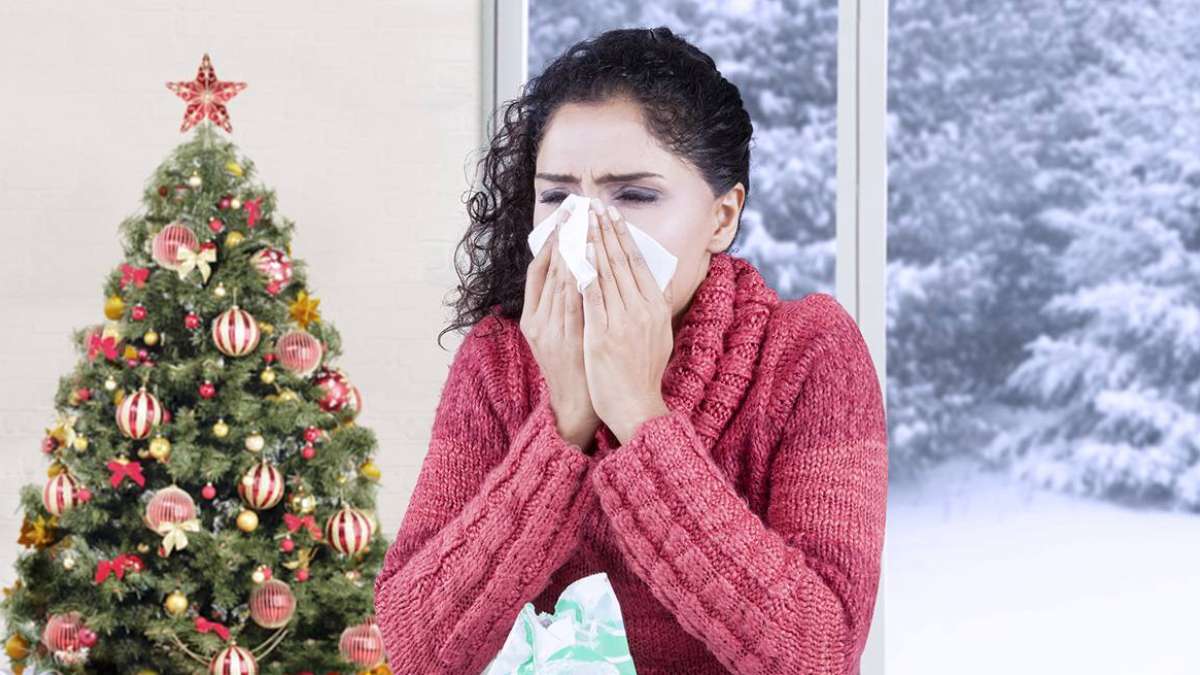
Artificial Christmas trees can cause allergies due to materials and dust. Chemicals and plastics in the trees may irritate sensitive noses. Dust and mold can build up during storage, triggering reactions. Choosing a fresh tree or cleaning the artificial one helps reduce symptoms.
Understanding why allergies happen helps you make safer holiday choices. Enjoy the season without sneezing or discomfort by staying informed. Simple steps can keep your holidays joyful and healthy.