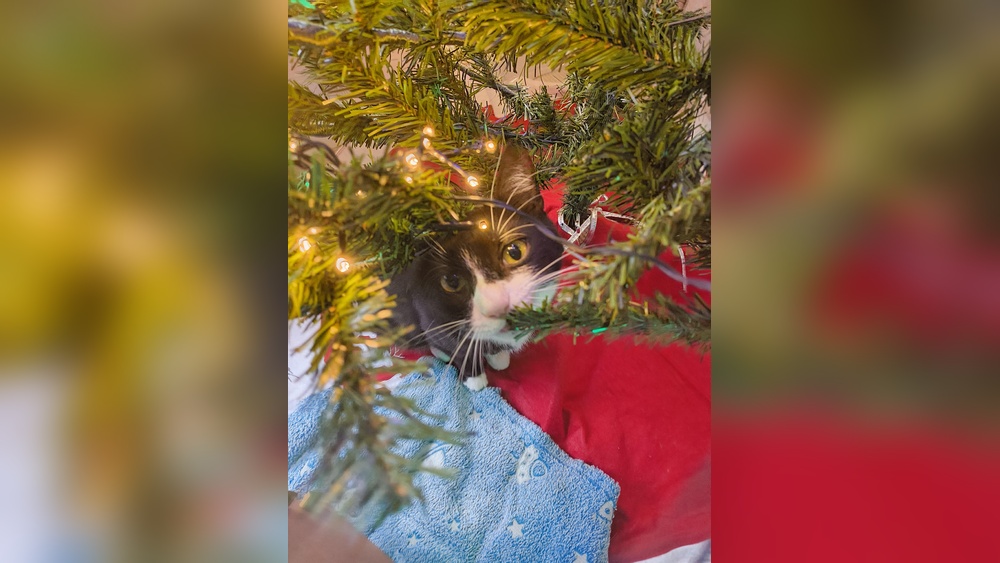
Have you ever noticed your cat licking your artificial Christmas tree and wondered why? It can be puzzling—and maybe even a little frustrating—when your furry friend starts showing unusual interest in your holiday decorations.
But there’s more behind this curious behavior than meets the eye. Understanding why your cat does this can help you keep both your tree and your pet safe during the festive season. Keep reading to discover the surprising reasons behind this habit and what you can do about it.

Credit: www.oklahoman.com
Cat Behavior Around Christmas Trees
Cats often act differently around new objects in their home. A Christmas tree, even an artificial one, is a big change. It stands tall and looks interesting. Cats like to explore new things. Their behavior near trees shows their natural instincts and curiosity.
Understanding why cats lick or sniff the tree helps us care for them better. It also keeps the tree safe from damage. Cats use their senses to learn about their world. Christmas trees offer many new smells, textures, and sights for them to check out.
Natural Curiosity In Cats
Cats are curious by nature. They explore everything new in their space. An artificial tree is strange and different. It catches their attention. They may sniff, paw, or lick it. This is how cats discover their environment. Curiosity helps keep them alert and active.
Scent Exploration And Marking
Cats use their sense of smell to learn about objects. They can detect new or strong scents on the tree. Licking helps them taste and understand the smell better. Cats also mark their territory by rubbing or licking. This leaves their scent on the tree. It makes them feel safe and in control.
Texture Attraction
The texture of an artificial tree is unusual for cats. Its needles and branches feel different than usual toys. Cats may lick or chew to explore the texture. Soft, plastic needles can feel interesting on their tongue. This texture exploration can keep cats entertained and calm.
Reasons Behind Licking Artificial Trees
Cats often lick objects to explore their world. Your artificial Christmas tree may attract your cat’s tongue for several reasons. Understanding these reasons helps you keep your cat safe and happy during the holiday season.
Taste And Smell Sensations
Artificial trees have plastic needles and metal parts. These materials can hold interesting smells or tastes. Your cat might lick the tree because it tastes unusual or has a scent from the storage or manufacturing process. Sometimes, the tree may have residues from sprays or dust, which can also attract your cat.
Comfort And Stress Relief
Licking is a soothing action for cats. It helps them calm down when they feel anxious or stressed. The texture of the tree’s needles might give your cat comfort. Your cat might use licking to relax, especially if the holiday noise or changes make it nervous.
Attention-seeking Behavior
Cats quickly learn what gets a reaction from their owners. Licking the tree might be a way to get your attention. If you show surprise or try to stop them, your cat may repeat this behavior. This can be their way of asking for play or petting.
Potential Risks For Cats
Cats often explore new objects with their tongues. Artificial Christmas trees attract their curiosity. Licking the tree can be risky for cats. Some parts of the tree may harm them. Knowing these risks helps keep your cat safe.
Toxic Materials And Chemicals
Artificial trees contain plastic and metal parts. Some plastics have harmful chemicals. Cats licking these parts may ingest toxins. Chemicals can cause stomach upset or worse. Avoid letting cats lick or chew the tree.
Choking Hazards
Small pieces can break off the tree. Cats may swallow these tiny parts. Swallowing small items can block the throat. Choking is a real danger for cats. Watch your cat closely around the tree.
Allergic Reactions
Some cats may react to tree materials. Chemicals or dust on the tree can trigger allergies. Symptoms include itching, sneezing, or redness. Allergic reactions can cause discomfort and stress. Keep an eye on your cat’s behavior near the tree.

Credit: www.goodhousekeeping.com
How To Protect Your Cat And Tree
Protecting both your cat and your artificial Christmas tree is important during the holiday season. Cats may lick the tree out of curiosity or because they like the texture. This can harm your tree and might not be safe for your cat. Taking simple steps can keep your pet and decorations safe.
Safe Tree Placement
Place the tree in a spot hard for your cat to reach. Corners or rooms with doors work well. Avoid areas near your cat’s favorite resting spots. Secure the base so the tree does not tip over. This prevents accidents and protects your cat from injury.
Deterrents For Licking
Use safe sprays designed to stop pets from licking. Citrus or bitter apple sprays often work well. Spray lightly on the tree branches but avoid ornaments. Watch your cat’s reaction and reapply as needed. These sprays teach your cat to avoid the tree.
Providing Alternatives
Give your cat toys or treats to distract from the tree. Cat grass or catnip plants can help satisfy chewing urges. Play with your cat to reduce boredom, which lowers licking behavior. Providing alternatives keeps your cat happy and less interested in the tree.
When To Consult A Veterinarian
Knowing when to consult a veterinarian is important if your cat licks your artificial Christmas tree. Some behaviors may signal health problems or discomfort. Early attention can prevent serious issues and keep your cat safe.
Signs Of Illness Or Distress
Watch for unusual signs like vomiting, diarrhea, or loss of appetite. Rapid breathing or coughing can also be warning signs. If your cat seems weak or less active, contact a vet. Persistent licking might cause mouth sores or irritation. These signs need professional care to avoid worsening.
Behavioral Concerns
Excessive licking of the tree might indicate stress or anxiety. Cats often lick objects to calm themselves. If your cat shows sudden changes in behavior, like hiding or aggression, seek advice. A vet can help find the cause and suggest solutions. Proper care improves your cat’s comfort and well-being.

Credit: www.reddit.com
Frequently Asked Questions
Why Does My Cat Lick Artificial Christmas Trees?
Cats lick artificial trees out of curiosity and to explore new textures. They may also be attracted to the tree’s scent or residue from manufacturing. Licking helps them investigate unfamiliar objects in their environment and provides sensory stimulation.
Is Licking Artificial Trees Harmful To Cats?
Generally, licking artificial trees is not harmful unless the tree has toxic chemicals or sharp parts. Monitor your cat to prevent chewing or ingesting tree material. Ensure the tree is pet-safe and free from dangerous substances or decorations.
How Can I Stop My Cat From Licking The Tree?
Distract your cat with toys or treats to redirect licking behavior. Use deterrents like citrus sprays or aluminum foil around the tree base. Providing alternative stimulation and keeping the tree area supervised helps reduce licking.
Do Cats Lick Trees Due To Boredom Or Stress?
Yes, cats may lick trees as a coping mechanism for boredom or stress. Providing enrichment, playtime, and attention can reduce this behavior. Ensuring a stimulating environment satisfies their natural curiosity and reduces unwanted licking.
Conclusion
Cats lick artificial Christmas trees for many simple reasons. They feel curious about new smells and textures. Sometimes, they like the taste or want attention. Watching your cat’s behavior helps keep them safe. Try using safe sprays or distractions to protect the tree.
Remember, understanding your cat’s actions builds a stronger bond. Keep an eye on their licking to avoid problems. Enjoy the holiday season with your curious furry friend!