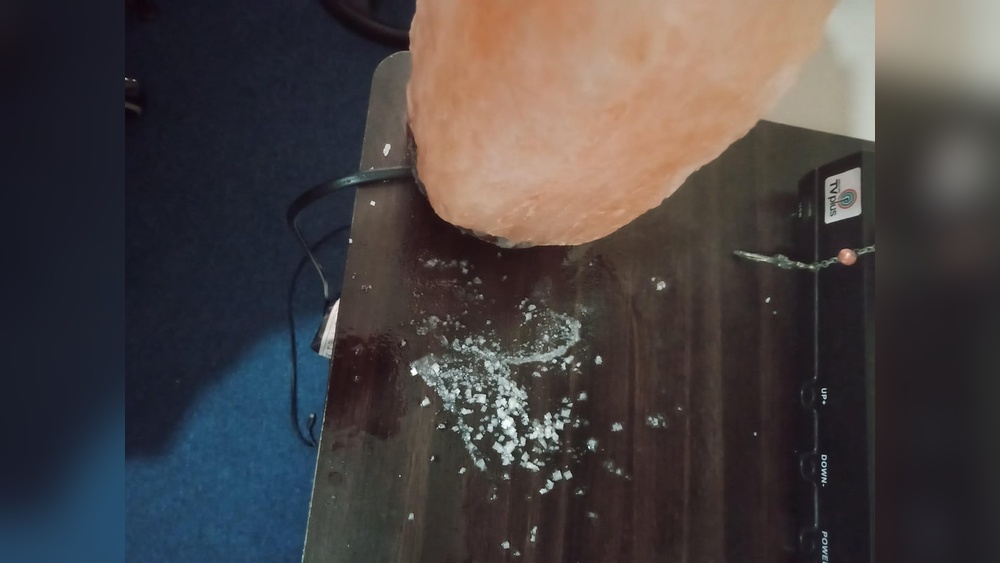
Have you noticed your Himalayan salt lamp looking a little different lately? Maybe it’s starting to melt or feel damp to the touch.
You might be wondering, “Why is my Himalayan salt lamp melting? ” It’s frustrating when something meant to bring calm and beauty to your space seems to be falling apart. But don’t worry—understanding the reasons behind this can help you fix the problem and get your lamp glowing just right again.
Keep reading to discover the surprising causes and simple solutions that can save your salt lamp and keep your room cozy.

Credit: www.wikihow.com
Causes Of Himalayan Salt Lamp Melting
Himalayan salt lamps are beautiful and calming. Yet, sometimes they start to melt. Understanding the causes of this melting helps to protect your lamp. Several key factors can lead to the salt lamp losing its shape and melting away.
Humidity And Moisture Impact
Salt naturally attracts water from the air. High humidity makes the salt absorb moisture quickly. This causes the lamp to sweat and drip. Constant exposure to moisture softens the salt. Over time, this leads to visible melting and damage.
Heat Source Effects
The lamp’s heat source plays a big role. If the bulb is too hot, it can melt the salt faster. Using the wrong bulb or high wattage increases heat. This excessive heat breaks down the salt’s structure. The lamp may become soft and lose its form.
Quality And Purity Of Salt
Not all salt lamps are made equal. Lower quality salt contains impurities and moisture. These impurities weaken the salt’s stability. Poor purity lamps melt more quickly under heat and moisture. High-quality salt lamps last longer and melt less.
Environmental Factors
Where you place the lamp matters. Rooms with poor ventilation trap moisture and heat. Near kitchens or bathrooms, humidity is often higher. Direct sunlight or warm drafts also speed melting. Keeping the lamp in a dry, cool place helps preserve it.

Credit: clasterior.co.uk
Signs Your Salt Lamp Is Melting
Himalayan salt lamps are beautiful and soothing, but they can sometimes start to melt. Knowing the signs can help you protect your lamp and keep it looking great. Melting happens because salt attracts moisture from the air. This causes the lamp to lose its solid form and develop some changes you can easily spot.
Here are the key signs your salt lamp is melting. Watch for these to keep your lamp safe and dry.
Visible Water Droplets
One clear sign is water droplets on the lamp’s surface. Salt pulls water from the air, so moisture builds up. You might see small beads of water forming. This means the lamp is absorbing too much humidity and starting to melt.
Soft Or Sticky Surface
The surface of your salt lamp should feel hard and rough. If it feels soft or sticky, melting is happening. Salt dissolves slightly in water, making the surface tacky. Touch your lamp gently to check for this change.
Shape Deformation
Your lamp’s shape can change if it melts. Edges may look rounded or uneven. The base might lose its firm structure. These changes happen because the salt slowly dissolves and loses its original form.
Preventing Melting And Damage
Himalayan salt lamps are beautiful but delicate. They can melt or get damaged if not cared for properly. Preventing melting helps keep your lamp glowing and lasting longer. Taking simple steps protects your lamp from moisture and heat issues. This section explains how to prevent melting and damage effectively.
Optimal Placement Tips
Place your salt lamp on a dry, flat surface. Avoid spots near windows or doors where rain or wind can reach. Keep it away from kitchens or bathrooms where steam is common. High traffic areas can cause accidental knocks. A quiet corner works best for safety and stability.
Controlling Room Humidity
Salt lamps absorb moisture from the air. High humidity causes them to sweat and melt. Use a dehumidifier in damp rooms to lower moisture levels. Air conditioning also helps reduce humidity. Keep your room dry to protect the lamp’s surface and structure.
Choosing Quality Lamps
Not all salt lamps are the same. Select lamps made from pure Himalayan salt blocks. Check for lamps with sturdy bases and good craftsmanship. Poor quality lamps melt faster and can break easily. Investing in quality ensures a longer-lasting, safer lamp.
Easy Fixes For A Melting Salt Lamp
Himalayan salt lamps may start melting because of moisture or heat. This issue can be fixed with simple methods. These easy fixes help protect your lamp and keep it shining bright. Follow these tips to stop your salt lamp from melting and enjoy its warm glow longer.
Drying And Cleaning Techniques
Moisture causes salt lamps to melt. Wipe the lamp gently with a dry cloth. Avoid using water or wet wipes. Place the lamp in a dry place to reduce humidity. Use a small fan to air dry the lamp if needed. Regular cleaning keeps the salt dry and solid.
Using Protective Coatings
Applying a protective coating prevents moisture from reaching the salt. Use a clear sealant safe for salt lamps. Spray or brush the coating evenly on the lamp’s surface. This layer stops water from soaking into the salt. It also helps the lamp last longer.
Replacing Bulbs And Heat Sources
Heat affects salt lamps too. Old bulbs may overheat and cause melting. Replace bulbs with low-wattage ones designed for salt lamps. Check the lamp’s heating element for damage. Proper heat keeps the salt dry without melting it. Change bulbs regularly to maintain safe warmth.
Maintaining Your Himalayan Salt Lamp
Maintaining your Himalayan salt lamp is key to keeping it in good shape and stopping it from melting. Salt lamps can lose their form if exposed to moisture or improper care. Simple steps help your lamp stay dry and last longer. Let’s explore easy ways to care for your salt lamp.
Regular Care Practices
Keep the lamp dry by wiping it with a dry cloth. Avoid using water or wet cloths on the salt surface. Turn the lamp on daily to help it stay warm and dry. Dust it gently to keep it clean. Do not place it near humid areas like bathrooms or kitchens.
Storage Suggestions
Store your lamp in a cool, dry place when not in use. Wrap it in a plastic bag to block moisture from the air. Avoid storing it in damp rooms or basements. Make sure the lamp is completely dry before storing. Proper storage helps prevent melting and damage.
When To Replace Your Lamp
Replace the lamp if it starts melting or crumbling. Large cracks or deep holes show the salt is breaking down. If the lamp no longer glows well, it may be time for a new one. A well-maintained lamp lasts years, but damage means replacement is needed.
Credit: www.reddit.com
Frequently Asked Questions
Why Is My Himalayan Salt Lamp Melting?
Himalayan salt lamps can melt due to excess moisture exposure. Salt naturally absorbs water from humid air, causing it to dissolve slowly. Placing the lamp in damp areas or using a high-watt bulb can accelerate melting. Keep the lamp dry and use recommended wattage to prevent melting.
Can Humidity Cause Himalayan Salt Lamp Melting?
Yes, high humidity causes Himalayan salt lamps to absorb moisture and melt. Salt is hygroscopic and pulls water from the air. In humid environments, the lamp surface can become wet and start dissolving. Reduce humidity or place the lamp in a dry, well-ventilated area to avoid this.
Does Using A High Watt Bulb Melt Salt Lamps?
Using a bulb with wattage higher than recommended can overheat the salt lamp. Excess heat may cause the salt to melt or sweat. Always use the correct wattage bulb specified by the manufacturer to maintain the lamp’s integrity and prevent melting.
How To Stop Himalayan Salt Lamp From Melting?
To stop melting, keep your salt lamp away from moisture and humidity. Use a low-watt bulb and place it on a dry surface. Regularly wipe the lamp with a dry cloth. These steps help maintain the lamp’s condition and prevent it from dissolving.
Conclusion
Himalayan salt lamps can melt due to moisture and heat. They attract water from the air, causing the salt to dissolve slowly. Placing the lamp in humid areas increases this effect. Using a low heat bulb helps reduce melting. Wiping the lamp gently keeps it dry and sturdy.
Understanding these tips helps you enjoy your lamp longer. Keep your lamp in a dry, warm spot for best results. This simple care prevents melting and keeps the lamp glowing bright.