Have you ever been excited to light up your space with string lights, only to have the fuse blow again and again? It’s frustrating, right?
You plug them in, and moments later, the lights go dark. You might wonder, “Why do my string lights keep blowing a fuse? ” The good news is, you’re not alone—and there are simple reasons behind this common problem. Keep reading, and you’ll discover exactly what’s causing your fuse to blow and how to fix it fast.
Don’t let a blown fuse dim your mood or your lights!
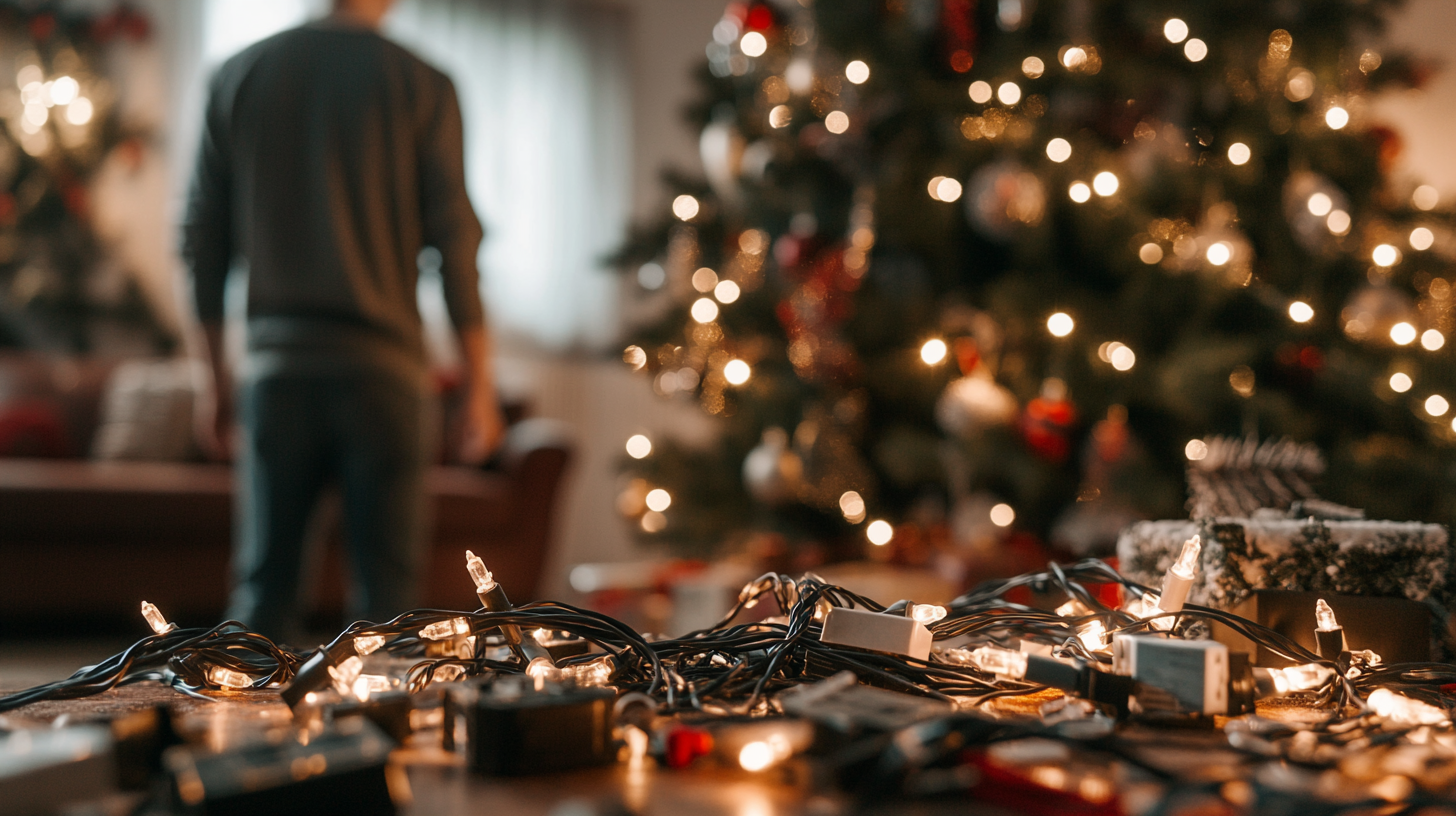
Credit: dominionlightworks.com
Common Causes Of Blown Fuses
Blown fuses in string lights cause frustration and dark spots during decoration. Understanding common causes helps fix the problem quickly. Many issues can cause a fuse to blow, but some are more frequent than others. Identifying these causes saves time and effort.
Overloading The Circuit
Overloading happens when too many lights draw power at once. Each fuse has a limit. Exceeding this limit causes it to blow. Connecting too many strings or using high-wattage bulbs adds extra load. This extra load trips the fuse to protect the wiring.
Short Circuits
Short circuits occur when wires touch in the wrong way. This creates a sudden surge of electricity. The fuse blows to stop damage or fire risk. Damaged wires, broken bulbs, or exposed connections often cause shorts. Regular checks can find and fix shorts early.
Faulty Wiring
Faulty wiring inside the string lights can cause fuse failure. Poor connections or damaged insulation increase resistance. This leads to overheating and fuse blowing. Using old or cheap lights raises the risk. Inspect wiring for cracks or loose parts before use.
Using Incorrect Fuse Types
Using the wrong fuse type causes frequent blowing. Fuses have ratings for voltage and current. A fuse with too low a rating trips quickly. A fuse with too high a rating may not protect properly. Always replace fuses with the correct type for your lights.
Identifying The Problem
When string lights keep blowing a fuse, finding the cause is key. This helps fix the problem quickly. Start by identifying where the issue lies. Check the lights, the fuse, and the power source. This step-by-step approach saves time and effort.
Inspecting The String Lights
Look closely at the string lights. Check for broken bulbs or frayed wires. Damaged bulbs can cause short circuits. Frayed wires might touch and create sparks. Replace any broken bulbs. Avoid using lights with visible wire damage.
Checking The Fuse
Locate the fuse inside the plug. It often looks like a small glass tube. Remove the fuse carefully. Use a multimeter to test for continuity. A blown fuse will show no connection. Replace the fuse with one of the same rating. Never use a fuse with higher power.
Testing The Outlet
Plug the lights into a different outlet. This checks if the original outlet is faulty. Use a simple appliance to test the outlet. If the appliance works, the outlet is fine. If not, the outlet may cause the fuse to blow. Call an electrician for outlet issues.
Simple Fixes To Try
String lights blowing a fuse can be frustrating. Many issues cause this problem. Luckily, some simple fixes can help you enjoy your lights again. These easy steps do not need special tools or skills. Try these solutions before calling an electrician or buying new lights.
Replacing The Fuse
Check the fuse inside the plug first. It can burn out from a power surge or overload. Open the fuse holder carefully with a small screwdriver. Remove the old fuse and replace it with a new one of the same rating. This fix often solves the problem quickly and cheaply.
Reducing The Load
Too many lights or other devices on one outlet can blow the fuse. Limit the number of string light sets plugged into the same circuit. Use fewer bulbs or spread the lights across different outlets. Reducing the electrical load prevents overheating and fuse damage.
Repairing Damaged Wires
Inspect the string lights for cuts, cracks, or frayed wires. Damaged wires cause short circuits that blow the fuse. Use electrical tape to cover small cuts or replace the damaged section. Avoid using lights with exposed wires to keep your home safe.
Using The Right Fuse
Not all fuses fit every string light set. Check the manufacturer’s instructions for the correct fuse rating. Using a fuse with too low or too high rating can cause frequent fuse blowouts or fire hazards. Always choose the fuse that matches the light set’s electrical needs.
Preventive Measures
Preventive measures help stop string lights from blowing fuses. Simple steps keep your lights safe and working well. Follow these tips to avoid fuse problems and enjoy bright, steady lights all season long.
Regular Maintenance
Check your string lights often. Look for damaged wires or broken bulbs. Replace any faulty parts quickly. Clean the lights to remove dust and dirt. This helps prevent short circuits and fuse issues.
Proper Installation Tips
Use the right fuse size for your lights. Avoid overloading electrical outlets with many strings. Connect lights only as recommended by the manufacturer. Secure wires safely to avoid pulling or damage.
Safe Usage Practices
Turn off string lights before sleeping or leaving home. Do not use indoor lights outside. Keep lights away from water and moisture. Use lights only for their intended purpose to avoid accidents.
When To Seek Professional Help
Knowing when to seek professional help is important for safety and proper repair. Some fuse problems are simple. Others need expert skills to fix. Recognizing signs that require a professional saves time and prevents damage.
Persistent Fuse Blowing
Fuses that blow repeatedly show a deeper problem. Testing and replacing fuses often does not solve the issue. A professional can find hidden faults in wiring or lights. They use special tools to check the electrical system thoroughly. This stops the fuse from blowing again and protects your home.
Complex Electrical Issues
Electrical problems beyond fuse blowing need expert attention. Issues like overloaded circuits, damaged wires, or faulty outlets require careful handling. Professionals understand electrical codes and safety rules. They fix problems without causing more damage. Calling a professional avoids risks like shocks or fires. It also ensures your string lights work safely and well.
Credit: blog.abchomeandcommercial.com
Credit: www.reddit.com
Frequently Asked Questions
Why Do String Lights Blow Fuses Repeatedly?
String lights blow fuses due to electrical overload or short circuits. Using too many lights on one circuit causes excess current. Damaged wires or faulty bulbs also trigger fuse blowouts. Always check connections and avoid overloading outlets to prevent fuse issues.
How Can I Prevent My String Lights From Blowing Fuses?
Prevent fuse blowing by using lights with correct wattage and fuse ratings. Avoid plugging multiple sets into one outlet. Inspect wires for damage before use. Replace broken bulbs promptly. Use outdoor-rated lights only outside to ensure safety and longevity.
Can Using Too Many String Lights Cause Fuse Problems?
Yes, using too many string lights on one circuit causes overload. Overloading increases current flow, blowing the fuse to protect wiring. Distribute lights across multiple outlets or use a power strip with a higher fuse rating to avoid this issue.
What Type Of Fuse Do String Lights Usually Require?
String lights typically require a 3-amp or 5-amp fuse. The exact rating depends on the light set’s wattage and design. Always check the manufacturer’s specifications to replace fuses correctly and prevent frequent blowouts or electrical hazards.
Conclusion
String lights blowing a fuse often means too much power is used. Check the total wattage and avoid overloading outlets. Faulty wires or damaged bulbs can cause problems too. Always use the right fuse for your lights. Regularly inspect your string lights for wear and tear.
Taking these steps can keep your lights shining bright and safe. Enjoy your decorations without constant fuse troubles. Simple care makes a big difference.