Have you ever noticed your Himalayan salt lamp looking wet or damp, almost like it’s sweating? You might wonder if something is wrong with it or if it’s about to get ruined.
Understanding why your salt lamp sweats can help you take better care of it and enjoy its warm glow for longer. This simple yet surprising behavior has a logical explanation, and once you know it, you’ll feel more confident in keeping your lamp in perfect shape.
Keep reading to uncover the mystery behind your Himalayan salt lamp’s sweating and learn easy tips to manage it.
Credit: gemstonegifts.co.uk
What Causes Himalayan Salt Lamps To Sweat
Himalayan salt lamps sometimes sweat, leaving small droplets on their surface. This can confuse many owners. Understanding why this happens helps you care for your lamp better. The sweating happens due to several natural factors related to salt and the environment.
Salt’s Hygroscopic Nature
Salt naturally attracts water from the air. This is called being hygroscopic. Himalayan salt absorbs moisture from the surrounding air. The water gathers on the lamp’s surface. This causes the lamp to look wet or sweaty.
Environmental Humidity Effects
High humidity levels increase sweating on salt lamps. Moist air has more water vapor. When the lamp is in a humid room, it collects more moisture. This leads to more noticeable sweating on the lamp’s surface.
Temperature Differences
The lamp’s heat changes how much it sweats. When the lamp is turned on, it warms up. Warm salt releases some moisture. When it cools down, moisture collects again. This cycle causes droplets to form on the lamp.
Common Misconceptions About Sweating Lamps
Many people notice their Himalayan salt lamps sweating. This causes worry and confusion. Some believe the lamps are melting or broken. Others think electrical problems cause the moisture. These ideas are not always true. Understanding common misconceptions helps keep your lamp safe and lasting longer.
Salt Lamp Melting Myths
Salt lamps do not melt like ice. They absorb water from the air. This makes them look wet or sweaty. Warm bulbs inside the lamp dry the moisture quickly. The lamp’s surface can feel damp, but it is not melting. Salt lamps only sweat in humid places. This natural process can happen often in bathrooms or kitchens.
Electrical Issues Misunderstood
Some believe sweating means electrical faults. The lamp’s wiring and bulb create heat. This heat helps evaporate water from the salt. Moisture on the lamp does not cause short circuits. Properly made lamps meet safety standards. Always check your lamp’s cord and bulb for damage. Sweating is a sign of humidity, not electrical trouble.
How To Prevent Salt Lamp Sweating
Salt lamps often sweat because they attract moisture from the air. This moisture collects on the lamp’s surface and creates droplets. Preventing this sweating helps keep your lamp dry and lasts longer. Simple steps can reduce or stop sweating effectively.
Optimal Placement Tips
Place your salt lamp in a dry room with good air flow. Avoid areas near windows or humid spaces like bathrooms. Keep it away from kitchens where steam is common. Use a coaster or plate to protect furniture from moisture.
Using Dehumidifiers
A dehumidifier lowers moisture in the air around your lamp. This cuts down the chance of sweating. Use one in rooms where humidity is high. This helps protect not only the lamp but your whole home environment.
Proper Lamp Maintenance
Turn your lamp on regularly to keep it warm. Warmth helps evaporate moisture quickly. Wipe the lamp gently with a dry cloth to remove any dampness. Avoid using water or cleaning sprays directly on the lamp.

Credit: www.earthinspiredgifts.com.au
Impact Of Sweating On Lamp Durability
Himalayan salt lamps can sweat due to humidity and temperature changes. This sweating impacts the lamp’s durability over time. Understanding these effects helps maintain the lamp’s beauty and function.
Effects On Salt Integrity
Sweating causes the salt to dissolve slightly on the surface. This leads to a softer texture and rough patches. The lamp may lose its smooth finish and natural shine. Over time, the salt can erode, creating small holes or cracks. This weakens the structure and may shorten the lamp’s life.
Potential Damage To Surfaces
The moisture from sweating can drip onto furniture or floors. Saltwater can leave stains or marks that are hard to remove. Wooden surfaces may warp or discolor due to constant wetness. Hard surfaces like stone or tile can accumulate salt deposits. Placing a protective mat under the lamp helps prevent surface damage.
Benefits Of Himalayan Salt Lamps Despite Sweating
Himalayan salt lamps sometimes sweat because they attract moisture from the air. This can cause small drops of water to form on the lamp’s surface. While sweating might seem like a problem, these lamps still offer many benefits.
People enjoy using Himalayan salt lamps for their unique look and the calming light they give off. The sweat does not stop the lamp from creating a peaceful space. Plus, many users believe these lamps improve air quality and mood.
Air Purification Claims
Many people say salt lamps help clean the air. The salt is thought to attract tiny particles like dust and pollen. Some believe the lamp can reduce allergens and pollutants. This may make the room feel fresher and easier to breathe in.
Even if sweating occurs, the lamp can still pull moisture and dust from the air. This natural process might help lower airborne irritants. It does not replace a true air purifier but can support better air quality.
Aesthetic And Mood Enhancements
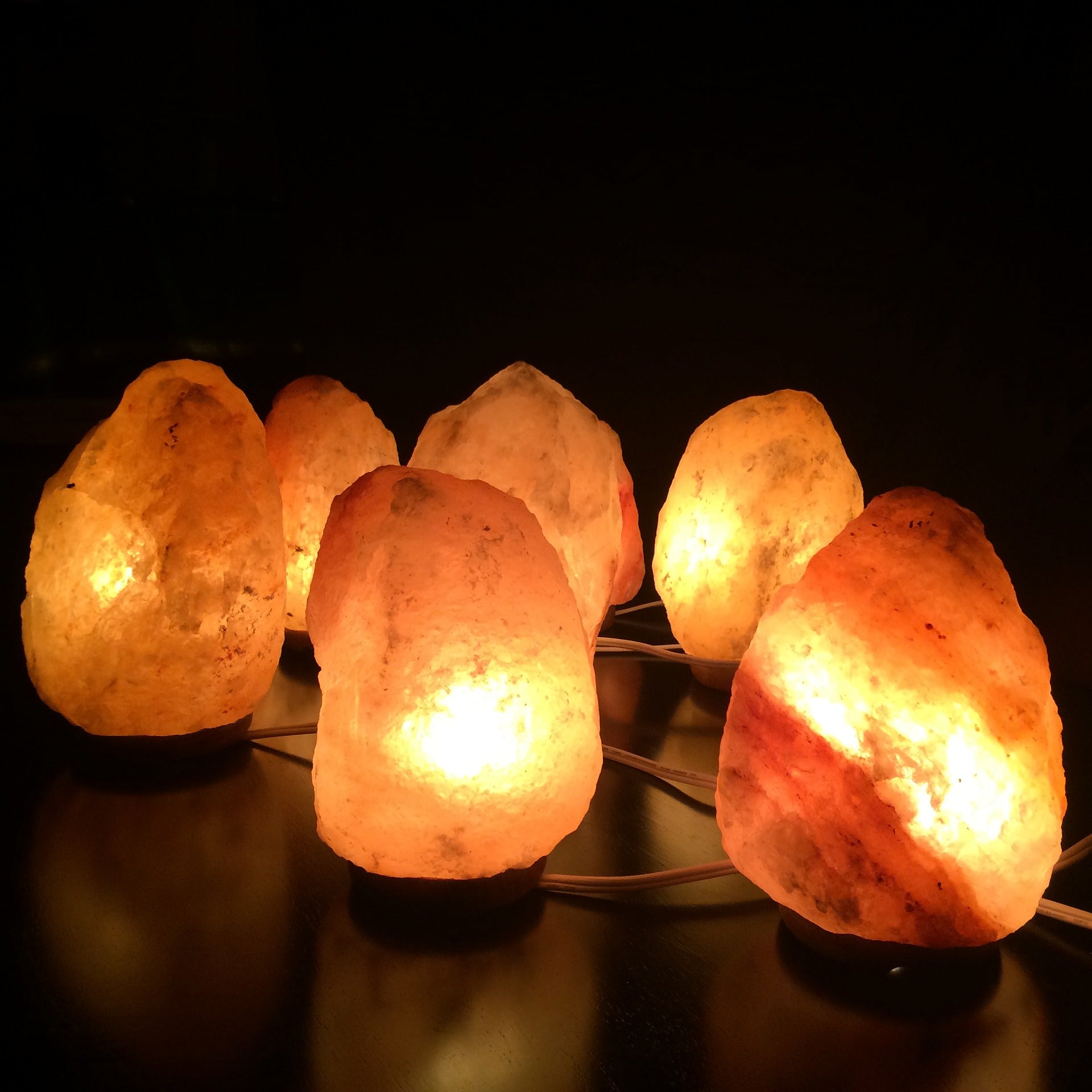
Himalayan salt lamps give a warm, soft glow. This gentle light creates a relaxing mood. Many people use them as night lights or for quiet moments.
The pink-orange color of the salt adds beauty to any room. The lamp’s unique shape and texture make it a natural decoration. Sweating does not change how the lamp looks or feels.
Users often feel calmer and more peaceful with the lamp on. This effect can help reduce stress and improve focus. The lamp’s soothing light makes spaces more inviting and cozy.

Credit: himalayantradingco.com
Frequently Asked Questions
Why Do Himalayan Salt Lamps Sweat Or Drip Water?
Himalayan salt lamps absorb moisture from the air due to their natural hygroscopic properties. When the lamp warms up, the absorbed moisture condenses and appears as sweating or dripping water on the surface.
Does Sweating Affect Himalayan Salt Lamp’s Effectiveness?
No, sweating does not reduce the lamp’s health benefits. It is a natural reaction to humidity and does not impact the lamp’s ability to purify air or emit negative ions.
How Can I Prevent My Himalayan Salt Lamp From Sweating?
Keep the lamp in a dry area and avoid high humidity rooms. Using a lamp with a low watt bulb can also reduce sweating by maintaining consistent warmth.
Is Sweating Harmful To Himalayan Salt Lamps?
Sweating can cause minor salt erosion over time but won’t damage the lamp’s structure significantly. Wiping the moisture off regularly helps maintain the lamp’s appearance and longevity.
Conclusion
Himalayan salt lamps sweat because they attract moisture from the air. This is normal and shows they work well. Warm lamps help evaporate this moisture over time. Placing lamps in dry areas reduces sweating. Keep lamps on to stay warm and dry.
Wiping off sweat prevents damage to surfaces. Understanding why lamps sweat helps you care for them better. Enjoy the soft glow without worry. Simple steps keep your salt lamp safe and beautiful.