Have you ever wondered how light actually comes from different sources around you? Whether it’s the warm glow of a candle, the bright shine of an incandescent lamp, or the cool light from a fluorescent bulb, each one creates light in its own unique way.
Understanding how these light sources work not only satisfies your curiosity but also helps you choose the best lighting for your home or workspace. Keep reading, and you’ll discover the simple science behind the light you use every day—and why it matters to you.

Credit: www.heatingandprocess.com
Light Emission In Incandescent Lamps
Incandescent lamps produce light through a simple but effective process. This method has been used for over a century. The light comes from a tiny wire inside the lamp called a filament. When electricity flows through this filament, it heats up and emits light. The process involves converting electrical energy into heat and light.
Filament Heating Process
The filament inside the lamp is very thin. Electricity passes through it, causing resistance. This resistance makes the filament heat up. The temperature can reach thousands of degrees Celsius. At this high temperature, the filament starts to glow. This glowing produces the visible light we see.
Role Of Tungsten Filament
Tungsten is the metal used for filaments. It has a very high melting point. This means it can get very hot without melting. Tungsten also lasts a long time under heat. Its strength helps the filament shine brightly. This metal is key to making incandescent lamps work well.
Energy Conversion To Light
Electricity flowing through the filament changes into heat. This heat causes the filament to glow. The glowing releases energy as light. Most of the energy becomes heat, but some turns into light. This is why incandescent lamps produce warm, glowing light.
Heat And Light Balance
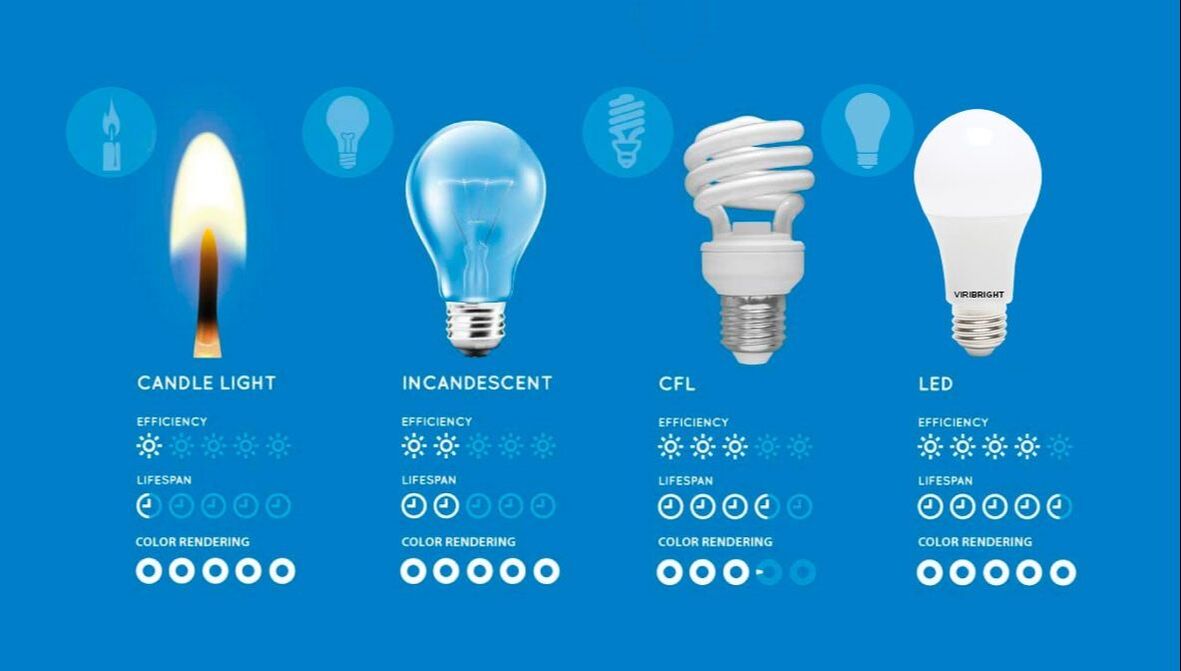
Incandescent lamps emit both heat and light. Much of the energy is lost as heat. This makes them less efficient than other lamps. The balance between heat and light affects brightness. The warm light is often preferred for its cozy feel. But the heat can make the lamp hot to touch.

Credit: www.amazon.com
Light Emission In Fluorescent Lamps
Fluorescent lamps produce light in a different way than incandescent bulbs. They use a special process involving gases and coatings inside the tube. This process makes them more energy-saving and longer-lasting. Understanding how fluorescent lamps emit light helps us appreciate their design and efficiency.
Electric Current And Mercury Vapor
Electric current flows through the lamp’s gas, mainly mercury vapor. This current excites the mercury atoms inside the tube. Excited atoms release energy in the form of invisible ultraviolet light. This step is crucial for the lamp to produce visible light.
Ultraviolet Light Production
Mercury atoms emit ultraviolet (UV) light when excited. This UV light cannot be seen by the human eye. The UV light travels inside the tube and hits the inner surface. This invisible light is the key to making the lamp glow.
Phosphor Coating Function
The inside of the tube is coated with phosphor. Phosphor absorbs the ultraviolet light and changes it into visible light. This process is called fluorescence, which is why the lamp is named fluorescent. Different phosphor types create various light colors.
Energy Efficiency Compared
Fluorescent lamps use less electricity than incandescent bulbs. They produce more light per watt of energy used. This efficiency reduces electricity bills and lowers heat output. Many homes and offices prefer fluorescent lamps for this reason.
Light Emission From Candles
Candles have lit up homes for centuries. Their soft glow creates warmth and calm. But how does a candle actually produce light? The process is different from electric lamps. It involves burning wax and glowing particles. Understanding this helps appreciate the simple beauty of candlelight.
Combustion Of Wax
The candle’s wax is the main fuel. When the wick is lit, the heat melts the wax near it. This liquid wax moves up the wick by capillary action. Then, the heat vaporizes the wax. The wax vapor reacts with oxygen in the air. This chemical reaction, called combustion, produces heat and light.
Soot Particle Glowing
Not all wax vapor burns completely. Tiny soot particles form in the flame. These particles get very hot. They glow brightly, creating the yellow light we see. The glowing soot is the main source of a candle’s light. The brightness depends on how many particles glow.
Flame Structure And Color
The flame has different zones. The bottom is blue, where wax vapor burns cleanly. Above this, the yellow part shows glowing soot particles. The blue zone is hotter but less bright. The yellow zone gives most of the visible light. This mix of colors shapes the candle’s warm glow.
Heat And Light Generation
Burning wax releases heat energy. This heat keeps the wax melting and vaporizing. The glowing soot particles convert heat into light. The light spreads softly around. This gentle light creates a cozy, peaceful atmosphere. A candle’s light comes from heat and glowing particles working together.
Credit: www.sitelitespro.com
Frequently Asked Questions
How Do Incandescent Lamps Emit Light?
Incandescent lamps emit light by heating a tungsten filament. Electric current passes through the filament, causing it to glow. The glowing filament produces visible light and heat. This process is called incandescence. It’s an efficient way to generate warm, continuous light.
What Causes Light Emission In Fluorescent Lamps?
Fluorescent lamps emit light through gas excitation. Electric current excites mercury vapor inside the tube. This produces ultraviolet light. The UV light then excites a phosphor coating inside the lamp. The phosphor emits visible light. This process is energy-efficient and produces bright light.
How Is Light Produced From Candles?
Candles emit light through combustion. The wick burns the wax, producing heat and light. Heat vaporizes the wax, creating a flame. The flame’s hot gases emit visible light. This natural process provides soft, warm illumination without electricity.
Why Do Incandescent Lamps Produce Heat With Light?
Incandescent lamps produce heat because the filament operates at high temperatures. Most energy converts to heat, not light. This makes them less energy-efficient compared to other lamps. The glowing filament emits both visible light and infrared radiation, which feels like heat.
Conclusion
Light comes from different sources in unique ways. Incandescent lamps glow because their wires get hot. Fluorescent lamps shine when electricity excites gas inside them. Candles produce light as the wax burns slowly. Each method shows how energy changes to light.
Understanding this helps us appreciate everyday lighting better. Simple science behind light makes it easier to see. Lighting affects how we live and work every day. Knowing these basics makes choosing light sources clearer. Light brightens our world in many fascinating ways.