Thinking about adding a kitchen backsplash centerpiece but wondering how much it will cost to install? You’re not alone.
Your kitchen is the heart of your home, and a stunning backsplash centerpiece can transform its look instantly. But before you dive in, it’s important to know what to expect in terms of expenses. This guide will help you understand the real cost behind installing that perfect focal point in your kitchen, so you can make smart choices without surprises.
Keep reading to discover how to plan your budget and get the best value for your investment.
:strip_icc()/230214_073_preview-391b5c9a1b2a4e8bb45f8d15e7ec08df.jpg)
Credit: www.bhg.com
Backsplash Centerpiece Styles
A kitchen backsplash centerpiece adds style and personality to your cooking space. It creates a focal point that draws the eye and complements your kitchen design. The style you choose affects the overall look and installation cost. Understanding different styles helps you pick the right one for your kitchen and budget.
Backsplash centerpieces come in many styles. Each style offers unique patterns, materials, and colors. These choices influence both the design and how much it costs to install.
Tile Patterns And Designs
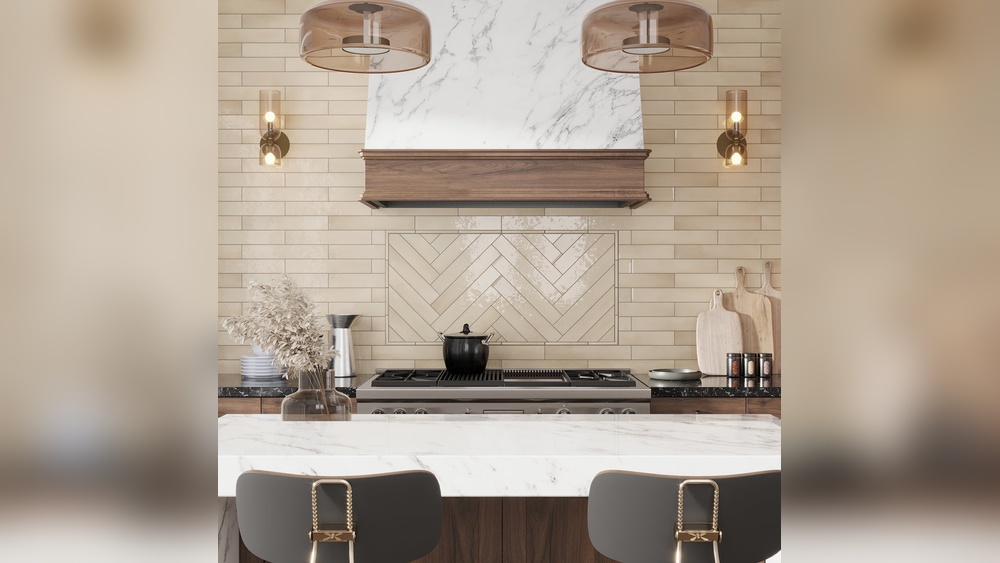
Tile patterns define the backsplash’s visual appeal. Popular patterns include subway, herringbone, and chevron. Subway tiles are simple and classic. Herringbone offers a zigzag look that adds movement. Chevron tiles create a bold, V-shaped design.
Designs can be plain or intricate. Mosaic tiles combine small pieces for detailed images. Geometric shapes add modern flair. The complexity of patterns affects installation time and cost. Simple patterns cost less to install. Complex designs require more labor and precision.
Materials And Finishes
Material choice impacts style and durability. Ceramic and porcelain tiles are common and affordable. Glass tiles reflect light and brighten the kitchen. Natural stone tiles like marble or granite add luxury but cost more.
Finishes vary from matte to glossy. Matte finishes hide smudges well. Glossy finishes create a shiny, clean look. Textured tiles add depth and interest. Each finish changes the kitchen’s mood and maintenance needs.
Popular Color Choices
Colors set the tone of your backsplash centerpiece. White and neutral shades offer a timeless, clean look. Blue and green tones bring calm and freshness. Bright colors like red or yellow add energy and warmth.
Choosing colors depends on kitchen style and personal taste. Lighter colors make small kitchens feel larger. Darker colors add drama and contrast. Mixing colors can create a unique and eye-catching design.
Factors Affecting Installation Cost
The cost to install a kitchen backsplash centerpiece changes based on many factors. Understanding these factors helps plan the budget better. Each factor affects the price differently. Knowing them gives clear expectations about the final cost.
Material Selection Impact
The type of material chosen affects installation cost a lot. Tiles like ceramic or porcelain cost less to install. Natural stones like marble or granite need more care and skill. Some materials require special tools or adhesives. This raises the overall installation price.
Labor And Skill Level
Experienced installers charge higher fees for their expertise. Complex designs need skilled labor to ensure a good finish. Less skilled workers may take longer, increasing labor time. Quality work often means higher labor costs but better results.
Size And Complexity
Larger backsplashes require more time and materials. Intricate patterns take longer to install carefully. Cutting and fitting pieces to odd shapes adds to cost. Simple, small backsplashes cost less to install.
Location And Accessibility
The kitchen’s layout affects how easy it is to install. Hard-to-reach spots need extra time and effort. Limited workspace may slow down the process. Easy access means quicker installation and lower cost.
Cost Breakdown By Material
The cost of installing a kitchen backsplash depends on the material you choose. Each material has different price points and installation needs. This section breaks down costs by popular backsplash materials. Understanding these costs helps plan your budget clearly.
Ceramic And Porcelain Tiles
Ceramic and porcelain tiles are common choices for backsplashes. They cost between $5 and $15 per square foot. Installation is usually straightforward, lowering labor costs. These tiles are durable and easy to clean. Many styles and colors fit any kitchen design.
Glass And Mosaic Tiles
Glass and mosaic tiles add shine and texture to your backsplash. Prices range from $10 to $30 per square foot. Installation requires skilled labor, raising costs slightly. These tiles are fragile and need careful handling. They brighten kitchens with their reflective surface.
Natural Stone Options
Natural stone backsplashes look elegant and unique. Common stones include marble, granite, and slate. Stone prices vary from $15 to $50 per square foot. Installation is complex and labor-intensive, increasing total costs. Stone requires sealing to protect against stains.
Metal And Specialty Materials
Metal backsplashes offer a modern and sleek look. Stainless steel and copper are popular choices. Costs range from $20 to $60 per square foot. These materials need precise cutting and professional installation. Specialty backsplashes may include tiles with unique patterns or textures.

Credit: www.tileclub.com
Diy Vs Professional Installation
Deciding between DIY and professional installation for your kitchen backsplash centerpiece affects cost, time, and quality. Many homeowners weigh these options before starting the project. Both choices have clear benefits and challenges that impact your budget and outcome.
Pros And Cons Of Diy
DIY backsplash installation saves money on labor costs. You control the schedule and work at your own pace. Learning new skills can feel rewarding and fun. Mistakes may happen, causing extra costs and delays. Tools and materials can be expensive if you do not own them. Complex designs require skill and patience, which may be hard for beginners.
Hiring A Contractor
Professional installers bring experience and speed to the project. They ensure a neat and lasting finish. Contractors have all the right tools and materials ready. Hiring a pro reduces stress and frees your time. The cost is higher due to labor fees. You must find a reliable and skilled installer. Scheduling depends on their availability, not yours.
Cost Comparisons
DIY installation cuts labor fees but may increase material waste. Total cost depends on your skill and project size. Professional installation costs more upfront but lowers risks of errors. Contractors offer warranties that cover repairs if needed. Small backsplash projects favor DIY for savings. Larger or intricate designs benefit from professional work despite higher costs.
Budgeting Tips For Your Project
Planning a kitchen backsplash centerpiece involves costs that can add up fast. Budgeting well helps keep your project on track and avoids surprises. This section shares simple tips to manage your spending wisely and get the best results.
Setting Realistic Expectations
Know your budget limits before choosing materials and designs. Some tiles cost more due to size, color, or brand. Expect to pay for installation and extra supplies. Be honest about what fits your budget to avoid stress later.
Where To Save And Splurge
Spend more on durable, eye-catching tiles for the centerpiece area. Save money on simpler tiles or paint in less visible spaces. Use standard grout and basic tools to cut costs. Focus spending on parts that create the biggest impact.
Planning For Unexpected Costs
Set aside at least 10% of your budget for surprises. Old walls may need repairs before tile installation. Delivery fees or last-minute changes can add expenses. Prepare for these to keep your project moving smoothly.
Trends Shaping 2025 Backsplash Designs
Kitchen backsplashes are becoming more than just practical surfaces. They are turning into focal points that reflect style and innovation. The designs for 2025 show clear directions that blend function and fashion. These trends influence the cost to install a kitchen backsplash centerpiece.
Many homeowners want their kitchen to feel fresh and modern. The choices in materials, patterns, and technology make a big difference. Knowing these trends helps plan a backsplash that suits both taste and budget.
Eco-friendly Materials
Eco-friendly materials gain popularity for kitchen backsplashes. Recycled glass tiles and natural stone are common choices. These materials lower environmental impact and add unique textures. Bamboo and cork options also appear for a warm, natural look. Using sustainable products can affect installation cost but offers long-term value.
Smart Kitchen Integration
Smart technology enters backsplash designs in 2025. LED lighting strips and touch controls blend seamlessly into surfaces. Some backsplashes include screens for recipes or timers. Integration of smart features requires skilled installation. This adds to the overall cost but increases kitchen convenience and style.
Bold Patterns And Textures
Backsplashes with bold patterns create visual interest. Geometric shapes and mixed materials stand out in modern kitchens. Textured tiles bring depth and character to plain walls. These designs often need careful placement and expert installation. The cost rises with the complexity of patterns and texture work.
Maintenance And Longevity Costs
Understanding the maintenance and longevity costs of a kitchen backsplash centerpiece helps plan your budget. These costs depend on the materials used and the care needed. Choosing a backsplash that lasts long with low upkeep saves money over time. Let’s explore the key factors affecting these costs.
Cleaning Requirements
Cleaning a kitchen backsplash is simple with the right materials. Tiles like ceramic or glass need only a soft cloth and mild soap. Avoid harsh cleaners that can damage the surface. Some materials, like natural stone, require special cleaners to keep their look. Regular cleaning prevents stains and buildup, reducing costly repairs later.
Repair And Replacement
Backsplashes can chip or crack from daily use. Small damages may need glue or filler to fix. Larger damage might require replacing tiles or panels. Repair costs depend on the material and labor involved. Choosing durable materials lowers the chance of expensive repairs. Plan for occasional touch-ups to maintain a fresh look.
Protecting Your Investment
Protecting your backsplash extends its life and saves money. Use a sealant on porous materials to prevent stains and water damage. Avoid using sharp objects near the backsplash to prevent scratches. Wipe spills quickly to stop stains from setting. Proper care keeps your kitchen looking new for years.

Credit: www.amazon.com
Frequently Asked Questions
What Is The Average Cost To Install A Kitchen Backsplash?
The average cost to install a kitchen backsplash ranges from $300 to $1,500. It depends on materials, size, and labor fees. Custom designs and high-end tiles increase the price. Installation complexity also affects the total cost.
How Does Tile Material Affect Backsplash Installation Cost?
Tile material greatly impacts installation cost. Ceramic and vinyl tiles are budget-friendly. Glass, marble, and natural stone tiles cost more. Durable materials often require skilled labor, increasing labor charges. Choose tiles based on your budget and style preferences.
Are Labor Costs Included In Backsplash Installation Pricing?
Labor costs are typically included but vary by installer. Some charge a flat fee; others charge hourly rates. Complex designs or large areas increase labor costs. Always confirm if labor fees are part of the total estimate before hiring.
Can I Reduce Costs By Installing The Backsplash Myself?
DIY backsplash installation can save money. However, it requires skill, time, and proper tools. Mistakes can increase costs if repairs are needed. Consider your experience level before choosing DIY over professional installation.
Conclusion
Installing a kitchen backsplash centerpiece adds style and value to your space. Costs vary based on materials and design choices. Planning your budget helps avoid surprises during installation. Choosing the right look can brighten your kitchen and reflect your taste.
Small changes can make a big difference in overall appeal. Take time to compare prices and quality before deciding. A well-chosen backsplash centerpiece completes your kitchen’s look beautifully.