What the fuck is a Himalayan salt lamp? If you’ve seen those glowing pink-orange rocks sitting on desks and shelves, you might be wondering why they’re suddenly everywhere.
Are they just cool decorations, or do they actually do something for your space and your mood? You’re about to find out exactly what these lamps are, why people swear by them, and whether they’re worth your time and money.
Keep reading, because the truth behind Himalayan salt lamps might surprise you—and it could change how you think about lighting your room.
Origins Of Himalayan Salt Lamps
Himalayan salt lamps have a unique story behind their creation. These glowing pieces come from a special type of salt. The salt is not ordinary table salt. It is mined from ancient deposits deep in the mountains. These lamps have a natural, warm glow. People value them for their look and the calm feeling they bring.
Understanding where these lamps come from helps us appreciate their natural beauty. Their history shows how they became popular around the world.
Where The Salt Comes From
The salt used in Himalayan lamps is mined from the Khewra Salt Mine. This mine is in Pakistan, near the Himalayan Mountains. It is one of the oldest and largest salt mines on Earth. The salt here is millions of years old. It formed from ancient seas that dried up long ago. The salt has a pink or orange color due to minerals inside it.
Miners carefully cut large blocks of salt from underground. These blocks are then shaped into lamps by hand. The natural crystals give each lamp a unique look.
History And Popularity
The use of Himalayan salt dates back centuries. People in South Asia have used salt for cooking and medicine. The idea to make lamps from this salt is more recent. It started in the late 20th century. Craftsmen shaped salt crystals into lamps and sold them locally.
These lamps gained popularity worldwide in the 2000s. Many believe they improve air quality and mood. Their soft glow fits well in homes and offices. The natural origin and warm light make them attractive to many.
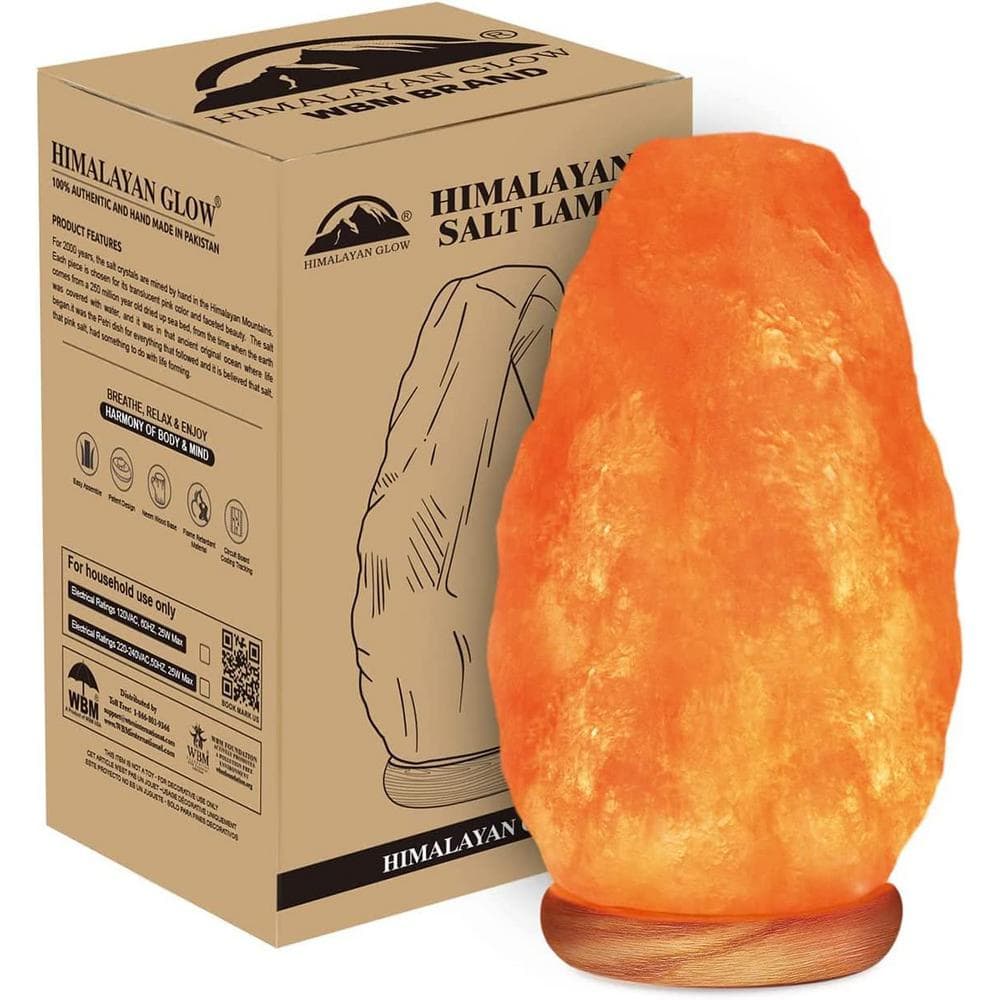
Credit: www.homedepot.com
How Himalayan Salt Lamps Work
Himalayan salt lamps are more than just decorative lights. They work through the unique features of salt and simple physics. Understanding how they work helps explain their calming glow and claimed health benefits.
Physical Properties Of Salt
Himalayan salt is a natural mineral. It contains many trace minerals giving it a pink color. Salt is also hygroscopic. This means it can attract water molecules from the air. The salt lamp’s surface holds this moisture. This property plays a key role in how the lamp functions.
Mechanism Of Light And Heat
The lamp has a bulb inside. When the bulb turns on, it produces light and heat. The heat warms the salt, causing it to release the absorbed moisture. This process is slow and steady. It creates a warm, soft glow that fills the room.
This gentle heat also helps reduce humidity near the lamp. Some believe it cleans the air by attracting dust and allergens. The warm light soothes the eyes and mind. It creates a peaceful and relaxing atmosphere.
Claims And Benefits
Himalayan salt lamps are popular for their supposed health benefits. Many people believe these lamps can improve air quality and boost mood. Some claims say salt lamps release negative ions that cleanse the air. Others suggest they help with better sleep and reduce stress. Let’s explore these ideas and see what science says.
Air Purification Myths
Salt lamps are said to clean the air by releasing negative ions. These ions are thought to remove dust and allergens. Yet, studies do not support these claims well. The lamps are small and do not produce enough ions to affect air quality. Real air purifiers use filters and fans to clean air effectively. Salt lamps might look nice, but they do not replace proper air purification tools.
Mood And Sleep Effects
Some users report feeling calmer and sleeping better near salt lamps. The soft, warm glow may create a relaxing atmosphere. This gentle light might help reduce stress before bedtime. However, there is no strong scientific proof linking salt lamps to improved mood or sleep. The effects are likely due to the lamp’s cozy light, not its salt content.
Scientific Evidence
Scientific evidence about Himalayan salt lamps is limited and mixed. Many claims exist, but few have strong proof. It is important to separate facts from myths. Understanding what science says helps us know if these lamps are truly helpful.
Research On Health Benefits
Studies on Himalayan salt lamps and health are few. Most research focuses on salt therapy, not lamps. Salt therapy may help breathing in some cases. But lamps produce very little salt particles. They are unlikely to affect air quality or health much.
Some people say lamps improve mood and sleep. Scientific proof for this is weak. Effects may come from soft light, not salt itself. Warm light can relax people and reduce stress. This helps explain why many enjoy these lamps.
Debunking Common Misconceptions
Many believe salt lamps clean the air. This idea lacks strong scientific support. Lamps do not release enough negative ions to purify air. Air purifiers and ventilators are better options.
Another myth is lamps cure diseases. There is no evidence for this. Salt lamps are decorative items, not medical devices. Trust doctors and science for health issues.
Potential Risks And Downsides
Himalayan salt lamps have gained popularity for their warm glow and supposed health benefits. Still, these lamps come with some risks and downsides. Understanding these issues helps you make a safer choice for your home.
Safety Concerns
Salt lamps often have electrical parts inside. Poor wiring or cheap bulbs can cause fires. The lamp’s surface may get hot after long use. This can burn skin or ignite flammable items nearby. Salt lamps also attract moisture. Water dripping from the lamp can damage furniture or cause slips. Some lamps may break or chip easily, creating sharp edges.
Environmental Impact
Mining Himalayan salt affects natural landscapes. Large-scale extraction harms local ecosystems and wildlife. Transporting heavy salt lamps adds to carbon emissions. Many lamps are not recyclable or biodegradable. This causes waste problems when lamps are discarded. Choosing lamps made with care can reduce environmental harm.
Credit: www.martinispa.com
Choosing And Caring For Your Lamp
Choosing and caring for your Himalayan salt lamp is important for its beauty and function. A good lamp lasts long and brings warmth to your space. Proper care keeps the salt from dissolving or losing its glow. This section helps you pick the best lamp and care for it well.
Selecting Quality Products
Choose a lamp made from pure Himalayan salt. Look for lamps with a natural pink or orange color. Avoid lamps with a white or chalky look. These may be less pure or mixed with other salts. Check the base. Wood or metal bases last longer and hold the lamp steady. Buy lamps with a good bulb and cord. This ensures safe and steady light. Pick the right size for your room. Small lamps work for desks, large ones for living rooms.
Maintenance Tips
Keep your lamp dry. Salt attracts moisture and can sweat or dissolve. Use a dry cloth to wipe it gently once a week. Turn on the lamp daily. The heat helps keep the salt dry. Switch it off if you leave home for a long time. Avoid placing the lamp near windows or humid areas. Store the lamp in a dry place if not in use. Check the bulb regularly and replace it if it burns out. Caring for your lamp keeps its soft glow and air-purifying benefits strong.
Alternatives To Himalayan Salt Lamps
Himalayan salt lamps are popular for their warm glow and claimed health benefits. Some people want similar effects but prefer other options. There are many alternatives that offer natural light or improve air quality. These choices fit different styles and needs.
Other Natural Lighting Options
Wood lamps create a soft, warm light like salt lamps. They give a cozy feeling to any room. Beeswax candles also provide natural, flickering light. They burn clean and add a pleasant scent. String lights made from natural materials bring gentle illumination. These options create calm and relaxing spaces without chemicals.
Effective Air Purifiers
Air purifiers help clean indoor air better than salt lamps. They remove dust, pollen, and smoke effectively. Some use HEPA filters to catch tiny particles. Others have activated carbon to reduce odors. Air purifiers improve air quality and help with allergies. These devices offer real benefits for people sensitive to poor air.

Credit: www.ebay.com
Frequently Asked Questions
What Is A Himalayan Salt Lamp Used For?
A Himalayan salt lamp is primarily used for decoration and ambient lighting. It also claims to improve air quality and mood by releasing negative ions when heated.
Are Himalayan Salt Lamps Good For Air Purification?
Yes, they may help reduce dust and allergens by attracting moisture. However, their air-purifying effects are mild and not scientifically proven.
How Does A Himalayan Salt Lamp Work?
The lamp heats the salt, which releases negative ions. These ions can neutralize pollutants and create a calming atmosphere.
Is A Himalayan Salt Lamp Safe To Use?
Yes, they are generally safe when used properly. Avoid placing lamps in damp areas to prevent salt corrosion and always use the correct wattage bulb.
Conclusion
Himalayan salt lamps offer a warm, calming glow to any room. Many believe they clean the air and boost mood. Though science is still unsure, they add a nice touch to home decor. They are easy to use and require little care.
Whether for light or style, they make a simple, natural choice. Try one and see how it fits your space. Simple, soothing, and natural—that’s the charm of a Himalayan salt lamp.