Choosing the right colour for your bedroom isn’t just about style—it affects how you feel every time you step inside. Imagine waking up in a space that instantly boosts your mood, helps you relax, and even improves your sleep.
Sounds amazing, right? But with so many colours to pick from, how do you know which one fits your personality and needs best? This guide will help you discover the perfect colour for your bedroom, making it your favorite place to unwind and recharge.
Ready to transform your space? Let’s dive in!
Choosing Calm Colours
Choosing calm colours for your bedroom creates a peaceful space. Calm colours help you relax and sleep better. They make the room feel quiet and soft. These colours reduce stress and bring a sense of calmness. Below are some great calm colour choices.
Soft Blues
Soft blues remind us of the sky and sea. They create a cool and fresh feeling. Blue slows down the heart rate and calms the mind. Use light blue on walls or bedding for a soothing effect. This colour works well with white or beige accents.
Gentle Greens
Gentle greens bring nature indoors. This colour feels fresh and restful. Green helps balance emotions and lowers anxiety. Choose pale or muted green shades for a calm vibe. Green pairs nicely with wood tones and soft creams.
Warm Neutrals
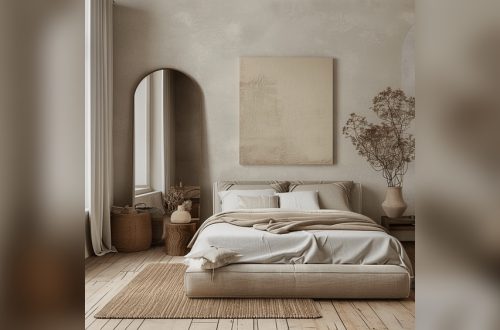
Warm neutrals include beige, taupe, and soft browns. These colours create a cozy and safe atmosphere. Warm neutrals make the room feel inviting and calm. Use them on walls, furniture, or rugs to add warmth. They blend well with almost any colour scheme.
:strip_icc()/WhalesTail-3473099bd2224e18adc7553f9cd5b09d.jpg)
Credit: www.bhg.com
Energizing Shades
Energizing shades bring life and energy to your bedroom. These colors boost your mood and keep you active. They work well if you want a lively and cheerful space. Choosing the right energizing color can make your room feel bright and fresh.
Vibrant Yellows
Yellow is the color of sunshine and happiness. It brightens any room and lifts your spirits. Use vibrant yellows to create a warm, inviting atmosphere. Yellow walls or accents make your bedroom feel cheerful and full of energy. This color sparks creativity and optimism.
Bold Reds
Red is a powerful and passionate color. It adds excitement and energy to your space. Bold reds can make your bedroom feel warm and intense. Use red for accent walls, pillows, or artwork. This color encourages action and confidence.
Rich Purples
Purple combines calm and energy in a unique way. Rich purples add depth and luxury to your room. They stimulate creativity and imagination. Use purple shades for a bedroom that feels vibrant yet relaxing. This color creates a strong, inspiring space.
Trendy Pastels
Trendy pastels bring a soft and calming vibe to any bedroom. These gentle colors create a peaceful space that feels fresh and inviting. They work well for all bedroom styles, from modern to classic. Choosing pastels means choosing light tones that brighten the room without overwhelming it.
Blush Pinks
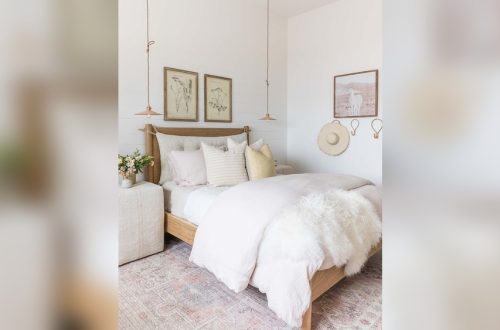
Blush pink is a warm and soothing color. It adds a touch of romance and comfort. This shade pairs well with white or gray furniture. Blush pink walls make the room feel cozy and friendly. Small decor pieces in this color also create a soft, elegant look.
Lavender Hues
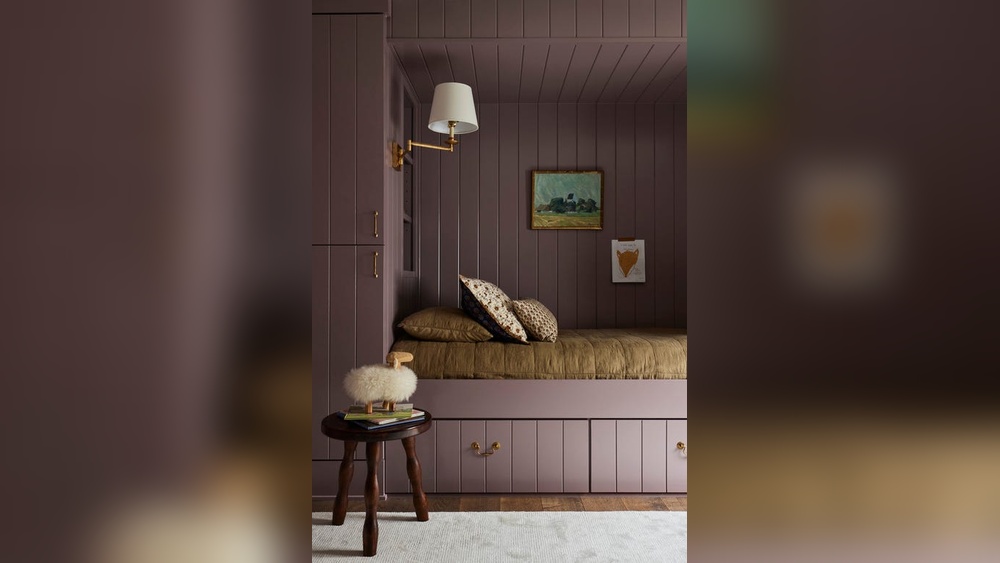
Lavender offers a cool and peaceful atmosphere. It helps reduce stress and promotes relaxation. This color looks great with natural wood or light gray tones. Lavender works well in bedrooms for better sleep. It adds a subtle charm without being too bright.
Mint Greens
Mint green feels fresh and clean in a bedroom. It creates a calm and refreshing space. This color matches well with white, beige, or pastel pink accents. Mint green helps bring nature indoors for a relaxing mood. It is perfect for a soft, modern bedroom look.

Credit: www.reddit.com
Dark And Moody Tones
Dark and moody tones bring a sense of calm and depth to a bedroom. These colors create a cozy space that feels private and restful. They work well for anyone who enjoys a quiet, relaxing atmosphere. Dark shades help reduce light and distractions, making it easier to sleep. They also add a touch of elegance and style.
Deep Charcoals
Deep charcoal is a versatile color. It pairs well with many other shades and textures. This dark gray tone adds sophistication without feeling too heavy. Charcoal walls create a sleek backdrop for bright or metallic accents. It also hides dirt and marks better than lighter colors. Use it to make your bedroom feel modern and calm.
Navy Blues
Navy blue is rich and timeless. It brings a peaceful feeling to the room. This color works well with white or light wood furniture. Navy helps reduce stress and promotes relaxation. It suits many styles, from classic to coastal. Navy walls make your bedroom feel like a quiet retreat.
Forest Greens
Forest green connects the room to nature. It feels fresh but still dark enough to be cozy. This shade is perfect for creating a restful, grounded space. Forest green looks great with natural materials like wood and linen. It gives your bedroom a calm and earthy vibe.
Mixing And Matching Colours
Mixing and matching colours in your bedroom can create a lively and personal space. It breaks the monotony of a single shade and adds character. Using different colours together allows you to express your style and mood. It also helps highlight certain areas and features in the room. Careful selection of colours can make your bedroom feel cozy and inviting.
Accent Walls
An accent wall uses a bold colour to stand out from the rest of the room. Choose one wall to paint in a striking shade. This adds depth and focus without overwhelming the space. Dark blues, rich greens, or warm terracotta work well. Keep other walls neutral to balance the look. An accent wall can transform a plain bedroom into a stylish retreat.
Complementary Combos
Complementary colours sit opposite each other on the colour wheel. Pairing them creates a vibrant and balanced effect. Examples include blue and orange or yellow and purple. Use one colour for walls and the other for furniture or decor. This contrast makes each colour pop while keeping harmony. Small touches like cushions or rugs bring these combos together nicely.
Layered Textures
Mixing colours with different textures adds richness to your bedroom. Combine soft fabrics, smooth surfaces, and rough materials. A velvet cushion, wooden furniture, and a cotton throw create layers of interest. Textures help colours look more dynamic and inviting. They also add comfort and style without needing more colours. This approach keeps the room warm and welcoming.

Credit: www.reddit.com
Colour Psychology In Bedrooms
Choosing the right colour for your bedroom is more than a style choice. Colour affects how you feel and behave. Colour psychology studies how colours influence mood and mind. Bedrooms need colours that help you relax and rest well. Understanding colour psychology helps you pick tones that improve your sleep and mood.
Impact On Sleep
Colours can affect your sleep quality. Soft, cool colours like blue and green create calm surroundings. These colours slow your heart rate and lower blood pressure. Warm colours like red or orange can make you feel awake. They may cause difficulty falling asleep. Choose gentle shades to help your body prepare for rest.
Mood Enhancement
Colours influence emotions and feelings. Light colours such as pastel pink, lavender, and soft yellow brighten your mood. They create a happy and positive space. Darker colours like deep blue or gray can make the room cozy. Use colours that make you feel safe and comfortable. Your bedroom should uplift your spirit every day.
Stress Reduction
Stress affects sleep and health. Calm colours reduce tension and anxiety. Shades of green remind us of nature and peace. Blue tones promote relaxation and clear thinking. Avoid harsh, bright colours that may increase stress. Pick soothing colours to create a peaceful retreat from daily worries.
Lighting And Colour Interaction
Lighting plays a big role in how colour looks in your bedroom. The same paint can appear different depending on light. Understanding how light and colour work together helps you pick the best shade.
Natural Light Effects
Natural light changes throughout the day. Morning light is soft and warm. Afternoon sun is bright and cool. North-facing rooms get less direct light, so colours look duller there. South-facing rooms get more sunlight, making colours appear warmer and brighter.
Choose lighter colours for rooms with little natural light. They help make the space feel open and airy. Dark colours can make a room look smaller and closed in when light is low.
Artificial Lighting Tips
Artificial lights affect colour differently. Warm lights, like yellow bulbs, make colours look cozy and soft. Cool lights, such as white or blue bulbs, make colours look sharper and more vivid.
Use dimmable lights to change the mood. Bright lights suit active spaces. Soft lights create calm and relaxation. Match your paint colour with the light type for the best effect.
Colour Reflection
Colours reflect light and change nearby shades. A bright wall can brighten a dark corner. Dark colours absorb light, making the room feel smaller.
Think about how your chosen colour bounces light. Reflective surfaces like mirrors or glossy paint increase light. Matte finishes absorb light and reduce shine.
Incorporating Personal Style
Choosing the right bedroom color means showing who you are. Your bedroom should feel like your space. It must reflect your personality and taste. Colors can make a room calm, bright, or cozy. Picking colors that match your style makes the room truly yours. Here are some popular styles and color ideas to fit your personal taste.
Minimalist Palettes
Minimalist style is simple and clean. Use soft colors like white, gray, and beige. These colors create calm and peace in the room. Keep color use low to avoid clutter. Add small touches of black or navy for depth. This style suits people who want a neat, quiet space.
Bohemian Vibes
Bohemian style is free and colorful. Use warm colors like orange, red, and yellow. Mix with green or turquoise for a lively look. Patterns and textures add fun to the space. This style suits those who love creativity and adventure. Bright colors make the room feel warm and happy.
Classic Elegance
Classic style uses rich, timeless colors. Think deep blues, soft golds, and creamy whites. These colors bring a sense of luxury and calm. Use elegant fabrics and simple patterns to match. This style suits people who want a peaceful and stylish space. It feels welcoming and refined.
Frequently Asked Questions
What Colour Creates A Relaxing Bedroom Atmosphere?
Soft blues and greens create a calming vibe in bedrooms. These hues promote relaxation and help reduce stress, making them ideal for restful sleep. Light pastel shades also keep the room bright while maintaining a peaceful environment.
How Do Bedroom Colours Affect Sleep Quality?
Cool colours like blue and lavender improve sleep by calming the mind. Warm colours may energize, so they’re less ideal for bedrooms. Choosing soothing tones helps regulate your sleep cycle and enhances overall restfulness.
Which Colours Make Small Bedrooms Appear Larger?
Light colours such as whites, creams, and pale grays open up small spaces. They reflect more light, creating an airy and spacious feel. Avoid dark, heavy colours as they can make rooms feel cramped and smaller.
Can Bold Colours Work In Bedroom Décor?
Yes, bold colours can add personality and warmth when balanced well. Use them as accent walls or in décor items to avoid overwhelming the space. Pair bold hues with neutral tones for a harmonious look.
Conclusion
Choosing the right bedroom color sets the room’s mood. Soft shades bring calm and rest. Bright colors add energy and cheer. Think about your feelings and daily habits. Try samples on your wall first. Let your personality guide your choice.
A well-chosen color makes your bedroom feel like home. Take your time and enjoy the process. Your perfect bedroom color is waiting for you.