Have you ever wondered what the very first artificial Christmas trees were made of? You might think they were always the soft, green, plastic ones you see today, but their origins are quite surprising.
Discovering what materials were used long ago can change the way you see this holiday tradition. If you want to impress your friends with some fascinating Christmas tree history or just satisfy your curiosity, keep reading—you’re about to uncover a story full of creativity and unexpected twists.
Credit: bethcollier.substack.com
Early Christmas Tree Traditions
Christmas trees have been part of holiday celebrations for centuries. At first, people used real trees from forests. They decorated them with candles, fruits, and sweets. These trees brought warmth and joy during cold winter days.
As time passed, more families wanted a tree in their homes. The demand for fresh trees grew every year. This need led to new ideas and solutions for Christmas decorations.
Natural Trees And Their Challenges
Using natural trees had its problems. Trees could dry out quickly and drop needles. This made homes messy and sometimes unsafe. Candles on dry branches caused fires. People had to be very careful.
Finding a fresh tree was not always easy. In cities, trees were scarce and expensive. Transporting them was difficult in winter weather. These challenges made people think about other options.
Growing Popularity Of Christmas Trees
Christmas trees became more popular in the 19th century. More homes wanted a festive tree. Stores started selling decorations and lights. This helped spread the tradition widely.
To meet demand, people created artificial trees. Early versions used materials like dyed goose feathers. These trees looked like real ones but lasted longer. They were safer and reusable, helping many families enjoy Christmas trees.

Credit: www.threads.com
Origins Of Artificial Christmas Trees
Artificial Christmas trees have a long history. They were created as a way to enjoy Christmas greenery without cutting real trees. Early inventors wanted to make trees that looked like real firs. These trees helped people celebrate the holiday inside their homes. The story of these trees begins in the 19th century.
People wanted trees that lasted longer and were cleaner than natural ones. This need led to the creation of the first imitation Christmas trees. These trees were simple but served their purpose well. The materials and ideas used in these first trees are interesting to explore.
The Birth Of Imitation Trees
The first artificial Christmas trees appeared in Germany in the 1800s. German craftsmen made them to replace real trees. They wanted to avoid the mess and fire risk of natural trees. These early trees were hand-crafted and designed to look like pine branches. They quickly gained popularity in homes and shops.
Materials Used In The First Designs
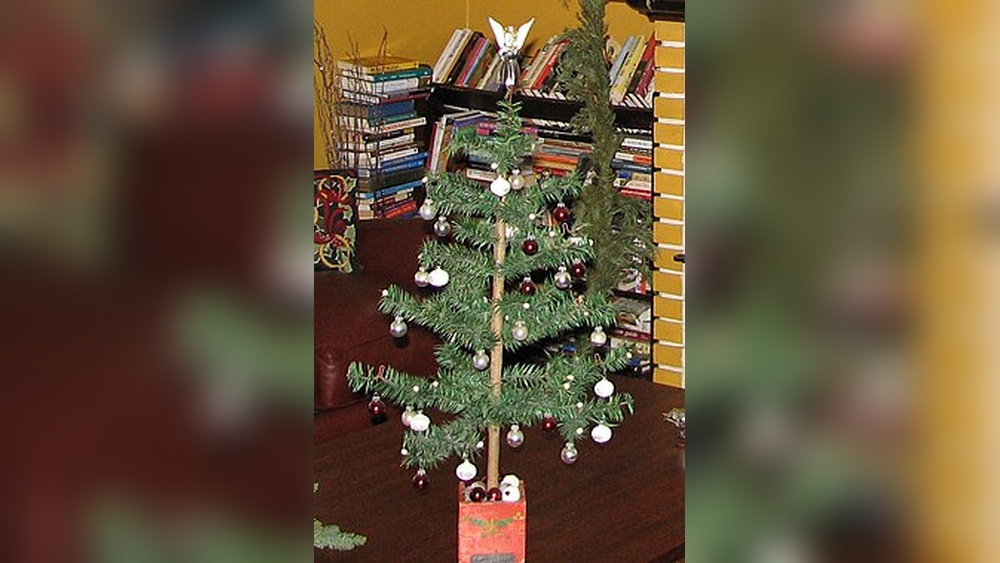
Early artificial trees used materials like goose feathers. The feathers were dyed green to mimic pine needles. These feathers were attached to wire branches. Some trees also used wood and metal parts for support. The use of feathers gave the trees a soft, natural look. These simple materials made the first trees affordable and reusable.
Feather Trees: The First Artificial Models
Feather trees were the earliest artificial Christmas trees. They appeared in the late 19th century. These trees offered a new way to celebrate the holiday without real pine needles. They quickly became popular in homes that wanted a cleaner, reusable option.
The trees had a unique look. They were made from natural materials. This gave them a soft and delicate appearance. Many families enjoyed their beauty and convenience.
Use Of Goose Feathers
Goose feathers formed the main material of feather trees. The feathers came from the wings of geese. They were dyed green to mimic pine needles. The soft texture made the trees look realistic and natural.
These feathers were easy to shape and arrange. Their light weight helped keep the tree balanced. This made assembling the tree simple for users.
Crafting Techniques And Appearance
Craftsmen attached the feathers to wire branches. The branches were thin and flexible. They allowed for shaping the tree’s form. The wire was often painted green to hide it.
The finished trees had a full, bushy look. The feather tips resembled pine needles closely. This gave the tree a soft, elegant style. Feather trees were smaller than natural trees but still festive.
Other Early Materials And Variations
Early artificial Christmas trees came in many forms. Different materials and styles were used to mimic real trees. These variations show how creativity and technology shaped holiday decorations over time.
Brush Trees And Their Construction
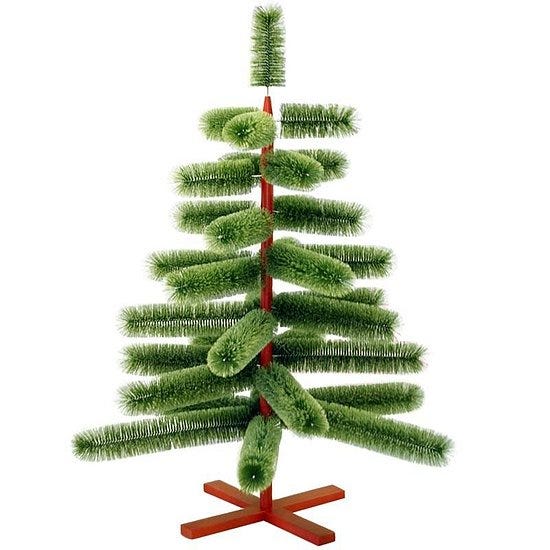
Brush trees appeared in the late 19th century. They used small wire branches with bristles made from dyed animal hair or plant fibers. The branches were attached to a central wooden dowel. This design gave the tree a fuller, bushy look. The bristles were often green or white to imitate snow-covered pine needles. Brush trees were lightweight and reusable. Families enjoyed them as a clean, safe alternative to real trees.
Metal And Plastic Innovations
Metal trees emerged in the mid-20th century. Thin metal rods formed the branches, shaped to look like pine needles. Some metal trees had painted tips to add color. These trees were sturdy and lasted many years. Later, plastic became popular for artificial trees. Plastic allowed for more realistic shapes and colors. It also made trees easier to clean and store. Plastic trees could include built-in lights or decorations. This innovation made holiday decorating faster and simpler.
Reasons Behind Artificial Tree Creation
The creation of the first artificial Christmas trees answered many practical needs. People wanted a safe and long-lasting alternative to real trees. Real trees could cause allergies and posed safety risks. Also, they could be costly and wasteful after the holidays. These reasons led to the invention of artificial trees made from various materials.
Allergy And Safety Concerns
Many people suffer from allergies caused by pine needles and tree sap. Real trees often trigger sneezing, itchy eyes, and skin irritation. Artificial trees helped reduce these allergy problems. They also lowered fire risks. Dry real trees can catch fire easily. Early artificial trees used metal and other fire-resistant materials. This made homes safer during the festive season.
Environmental And Practical Factors
Cutting down many trees for Christmas raised environmental concerns. Artificial trees offered a reusable option that reduced tree waste. They saved money over time because they could be used year after year. Early models used materials like metal and feather branches. These materials lasted longer than real trees. They also needed less care and water. This made Christmas decorating easier for many families.
Evolution Into Modern Artificial Trees
The first artificial Christmas trees were simple and made from natural materials. Over time, they changed a lot. These changes made trees safer, greener, and easier to use. The evolution shows how people wanted a better way to enjoy Christmas every year.
Modern artificial trees look real and last many years. They come in many shapes, sizes, and colors. This evolution is a story of new ideas and better materials that meet holiday needs.
Changes In Materials Over Time
Early artificial trees used feathers dyed green. These were popular in the late 1800s. Later, people made trees with brush bristles from animals. These looked fuller and more like real pine.
In the 1950s, plastic became the main material. Plastic trees are light and can be shaped easily. This made trees more affordable and safer to use. Today, PVC and other plastics create very lifelike branches.
Technological Advances And Popularity
Technology helped make artificial trees better. Lighting was added inside trees to avoid fire risks. Some trees now come pre-lit with LED lights. These lights save energy and last longer.
More people choose artificial trees because they are reusable. They need no watering and do not shed needles. The ease and safety helped them grow popular worldwide. Technology keeps improving their look and function every year.

Credit: en.wikipedia.org
Frequently Asked Questions
What Materials Were Used In The First Artificial Christmas Trees?
The first artificial Christmas trees were made primarily from goose feathers. These feathers were dyed green to resemble pine needles. The trees often had wire branches to hold the feathers. This design mimicked natural trees while offering a reusable holiday decoration.
When Were The First Artificial Christmas Trees Created?
The first artificial Christmas trees appeared in the late 19th century, around the 1880s. They were developed in Germany as a safer alternative to real trees. These early trees helped reduce fire risks linked to dried-out natural trees during the holidays.
Why Were Goose Feathers Chosen For Early Artificial Trees?
Goose feathers were chosen because they were lightweight and easy to dye. Their natural shape closely resembled pine needles. This made the trees look more realistic compared to other materials available at the time. The feathers also allowed flexible branch arrangements.
How Did Early Artificial Trees Impact Holiday Traditions?
Early artificial trees allowed families to reuse decorations yearly, saving money. They reduced fire hazards from dry, real trees. These trees also enabled decorating homes without access to fresh evergreens. This innovation helped popularize Christmas tree traditions worldwide.
Conclusion
Early artificial Christmas trees were made from green-dyed feathers. These feathers were attached to wire branches. This design helped mimic real pine trees. People wanted a reusable and safer tree option. Over time, materials changed to plastics and other synthetics.
These early trees started a new holiday tradition. They show how creativity meets celebration. Old designs remind us of holiday history. Today’s trees owe much to those first ideas. Understanding this history adds charm to Christmas decor. It connects past and present holiday joys.