Have you ever noticed your pendant lights flickering when you dim them? It’s frustrating and can make your cozy space feel less inviting.
You might wonder, “Why do my pendant lights flicker on a dimmer switch? ” The good news is, this common problem usually has simple causes and easy fixes. You’ll discover what’s behind the flickering and how you can enjoy smooth, steady lighting every time you adjust your dimmer.
Keep reading—you’re about to take the mystery out of your flickering lights for good.
Credit: www.snellheatingandair.com
Common Causes Of Flickering
Pendant lights flickering on a dimmer switch is a common issue. It can be frustrating and confusing. Several factors cause this flickering. Understanding these causes helps in finding the right fix.
Incompatible Bulbs
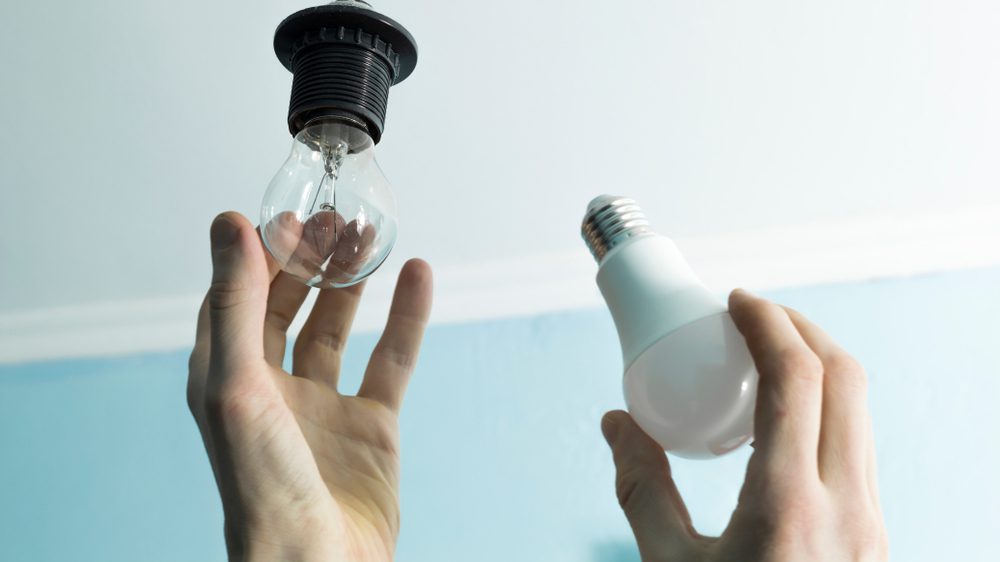
Not all bulbs work well with dimmer switches. Some bulbs need specific dimmer types. Using incompatible bulbs often causes flickering. Check the bulb packaging for dimmer compatibility. Switching to compatible bulbs usually stops the flicker.
Faulty Dimmer Switch
A damaged dimmer switch may cause flickering. The internal parts wear out over time. A faulty switch cannot regulate power correctly. Replacing the dimmer switch often solves the problem. Choose a high-quality switch for better performance.
Loose Wiring Connections
Loose wires create unstable power flow. This instability causes flickering lights. Check connections in the switch and light fixture. Tighten any loose wires carefully. Proper wiring ensures steady light and safety.
Voltage Fluctuations
Voltage changes in the electrical system can affect lights. High or low voltage causes flickering. Appliances turning on and off can cause these changes. Using a voltage stabilizer helps maintain steady power. Consult an electrician for serious voltage issues.
Overloaded Circuits
Too many devices on one circuit cause overload. Overloaded circuits struggle to supply enough power. This strain causes lights to flicker or dim. Reduce the load by moving devices to other circuits. Balanced circuits provide steady, flicker-free lighting.

Credit: sunsolarelectrical.ca
Types Of Bulbs And Their Impact
Different types of bulbs react differently to dimmer switches. The kind of bulb you use affects flickering issues. Understanding each bulb type helps you choose the right one for your dimmer.
Incandescent Bulbs
Incandescent bulbs work well with most dimmers. They dim smoothly without flickering. These bulbs use a filament that heats up to produce light. Their simple design makes them less likely to flicker on dimmers. They are a good choice for traditional lighting.
Led Bulbs
LED bulbs use less energy and last longer. Some LEDs flicker on dimmer switches. This happens because many dimmers are made for incandescent bulbs. LEDs need compatible dimmers to avoid flickering. Choosing LED bulbs labeled as “dimmable” reduces flicker risks.
Cfl Bulbs
CFL bulbs are energy-saving but can cause flicker. They use a small electronic ballast inside. Many CFLs do not work well with dimmers. Using CFLs without dimmer compatibility can cause flickering and buzzing. Select dimmable CFLs for better performance with dimmer switches.
How Dimmer Switches Work
Dimmer switches control the brightness of your pendant lights. They do this by adjusting the amount of electricity flowing to the bulb. This change in power level helps create the right mood in any room. Understanding how dimmer switches work can help you fix flickering lights.
Different types of dimmers work in different ways. The two main types are leading edge and trailing edge dimmers. Each has its own method of controlling the light’s power.
Leading Edge Vs. Trailing Edge Dimmers
Leading edge dimmers cut power at the start of each electrical cycle. They are older and usually work well with incandescent bulbs. These dimmers can cause flickering with LED or low voltage lights.
Trailing edge dimmers cut power at the end of each cycle. They are newer and designed for sensitive bulbs like LEDs. These dimmers provide smoother dimming and less flicker.
Dimming Technology And Compatibility
Dimmer switches use different technology based on bulb type. Traditional bulbs need simple dimmers. LED and smart bulbs require advanced dimmers to avoid flicker.
Check the dimmer’s compatibility with your bulb type. Using the wrong dimmer causes flickering and buzzing sounds. Matching dimmers and bulbs ensures steady light and smooth dimming.
Troubleshooting Flickering Pendant Lights
Flickering pendant lights can be frustrating. This issue often happens with dimmer switches. Troubleshooting helps find the cause quickly. It saves time and money. Here are simple steps to diagnose flickering pendant lights.
Checking Bulb Compatibility
Not all bulbs work well with dimmers. LED and CFL bulbs may need special dimmers. Using the wrong bulb type causes flickering. Check the bulb label for dimmer compatibility. Replace bulbs with those made for dimmers.
Inspecting Wiring And Connections
Loose or damaged wiring can cause flickers. Turn off power before inspecting wires. Look for loose screws or disconnected wires. Tighten connections and fix damaged wires. Poor wiring can create unstable light flow.
Testing The Dimmer Switch
Dimmer switches can wear out over time. Test the switch by replacing it with a regular switch. If flickering stops, the dimmer is faulty. Choose a dimmer that matches your bulb type. Some dimmers only work with specific bulbs.
Measuring Voltage Stability
Voltage changes can cause light flicker. Use a voltage tester to check power stability. Unstable voltage may need an electrician’s help. Proper voltage keeps lights steady and bright. Fixing power issues improves overall lighting performance.
Solutions To Fix Flickering
Flickering pendant lights on a dimmer switch can be annoying. It affects the room’s comfort and your mood. Fixing this issue is often simple and does not require a professional. Many solutions focus on matching the right parts and checking connections.
Here are practical ways to stop flickering and enjoy steady lighting.
Replacing Bulbs With Compatible Types
Not all bulbs work well with dimmer switches. Some bulbs flicker because they are not designed for dimming. Choose bulbs labeled as “dimmable” to avoid this problem. LED bulbs need special dimmable versions too. Using the right bulb type ensures smooth light changes without flicker.
Upgrading To Compatible Dimmer Switches
Older dimmer switches may not support modern bulbs. New dimmers are made for LED and energy-saving bulbs. Installing a compatible dimmer reduces flicker and improves performance. Check the dimmer’s specifications before buying. A proper match between bulb and dimmer is key to steady light.
Securing Loose Wiring
Loose or faulty wiring can cause flickering lights. Turn off power before inspecting wires. Tighten any loose connections at the switch and light fixture. Damaged wires should be replaced by a professional. Secure wiring keeps the electrical flow steady and prevents flicker.
Balancing Electrical Load
Too many lights or devices on one circuit cause flicker. Spread out electrical load to avoid overload. Remove or reduce devices sharing the same circuit with your pendant lights. A balanced load keeps voltage stable and lights steady. This simple step often fixes flickering problems.

Credit: www.youtube.com
Preventive Measures
Preventing flickering in pendant lights on a dimmer switch saves time and frustration. Taking steps early avoids frequent problems and costly repairs. Simple actions keep your lighting steady and bright.
Choosing The Right Dimmer And Bulb Pair
Select dimmers made for the bulb type you have. LED bulbs need compatible dimmers to avoid flicker. Using mismatched pairs causes unstable light and damage. Check packaging or product details before buying.
Regular Electrical Maintenance
Inspect wires and connections often to spot wear or loose parts. Tighten any loose screws in switches and fixtures. Old or damaged wiring can cause flickering and safety risks. Schedule a professional checkup every few years.
Using Quality Fixtures And Components
Buy fixtures and parts from trusted brands. Cheap components may not work well with dimmers. High-quality items offer better durability and performance. Investing in good products reduces flicker and extends light life.
Frequently Asked Questions
Why Do Pendant Lights Flicker On Dimmer Switches?
Pendant lights flicker due to incompatible bulbs, faulty dimmers, or wiring issues. LED bulbs often require specific dimmers to function properly. Checking bulb compatibility and ensuring correct wiring can stop flickering and improve light performance.
Can Led Bulbs Cause Flickering On Dimmer Switches?
Yes, LED bulbs can flicker if not compatible with the dimmer switch. Using dimmers designed for LEDs helps prevent flickering and extends bulb life. Always check product specifications for compatibility before installation.
How To Fix Flickering Pendant Lights On Dimmers?
To fix flickering, replace incompatible bulbs with dimmable ones. Upgrade to a compatible dimmer switch if needed. Inspect wiring connections for looseness or damage. Proper maintenance ensures stable light performance and reduces flickering.
Does Wiring Affect Pendant Light Flickering On Dimmers?
Yes, loose or damaged wiring can cause flickering in pendant lights. Secure wiring connections and inspect for faults. Proper wiring ensures stable electrical flow, reducing flickering and improving dimmer switch performance.
Conclusion
Flickering pendant lights on a dimmer switch can be frustrating. Often, the cause is a mismatch between the bulb and dimmer type. Using the right dimmer and compatible bulbs helps fix the issue. Wiring problems or loose connections may also cause flickering.
Checking these steps can save time and money. Bright, steady lighting improves your room’s look and feel. Now, you know why your pendant lights flicker and how to stop it. Simple fixes make a big difference in your home lighting.