Have you ever wondered when the first artificial Christmas tree came to life? If you love decorating your home for the holidays, knowing the story behind these trees can make your celebrations even more special.
Imagine the moment someone decided to create a tree that lasts year after year—changing the way we celebrate Christmas forever. You’ll discover the surprising year the first artificial Christmas tree was made and how it transformed holiday traditions. Keep reading to uncover this fascinating piece of Christmas history that might just change how you see your own tree this season.

Credit: en.wikipedia.org
Origins Of Artificial Christmas Trees
The tradition of decorating homes for Christmas has a long history. People have always sought ways to bring festive cheer indoors during winter. The use of real pine trees became common in many countries. But real trees had some problems. They could dry out, drop needles, and start fires. This led to a search for better options. The idea of artificial Christmas trees was born from this need. These trees offered a safer and reusable alternative for holiday decorating.
The first artificial Christmas trees appeared in the 19th century. They were created to mimic the look of real pine trees. Early versions were simple but effective. Over time, materials and designs improved. This helped artificial trees gain popularity. Understanding the origins helps us see why these trees became a holiday staple.
Early Holiday Decorations
Before artificial trees, people used natural decorations. Evergreen branches and wreaths were common. Some households decorated with fruit, nuts, and candles. Pine trees became central in Christmas celebrations by the 1800s. They symbolized life during cold months. The first Christmas trees were real and cut fresh each year. Decorations were handmade and modest. This tradition spread from Germany to other countries. It grew in popularity due to its beauty and meaning.
Need For Alternatives
Real trees had drawbacks that caused concern. They could catch fire from candles or lights. Needles dropped and created messes in homes. Some areas had limited tree supplies. This made real trees expensive and hard to find. People wanted safer, cleaner options. Inventors began making artificial trees. Early models used feathers or other materials dyed green. These trees could be reused for many years. They reduced fire risk and cleanup. The need for alternatives helped artificial trees become popular.
The First Artificial Christmas Tree
The first artificial Christmas tree was created over a century ago. It was made to offer a reusable option for holiday decorations. People wanted a tree that could last longer than real pine trees. The idea quickly became popular in many homes.
This early invention helped shape the tradition of Christmas trees. It provided a new way to celebrate while protecting real forests. The story of its creation is both simple and interesting.
Year Of Creation
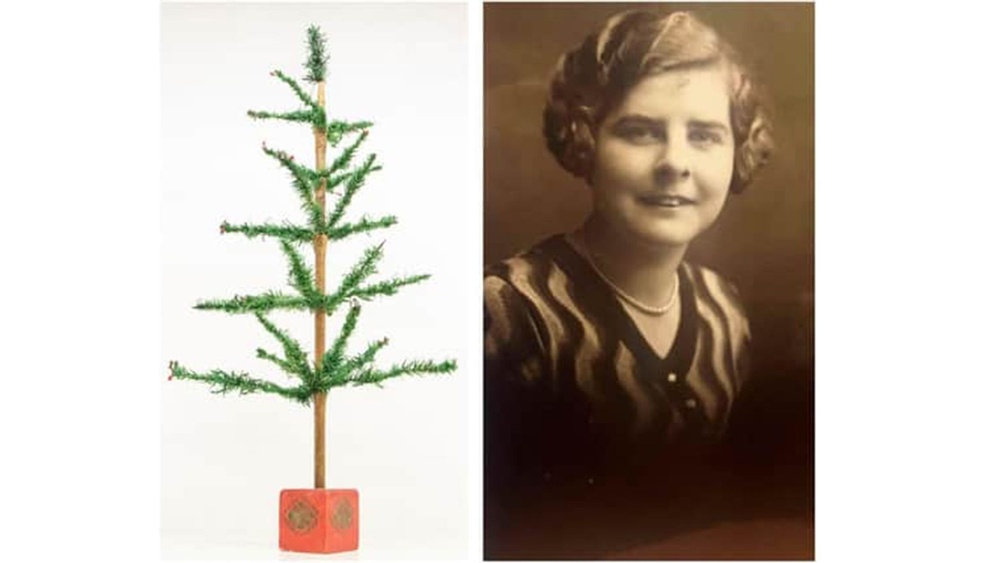
The first artificial Christmas tree was made in the 1880s. This was a time when factories and new materials were growing fast. The exact year is often said to be 1880, marking the start of a new holiday trend.
Materials Used
The first trees were made from goose feathers. These feathers were dyed green to look like pine needles. The feathers were attached to wire branches to form the tree shape. This made the trees light and easy to shape.
Inventor And Location
The artificial tree was invented by Germans. They lived in Pennsylvania, United States. Many German immigrants wanted to keep their Christmas customs. Their creativity led to making this early artificial tree.
Evolution Of Artificial Trees
The evolution of artificial Christmas trees shows how designs and materials changed over time. It started with simple ideas and moved to more realistic and safe options. Each step made these trees easier to use and more popular in homes. The changes reflect new technology and different tastes through the years.
Design Changes Over Time
Early artificial trees looked very basic. They were often made from feathers or brush materials. People painted them green to look like real trees. Later, designs became fuller and more lifelike. Branches got softer and more flexible. This made decorating easier and gave a natural look. Over time, trees also grew taller and wider to fit more spaces.
Introduction Of New Materials
At first, trees used feathers, wood, or metal wire. Plastic replaced these materials in the mid-1900s. Plastic made trees lighter and safer. It also allowed for more color options. New materials like PVC became popular for their durability. These materials do not shed needles like real trees. They help keep homes clean during the holidays.
Impact Of Technology
Technology improved artificial trees in many ways. Machines now cut plastic into shapes that look like pine needles. Some trees have built-in lights, saving time on setup. Others use LED lights to save energy. Technology also created easy-to-assemble designs. This helps people set up trees quickly and store them compactly after use.
:max_bytes(150000):strip_icc()/historical-christmas-tree-1926-getty-1219-2000-2b9a023909134ff0a8bf987c54837520.jpg)
Credit: www.marthastewart.com
Cultural Impact And Popularity
The first artificial Christmas tree made a mark beyond just decoration. It changed how people celebrate the holiday. Its cultural impact grew as more families chose it over natural trees. The popularity of these trees spread quickly, affecting traditions worldwide.
Adoption In Different Countries
Artificial Christmas trees first appeared in Germany in the 19th century. Their use soon spread to the United States and the UK. Different countries adapted the trees to fit local customs. In Japan and Australia, people embraced them for convenience. Today, many nations use artificial trees as a holiday staple.
Environmental Considerations
Artificial trees raised questions about environmental impact. Some view them as eco-friendly because they are reusable. Others worry about the plastic and chemicals used in making them. The debate continues on which option is better for the planet. Buyers often weigh these factors before choosing a tree.
Modern Trends
Today’s artificial Christmas trees come in many styles and sizes. Some mimic real trees closely with detailed needles. Others feature unique colors like white, pink, or blue. LED lights and smart features add new appeal. Trends show a mix of tradition and innovation in holiday decor.

Credit: en.wikipedia.org
Frequently Asked Questions
When Was The First Artificial Christmas Tree Invented?
The first artificial Christmas tree was made in the late 19th century, around the 1880s. It was designed in Germany using dyed green goose feathers to mimic real pine needles.
Who Created The First Artificial Christmas Tree?
The first artificial Christmas tree was created by German craftsmen. They used goose feathers dyed green to replicate the look of natural pine branches.
Why Were Artificial Christmas Trees Invented?
Artificial Christmas trees were invented to provide a reusable, fire-resistant alternative to real trees. They helped reduce the risk of fire and saved money over time.
How Did Early Artificial Christmas Trees Differ From Modern Ones?
Early artificial trees used dyed goose feathers attached to wire branches. Modern trees use PVC or other synthetic materials for a more realistic and durable appearance.
Conclusion
The first artificial Christmas tree was made in the late 19th century. It started as a simple idea to bring holiday cheer without cutting real trees. Today, artificial trees come in many styles and sizes. They offer convenience and reuse year after year.
Knowing their history helps us appreciate this holiday tradition more. Whether real or fake, Christmas trees bring joy to many homes. This story shows how creative ideas can last for decades. The artificial tree remains a popular choice for many families worldwide.