Decorating your artificial Christmas tree with lights can transform your home into a warm, festive wonderland. But if you’ve ever struggled with tangled wires or uneven lighting, you know it’s not always easy to get that perfect glow.
What if you could make your tree shine brighter and more evenly with simple, proven tips? In this guide, you’ll discover exactly how to put Christmas lights on your artificial tree like a pro—no frustration, just beautiful results. Ready to make your tree the star of the season?
Keep reading, and let’s light it up together!

Credit: www.elledecor.com
Choosing The Right Lights
Choosing the right lights for your artificial Christmas tree makes a big difference. The right lights bring your tree to life with a warm, festive glow. Picking lights involves looking at their type, color, brightness, and safety. This guide helps you find the best lights for a beautiful, safe tree.
Types Of Christmas Lights
There are many types of Christmas lights. Mini string lights are small and classic. They wrap easily around branches and look neat. LED lights use less power and last longer. Fairy lights are tiny and delicate, perfect for a soft look. Net lights cover wide areas fast. Choose lights that fit your tree size and style.
Color And Brightness Options
Lights come in many colors. White lights offer a clean, elegant look. Multicolor lights add fun and cheer. Brightness varies from soft to very bright. Soft lights create a cozy mood. Bright lights make your tree stand out more. Pick colors and brightness that match your room and taste.
Energy Efficiency And Safety
Energy-efficient lights save electricity and cost less to run. LED lights use less energy than old bulbs. Cooler bulbs reduce fire risks near plastic branches. Check for lights with safety certifications. Avoid cheap lights that may overheat. Safety means peace of mind during your holiday season.
Preparing The Tree
Preparing your artificial Christmas tree is the first step to a bright and beautiful display. Proper preparation makes it easier to add lights and decorations. It also helps your tree look full and natural. Follow these simple steps to get your tree ready.
Setting Up The Tree Frame
Start by placing the tree stand on a flat surface. Secure the tree trunk firmly in the stand. Make sure it stands straight and stable. This prevents the tree from tipping over later. Spread the tree sections in order, from bottom to top. Attach each section carefully, checking that they fit tightly.
Fluffing The Branches
Use your hands to pull apart each branch. Separate the needles to create volume. Fluff the branches from the base to the tips. This step makes the tree look thicker and more natural. Take your time with this. Well-fluffed branches help lights sit better and shine through.
Checking For Damages
Inspect the tree for any broken or bent branches. Look closely at the tips and joints. Replace or fix damaged parts if possible. Check the tree stand for cracks or loose screws. A safe and sturdy tree frame is important. Fixing problems now saves time and trouble later.
Planning Your Lighting Design
Planning your lighting design is an important step before putting lights on your artificial Christmas tree. It helps create a beautiful and balanced look. This planning saves time and avoids problems later. Start by thinking about where the lights should go, how many you need, and what style fits your taste. Take your time to make a clear plan.
Deciding On Light Placement
Think about which parts of the tree should shine the most. Lights near the center create a warm glow. Wrapping lights around branches gives a full look. You can also highlight the tips for a twinkling effect. Decide if you want even coverage or focus on certain areas. This choice affects the tree’s mood and brightness.
Measuring Light Length
Measure your tree’s height and width first. This helps estimate how many lights you need. Usually, 100 lights per foot of tree height works well. Add more if you want extra sparkle. Measure string lights before buying or using them. Cutting or adding lights can be tricky, so plan carefully.
Selecting A Lighting Pattern
Choose a pattern that matches your style. Wrap lights tightly for a neat look. Zigzag them for a casual feel. Spiral wrapping adds depth and shine. You may also drape lights loosely for a soft glow. Test different patterns on a small branch. Pick the one that looks best and suits your tree.
Wrapping Lights Around The Tree
Wrapping lights around an artificial tree creates a warm and festive glow. It highlights the tree’s shape and brings magic to any room. The key is to wrap the lights evenly and securely for the best look.
Start at the bottom and work your way up. This method helps keep the lights organized and makes sure the entire tree shines brightly. Attach the lights carefully to avoid loose strands or dark spots.
Starting From The Bottom
Begin wrapping the lights at the base of the tree. Plug in the lights before wrapping to check they all work. Lay the light strand along the bottom branches. This gives a solid foundation for the lights. It also prevents tangling as you move up the tree.
Working Upward Evenly
Move slowly upward while wrapping the lights. Space the lights evenly around each branch. Keep the light cord close to the tree trunk. This hides the wires and creates a neat look. Check the lights from different angles to spot dark areas.
Securing Lights On Branches
Use small clips or twist ties to hold the lights. Attach them gently to avoid damaging the branches. Secure lights at the branch base and tips. This stops the lights from slipping or falling. Make sure the lights are tight but not too tight.
Troubleshooting Common Issues
Troubleshooting common issues helps keep your Christmas lights shining bright. Small problems can stop your tree from looking perfect. Fixing these issues quickly saves time and frustration. Let’s explore simple ways to solve usual lighting problems on your artificial tree.
Dealing With Flickering Lights
Flickering lights often mean a loose connection or bad bulb. First, check the plug and sockets for firm contact. Replace any damaged bulbs with the right size and type. Clean bulb contacts gently to remove dust or dirt. Try plugging the lights into a different outlet to test power supply.
Fixing Loose Bulbs
Loose bulbs can cause dark spots or flicker on the tree. Turn off the lights before touching bulbs. Push each loose bulb firmly into its socket. If the bulb still feels loose, swap it with a new one. Use bulbs made for your light set to avoid fitting issues.
Managing Overlapping Wires
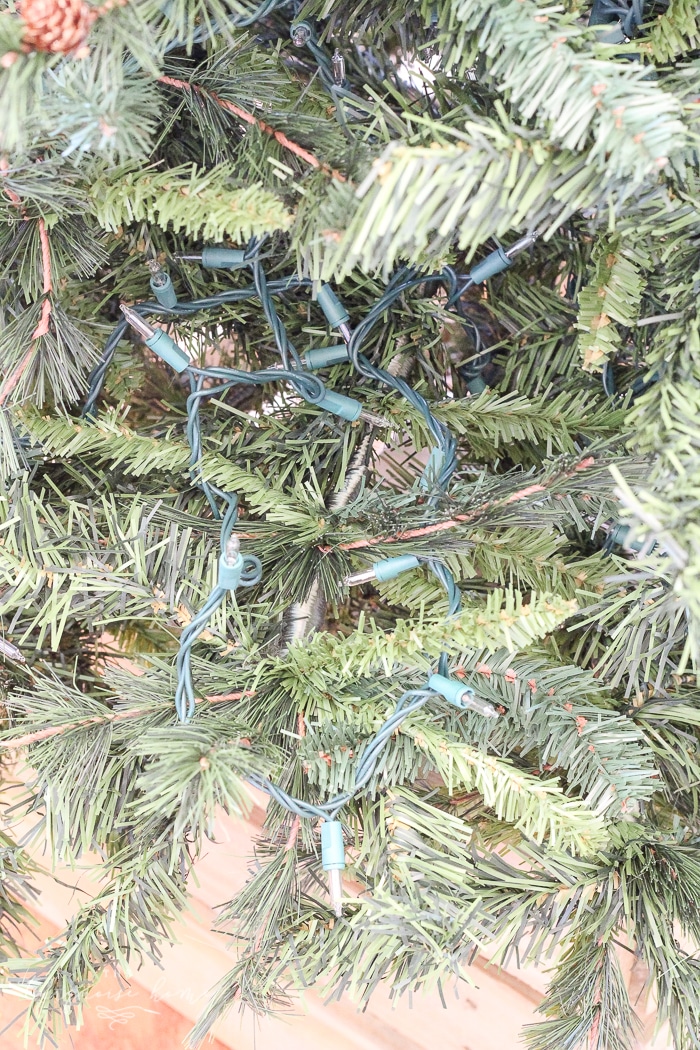
Overlapping wires create a messy look and risk damage. Separate wires carefully to avoid tangling. Use twist ties or clips to keep wires neat and in place. Keep wires away from heat sources or sharp edges. Organize wires evenly around the tree for a clean display.
Credit: theturquoisehome.com
Adding Final Touches
Adding final touches to your artificial Christmas tree can make it truly special. This stage brings your tree to life with extra sparkle and charm. It also helps keep your lights safe and easy to use next year.
Incorporating Ornaments With Lights
Place ornaments carefully around the lights. Let the lights shine through or behind your decorations. This creates a warm, glowing effect. Avoid covering too many bulbs to keep the tree bright. Mix different sizes and colors of ornaments for a balanced look. Step back often to see the overall effect.
Using Timers And Controllers
Timers help save energy by turning lights on and off automatically. Set your lights to glow during prime evening hours. Controllers offer options to change light patterns and brightness. This adds fun and variety to your display. Use these devices to keep your tree safe and easy to manage.
Storing Lights After The Season
Remove lights gently to avoid damage. Wrap them loosely around a spool or cardboard. Keep lights in a cool, dry place to prevent wear. Label your storage box for quick access next year. Proper storage extends the life of your lights and keeps them ready for next Christmas.

Credit: www.youtube.com
Frequently Asked Questions
How Do I Start Putting Lights On An Artificial Tree?
Begin by fluffing the branches to create space. Next, test the lights to ensure they work. Start wrapping lights from the tree’s base upward evenly.
What Type Of Lights Work Best On Artificial Trees?
LED string lights are ideal. They are energy-efficient, long-lasting, and emit less heat. Choose warm white or multicolor based on your decor style.
How Many Lights Do I Need For An Artificial Tree?
Use 100 lights per foot of tree height as a guideline. Adjust based on tree fullness and personal preference for brightness.
Should I Wrap Lights Inside Or Outside The Branches?
Wrap lights both inside and outside for depth. This creates a glowing effect and highlights the tree’s shape beautifully.
Conclusion
Putting lights on an artificial tree is fun and simple. Start with the trunk and work to the tips. Check the lights work before wrapping them around branches. Evenly spread the lights for a balanced glow. Take your time and adjust as needed.
Your tree will look bright and festive. Enjoy the warm, cozy feeling the lights bring. Celebrate safely and create happy holiday memories.