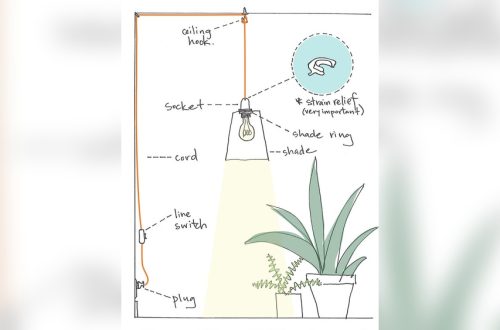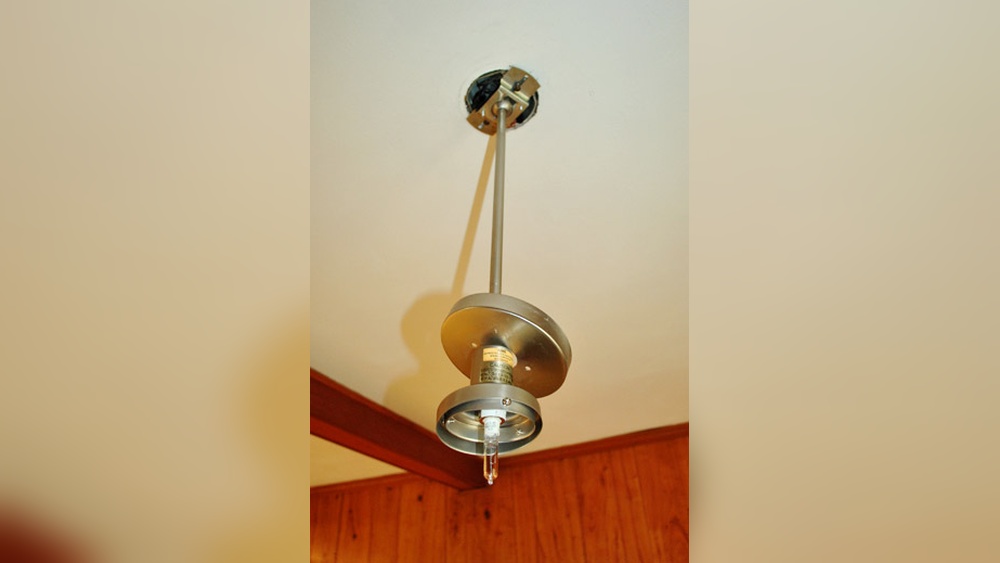
Is your pendant light suddenly not working, leaving your room darker than usual? You rely on that warm glow to set the mood or help you see clearly, and when it fails, it’s frustrating.
But before you call an electrician or replace the whole fixture, there are simple reasons that might explain why your pendant light isn’t turning on. You’ll discover easy steps to identify the problem and get your light shining again quickly.
Keep reading—your solution could be easier than you think.

Credit: www.amazon.com
Common Causes Of Pendant Light Issues
Pendant lights add style and light to any room. When they stop working, it can be frustrating. Understanding common causes helps fix the problem fast. Many issues are simple and easy to fix.
Check the bulb first. It is the most common reason pendant lights fail. Other causes include wiring, switches, and electrical panels. Knowing these helps you troubleshoot safely.
Burnt Out Bulb
The bulb is the first thing to check. Bulbs burn out after use. It stops the light from working. Replace the bulb with a new one to test. Use the right type and wattage for your fixture.
Loose Wiring Connections
Loose wires can stop electricity flow. This causes the light to flicker or not turn on. Wires may come loose over time or after installation. Turn off the power before checking wiring. Tighten any loose connections carefully.
Faulty Light Switch
A bad switch can break the circuit. The light won’t turn on even if the bulb is good. Switches wear out after long use. Test the switch by turning it on and off. Replace it if you find any damage or failure.
Tripped Circuit Breaker
The circuit breaker protects your home’s electrical system. It trips when there is an overload or short circuit. This cuts power to the pendant light. Check your breaker box for any tripped switches. Reset the breaker to restore power.
Safety Precautions Before Fixing
Fixing a pendant light can be simple, but safety comes first. Working with electricity is risky without the right steps. Taking precautions protects you from shocks and injuries. Follow these safety tips before starting any repair.
Turn Off Power Supply
Always switch off the power at the circuit breaker. Do not rely on the light switch alone. Confirm power is off by testing the light or using a voltage tester. This step stops electric shocks during repair.
Use Proper Tools
Use tools made for electrical work. Insulated screwdrivers and pliers reduce shock risk. Avoid using damaged or worn tools. Proper tools make the job safer and easier.
Wear Protective Gear
Wear safety gloves to protect your hands. Use safety glasses to shield your eyes from dust or debris. Avoid loose clothing that can catch on fixtures. Protective gear helps keep you safe while working.
How To Check And Replace The Bulb
Checking and replacing the bulb in your pendant light can solve many common problems. The bulb might be burnt out or loose. This section guides you through the easy steps to check and replace the bulb safely.
Follow these steps carefully to avoid damage or injury. Take your time and handle everything gently.
Choosing The Right Bulb
Use a bulb that fits the pendant light socket. Check the maximum wattage allowed. Look for the type of bulb recommended, such as LED or incandescent. Using the wrong bulb can cause damage or poor lighting.
Removing The Old Bulb Safely
Turn off the light switch and power source. Let the bulb cool down before touching it. Hold the bulb gently and twist it counterclockwise. Avoid pulling the bulb straight out to prevent breaking. Place the old bulb in a safe spot for disposal.
Installing A New Bulb
Take the new bulb and align it with the socket. Insert the bulb carefully and twist clockwise until secure. Do not overtighten to avoid damage. Turn the power back on and test the light. Your pendant light should now work properly.
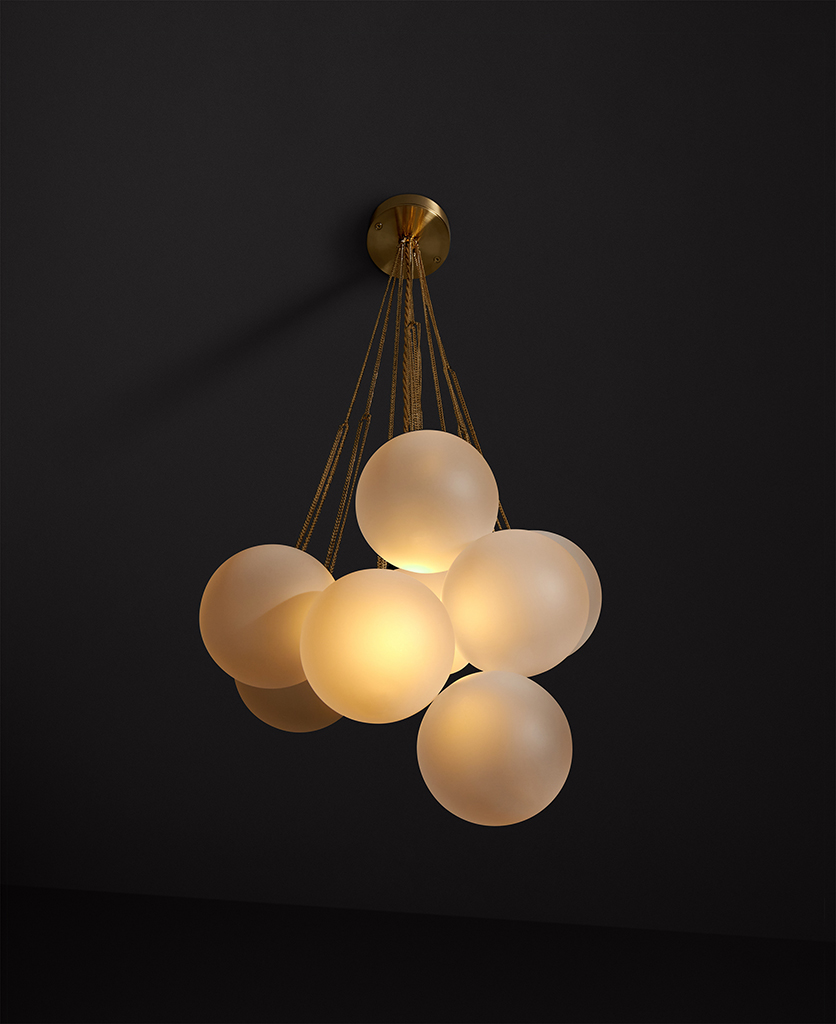
Credit: www.dowsingandreynolds.com
Inspecting And Tightening Wiring
Inspecting and tightening the wiring of your pendant light is an important step. Loose or damaged wires often cause the light to stop working. Checking these wires can solve the problem quickly. Safety is key during this process. Make sure the power is off before starting any inspection.
Accessing The Pendant Light Wiring
Begin by turning off the power at the circuit breaker. Remove the pendant light cover or shade carefully. Look for screws or clips holding the cover in place. Gently lower the light to see the wiring inside. Use a ladder if needed, but be cautious to avoid falls.
Identifying Loose Or Damaged Wires
Look closely at all wires connected to the pendant light. Check for any wires that are loose or disconnected. Notice if the wire insulation is cracked or frayed. Damaged wires can cause shorts or stop the light from working. Pay attention to any burnt marks or corrosion on the wires.
Securing Wire Connections
Tighten any loose wire nuts or connectors by turning them clockwise. Ensure wires are twisted together before securing with wire nuts. Use electrical tape around the connections for extra safety. Push the wires back into the junction box carefully. Reattach the light cover and restore power to test the light.
Testing The Light Switch
Testing the light switch is a key step when your pendant light is not working. The switch controls the flow of electricity to the light. If the switch has problems, the light will not turn on. Simple tests can show if the switch is the issue. Follow these steps to check your switch safely and easily.
Checking For Switch Damage
Look at the switch carefully. Is it cracked or loose? Check for any burn marks or melted plastic. These signs show the switch might be broken. Press the switch a few times. Does it feel stiff or stuck? A damaged switch can stop the light from working.
Using A Multimeter To Test
Use a multimeter to check the switch’s electrical function. Turn off the power at the breaker. Remove the switch cover carefully. Set the multimeter to the continuity test mode. Touch the probes to the switch terminals. Flip the switch on and off. The multimeter should beep or show zero resistance when on. No beep means the switch is faulty.
Replacing A Faulty Switch
Turn off the power before starting any work. Unscrew the old switch from the wall. Disconnect the wires and note their positions. Connect the wires to the new switch in the same way. Secure the switch back in the wall box. Turn the power back on and test the light. A new switch should fix the problem if the old one was broken.
Resetting The Circuit Breaker
Resetting the circuit breaker can often fix a pendant light that is not working. The breaker may trip due to a short circuit or overload. Resetting it restores power to the light fixture. This process is simple and safe if you follow the steps carefully.
Locating The Breaker Box
The breaker box is usually found in basements, garages, or utility rooms. It is a metal box with a door. Inside, you will see switches or levers. Each switch controls power to different parts of your home.
Identifying Tripped Breakers
A tripped breaker looks different from the others. It may be in the middle position or fully off. Some breakers show a red or orange color to signal they are tripped. Look for these signs to find the right switch.
Resetting And Testing
To reset, first switch the breaker fully off. Wait a few seconds. Then, switch it back on. Return to your pendant light and test if it works. This simple reset often solves the problem quickly.
When To Call A Professional Electrician
Sometimes, fixing a pendant light problem is not simple. Calling a professional electrician is the safest choice. They have the skills and tools to handle complex electrical issues safely. Knowing when to call an expert can save time, money, and prevent accidents.
Signs Of Complex Electrical Issues
Flickering lights or sparks are signs of serious problems. A burning smell or warm switch means danger. Circuit breakers that trip often show wiring faults. If the pendant light still does not work after changing the bulb, the problem might be inside the wiring or fixture. These signs mean you should call a professional right away.
Avoiding Diy Risks
Electrical work can be risky without proper knowledge. Mistakes can cause shocks or fires. Using the wrong tools or parts makes problems worse. Electricity is not something to experiment with. Calling a professional avoids these risks and keeps your home safe.
Finding A Qualified Electrician
Choose an electrician with a valid license and good reviews. Ask friends or family for recommendations. Check online for certified professionals in your area. Confirm they have experience with lighting fixtures. A qualified electrician ensures the problem is fixed correctly and safely.

Credit: www.reddit.com
Frequently Asked Questions
Why Is My Pendant Light Not Turning On?
The pendant light may have a faulty bulb, loose wiring, or a tripped circuit breaker. Check the bulb first, then inspect wiring and switches. Ensure the power supply is on. If issues persist, consult an electrician for safety.
How Do I Fix A Flickering Pendant Light?
Flickering often results from loose connections or a faulty bulb. Tighten the bulb and check wiring for damage. Replace the bulb with a compatible one. If flickering continues, the fixture or dimmer switch may need professional inspection.
Can A Blown Fuse Cause Pendant Light Failure?
Yes, a blown fuse can interrupt power to the pendant light. Check your fuse box or circuit breaker panel for tripped breakers or blown fuses. Reset or replace them carefully to restore power. If problems persist, seek professional help.
What Safety Precautions Should I Take When Troubleshooting?
Always turn off the power at the circuit breaker before inspecting your pendant light. Use a voltage tester to confirm no electricity flows. Avoid touching wires directly and consider wearing insulated gloves. If unsure, hire a licensed electrician.
Conclusion
Fixing a pendant light can be simple with the right steps. Check the bulb, wiring, and switch carefully. Sometimes, a loose connection causes the problem. Safety matters—turn off power before any work. If the issue stays, call a professional electrician.
Regular checks help keep lights working well. A bright room feels warm and welcoming. Don’t let a broken light stay in the dark. Small fixes bring big changes to your space. Keep your home safe and well-lit every day.