Are you ready to bring warmth and energy into your traditional dining room? Decorating with orange can transform your space into a vibrant, inviting place where family and friends love to gather.
But how do you balance bold color with classic style without overwhelming the room? In this guide, you’ll discover simple, smart ways to use orange to enhance your traditional dining room’s charm and comfort. Keep reading, and you’ll learn easy tips to create a space that feels both timeless and full of life.
Choosing The Right Shade Of Orange
Choosing the right shade of orange sets the tone for your traditional dining room. Orange can feel bright and lively or soft and cozy. It depends on the shade you pick. The right orange shade brings warmth and style to your space. It creates a welcoming atmosphere for meals and gatherings.
Warm Vs Cool Oranges
Warm oranges have red or yellow tones. They feel cozy and inviting. These shades work well in rooms with wood furniture and warm lighting. Warm oranges make the dining room feel friendly and full of energy.
Cool oranges lean towards red or pink. They feel calm and fresh. These shades suit rooms with white or gray accents. Cool oranges add a modern touch while keeping the space soft and peaceful.
Complementary Color Pairings
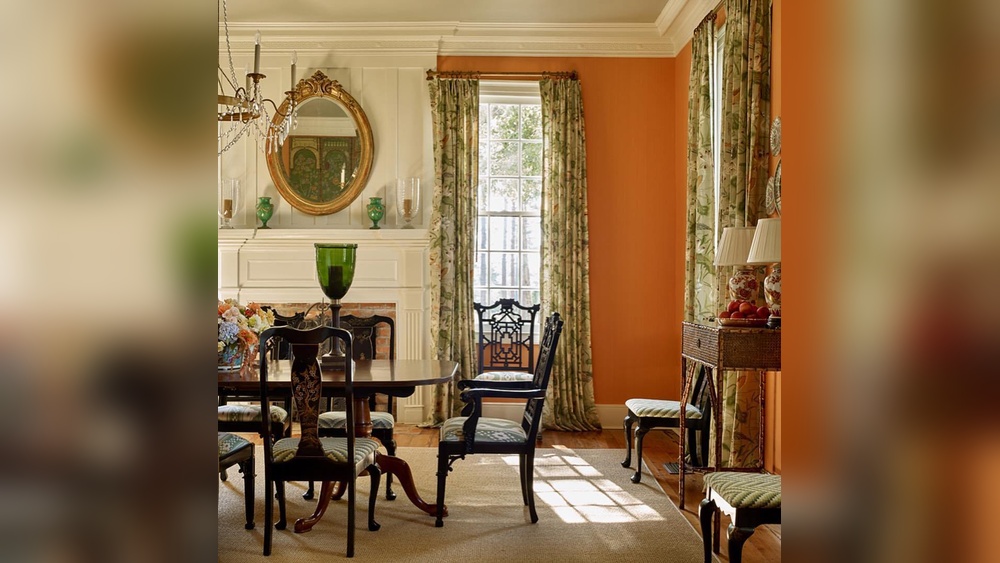
Pair orange with blue for a classic look. Blue tones balance orange’s brightness. This combo works well on walls, curtains, or table settings.
Orange and green create a natural, earthy vibe. Use soft greens with bright orange for harmony. This pairing brings freshness and life to the room.
Neutrals like beige, cream, or gray calm orange’s boldness. They help orange stand out without overwhelming the space. Neutrals keep the room balanced and elegant.
Selecting Classic Furniture Pieces
Selecting classic furniture pieces sets the tone for a traditional dining room in orange. The right furniture adds warmth and charm. It balances bold wall colors and creates a welcoming space for meals and gatherings.
Choose items that reflect timeless style and quality. Focus on wood types, finishes, and upholstery to achieve an elegant look. These details bring harmony and comfort to your dining area.
Wood Types And Finishes
Wood is the foundation of classic dining furniture. Cherry, mahogany, and oak are popular choices. These woods offer strength and a rich appearance.
Finish plays a big role. Dark stains highlight traditional design and add depth. A glossy finish can create a polished look. Matte or satin finishes give a softer feel.
Match wood tones with your orange walls. Warm woods complement orange hues nicely. Avoid very light woods that may clash.
Upholstery Options
Upholstery adds comfort and style to dining chairs. Choose fabrics that blend well with orange tones. Neutral colors like beige, cream, or light brown work well.
Velvet offers a luxurious touch while cotton provides breathability. Patterns such as stripes or subtle florals enhance the classic look. Avoid overly bright patterns that distract from the room’s warmth.
Durability matters. Select fabrics that resist stains and wear. This keeps your furniture looking fresh for years.
Incorporating Orange Through Textiles
Textiles offer a simple way to bring orange into a traditional dining room. They add warmth and color without overwhelming the space. Using fabrics in orange tones creates a cozy and inviting atmosphere. Small touches can make a big impact.
Curtains And Drapes
Choose curtains in soft orange shades to brighten the room. Light, flowing fabrics keep the space airy and warm. Patterns with orange accents add interest without being too bold. Thick drapes in burnt orange help block light and add richness. Match curtain rods and tiebacks in natural tones for balance.
Table Linens And Cushions
Tablecloths, runners, and napkins in orange bring life to your dining table. Mix solid colors with subtle patterns for a classic look. Cushions on dining chairs add comfort and a splash of color. Use different shades of orange to create depth. Soft textures like linen or velvet work well in traditional rooms.
Wall Treatments And Artwork
Wall treatments and artwork set the mood in a traditional dining room with orange. They create a warm and inviting space. The right walls make the room feel complete. They add color and texture without overwhelming the room.
Choose wall treatments that balance bold orange tones. Artwork brings personality and charm. It reflects your style and enhances the dining experience. Together, they transform the room into a cozy, elegant place.
Paint And Wallpaper Ideas
Soft, neutral paint colors work well with orange walls. Cream, beige, or light gray soften the brightness. These shades keep the room calm and balanced. A classic wallpaper with subtle patterns adds texture. Look for designs with gold or brown tones. They blend nicely with orange and add depth. Striped wallpaper creates a timeless look. It makes the room feel taller and more spacious.
Framed Art And Mirrors
Choose framed art that complements the orange color scheme. Landscapes and still-life paintings in warm hues add charm. Vintage frames in wood or gold finish suit traditional styles. Mirrors reflect light and make the room brighter. A large mirror with an ornate frame adds elegance. Place it opposite a window to enhance natural light. Group small framed prints for a gallery wall effect. This adds interest and a personal touch.
Lighting To Enhance The Ambiance
Lighting plays a key role in setting the mood in a traditional dining room. It brings warmth and highlights the rich orange tones. The right lighting makes the room feel cozy and inviting. It also shows off your décor and furniture beautifully. Choose lighting that matches the classic style and enhances the orange color.
Chandeliers And Pendants
Chandeliers add charm and elegance to any dining space. Pick a chandelier with warm light bulbs to enhance the orange hues. Antique brass or bronze finishes blend well with traditional rooms. For smaller spaces, a pendant light works perfectly. Hang it above the dining table to create a cozy glow. These fixtures become a focal point and boost the room’s style.
Accent Lighting
Accent lighting highlights special features like artwork or wood details. Use wall sconces or small spotlights for a soft, warm effect. This lighting adds depth and interest without overpowering the space. Place accent lights near cabinets or shelves to draw attention. They create layers of light that make the room feel balanced and welcoming.

Credit: www.dreamstime.com
Decorative Accessories And Accents
Decorative accessories and accents bring life to a traditional dining room in orange. They add texture, color, and charm. These details make the space feel warm and inviting. Choosing the right items can highlight the orange theme without overwhelming the room.
Small touches create balance and harmony. They help the room feel complete and cozy. Focus on pieces that blend well with the classic style and orange tones. These accents turn a simple dining room into a stylish, comfortable space.
Vases And Centerpieces
Vases and centerpieces act as focal points on the dining table. Pick vases in neutral colors like white, cream, or gold to soften the orange. Fresh flowers or greenery add freshness and life. Choose seasonal blooms for a natural look.
Centerpieces can be simple or elaborate. A wooden bowl with fruits or candles adds warmth and charm. Avoid items that block views across the table. Keep centerpieces low and elegant for easy conversation.
Rugs And Flooring
Rugs ground the dining space and add comfort. Choose rugs with subtle patterns that include hints of orange. Natural fibers like wool or jute work well in traditional rooms. They bring texture without clashing with the color scheme.
Hardwood floors complement orange walls beautifully. Dark or medium wood tones balance the brightness. Use area rugs to protect floors and define the dining area. Make sure rugs fit well under the table and chairs.
Balancing Orange With Neutral Tones
Orange is a bold and warm color for a traditional dining room. It creates energy and invites conversation. Balancing orange with neutral tones softens the brightness. Neutrals bring calm and harmony to the space.
Neutral colors help orange stand out without overwhelming the room. They create a smooth flow between different elements. The right neutral shades highlight orange’s beauty and warmth.
Beige And Cream Hues
Beige and cream are perfect neutral tones for orange walls or furniture. These soft colors tone down the brightness. They make the room feel cozy and inviting. Beige or cream table linens and curtains add gentle contrast. These shades work well on walls, rugs, and upholstery too. They create balance and let orange shine without clashing.
Wood And Metallic Accents
Natural wood accents add warmth and texture to an orange dining room. Dark or medium wood tones ground the bright color. Wooden chairs, tables, or frames bring a classic feel. Metallic accents in gold, bronze, or copper add elegance. They catch light and add subtle shine. Use metal in light fixtures, handles, or decorative items. Wood and metal together create depth and style with orange.

Credit: www.amazon.com
Maintaining A Timeless Appeal
Maintaining a timeless appeal in a traditional dining room painted or decorated with orange requires balance. Orange is warm and inviting but can easily become overwhelming. The key lies in careful use and thoughtful combinations. This section explores how to keep your dining room classic and elegant while embracing orange tones.
Avoiding Overuse Of Bright Orange
Bright orange can be too strong if used too much. Use it as an accent color instead of the main shade. Think about painting one wall or adding orange cushions. This approach keeps the room lively but not overpowering. Soft or muted orange shades work well on larger surfaces. They add warmth without stealing the show. Balance bright orange with neutral tones like cream, beige, or soft gray. This contrast calms the space and adds depth.
Incorporating Traditional Patterns
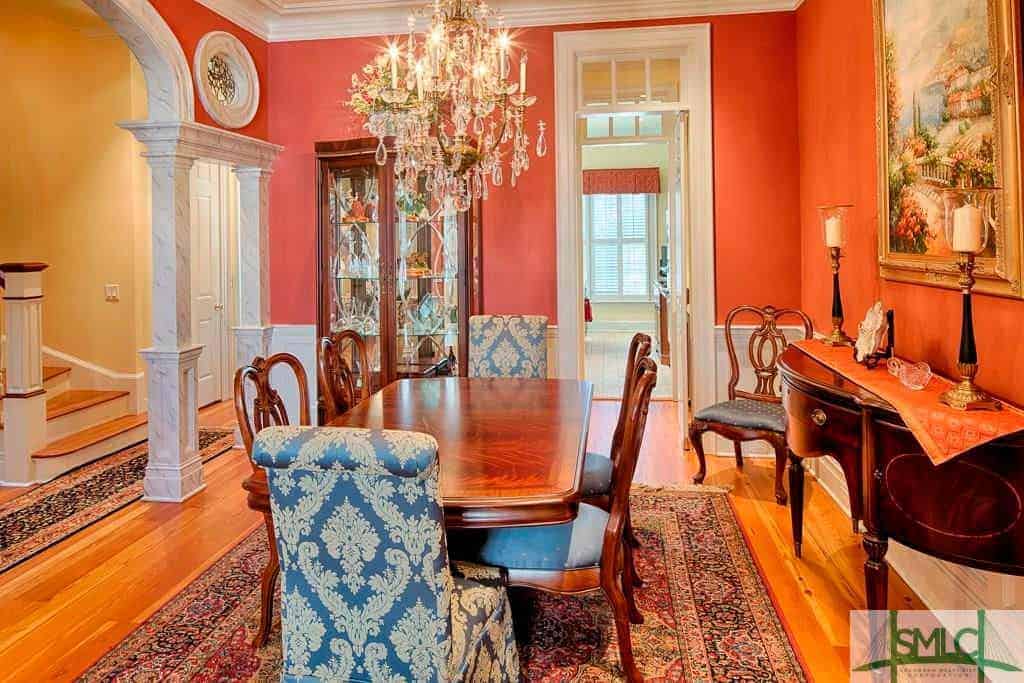
Traditional patterns add charm and history to your dining room. Look for classic designs like damask, floral, or paisley in fabrics and wallpapers. Use these patterns in curtains, chair upholstery, or table linens. Patterns with orange details tie the color into the room subtly. Mixing patterns with solid colors creates harmony. Choose patterns that match the room’s style and era. This connection helps the space feel timeless and elegant.
Credit: www.homestratosphere.com
Frequently Asked Questions
How To Choose The Right Orange Shade For Dining Rooms?
Select warm, muted orange tones to create a cozy traditional dining room. Avoid overly bright shades that overpower the space. Test paint samples in natural light to ensure the color complements your furniture and décor.
What Furniture Suits A Traditional Orange Dining Room?
Opt for classic wooden furniture with rich finishes like mahogany or walnut. These tones balance the vibrancy of orange walls and enhance the traditional feel. Incorporate upholstered chairs in neutral or complementary fabrics for added comfort.
How To Balance Orange Walls With Dining Room Décor?
Use neutral accents like beige, cream, or soft gray to soften orange walls. Add metallic elements such as brass or gold to introduce elegance. Incorporate textiles and artwork that complement orange without clashing or overwhelming the space.
Can Lighting Affect The Look Of Orange Dining Rooms?
Yes, warm lighting enhances the richness of orange walls and creates a cozy atmosphere. Use chandeliers or sconces with soft, yellow-toned bulbs. Avoid harsh white lighting that can make the orange appear too intense or artificial.
Conclusion
Decorating a traditional dining room in orange brings warmth and charm. Choose shades that feel cozy and inviting. Pair orange with classic wood tones for balance. Use simple patterns to keep the look timeless. Add soft lighting to enhance the mood.
Small touches, like cushions or curtains, can make a big impact. This style creates a space where family and friends enjoy meals. Orange adds energy without overwhelming the room. Try these ideas to create a warm, welcoming dining area today.