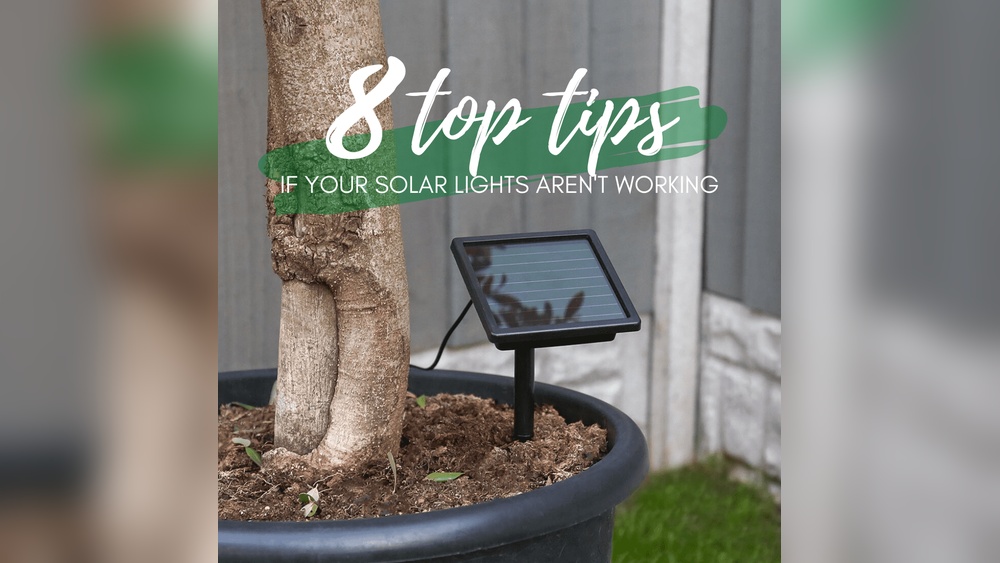
Have you ever set up your solar string lights, only to find they suddenly stop working? It’s frustrating, especially when you’re counting on them to brighten your outdoor space.
You might wonder if they’re broken or if something else is going on. Understanding why your solar string lights stop working can save you time, money, and stress. You’ll discover the common reasons behind the problem and simple steps you can take to bring your lights back to life.
Keep reading—your glowing nights depend on it!
Common Causes Of Failure
Solar string lights may stop working for several common reasons. Knowing these causes helps to fix or avoid problems. This section explains the main issues that cause failure.
Battery Issues
Batteries store energy from the sun to power the lights at night. Over time, batteries lose their ability to hold a charge. Old or poor-quality batteries often fail first. Sometimes, batteries are not installed correctly. This stops the lights from turning on.
Solar Panel Problems
The solar panel collects sunlight and turns it into energy. Dirt, dust, or leaves on the panel reduce its power. Panels can crack or get damaged by impact. Poor sunlight exposure also lowers energy output. A weak panel causes the lights to stop working.
Wiring And Connection Faults
Wires connect the solar panel, battery, and lights. Loose or broken wires cut the power flow. Water or rust can damage connections. Faulty wiring stops the lights from receiving electricity. Careful checks and repairs fix these problems.
Weather Damage
Solar string lights face many weather conditions. Heavy rain, strong wind, or snow can break parts. Extreme heat may melt wires or plastic. Constant exposure to sun fades or cracks the materials. Weather damage leads to light failure over time.
Troubleshooting Battery Problems
Battery problems are a common reason why solar string lights stop working. Batteries store the energy collected from the sun. If the battery is weak or damaged, the lights will not shine. Troubleshooting battery issues can help restore your lights quickly.
Start by checking the battery’s condition. Sometimes, the battery needs replacement. Cleaning the battery contacts can also improve power flow. These simple steps often fix the problem without much effort.
Checking Battery Life
Test the battery with a voltmeter to check its charge. A healthy battery should show a good voltage level. If the voltage is low, the battery may be dead or weak. Try charging the battery under direct sunlight for several hours. If the battery does not hold charge, it needs replacement.
Replacing Batteries
Use the correct battery type as specified by the manufacturer. Remove the old battery carefully. Insert the new battery with the right polarity. After replacement, charge the battery fully before use. This helps the lights function properly again.
Cleaning Battery Contacts
Battery contacts can get dirty or corroded over time. Use a soft cloth or fine sandpaper to clean the contacts gently. Remove any dust, dirt, or rust buildup. Clean contacts improve the connection between the battery and the light unit. This simple step can restore power flow and fix lighting issues.
Fixing Solar Panel Issues
Solar string lights rely heavily on their solar panels to gather sunlight. When these panels have problems, the lights may stop working. Fixing solar panel issues can bring your lights back to life quickly. Simple steps often solve the problem without needing new parts.
Cleaning The Solar Panel
Dirt and dust block sunlight from reaching the solar cells. Clean the panel with a soft cloth and mild soap. Avoid harsh chemicals or rough scrubbing. Clean panels absorb more light and charge the batteries better.
Adjusting Panel Position
The panel must face the sun directly to get enough light. Move it to a spot without shade. Change the angle to match the sun’s path. Proper positioning boosts the panel’s power output.
Inspecting For Physical Damage
Look for cracks, scratches, or loose wires on the panel. Damage can stop the panel from working properly. Replace broken parts or the entire panel if needed. Fixing damage restores the panel’s ability to collect sunlight.

Credit: stonedesignbysantos.com
Repairing Wiring And Connections
Solar string lights may stop working due to wiring problems. Fixing wiring and connections often restores their function. Understanding basic repairs helps keep lights shining longer.
Identifying Loose Connections
Loose connections cause lights to flicker or go out. Check all plugs and sockets carefully. Gently wiggle wires near connectors to find weak spots. A light tester can help find breaks in wiring. Mark any loose or damaged connections before fixing.
Securing And Replacing Wires
Secure loose wires with electrical tape or wire nuts. Replace wires that look frayed or broken. Cut out damaged sections and join new wires with connectors. Make sure new connections are tight and safe. Avoid over-bending wires to prevent future breaks.
Protecting Against Corrosion
Corrosion blocks electricity and damages connections. Clean corroded areas with a soft brush and vinegar. Dry thoroughly to stop moisture buildup. Cover connections with silicone sealant or waterproof tape. Keep connections dry to prevent rust and corrosion.
Preventing Weather-related Damage
Solar string lights often face damage from weather conditions. Rain, wind, snow, and sun exposure can cause them to stop working. Protecting these lights helps them last longer and shine brighter. Taking simple steps can reduce weather-related damage effectively.
Using Weatherproof Covers
Weatherproof covers shield solar lights from rain and dust. They create a barrier that keeps moisture away from sensitive parts. Choose covers that fit snugly over bulbs and wires. This prevents water from entering and causing electrical problems.
Storing Lights During Harsh Conditions
Remove solar string lights during storms or heavy snow. Store them in a dry, cool place to avoid damage. Keeping lights indoors during harsh weather extends their life. This also stops wires from getting brittle or breaking.
Choosing Durable Materials
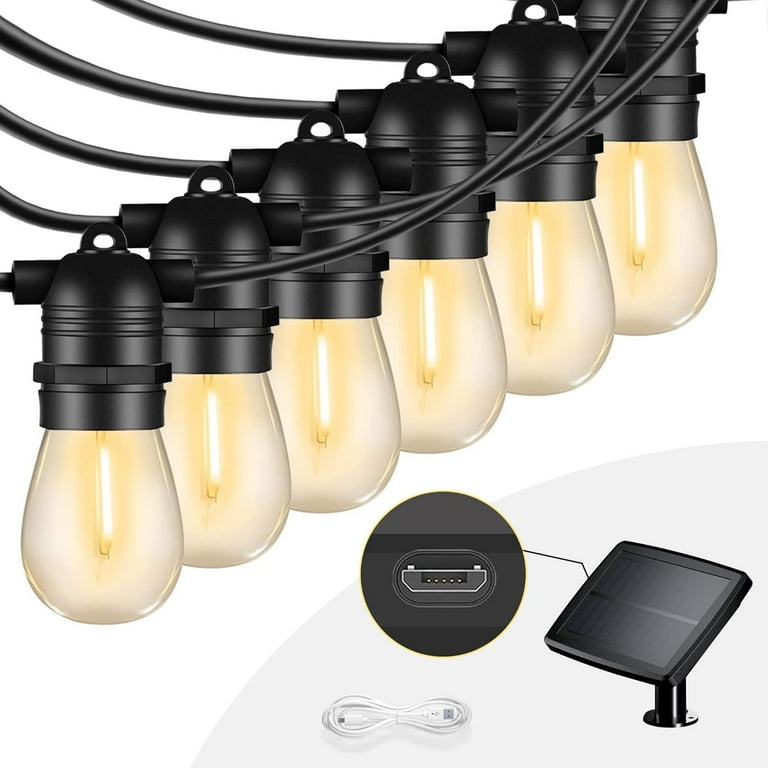
Pick solar lights made with strong, weather-resistant materials. Plastic and silicone coatings protect wires from sun and rain. Look for lights with waterproof ratings like IP65 or higher. Durable materials help lights survive rough weather and last longer.
Credit: www.walmart.com
Maintenance Tips For Longevity
Solar string lights add charm and light to any outdoor space. They need care to keep working well and last long. Simple maintenance can stop many common problems. Follow easy tips to extend their life and enjoy bright, reliable lighting.
Regular Cleaning Schedule
Clean solar panels and bulbs often. Dust and dirt block sunlight and reduce power. Use a soft cloth and mild soap. Avoid harsh chemicals that can damage surfaces. Clean lights after rain or heavy dust. Keep panels free of leaves and debris. Clean bulbs gently to avoid breakage.
Proper Storage Practices
Store lights indoors during winter or bad weather. Moisture can cause rust and electrical issues. Coil wires loosely to prevent tangling. Keep lights in a dry, cool place. Avoid sharp bends or heavy pressure on wires. Use a box or container to protect from pests.
Routine Performance Checks
Test lights regularly to spot problems early. Check solar panels for cracks or damage. Inspect wires for wear or cuts. Replace dead or weak batteries promptly. Ensure lights switch on and off correctly. Fix loose connections to avoid power loss. Early checks save time and money.
Credit: outdoorlights.store
Frequently Asked Questions
Why Do Solar String Lights Fail To Charge?
Solar string lights may fail to charge due to insufficient sunlight exposure. Dirty solar panels, faulty batteries, or damaged wiring also cause charging issues. Regular cleaning and proper placement in direct sunlight can help maintain optimal charging performance.
How Can Weather Affect Solar String Lights?
Extreme weather conditions like heavy rain, snow, or prolonged cloudy days reduce solar light efficiency. Moisture can damage internal components, and cold temperatures may lower battery performance. Using weather-resistant models and protecting lights during harsh weather improves their lifespan.
What Causes Solar String Lights To Flicker Or Dim?
Flickering or dim lights often result from weak batteries, poor solar panel connection, or dirt buildup. Replacing old batteries, cleaning panels, and checking wiring connections usually restore steady brightness and consistent operation.
Can Faulty Batteries Stop Solar String Lights Working?
Yes, degraded or dead rechargeable batteries are a common reason solar string lights stop working. Batteries lose capacity over time and need replacement. Using high-quality, compatible batteries ensures longer light functionality and better charging cycles.
Conclusion
Solar string lights stop working for simple reasons. Dirty solar panels block sunlight and reduce power. Weak or old batteries can also cause failure. Damaged wires or bulbs may break the circuit. Checking these parts helps fix the problem fast.
Regular cleaning and battery replacement keep lights bright. Understanding these issues saves time and money. Keep your solar string lights shining longer with basic care. Simple steps make all the difference.