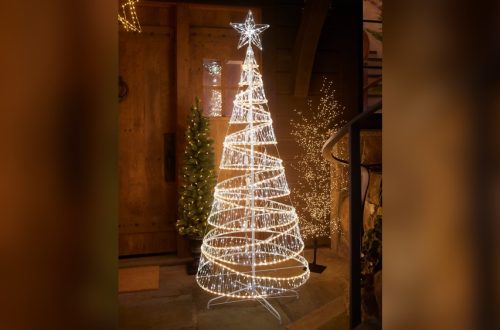
Have you ever plugged in a string of lights, only to find that half of them won’t turn on? It’s frustrating, especially when you’re excited to brighten up your space or decorate for a special occasion.
You might wonder why this keeps happening and how to fix it without buying a new set every time. You’ll discover the common reasons behind this problem and simple steps you can take to get all your lights shining brightly again.
Keep reading—you’ll be surprised how easy it is to bring your string of lights back to life.
Credit: www.reddit.com
Common Causes Of Half-working Light Strings
Half of a string of lights not working is a common problem. It can be frustrating and confusing. Several simple issues often cause this problem. Understanding these causes helps you fix the lights quickly and safely.
Faulty Bulbs
One bad bulb can stop part of the string from working. Bulbs in old light strings often burn out. Some types of strings stop working beyond the faulty bulb. Replacing the bad bulb usually solves the problem fast.
Blown Fuses
Light strings have small fuses in the plug. These fuses protect the lights from electrical damage. A blown fuse can cut power to half the string. Checking and replacing fuses helps restore light to all bulbs.
Loose Connections
Loose bulb connections can cause flickering or dark sections. A bulb not pushed in firmly might break the circuit. Check each bulb and socket for a tight fit. Securing loose bulbs often brings the lights back to life.
Damaged Wiring
Wires can break or fray over time. Damage from pets, weather, or bending can interrupt power flow. Exposed or broken wires cause half the string to go dark. Inspect wires carefully and replace the string if needed.
Credit: www.reddit.com
How Light Strings Are Wired
Understanding how light strings are wired helps explain why only half may work. Light strings can use different wiring methods. Each method affects how the bulbs share power. This knowledge helps you troubleshoot problems better.
Series Wiring Basics
In series wiring, bulbs connect one after another. Electricity flows through each bulb in a line. If one bulb burns out, the circuit breaks. This stops electricity from reaching the rest of the bulbs. That is why many bulbs go dark at once.
Series wiring is simple and cheap to make. But it has a big downside. One bad bulb can turn off the whole string. Some modern strings add shunts to help. Shunts let electricity bypass a broken bulb.
Parallel Wiring Differences
Parallel wiring connects each bulb directly to the power source. Each bulb gets its own path for electricity. If one bulb burns out, the others stay lit. This wiring type is more reliable for larger strings.
Parallel wiring costs more and needs more wire. But it improves the light string’s durability. Many high-quality light strings use parallel wiring. This wiring helps avoid losing half the bulbs if one fails.
Identifying The Problem Area
When only half of a string of lights works, finding the problem is key. The issue usually lies in one section, causing the other half to lose power. Identifying this area helps fix the string quickly and safely. Simple steps can guide you to the faulty part.
Visual Inspection Tips
Start by closely examining the entire string. Look for broken or missing bulbs. Check for loose or damaged wires. Notice any dark spots or burn marks on bulbs or sockets. Bent or corroded metal parts can stop electricity flow. Pay attention to where the lights stop working. This is often near the problem area.
Using A Multimeter
A multimeter tests electrical flow in the string. Set it to measure continuity or resistance. Touch the probes to each side of the wire or bulb socket. A beep or low resistance means the wire is good. No sound or infinite resistance shows a break. Move along the string to find where the circuit stops. This helps pinpoint the exact faulty section.
Testing Bulbs Individually
Remove bulbs one at a time. Replace each with a working bulb or a tester bulb. See if the string lights up after each swap. A single bad bulb can stop half the lights. Testing bulbs individually finds the bad ones quickly. Replace any faulty bulbs to restore full lighting.
Simple Fixes For Half-working Lights
Half-working string lights can spoil the festive mood quickly. Fixing them does not require special tools or skills. A few simple steps can bring all the bulbs back to life. This section covers easy ways to repair string lights. Each tip targets a common issue that causes half the lights to fail.
Replacing Burned-out Bulbs
Burned-out bulbs often cause part of the string to go dark. Check each bulb carefully for dark spots or broken filaments. Replace any faulty bulbs with exact matches. Using the wrong size or type can damage the whole string. Test the lights after replacing bulbs to see if the problem clears.
Resetting Or Replacing Fuses
Fuses protect your lights from electrical problems. A blown fuse can cause half the lights to stop working. Look inside the plug for a small fuse compartment. Open it gently and check the fuse for damage. Reset the fuse if possible or replace it with the same type. Always unplug lights before working on fuses for safety.
Securing Loose Connections
Loose connections can interrupt electricity flow in the string. Check each bulb socket and wire for looseness. Push bulbs firmly into their sockets without forcing them. Tighten any loose wire connections or replace connectors if needed. Good contact helps all bulbs light evenly and prevents flickering.
Repairing Or Replacing Damaged Sections
Worn or damaged wires often cause part of the string to fail. Inspect the cord for cuts, frays, or exposed wires. Small damage may be fixed with electrical tape or wire connectors. Large or multiple damaged sections need replacing for safety. Some strings allow you to cut out bad parts and reconnect the rest.
Preventing Future Issues
Preventing future problems with your string lights saves time and money. Proper care keeps lights bright and working longer. Follow simple steps to avoid common issues and enjoy your decorations without hassle.
Proper Storage Techniques
Store lights carefully to avoid damage. Wrap them loosely around a spool or cardboard. Avoid tight knots that can break wires. Keep lights in a dry, cool place. Moisture and heat cause bulbs and wires to fail.
Regular Maintenance Tips
Check lights before use each season. Look for broken bulbs and loose connections. Replace any damaged parts immediately. Clean bulbs with a soft cloth to remove dust. This helps bulbs shine brighter and last longer.
Choosing Quality Light Strings
Buy lights from trusted brands. Higher quality lights last longer and work better. Look for lights with good reviews and safety certifications. Avoid cheap lights that break easily. Investing a bit more saves trouble later.

Credit: www.wikihow.com
Frequently Asked Questions
Why Do Half My String Lights Stop Working?
Half the string lights may stop due to a faulty bulb or connection. Some lights are wired in series, so one bad bulb can break the circuit. Inspect bulbs for damage and replace or tighten them to restore power.
Can A Blown Fuse Cause Half Lights To Fail?
Yes, a blown fuse inside the plug can cause half the lights to fail. Check the fuse and replace it if necessary. This can restore proper electricity flow and fix the issue quickly.
How Can I Fix Only Half My String Lights?
To fix half your string lights, first check all bulbs and replace any that are burnt out. Also, inspect wiring for damage. Tightening loose bulbs or resetting the fuse often solves the problem.
Are Led String Lights Wired Differently Than Incandescent?
Yes, LED string lights often use parallel wiring, so one bad bulb usually won’t affect others. Incandescent lights commonly use series wiring, where one bad bulb can cause half the string to go out.
Conclusion
Half of a string of lights may stop working due to a small break or a blown fuse. Checking each bulb and the wiring can help find the problem. Replacing faulty bulbs or fuses often fixes the issue quickly. Regular care can keep your lights shining bright longer.
Don’t ignore small problems to avoid bigger ones later. Simple steps save time and frustration during the holidays. Keep your decorations glowing with easy fixes and attention. Bright lights bring joy, so keep them working well.