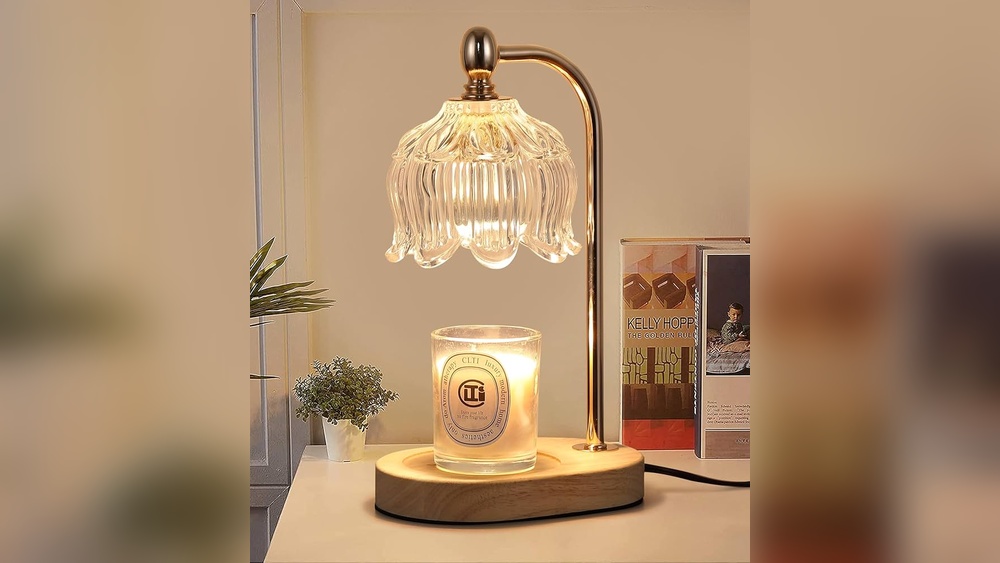
Are you wondering what light bulb to use for your lamp to melt candles safely and effectively? Choosing the right bulb can make all the difference in how quickly and evenly your candles melt.
If you pick the wrong one, you might waste time or even risk damaging your lamp or candles. You’ll discover exactly which light bulbs work best and why. By the end, you’ll feel confident about creating the perfect candle-melting setup with your lamp.
Keep reading to find the simple answer that saves you time and hassle.
Types Of Heat-producing Bulbs
Heat-producing bulbs are essential for melting candles safely and evenly. Different bulbs create different types and levels of heat. Choosing the right bulb helps control the melting process. This section explains the main types of bulbs used for melting candles.
Each bulb type has unique features. Some bulbs work better for certain lamps or candle sizes. Understanding these differences helps you pick the best bulb for your needs.
Incandescent Bulbs
Incandescent bulbs produce heat by passing electricity through a thin wire. They give off a warm, consistent heat. These bulbs are easy to find and usually affordable. They work well for small to medium candle lamps. The downside: they use more energy and may burn out faster.
Halogen Bulbs
Halogen bulbs are a type of incandescent bulb with added gas inside. This gas helps the bulb stay brighter and hotter longer. Halogen bulbs give off intense heat in a small area. They are good for lamps needing focused heat. They last longer than regular incandescent bulbs but can get very hot.
Infrared Heat Lamps
Infrared heat lamps produce heat without much light. They use infrared radiation to warm objects directly. These bulbs are perfect for melting candles evenly without overheating. Infrared lamps are energy efficient and last a long time. They are common in professional candle-making setups.
Led Bulbs And Heat
LED bulbs are energy-saving and last very long. They do not produce much heat, so they are not ideal for melting candles. Some special LED bulbs create a little heat but usually not enough. LED bulbs are better for lighting than heating. Avoid using regular LED bulbs to melt candles.
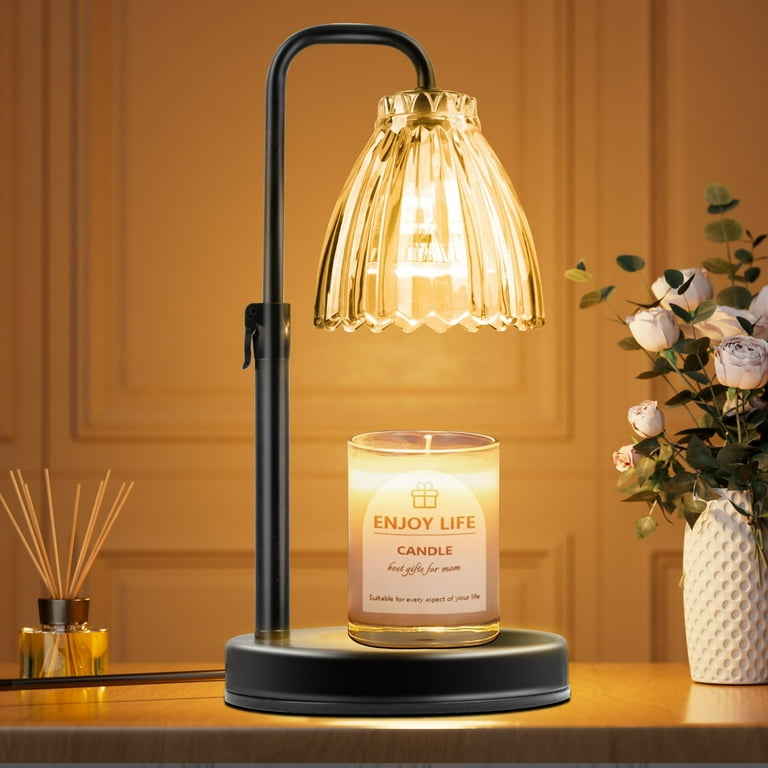
Credit: www.walmart.com
Factors Affecting Candle Melting
The process of melting candles using a lamp depends on several key factors. These factors affect how quickly and evenly the candle wax melts. Understanding them helps in choosing the right light bulb for your lamp. Proper candle melting enhances safety and efficiency.
Heat Intensity
Heat intensity is the amount of heat the bulb produces. A bulb with higher heat melts the candle faster. Too much heat can cause uneven melting or burning. Choose a bulb that gives steady, moderate heat for best results.
Bulb Wattage
Wattage shows how much energy the bulb uses. Higher wattage bulbs produce more heat. Low wattage bulbs may not melt the candle well. Find a balance between enough heat and energy use for safety.
Distance From Candle
The space between the bulb and candle affects melting speed. Closer bulbs create more heat on the candle surface. Too close can be dangerous and melt too fast. Keep a safe but effective distance for even melting.
Safety Considerations
Safety is very important when melting candles with a lamp. Use bulbs designed to handle heat for long periods. Avoid bulbs that get too hot or cause fire risks. Always monitor the candle while melting to prevent accidents.
Best Bulb Choices For Melting Candles
Choosing the right light bulb for a lamp to melt candles is important. The bulb needs to provide enough heat without wasting energy or burning out too fast. Different bulbs work better for this task. Understanding which bulbs suit candle melting helps you get the best results safely and efficiently.
Ideal Wattage Range
Wattage controls how much heat the bulb produces. For melting candles, bulbs between 40 and 60 watts work best. This range creates enough warmth to melt the wax evenly. Too low wattage won’t melt the candle well. Too high wattage can overheat and damage the wax or lamp.
Recommended Bulb Types
Incandescent bulbs are the most common choice for melting candles. They emit steady, warm heat that melts wax smoothly. Halogen bulbs also work but get hotter quickly and use more energy. LED bulbs save energy but usually do not produce enough heat for melting candles effectively.
Energy Efficiency
Energy use matters for long candle melting sessions. Incandescent bulbs use more electricity but melt wax reliably. Halogen bulbs use slightly less power but run hotter. LED bulbs save the most energy but often lack the heat needed. Balancing energy use with heat output is key.
Longevity And Durability
Bulb lifespan affects how often you replace it. Incandescent bulbs last around 1,000 hours. Halogen bulbs can last a bit longer, about 2,000 hours. LED bulbs last the longest, up to 25,000 hours, but may not melt wax well. Choose bulbs that last while meeting heat needs.
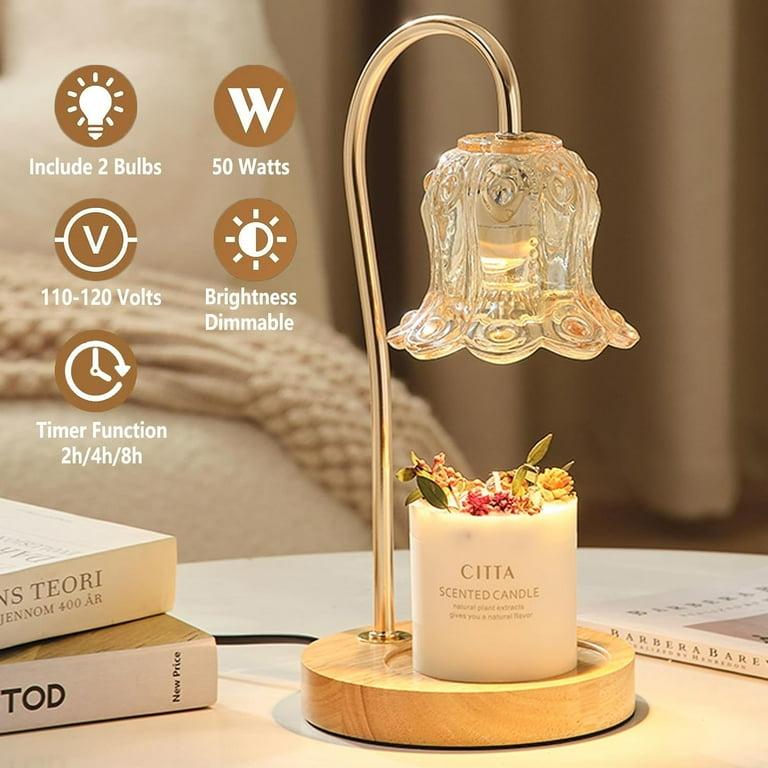
Credit: www.walmart.com
Setting Up Your Lamp For Candle Melting
Setting up your lamp for candle melting is key to safe and effective results. Proper setup helps the wax melt evenly without burning or making a mess. It also protects your lamp and surroundings from heat damage.
Follow these simple steps to prepare your lamp for candle melting. They ensure good heat control and safe use.
Positioning The Bulb
Place the bulb close to the candle wax but not touching it. The bulb should direct heat where the wax melts best. Keep some space to avoid overheating or fire risk.
Adjusting Lamp Height
Change the lamp height to control heat intensity. Lower the lamp for faster melting and raise it for slower melting. Keep it steady to avoid wax splashes or uneven melting.
Ensuring Proper Ventilation
Use the lamp in a well-ventilated area. Good airflow stops heat buildup and smoke. It also keeps the room safe and comfortable during melting.
Using Reflectors And Shields
Reflectors help focus heat on the candle wax. Shields protect nearby surfaces from heat damage. Use both for better melting control and safety.
Safety Tips When Using Heat Bulbs
Using heat bulbs to melt candles is practical but demands caution. Safety must be a priority to avoid accidents. Simple steps help keep the process safe and smooth. Follow these key safety tips when using heat bulbs for candle lamps.
Avoiding Overheating
Never use a bulb with wattage higher than recommended. High wattage bulbs create excess heat quickly. Always check the lamp’s label for the correct wattage. Avoid leaving the heat bulb on for too long. Overheating can damage the lamp and cause burns.
Fire Prevention Measures
Keep flammable materials away from the heat bulb. Place the lamp on a flat, stable surface. Do not cover the lamp with cloth or paper. Always have a fire extinguisher nearby when melting candles. Make sure smoke detectors in the room are working.
Handling Bulbs Safely
Turn off and unplug the lamp before changing bulbs. Use a cloth or gloves to handle hot bulbs. Avoid touching bulbs with bare hands to prevent burns. Let bulbs cool completely before removing or touching them. Dispose of old or broken bulbs properly.
Monitoring Candle And Lamp
Never leave the heat bulb or candle lamp unattended. Check the candle wax as it melts to avoid spills. Watch for any unusual smells or smoke. Turn off the lamp immediately if anything seems wrong. Regular monitoring prevents accidents and keeps you safe.
Alternatives To Heat Bulbs For Melting Candles
Heat bulbs are common for melting candles, but they are not the only choice. Several alternatives offer safe and effective ways to melt wax without using traditional heat bulbs. These options suit different needs and setups.
Exploring these alternatives helps find the best method for candle making or melting. Each approach has its benefits and fits various preferences and budgets.
Electric Wax Warmers
Electric wax warmers use low heat to melt candle wax gently. They are safe and easy to use. These warmers often have adjustable temperature settings. This control prevents overheating and burning the wax. They work well for small batches of wax and keep the scent strong.
Double Boiler Method
The double boiler method melts wax using indirect heat. Place a smaller pot inside a larger pot filled with water. The steam heats the wax slowly and evenly. This method reduces the risk of burning wax. It is simple and uses kitchen items. Ideal for those who want precise control over melting.
Microwave Melting
Microwave melting is fast and convenient. Use a microwave-safe container for the wax. Heat in short bursts and stir in between. This prevents hot spots and uneven melting. It suits small wax amounts and quick projects. Careful attention is needed to avoid overheating.
Solar-powered Options
Solar-powered options use sunlight to melt wax naturally. They are eco-friendly and cost-free once set up. Use a glass container placed in direct sunlight. This method works best on warm, sunny days. It takes longer but saves energy and offers a natural melting process.

Credit: www.amazon.com
Frequently Asked Questions
What Type Of Light Bulb Melts Candles Safely?
Use an incandescent bulb with moderate wattage (40-60W). It emits enough heat to melt wax without causing fire risks or damage.
Can Led Bulbs Melt Candle Wax Effectively?
No, LED bulbs do not generate sufficient heat to melt candles. They are energy-efficient but unsuitable for candle melting purposes.
What Wattage Bulb Is Best For Melting Candles In Lamps?
A 40 to 60-watt incandescent bulb works best. It provides steady heat that melts wax evenly without overheating or burning.
Are Halogen Bulbs Safe For Melting Candle Wax?
Halogen bulbs produce intense heat but can overheat quickly. They’re less safe and can pose fire hazards for melting candles.
Conclusion
Choosing the right light bulb for your candle melting lamp matters. A low-wattage, heat-producing bulb works best and stays safe. Avoid bulbs that get too hot or use too much power. This keeps your candles melting evenly without risks. Always check your lamp’s instructions before buying a bulb.
With the right bulb, candle melting becomes easier and more enjoyable. Now, you can enjoy warm, melted candles safely at home.