Choosing the perfect artificial Christmas tree can make your holiday season feel extra special. But have you ever wondered what the best material for an artificial Christmas tree is?
The right material can affect how realistic your tree looks, how easy it is to set up, and how long it lasts. If you want a tree that brings warmth and joy to your home year after year, keep reading.
By the end of this article, you’ll know exactly which material suits your style, budget, and needs best. Let’s find the perfect tree for your festive celebrations!
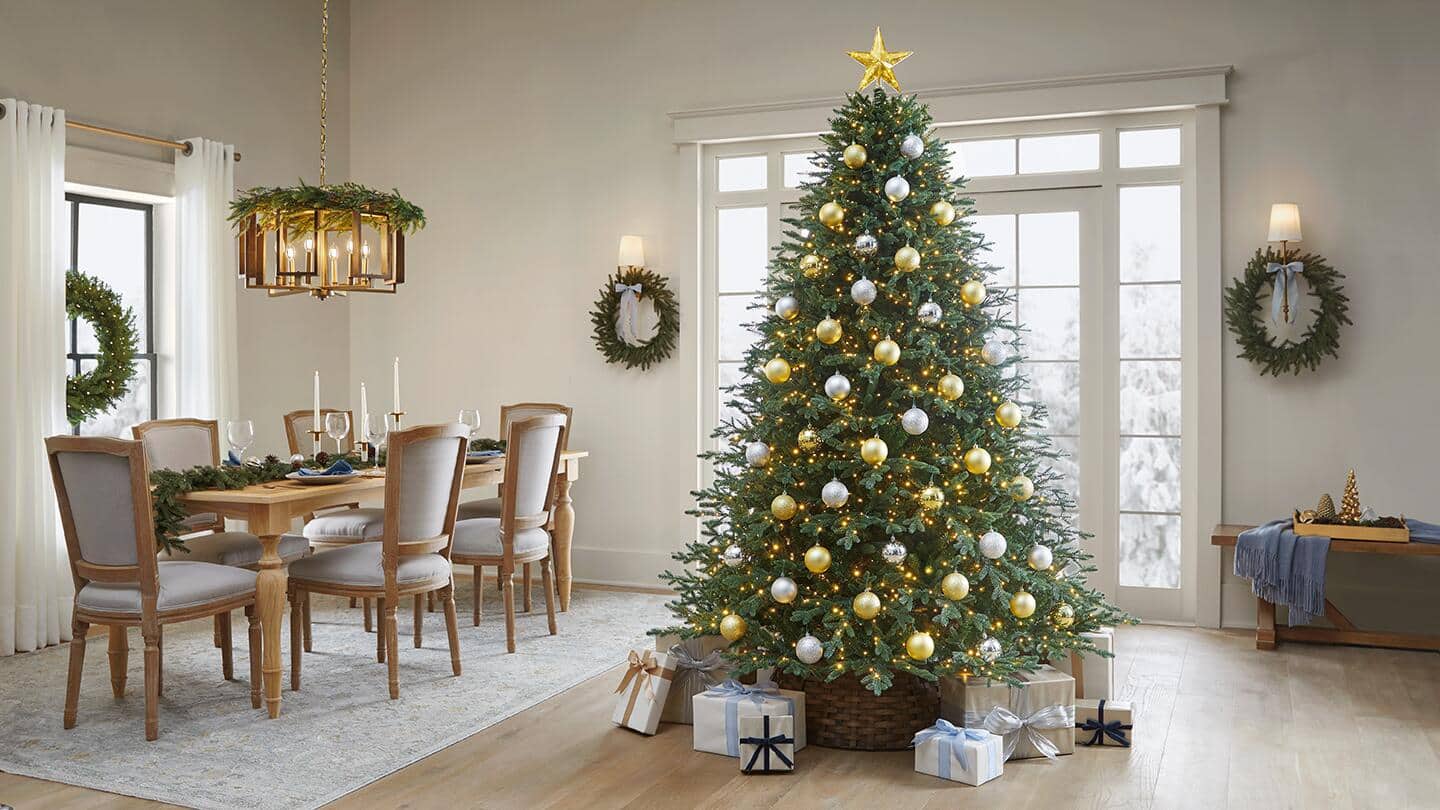
Credit: www.homedepot.com
Types Of Artificial Tree Materials
Artificial Christmas trees come in different materials. Each type affects how the tree looks and feels. Choosing the right material helps find the best tree for your home. Understanding the types of materials helps you decide.
Pvc Trees
PVC trees are the most common. They are made from thin plastic sheets. These sheets cut into needle shapes and attached to branches. PVC trees look shiny and full. They are affordable and easy to clean. Some people find them less realistic, but they last long.
Pe Trees
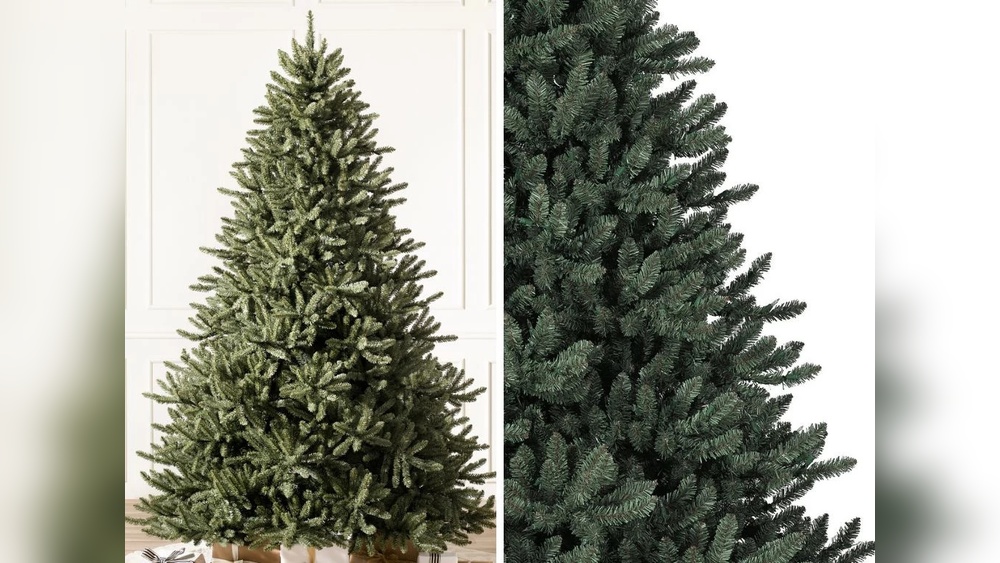
PE trees use molded plastic for needles. These needles look thicker and more natural. PE trees often have a richer texture and color. They cost more than PVC trees. PE trees give a realistic feel and appearance. They are perfect for those who want a lifelike tree.
Mixed Material Trees
Mixed material trees combine PVC and PE parts. Branches may use PE for realism. Tips or smaller branches use PVC for fullness. This mix gives a natural look and good volume. Mixed trees balance price and quality well. They suit people wanting both beauty and value.
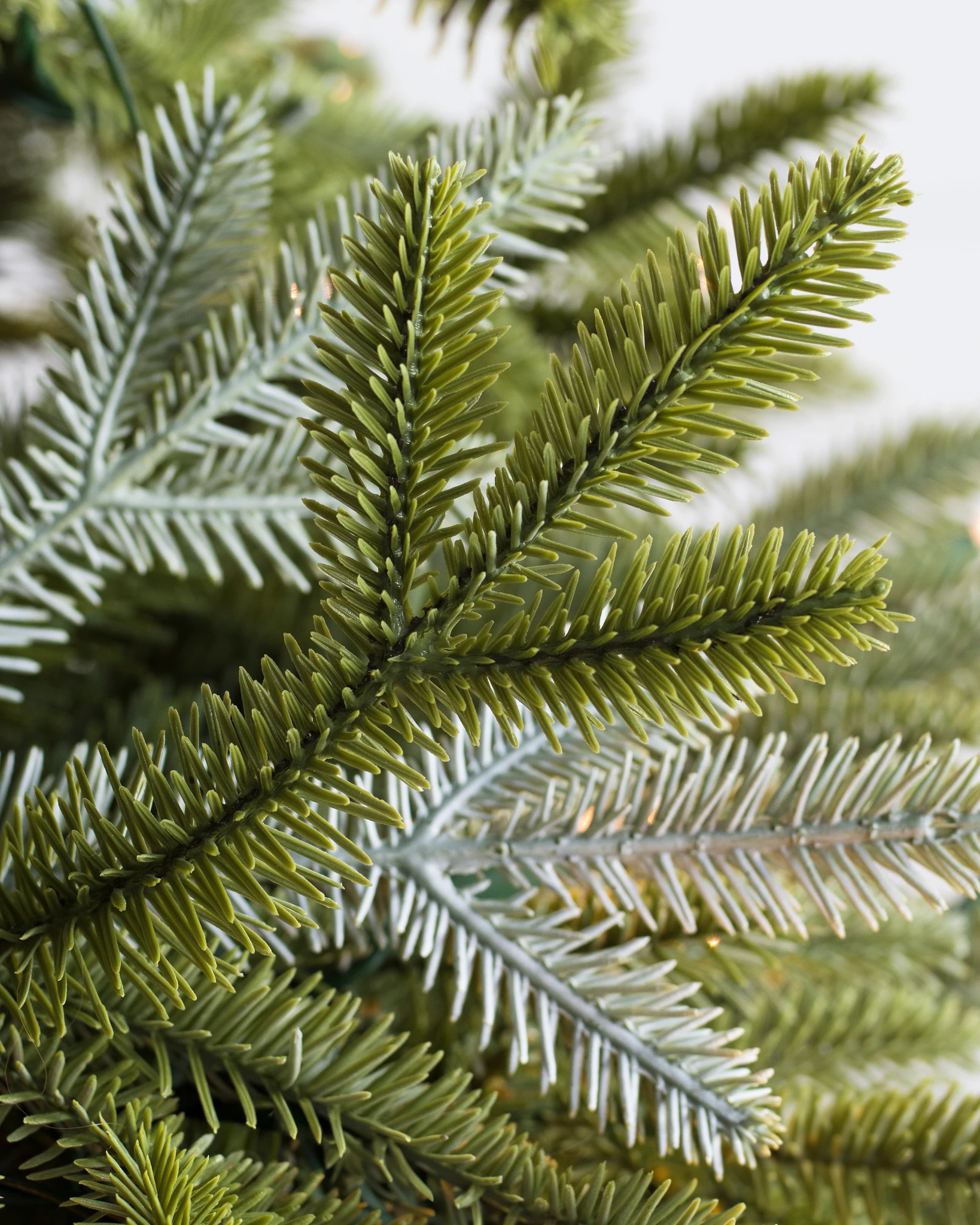
Credit: www.balsamhill.com
Pros And Cons Of Pvc Trees
PVC trees are a popular choice for artificial Christmas trees. They offer many benefits but also have some drawbacks. Understanding these can help you decide if a PVC tree suits your holiday needs.
Affordability And Availability
PVC trees are usually less expensive than other artificial trees. Many stores carry them, making them easy to find. This wide availability fits most budgets. It is simple to replace parts if needed. Great for families who want a budget-friendly option.
Appearance And Texture
PVC needles shine with a plastic-like look. They reflect light well, giving a bright effect. The texture feels smooth and firm but less natural. Some people say PVC trees look less real than other materials. Still, they create a festive and full tree shape.
Durability And Maintenance
PVC trees are sturdy and last for many years. They do not shed needles, which means less mess. Cleaning is easy with a soft cloth or duster. Avoid direct sunlight to keep colors from fading. Overall, they require low care and stay attractive.
Benefits Of Pe Trees
PE trees offer many benefits that make them a popular choice for artificial Christmas trees. They look very natural and feel sturdy. People enjoy their long-lasting quality. These trees also have a smaller impact on the environment compared to other materials. Understanding these benefits helps in choosing the best tree for your home.
Realistic Look And Feel
PE trees have thick, molded branches that mimic real pine needles. The texture and color are close to natural trees. This makes them look authentic in any room. The branches feel firm yet flexible. This adds to the true-to-life experience. PE trees often have a fuller shape, which many people prefer.
Longevity
PE trees are very durable and can last many years. They resist bending and breaking better than other types. This means you can use the same tree each holiday season. The material does not fade or wear out quickly. Storing the tree is easier because it keeps its shape well. This saves money over time.
Environmental Impact
PE trees are more eco-friendly than some alternatives. They use less plastic and harmful chemicals in production. Their long life reduces the need to buy new trees often. This lowers waste and pollution. Many PE trees are recyclable at the end of their use. Choosing a PE tree helps protect nature during the holidays.

Credit: www.inspirationswholesale.co.uk
Advantages Of Mixed Material Trees
Mixed material artificial Christmas trees combine different types of materials in one tree. This mix creates trees that look more natural and offer many benefits. These trees often use PVC and PE branches together. The blend gives a good balance of beauty, cost, and strength.
Balanced Appearance
Mixed material trees look fuller and more real. The soft PE tips mimic real pine needles well. The PVC parts add volume and fill gaps. This mix creates a natural green color and texture. It avoids the plastic shine that some trees have. Your tree will look lush and fresh all season.
Cost Efficiency
These trees are less expensive than all-PE trees. Using PVC for most branches lowers the cost. PE tips enhance the tree’s look without raising the price too much. You get a beautiful tree without spending a lot. It fits well for budget-conscious buyers who want quality.
Durability Factors
Mixed material trees last long and hold their shape. PE tips are sturdy and resist bending or breaking. PVC branches add flexibility and support. The combination makes the tree strong during setup and storage. It stands well for many Christmas seasons without damage.
Safety And Environmental Considerations
Choosing the right material for artificial Christmas trees involves more than looks. Safety and environment play a big role. Trees should be safe to use indoors and kind to the planet. Understanding fire risks, recyclability, and chemical emissions helps make smart choices.
Fire Resistance
Fire safety is a top concern for indoor decorations. Some artificial trees use materials that resist fire better. Polyvinyl chloride (PVC) often has fire-retardant treatments. This slows down burning and reduces smoke. Trees made with fire-resistant materials lower the risk of accidents during the holidays.
Recyclability
Most artificial trees last many years. After use, recycling them helps reduce waste. Some materials, like PVC, are harder to recycle. Trees made from polyethylene (PE) or other plastics may recycle more easily. Choosing recyclable materials supports the environment by cutting landfill waste.
Chemical Emissions
Artificial trees can release chemicals inside homes. These come from plastic parts and treatments used during manufacturing. Low-emission trees use safer materials and fewer harmful chemicals. Checking for certifications or labels can guide buyers to healthier options. This helps keep indoor air clean and safe for families.
Choosing Based On Budget And Style
Choosing the best material for an artificial Christmas tree depends a lot on budget and style. Your budget sets the limit on what you can spend. Style shows what fits your home and taste. Both affect the type and look of the tree you pick. Understanding these helps you find the perfect tree.
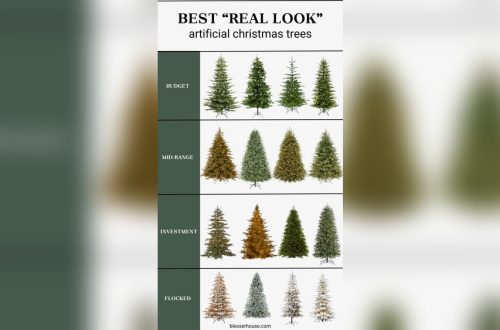
High-end Vs Budget Options
High-end artificial trees use premium materials. They often have realistic needles and strong branches. These trees last many years and look very natural. Budget options use cheaper materials like PVC. They are lighter and less detailed. They work well for short-term use or smaller spaces. Choose what fits your budget and needs best.
Traditional Vs Modern Designs
Traditional designs have green branches and classic shapes. They bring a warm, familiar holiday feel. Modern designs use unique colors like white or blue. Some have slim or unusual shapes. These trees fit well in contemporary homes. Pick a design that matches your home decor and mood.
Size And Shape Preferences
Artificial trees come in many sizes. Tall and full trees fill large rooms nicely. Small or slim trees suit tight spaces. Shapes include full, slim, or pencil styles. Consider how much space you have. Also, think about how much room you want the tree to take. Size and shape affect the tree’s overall look.
Care And Storage Tips For Longevity
Taking good care of your artificial Christmas tree helps it last for many years. Proper cleaning and storage keep the tree looking fresh and full. Small steps during assembly and handling also prevent damage. Follow these simple tips to enjoy your tree every holiday season.
Cleaning Methods
Dust the tree lightly using a soft cloth or a feather duster. Avoid wet cleaning as water can damage the branches. Use a vacuum with a brush attachment to remove dirt in tight spots. Clean the tree before packing it away to avoid stains and buildup.
Proper Storage Techniques
Store the tree in a cool, dry place to prevent moisture damage. Use the original box or a tree storage bag for protection. Avoid placing heavy items on top of the storage container. Keep the tree away from direct sunlight to maintain its color.
Handling And Assembly
Handle the tree gently to avoid bending or breaking branches. Follow the instructions for assembly step-by-step. Check that all parts fit securely to keep the tree stable. Store decorations separately to avoid scratches or damage to the tree.
Frequently Asked Questions
What Materials Are Used For Artificial Christmas Trees?
Artificial Christmas trees are commonly made from PVC, PE, or a mix of both. PVC offers affordability and traditional look, while PE provides a more realistic and durable appearance. Some premium trees use PE tips with PVC branches for a natural feel and enhanced longevity.
Why Is Pe Material Preferred For Christmas Trees?
PE (Polyethylene) material closely mimics real pine needles with thicker, molded branches. It is more durable, eco-friendly, and visually appealing than PVC. PE trees also hold ornaments better and resist fading, making them a popular choice for those seeking realism and long-term use.
How Does Pvc Material Affect Tree Quality?
PVC (Polyvinyl Chloride) is lightweight and cost-effective but less realistic. PVC needles are flat and shiny, which can look artificial. However, PVC trees are easier to assemble and maintain, making them suitable for budget-conscious buyers or those prioritizing convenience over realism.
Are Mixed-material Trees Better Than Single-material Ones?
Yes, mixed-material trees combine PE tips with PVC branches, offering both realism and affordability. This blend provides a natural appearance with sturdy construction. Mixed trees balance quality and cost, appealing to customers who want a lifelike tree without the higher price of full PE options.
Conclusion
Choosing the best material for your artificial Christmas tree depends on your needs. PVC trees offer a classic look and affordability. PE trees look more real but cost a bit more. Consider how often you use the tree and your budget.
Also, think about storage space and durability. Each material has its own benefits. The right choice makes your holiday bright and easy. Enjoy decorating with a tree that fits your style and home.