Your formal dining table is more than just a place to eat—it’s where memories are made and special moments are shared. But decorating it can feel tricky.
How do you strike the right balance between elegance and warmth? How do you make your table look stunning without overdoing it? If you want your guests to be impressed the moment they sit down, keep reading. This guide will show you simple, effective ways to decorate your formal dining table that will make every meal feel like a celebration.
:strip_icc()/Formal-dining-101482807-AVYU4A43qBw9a5QDlKqdeW-4de40ddbad76441f9a7a0d10206d39cc.jpg)
Credit: www.bhg.com
Choose A Theme
Choosing a theme helps create a clear look for your formal dining table. It guides your choice of colors, decorations, and tableware. A strong theme makes the table inviting and well put together. It also reflects your style and the mood you want to set.
Classic Elegance
Classic elegance brings timeless beauty to your dining table. Use white or cream tablecloths for a clean base. Add silver or gold cutlery for a touch of shine. Crystal glasses and fine china complete the look. Fresh flowers, like roses or lilies, add softness. Keep the colors soft and neutral for grace.
Modern Minimalism
Modern minimalism focuses on simplicity and clean lines. Choose a simple table runner or placemats in neutral tones. Use sleek plates and basic silverware with no extra patterns. Add one or two simple centerpieces, like a small vase with green leaves. Avoid clutter to keep the table neat and calm.
Seasonal Inspirations
Seasonal themes bring nature’s changes indoors. Use warm colors like orange and brown in fall. Add pinecones or small pumpkins as decorations. For winter, choose white and silver with candles. Spring calls for pastel colors and fresh flowers. Summer works well with bright colors and fruit bowls. Change your theme to match the season’s mood.
:strip_icc()/Midcentury-modern-dining-room-HGQ36597-E78HH53cq_eA6d2sgX1v8t-b8a6ea0f544f43d59feabcc6aba6a546.jpg)
Credit: www.bhg.com
Select The Perfect Tablecloth
Selecting the perfect tablecloth sets the tone for your formal dining table. It creates a base for all other decor elements. The right choice enhances the table’s elegance and comfort. Think about the fabric, color, and design carefully. These details affect the overall look and feel of your dining space.
Fabric Choices
Choose a fabric that feels good and looks fine. Cotton offers a classic look and is easy to clean. Linen adds a touch of luxury and breathes well. Polyester is durable and resists stains. Silk feels elegant but needs gentle care. Pick a fabric that matches your lifestyle and event type.
Color Coordination
Match the tablecloth color with your room’s style. Neutral shades like white, beige, or gray work well for formal settings. Dark colors add drama and hide stains. Soft pastels bring a light and fresh vibe. Consider the color of your dishes and flowers for harmony.
Pattern And Texture
Patterns add interest but keep them subtle. Simple stripes or small prints suit formal tables best. Avoid busy designs that distract from the meal. Textured fabrics like damask or jacquard add depth. Texture creates a rich look without overwhelming the table.
Arrange Dinnerware
Arranging dinnerware sets the tone for your formal dining table. It creates a neat and inviting space for guests. Proper placement shows care and attention to detail. Each piece has its place to make dining easier and elegant.
Plates And Chargers
Start with chargers as the base for each setting. They add color and style beneath plates. Place the dinner plate centered on the charger. If using salad or appetizer plates, stack them neatly on top. Keep plates aligned with the edge of the table.
Glassware Placement
Glassware goes above the knives, on the right side. Water glasses sit closest to the plate. Wine glasses arrange next to the water glass. Space glasses evenly and keep their bases aligned. This setup looks clean and balanced.
Cutlery Setup
Place forks to the left of the plate. Knives and spoons go to the right, knives closest to the plate. Blade edges face inward. Arrange cutlery in order of use, starting from the outside. This helps guests know which utensil to use first.
Add Centerpieces
Centerpieces bring life and style to a formal dining table. They create a focal point that draws the eye and sets the mood. Choosing the right centerpiece can make your table look elegant and inviting.
Centerpieces should be balanced and not block guests’ views. Size and height matter to keep conversation easy. Here are some ideas to decorate your formal dining table with beautiful centerpieces.
Floral Arrangements
Fresh flowers add color and freshness to the table. Choose flowers that match your room’s style and season. Low arrangements work best to avoid blocking sight lines. Use simple vases or bowls for a clean look. Mix different flowers for texture and interest.
Candles And Lanterns
Candles create a warm, soft glow perfect for formal dinners. Place candles in holders that match your tableware. Lanterns add charm and can hold multiple candles safely. Use unscented candles so food flavors stay pure. Arrange candles evenly for a balanced look.
Decorative Objects
Unique objects add personality to your table. Choose items like glass bowls, small sculptures, or elegant trays. Keep the style consistent with the rest of your decor. Use metallic or natural materials for a sophisticated touch. Group objects in odd numbers for visual appeal.
Incorporate Linens And Napkins
Incorporating linens and napkins enhances the look of a formal dining table. These elements add texture and color, creating a warm and inviting atmosphere. Choosing the right fabrics and styles helps set the tone for the meal. Linens and napkins also show attention to detail and care for guests. Simple touches can make the table feel more elegant and complete.
Napkin Folding Techniques
Napkin folding adds charm and style to the table. Basic folds like the triangle or rectangle keep things neat. More creative folds, such as the fan or rose, impress guests. Folding napkins neatly shows respect for the dining experience. Practice simple folds to enhance your table’s appearance without extra effort.
Napkin Rings
Napkin rings hold napkins in place and add decoration. Choose rings that match the table’s color and theme. Metal, wood, or fabric rings all work well. They help keep napkins tidy and easy to use. Napkin rings give a polished, finished look to each setting.
Placements And Mats
Placemats protect the table and highlight each setting. Select mats in colors that complement the linens and dishes. Use materials like linen, bamboo, or cork for texture and style. Placemats help define personal space for guests. They add balance and structure to the formal dining table.
Use Lighting To Enhance Ambiance
Lighting plays a key role in setting the mood at a formal dining table. It can make the space feel warm, inviting, and elegant. The right lighting helps guests feel comfortable and enhances the beauty of your table setup.
Soft, well-placed light draws attention to the table’s details. It highlights centerpieces, fine china, and glassware. Different lighting options give you control over the atmosphere for any event.
Chandeliers And Pendant Lights
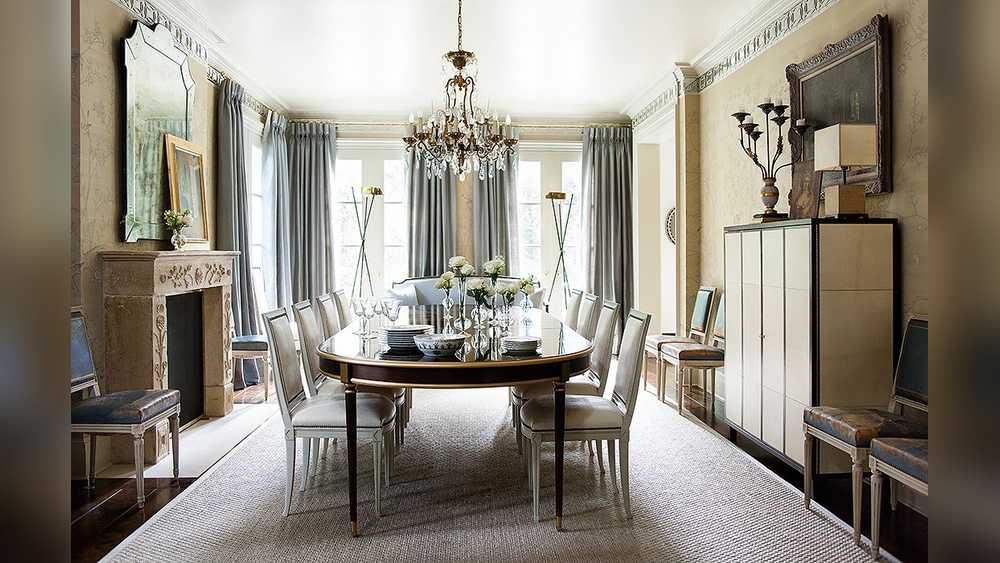
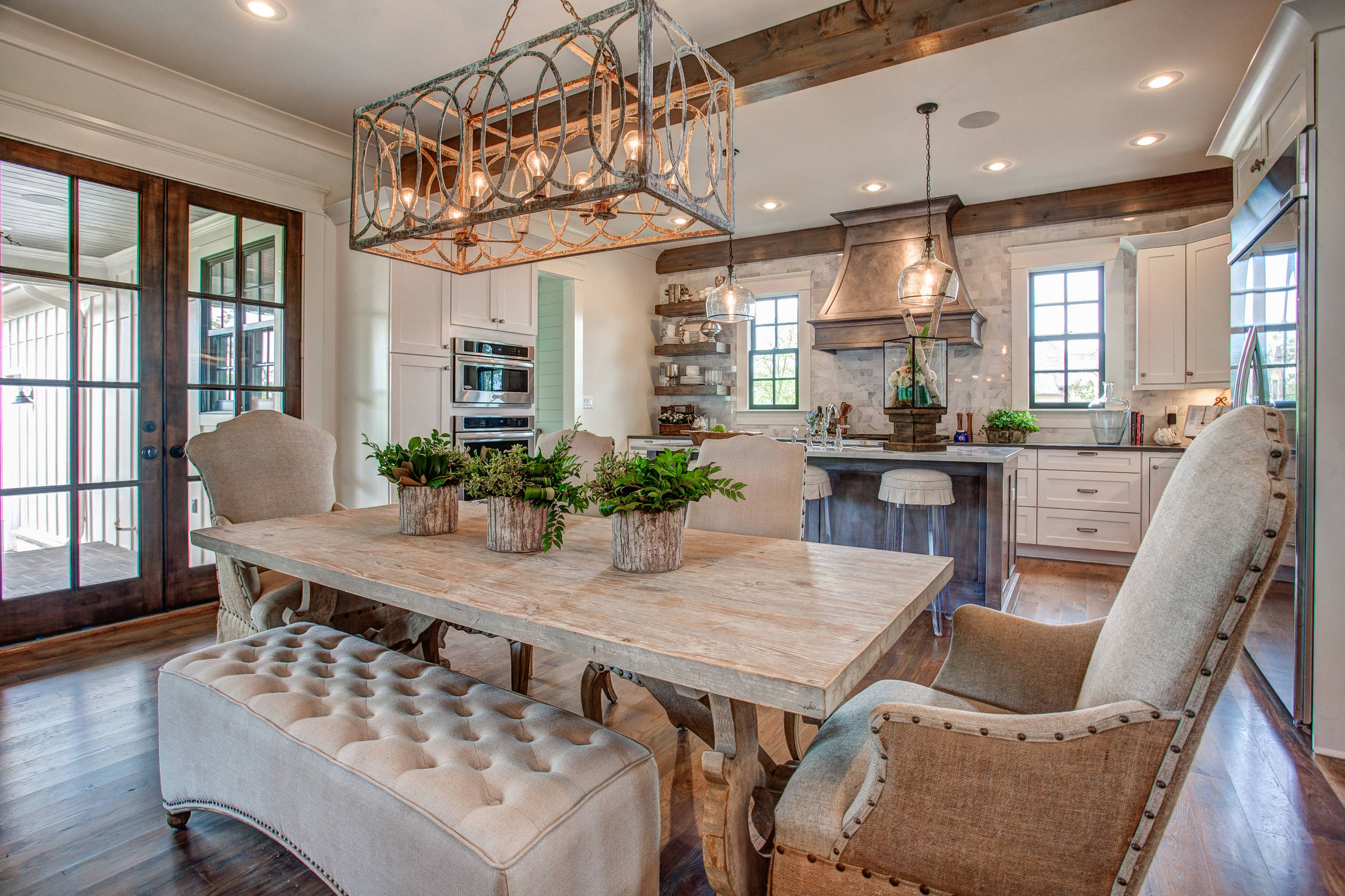
Chandeliers add a classic touch to formal dining rooms. They hang above the table and provide even light. Choose a chandelier that fits the room size and style. Pendant lights work well for smaller tables or modern decor. Both create a focal point and elevate the dining experience.
Candlelight Effects
Candles bring a soft, flickering glow that feels cozy. Use candle holders or lanterns for safety and style. Group candles in the center or scatter them along the table. Candlelight adds romance and a timeless charm to your dining setup.
Dimers And Accent Lighting
Dimmers let you adjust the brightness to suit the occasion. Lower light levels create intimacy and calm. Accent lighting highlights art or architectural features nearby. Use small lamps or LED strips for subtle effects. This layered lighting approach makes the room more dynamic and inviting.
Add Personal Touches
Adding personal touches to your formal dining table makes the setting warm and inviting. It shows care and thoughtfulness for your guests. Simple details can make a big difference. Personal elements create a unique and memorable dining experience.
Use these ideas to decorate with charm and personality. Each piece can tell a story or highlight your style. Personal touches help guests feel special and welcome at your table.
Place Cards
Place cards guide guests to their seats with style. Write each name clearly using elegant handwriting. Use small cards or tags that match your table theme. Place cards add order and a personal note. They also help guests connect with each other easily.
Themed Accessories
Themed accessories bring personality to your dining table. Choose items that reflect the occasion or season. Use napkin rings, small centerpieces, or decorative stones. These small touches tie the table together. They show your creativity and attention to detail.
Custom Menus
Create custom menus to highlight your meal choices. Print or write menus on quality paper that fits your style. Menus add elegance and inform guests about the dishes. They also build excitement for the meal ahead. Custom menus make your event feel planned and special.
Credit: www.nefeg.com.br
Balance And Symmetry
Balance and symmetry create a calm and inviting atmosphere for a formal dining table. They help every item look like it belongs. A well-balanced table feels organized and pleasing to the eye. Symmetry means matching items on each side of the table. This method brings harmony and order to the setting.
Spacing Elements
Keep space between items clear and even. Avoid crowding plates, glasses, or decorations. Equal gaps make the table feel neat and relaxed. Use the same distance between chairs and place settings. This helps guests feel comfortable and welcomed.
Visual Flow
Arrange items so the eyes move smoothly across the table. Place taller pieces in the center or at both ends. Smaller items should fill the gaps gently. This flow guides guests’ attention without confusion or clutter.
Proportional Arrangements
Match the size of decorations to the table size. Large tables need bigger centerpieces or more pieces. Small tables look best with fewer, smaller decorations. Keep plates, napkins, and cutlery balanced in size and style. This makes the setting look well planned and elegant.
Frequently Asked Questions
How Do I Choose A Centerpiece For A Formal Dining Table?
Select a centerpiece that complements your table size and theme. Use flowers, candles, or elegant bowls to create balance without overcrowding the space.
What Tableware Is Best For Formal Dining Table Settings?
Opt for fine china, polished silverware, and crystal glassware. Ensure all pieces match in style and are spotless to enhance the formal look.
How Can I Arrange Napkins Stylishly On A Formal Table?
Fold napkins into classic shapes like fans or rectangles. Place them on plates or beside silverware to add sophistication and neatness.
Should I Use Placemats Or Table Runners For Formal Tables?
Table runners add elegance and unify the decor. Avoid bulky placemats; instead, use subtle ones that don’t distract from the tableware.
Conclusion
A formal dining table sets the tone for special meals. Simple touches like clean linens and balanced centerpieces create charm. Choose colors and items that match your style. Keep the table neat and inviting for guests. Small details make a big difference in presentation.
Enjoy the process of arranging your table with care. A well-decorated table brings warmth and elegance to your home.