When your front door opens directly into your dining room, decorating can feel tricky. You want your space to look welcoming, stylish, and functional all at once.
But how do you create a smooth flow without making the room feel cramped or awkward? If you’ve been wondering how to make the best first impression the moment you step inside, this guide is for you. Keep reading to discover simple, effective tips that will transform your dining room entryway into a space that feels just right for you and your guests.
Credit: emilyaclark.com
Choose A Welcoming Color Palette
Choosing the right color palette sets the tone for your entry and dining space. It helps create a warm and inviting atmosphere. Colors can either blend the areas or make them stand out as separate zones. The right shades can make your home feel larger and more welcoming.
Soft Neutrals For Seamless Flow
Soft neutral colors like beige, cream, and light gray create a calm, smooth transition. These shades make the space feel open and airy. They work well if you want the front door and dining room to feel connected. Neutral colors also allow you to add color with accessories later. This choice keeps the design simple and elegant.
Bold Hues To Define Spaces
Using bold colors can help separate the entry from the dining area. Deep blues, rich greens, or warm reds catch the eye and create a statement. These colors give each area its own identity while keeping a strong style. Bold hues work best if your dining room has unique furniture or décor. They add personality and make the space memorable.
Create A Clear Pathway
Creating a clear pathway is key when your front door opens into the dining room. It helps guests move easily without bumping into furniture. A clear path also makes the space feel open and welcoming. Planning the layout carefully improves flow and comfort.
Furniture Placement Tips
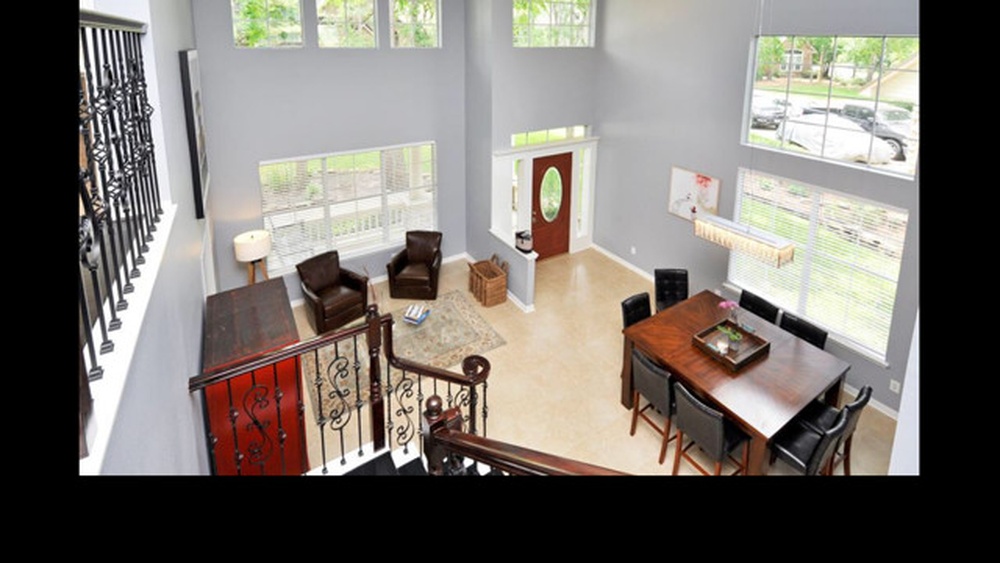
Place dining chairs and tables away from the direct path of the door. Leave enough space for people to walk without squeezing past furniture. Use smaller pieces near the entrance to avoid blocking the way. Keep bulky items against the walls. This creates a smooth route from the door to the rest of the room.
Use Rugs To Guide Movement
Choose rugs that define the walking path clearly. A long, narrow rug can show where to step. Rugs with simple patterns avoid confusion. Place rugs so they do not cause tripping. This helps guests know the right way to go without thinking.
Add Functional Entryway Elements
Adding functional entryway elements can make a dining room feel welcoming and organized. These elements help manage clutter and keep essentials within reach. They also create a smooth transition from the front door to the dining space. Small but smart additions can make a big difference.
Compact Storage Solutions
Choose storage that fits small spaces. Narrow benches with hidden compartments work well. Use baskets or bins to keep shoes and bags tidy. A slim console table can hold keys and mail. These options keep the area neat without crowding the room.
Decorative Hooks And Shelves
Wall hooks offer easy access for coats and hats. Pick designs that match your decor style. Floating shelves add space for small plants or decor items. Use them to store everyday items like sunglasses or scarves. These pieces keep the entryway functional and stylish.
Incorporate Stylish Lighting
Lighting plays a key role in spaces where the front door opens into the dining room. It sets the mood and defines the area. Stylish lighting can create a warm, welcoming feel. It also helps to separate the entryway from the dining space. Choose fixtures that complement both areas. Balance brightness and style for a cozy, elegant look.
Statement Pendants Above Dining
Choose a bold pendant light above the dining table. It draws attention and creates a focal point. Pick a design that matches your dining style. Glass, metal, or fabric shades work well. Hang the pendant at the right height. It should be low enough to light the table but high enough for easy conversation. Statement pendants add personality and charm.
Warm Entryway Fixtures
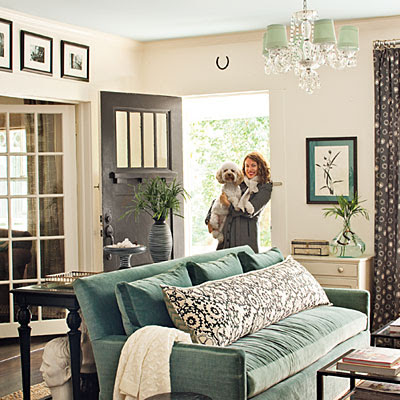
Select warm, soft lights for the entryway area. Wall sconces or small chandeliers work nicely. They provide gentle illumination without overpowering the space. Warm lighting makes guests feel at home right away. Look for fixtures with dimming options. This allows you to adjust light levels for different moods. Warm entryway lighting blends beauty with function.
Use Art And Accessories
Art and accessories bring personality to a dining room, especially when the front door opens directly into it. They create visual interest and make the space feel inviting. These elements also help define the dining area and make it feel separate from the entryway. Choose pieces that reflect your style and complement the room’s colors.
Gallery Walls Near Door
A gallery wall near the door adds charm and style. Use a mix of frames with different sizes and shapes. Include family photos, artwork, and prints that you love. Keep the layout balanced to avoid clutter. The wall becomes a focal point that welcomes guests warmly. It also draws attention away from the door itself.
Centerpieces That Impress
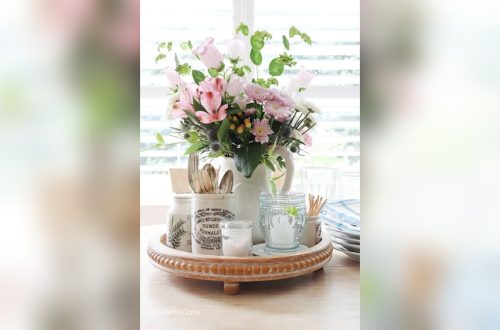
A beautiful centerpiece makes the dining table stand out. Use fresh flowers or a bowl of seasonal fruit for a natural touch. Candles add warmth and soft light during meals. Choose accessories that are easy to move if the table doubles as a pathway. Simple, elegant centerpieces enhance the dining experience without crowding the space.

Credit: www.dwell.com
Balance Privacy And Openness
Balancing privacy and openness is key when the front door opens into the dining room. You want guests to feel welcome but also maintain some privacy in dining areas. Creating a subtle separation helps define spaces without making the room feel smaller. The goal is to keep a flow while protecting private moments.
Using smart design choices can help keep this balance. You can create a barrier that doesn’t block light or air. This way, the dining room stays bright and inviting. It also stops the front door area from feeling like it’s inside the dining space.
Room Dividers And Screens
Room dividers are perfect for creating a soft boundary. They come in many styles, from folding screens to sliding panels. You can choose a design that matches your dining room decor. Light materials like bamboo or fabric allow light to pass through. This keeps the space airy while adding privacy.
Screens can be moved or folded away when you want a more open feel. They also add texture and interest to the room. Using dividers helps stop the dining area from feeling exposed right at the door.
Plants As Natural Separators
Plants offer a natural way to separate spaces without walls. Tall plants or groupings create a green barrier between the door and dining table. They bring life and color into the room.
Choose plants that grow tall and wide, like fiddle leaf figs or palms. Place them in decorative pots to add style. Plants also improve air quality and add a fresh scent.
This natural divider feels soft and inviting. It keeps the dining room private but connected to the rest of the home.
Choose Durable And Easy-care Materials
Choosing durable and easy-care materials is key when your front door opens into the dining room. This area faces constant use and needs materials that stand up to wear. Tough surfaces and fabrics keep the space looking fresh and clean longer. They also reduce the need for frequent repairs or replacements.
Focus on materials that resist stains and damage. Select items that are simple to maintain and clean. This makes daily life easier and keeps your dining room inviting for guests and family.
Flooring Options For High Traffic
Floors near the front door get heavy foot traffic. Choose floors that handle wear and tear well. Hardwoods with a strong finish work nicely. They show less damage and clean easily.
Tile is another great option. It resists scratches and stains. Plus, it cleans quickly with just a mop. Vinyl flooring offers durability and water resistance. It also feels softer underfoot than tile.
Stain-resistant Fabrics
Dining room chairs and cushions need fabrics that repel stains. Look for fabrics labeled stain-resistant or treated to block spills. These fabrics keep your furniture looking new longer.
Microfiber and leather are excellent choices. They wipe clean and do not absorb liquids quickly. Avoid delicate materials like silk or linen that stain easily.

Credit: www.reddit.com
Frequently Asked Questions
How To Create A Welcoming Entry In Dining Room?
Use a small console table with decorative items. Add a mirror to reflect light and make space feel larger. Place a stylish rug to define the entry area and add warmth.
What Colors Work Best For Front Door In Dining Room?
Choose colors that complement dining room decor. Soft neutrals create harmony, while bold colors add personality. Red or blue doors can make a striking focal point.
How To Separate Front Door From Dining Space Visually?
Use a decorative screen or a tall plant as a divider. Rugs or lighting differences also help define separate areas without blocking flow.
Can Lighting Improve A Front Door Opening Into Dining Room?
Yes, layered lighting enhances both areas. Use pendant lights over the dining table and a wall sconce or table lamp near the door.
Conclusion
Decorating a dining room with a front door requires balance and care. Choose light colors to make space feel open and bright. Use small furniture to avoid crowding near the door. Add a rug to define the dining area clearly.
Keep pathways clear for easy movement. A mirror can reflect light and add depth. Personal touches, like artwork or plants, create warmth. These simple ideas help your space look inviting and functional. Small changes make a big difference in how guests feel when entering.