Have you ever wondered when the very first artificial Christmas tree came to life? If you’re like many who love the festive spirit but want an easy, mess-free way to decorate, this might surprise you.
Knowing the story behind this popular holiday tradition can change the way you see your own Christmas setup. Keep reading, and you’ll discover the fascinating origins of the artificial Christmas tree—and why it became a favorite in homes around the world.
Your next holiday decoration might just feel a little more special after this.
Early Holiday Decorations
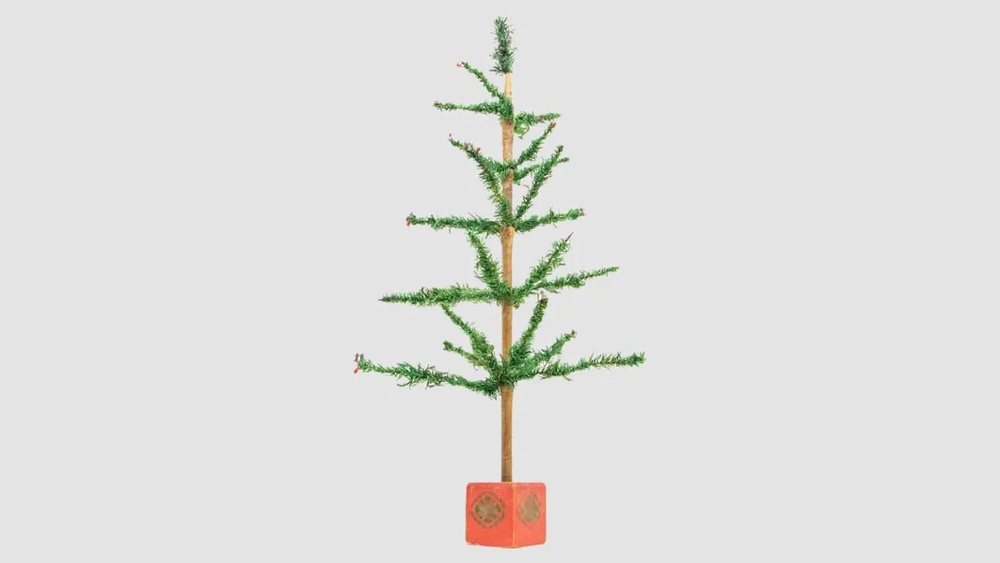
Artificial Christmas trees first appeared in Germany in the 19th century. Early versions used feathers dyed green to look like pine needles. These trees offered a new way to decorate for the holidays without real branches.
Traditional Christmas Tree Practices
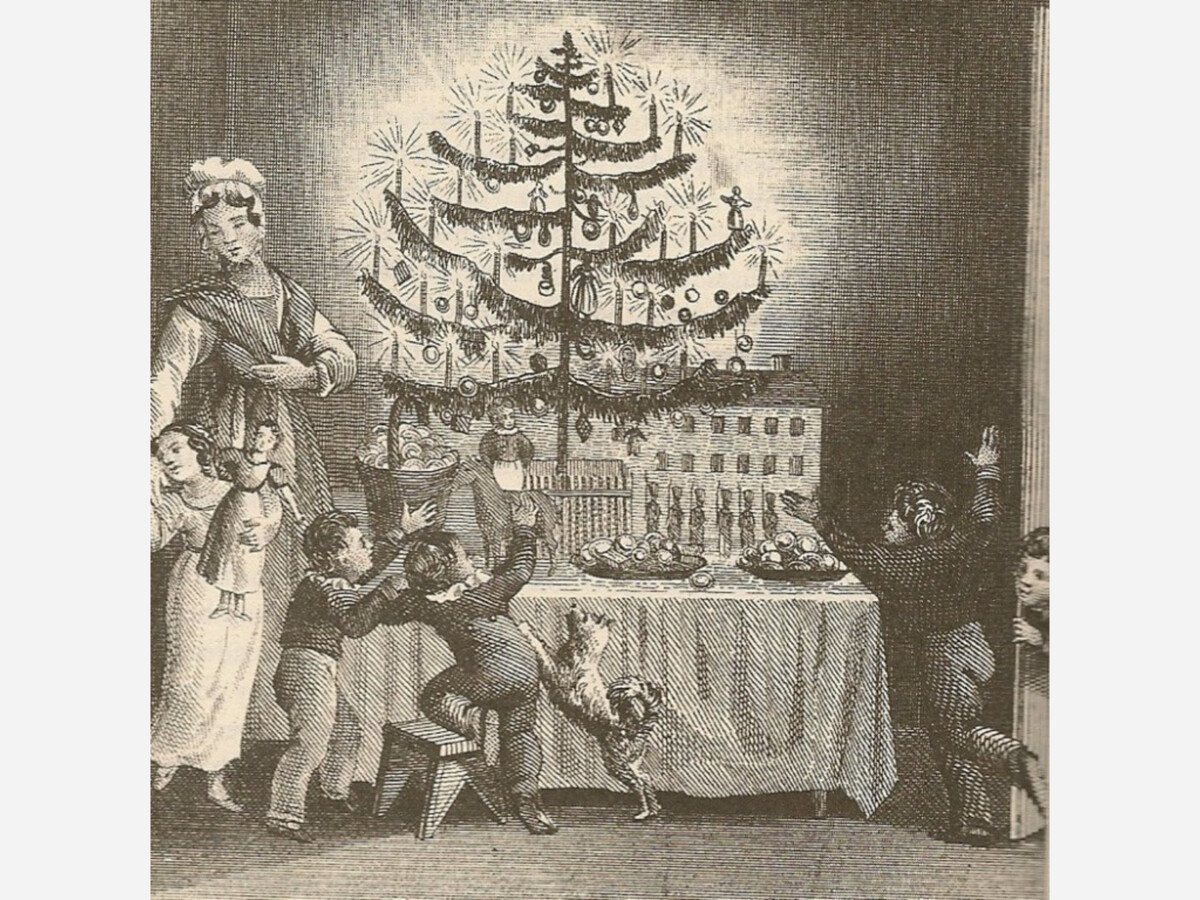
Before artificial trees, people used real evergreen trees for Christmas. These trees symbolized life and hope during cold winter months. Families picked fresh trees from forests or bought them in markets. They decorated trees with candles, fruits, and handmade ornaments. This tradition started in Germany in the 16th century and spread across Europe. People enjoyed gathering around the decorated tree during holiday celebrations.
Materials Used Before Artificial Trees
Early decorations were made from natural materials. People used dried fruits like apples and oranges to hang on branches. Nuts, popcorn strings, and paper ornaments were common too. Candles were attached carefully to the branches for light. Some families used sweets and cookies as decorations. All these materials showed creativity and made trees festive. These natural items slowly inspired the creation of artificial decorations later.
Birth Of The First Artificial Tree
The story of the first artificial Christmas tree begins in the late 19th century. People wanted a tree that would last longer and be safer indoors. Natural trees often dropped needles and could catch fire. Inventors worked on ideas to create a tree that looked real but was made from other materials.
These early trees helped shape the way we celebrate Christmas today. They offered a new option for holiday decoration. The development combined creativity with practical needs. This birth marked a new chapter in Christmas traditions.
Inventors And Innovators
German inventors are often credited with the first artificial Christmas trees. They aimed to make trees that looked like real pine. These innovators used local materials and simple tools. Their work inspired others around the world. Over time, more inventors improved the designs.
One key figure was a German company that made feather trees. They dyed goose feathers green and attached them to wire branches. This method made the trees look fuller and more natural. The feather tree became popular in Europe and America.
Initial Designs And Materials
The earliest artificial trees used feathers, wood, and wire. Goose feathers were split and dyed to resemble pine needles. Wire held the feathers in place and formed branches. Some trees used green-painted wood or brush bristles. These materials made the trees reusable and safe from fire.
Designs varied in size and shape. Some trees were small and used for tabletops. Others were larger for room decoration. The focus was on durability and realism. These first models laid the groundwork for modern artificial trees.
Timeline Of Artificial Tree Development
The timeline of artificial tree development shows how these trees evolved. It tracks changes from simple early models to modern versions. Each step made artificial trees more popular and practical. This history reveals the creativity behind holiday decorations.
Early 20th Century Milestones
The first artificial Christmas trees appeared in the early 1900s. They were made from feathers dyed green to look like pine needles. These trees came from Germany and were hand-crafted. People liked them because they were reusable and less messy than real trees. This period set the stage for more improvements in design.
Post-war Innovations
After World War II, new materials changed artificial trees. Aluminum became popular for its shiny, modern look. These trees were lightweight and fire-resistant. Factories produced them in large numbers, making them affordable. The 1950s and 1960s saw a boom in artificial tree sales. This era brought the artificial Christmas tree into many homes.
:focal(500x333:501x334)/https://tf-cmsv2-smithsonianmag-media.s3.amazonaws.com/filer_public/e5/9b/e59bf588-b53c-4f59-81e9-c86f49c199d4/tree3.jpg)
Credit: www.smithsonianmag.com
Reasons Behind Artificial Tree Popularity
Artificial Christmas trees have gained wide acceptance over the years. Many families choose them instead of real trees. Several factors drive this preference. Understanding these reasons helps explain their growing popularity.
People want options that save time and reduce waste. Artificial trees meet these needs well. They offer benefits that appeal to many holiday decorators.
Environmental Concerns
Some worry about cutting down real trees every year. Replanting efforts help, but not everyone is sure it is enough. Artificial trees reduce the demand for fresh-cut trees. They can be reused for many years. This reuse lowers the impact on forests. Also, no needles fall on the floor, so less cleaning is needed.
Convenience And Longevity
Setting up an artificial tree takes less time. No watering or cleaning up fallen needles is required. These trees come in many sizes and styles. They stay fresh-looking throughout the holiday season. After Christmas, they pack away easily and last for years. This convenience attracts busy families and those who want a hassle-free holiday.
Modern Artificial Trees
Modern artificial Christmas trees have changed a lot since the first versions appeared. Today, these trees look more real and offer many features. They are easier to use and decorate. Many people choose them for their convenience and style.
Advances in technology have made artificial trees more popular. These trees now come in many shapes and sizes. People find options that fit their homes perfectly. The modern designs also help save time during the holiday season.
Technological Advances
Modern artificial trees use new materials that look like real pine needles. The branches are made from safe plastics that hold their shape well. Some trees have built-in lights that turn on with a switch. This saves time and avoids tangled cords.
Other trees feature flame-retardant coatings to keep homes safe. Some models fold or come in sections for easy storage. These improvements make setting up and taking down the tree simple. The focus is on making the experience stress-free and enjoyable.
Variety And Customization
Artificial trees come in many colors, from green to white and even pink. Some have frosted tips to mimic snow. Buyers can choose from slim trees for small spaces or full trees for large rooms.
People can also select pre-lit trees or ones without lights. Some brands offer customizable decorations and branch shapes. This allows each person to create a unique holiday look. The wide variety helps everyone find a tree they love.

Credit: en.wikipedia.org
Cultural Impact And Trends
The first artificial Christmas tree had a lasting cultural impact. It changed how people celebrate the holidays. Over time, these trees influenced holiday traditions and shopping habits. People began to see Christmas decorations in new ways. The artificial tree became more than just a decoration. It became part of holiday culture and family memories.
Changing Holiday Traditions
Artificial Christmas trees changed the way families decorate. They offered a reusable option that saved time and money. Many people started using them instead of real trees. This shift helped reduce the demand for cutting live trees. Families could reuse the same tree each year. This new tradition made holiday decorating easier and cleaner.
Children grew up with artificial trees in their homes. They added new styles and colors to holiday décor. This change influenced how people saw Christmas celebrations. The artificial tree became a symbol of modern holiday life.
Market Growth And Consumer Behavior
The market for artificial Christmas trees grew steadily. More stores began to sell various styles and sizes. Consumers wanted trees that fit their homes and budgets. The variety made artificial trees popular worldwide. People appreciated the convenience and durability.
Shopping habits shifted towards buying decorations early. Many bought trees before the holiday rush. Online shopping also increased for artificial trees. This trend shows how consumer behavior evolved with new technology. The first artificial Christmas tree started a market trend still strong today.
Credit: westwoodminute.town.news
Frequently Asked Questions
When Was The First Artificial Christmas Tree Made?
The first artificial Christmas tree was made in Germany during the 1880s. It was crafted using goose feathers dyed green to resemble pine needles.
Why Were Artificial Christmas Trees Invented?
Artificial trees were invented to offer a reusable and fire-safe alternative to natural trees. They helped reduce deforestation and lasted many years.
What Materials Were Used In Early Artificial Trees?
Early artificial trees were made from dyed goose feathers attached to wire branches. This design mimicked real pine trees closely.
How Did Artificial Christmas Trees Evolve Over Time?
Artificial trees evolved from feather designs to plastic and PVC. Modern trees offer more realism and convenience with various shapes and colors.
Conclusion
The first artificial Christmas tree appeared in the late 19th century. It changed how people decorated for holidays. Today, these trees come in many shapes and sizes. They offer a reusable, convenient option for families. Many enjoy their ease and lasting beauty.
Understanding their history adds to holiday joy. The story of artificial trees shows human creativity and tradition. A simple invention that grew into a holiday favorite. It’s a reminder that even small ideas can last.