Choosing between an artificial or a real Christmas tree might seem simple, but it’s more important than you think. Your decision affects your holiday vibe, budget, and even the environment.
Are you dreaming of that fresh pine scent filling your home, or do you want a tree that lasts for years without the mess? By the end of this article, you’ll know exactly which tree fits your style and needs.
Keep reading to discover what makes each option special—and which one will make your Christmas truly magical.

Credit: www.puroclean.com
Types Of Christmas Trees
Christmas trees come in many types. Each type offers a unique look and feel. Choosing the right tree depends on your taste and needs. Understanding the main types helps make a better choice.
There are two big groups: artificial trees and real trees. Both have many varieties to explore. Let’s see what makes each special.
Artificial Trees Varieties
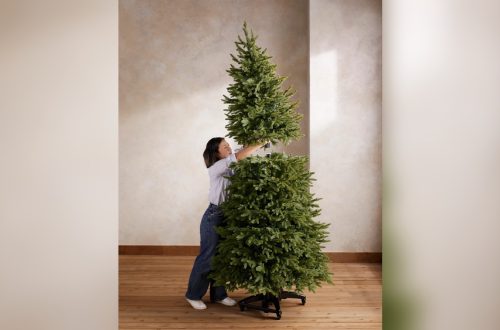
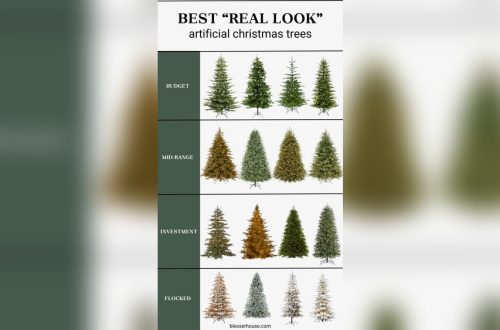
Artificial trees come in many styles and sizes. Some look very real with detailed needles. Others have a classic, simple design. You can find trees with built-in lights or plain ones. Some are pre-lit with white or colored bulbs. They are easy to set up and reuse each year. Materials vary from plastic to more eco-friendly options. You can find slim trees for small spaces or full, wide ones for large rooms.
Real Tree Species
Real trees offer fresh scent and natural beauty. Popular species include fir, pine, and spruce. Fir trees have soft needles and hold ornaments well. Pine trees have long needles and a strong smell. Spruce trees have sharp needles and a classic shape. Each species has a different color and needle texture. Real trees need water to stay fresh. They bring a natural touch to holiday decor.

Credit: www.youtube.com
Cost Comparison
Choosing between an artificial and a real Christmas tree involves thinking about cost. Money matters a lot when planning holiday decorations. Comparing expenses helps make a smart choice.
Initial Investment
Buying a real tree means paying for it every year. Prices vary by tree size and type. Smaller trees cost less, while big ones cost more. You also spend on transportation and tree stand.
Artificial trees cost more at first. You pay once for a tree that lasts several years. High-quality trees may cost more, but they look real and last longer.
Long-term Expenses
Real trees must be bought every Christmas. This adds up over time. Also, you might spend on watering and cleaning up fallen needles.
Artificial trees need little care and no yearly purchase. Sometimes, you pay for storage or small repairs. Over several years, these costs are usually lower than buying real trees yearly.
Environmental Impact
Choosing between an artificial or real Christmas tree affects the environment differently. Each type has unique impacts on nature. Understanding these effects helps make better choices for the planet.
Sustainability Of Artificial Trees
Artificial trees are made from plastic and metal. These materials come from fossil fuels, which harm the environment. Production uses energy and creates pollution. Many artificial trees last for several years. Reusing them reduces waste. Yet, they are hard to recycle. Most end up in landfills. The longer you keep one, the better for the environment. Throwing them away after one season increases pollution.
Ecological Effects Of Real Trees
Real Christmas trees grow on farms, absorbing carbon dioxide. They provide homes for wildlife during growth. After the holidays, they can be recycled as mulch or compost. Cutting real trees means fewer forests are destroyed. Farmers plant new trees to replace them. This cycle supports soil health and biodiversity. Transporting real trees creates some pollution. But they decompose naturally and return nutrients to soil. Real trees offer a renewable option if sourced responsibly.
Convenience And Maintenance
Choosing between an artificial and a real Christmas tree involves thinking about convenience and maintenance. These factors affect how much time and effort you spend during the holiday season. Understanding setup, storage, care, and how long the tree lasts helps make the right choice.
Setup And Storage
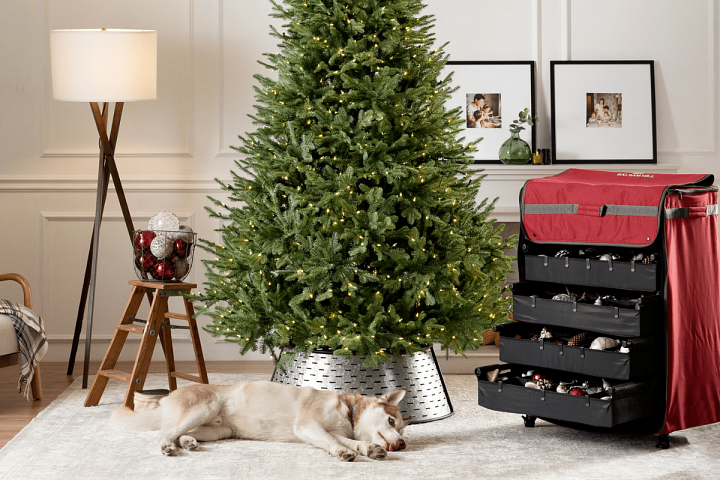
Artificial trees are easy to set up. Most come in parts that fit together quickly. No need to water or trim them. After the holidays, they fold up and store away in a box or bag. This makes them ready to use again next year.
Real trees take more effort. You must find the right size and bring it home. Setting it up means trimming the trunk and placing it in water. Storing a real tree is impossible once used. It will dry out and shed needles quickly.
Care And Longevity
Artificial trees need little care. Dusting them before use keeps them fresh. They can last many years without losing shape or color. This saves money over time since you buy only once.
Real trees require daily watering. Without water, they dry out fast and lose needles. Their lifespan is about three to four weeks indoors. After that, they start dropping needles and become a fire risk.
Aesthetic And Scent
Choosing between an artificial or real Christmas tree often depends on their look and smell. These two factors shape the whole holiday mood. The tree’s appearance sets the festive tone in any room. The scent can bring back warm memories of past Christmases. Both aspects play a key role in holiday enjoyment.
Visual Appeal
Real Christmas trees have a natural, fresh look. Their branches vary in shape and color. This adds charm and uniqueness to each tree. Needles may be uneven, but that makes them feel alive. Artificial trees often have perfect symmetry. They can look too uniform or plastic-like. Some high-quality artificial trees mimic real ones well. They come in many styles and colors. Real trees also show natural imperfections. These add character and holiday spirit to your home.
Fragrance Experience
Real trees fill the room with a fresh pine scent. This smell is linked to holiday memories and joy. The scent can last for weeks with proper care. Artificial trees have no natural smell. Some come with added pine fragrances, but they are not the same. The fresh scent of a real tree can improve mood. It brings a genuine Christmas atmosphere inside. For many, the smell of pine is essential to the holiday feel.
Allergies And Safety
Choosing between an artificial or real Christmas tree involves thinking about allergies and safety. Both types can affect your home environment differently. Understanding these effects helps you pick the best option for your family.
Allergen Concerns
Real trees can trigger allergies. They often carry pollen, mold, and dust. These allergens can cause sneezing, itchy eyes, and coughing. People with asthma may find symptoms worsen around real trees.
Artificial trees are less likely to cause allergies. They do not have pollen or mold. However, dust can gather on artificial trees if not cleaned properly. Regular dusting helps reduce this risk.
Fire Risks
Real trees dry out quickly. A dry tree can catch fire easily. This makes real trees a fire hazard if not watered daily. Keep real trees away from heaters and open flames.
Artificial trees are usually made from flame-retardant materials. They are safer in terms of fire risk. Still, always check for safety labels before buying. Avoid placing any tree near heat sources.
Trends In 2025
Trends in 2025 show exciting changes in Christmas tree choices. Both artificial and real trees are evolving with new features and preferences. People want trees that are easy to use and look great. Sustainability and convenience are key factors this year.
Innovations In Artificial Trees
Artificial trees now have better designs and materials. Many come with built-in LED lights that save energy. Some models mimic real pine smell to create a festive feel. These trees are lighter and easier to set up. Recyclable materials are used more often. Technology blends with tradition in new artificial trees.
Popular Real Tree Choices
Real trees stay popular for their natural look and smell. Fir trees like Fraser and Douglas are favorites in 2025. These types hold needles longer and look fresh. More farms are using eco-friendly growing methods. Some sellers offer potted trees to replant after Christmas. Real trees connect people with nature during holidays.
Choosing The Right Tree
Choosing the right Christmas tree is important for a happy holiday. The tree sets the mood for your celebrations. It should fit your home and suit your needs. Think about your lifestyle and space before deciding. Both real and artificial trees have good points. Understanding these helps you pick the best option.
Lifestyle Considerations
Think about how much time you have for tree care. Real trees need watering and cleaning up needles. Artificial trees need less care and last many years. If you have pets or small children, safety is key. Some real trees can drop sharp needles. Artificial trees are usually safer and less messy. Consider allergies too. Real trees may cause reactions in some people.
Budget And Space Factors
Real trees cost money every year. You buy a new one each season. Artificial trees cost more upfront but last longer. Over time, they may save money. Space matters for tree size and storage. Real trees are fresh but take space to store before use. Artificial trees fold and store easily after the holidays. Measure your room to choose the right tree size.
Credit: www.balsamhill.co.uk
Frequently Asked Questions
What Are The Main Benefits Of Artificial Christmas Trees?
Artificial trees are reusable, low maintenance, and allergy-friendly. They save time and cost over years and come in various styles and sizes to fit any decor.
How Do Real Christmas Trees Impact The Environment?
Real trees are biodegradable and support local farms. However, they require water, pesticides, and transportation, which can increase their carbon footprint.
Which Type Of Tree Is More Cost-effective Long-term?
Artificial trees have a higher upfront cost but last many years. Real trees are cheaper initially but must be bought annually.
Are Artificial Christmas Trees Safe For Indoor Use?
Yes, most artificial trees are flame-retardant and safe indoors. Always check for safety certifications before purchasing.
Conclusion
Choosing between artificial and real Christmas trees depends on your needs. Real trees offer a fresh smell and tradition. Artificial trees save time and last for years. Think about your space, budget, and care preferences. Both types can bring joy and holiday spirit.
The best tree is the one that fits your family’s style. Enjoy decorating and making memories this festive season.