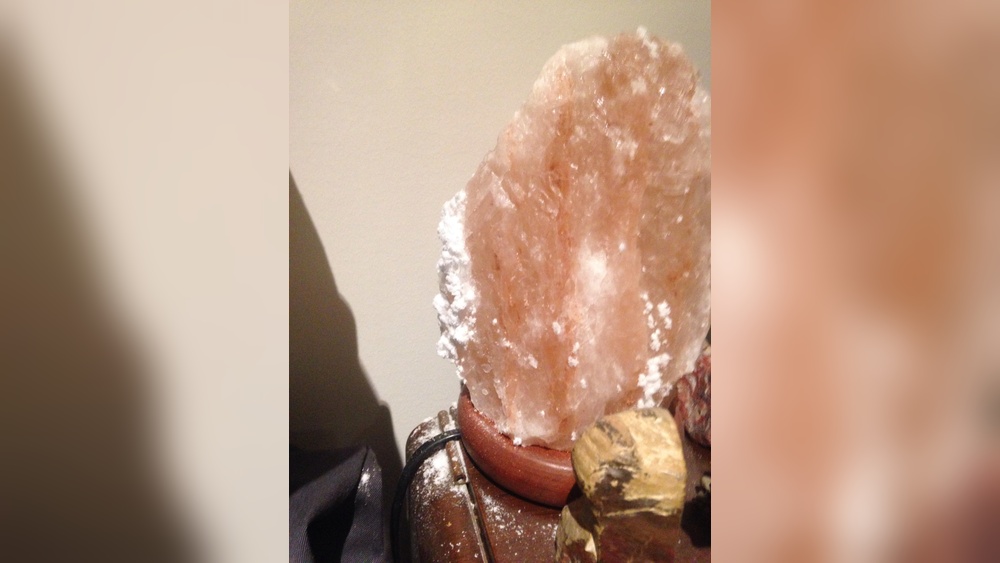
Have you ever noticed your beautiful Himalayan salt lamp turning white and wondered why this is happening? It can be confusing and even a little disappointing when your glowing lamp starts to lose its warm, pink hue.
But don’t worry—this change is more common than you think, and understanding the reasons behind it can help you keep your lamp looking its best. You’ll discover why your Himalayan salt lamp turns white and what simple steps you can take to prevent it.
Keep reading to unlock the secrets behind this surprising change and bring back that cozy glow you love.
What Makes Himalayan Salt Lamps Change Color
Himalayan salt lamps are known for their warm, pinkish glow. Sometimes, they turn white or lose their color. This change can surprise many owners. Understanding what causes this color shift helps you care for your lamp better.
Several factors affect the color of Himalayan salt lamps. These include the salt’s natural makeup, moisture in the air, and heat exposure. Each plays a role in how your lamp looks over time.
Salt Composition And Moisture
Himalayan salt contains many minerals, not just salt. These minerals give the lamp its unique pink and orange hues. Salt naturally attracts moisture from the air. This moisture can cause the salt surface to dissolve slightly. The dissolved salt then forms a white crust or film. This white layer is common and shows moisture’s effect on the lamp.
Effects Of Humidity
High humidity means more water in the air. Himalayan salt lamps absorb this moisture easily. This absorption makes the lamp surface wet and can cause it to look white or cloudy. In dry conditions, the lamp dries and returns to its original color. Constant exposure to humid air speeds up the color change. Using the lamp in a dry room can reduce this problem.
Impact Of Heat And Light
Heat from the lamp’s bulb helps keep the salt dry. Warmth evaporates the moisture absorbed by the salt. This evaporation helps maintain the lamp’s color. Too much heat or strong sunlight can fade the lamp’s color. The lamp may become pale or white over time. Using the correct bulb and placing the lamp away from direct sunlight helps preserve its natural glow.

Credit: himalayantradingco.com
Common Reasons For White Residue
Your Himalayan salt lamp may develop a white residue over time. This is a common issue and not usually a sign of damage. Understanding the reasons helps you care for your lamp better. Here are some common causes of the white residue.
Salt Crystallization
Salt lamps are made from natural salt crystals. These crystals can attract moisture from the air. When the moisture evaporates, salt crystals reform on the surface. This process creates a white, powdery layer. It is a natural reaction and safe for your lamp.
Water Evaporation Patterns
Water on the lamp’s surface evaporates and leaves behind minerals. These minerals appear as white streaks or spots. This happens especially in humid rooms or near water sources. The heat from the lamp speeds up evaporation. This makes the white residue more visible.
Dust And Mineral Deposits
Dust can stick to the lamp and mix with salt crystals. This mix creates a white or grayish film on the lamp. Minerals from the air can also settle on the surface. Regular cleaning can reduce this buildup. Use a dry cloth to keep your lamp clean and bright.
How To Prevent Your Lamp From Turning White
Preventing your Himalayan salt lamp from turning white keeps it beautiful and functional longer. The white color usually means moisture buildup or salt erosion. Control these factors with a few easy steps. Follow simple habits to maintain your lamp’s warm glow and natural charm.
Optimal Placement Tips
Place your lamp in dry areas away from water sources. Avoid bathrooms or kitchens with high steam. Keep it off windowsills where rain or dew can reach it. A stable, warm spot helps reduce moisture contact. Use a coaster or plate under the lamp to catch any salt residue. This stops damage to surfaces and the lamp itself.
Managing Humidity Levels
Salt lamps absorb moisture from the air. High humidity makes them sweat and turn white. Use a dehumidifier in rooms with damp air. Air conditioning also lowers humidity effectively. During wet seasons, run these devices more often. If possible, turn the lamp on daily. The heat helps evaporate moisture from the salt.
Regular Cleaning Practices
Clean your lamp gently every few weeks. Use a dry or slightly damp cloth to wipe dust and salt flakes. Avoid water or cleaning sprays that add moisture. Remove the bulb before cleaning to prevent electric shock. Regular care prevents buildup that causes white spots. It also keeps the lamp shining bright and fresh.
Fixes For White Salt Lamp Surfaces
White surfaces on Himalayan salt lamps often worry owners. This white layer usually forms because of moisture and mineral deposits. Fixing this issue helps keep the lamp looking nice and glowing softly. Simple care steps can restore your lamp’s warm color and shine.
Gentle Cleaning Methods
Start by brushing the lamp lightly with a dry, soft cloth. This removes loose salt and dust without scratching. Use a soft brush to reach corners and grooves. Avoid scrubbing hard to protect the lamp’s surface.
Using A Damp Cloth Safely
Moisten a cloth slightly with clean water. Wring it well to avoid dripping. Gently wipe the lamp’s surface to lift white residue. Dry the lamp immediately with a dry cloth. Keep the lamp in a dry place to prevent moisture buildup.
Avoiding Harsh Chemicals
Do not use cleaning sprays, soap, or detergents. Chemicals can damage the salt and cause more whiteness. Stick to plain water and dry cloths only. Harsh cleaners may dissolve the salt or leave stains.
When To Replace Your Salt Lamp
Knowing when to replace your Himalayan salt lamp is important for safety and appearance. Salt lamps can lose their glow or turn white due to moisture or wear. Sometimes the changes are fixable, but other times the lamp needs replacing. This section helps you understand the signs to watch for and how to choose a good new lamp.
Signs Of Irreversible Damage
Cracks that grow larger show serious damage. Large chunks falling off mean the lamp is weak. If the lamp no longer lights up or the bulb burns out repeatedly, replacement is needed. White crust that won’t wipe away can mean salt erosion. These signs mean the lamp cannot work properly anymore.
Lamp Safety Considerations
Salt lamps use electricity, so safety is key. Broken wiring or loose bulbs can cause shocks or fire. Water or moisture inside the lamp increases risk. Never use a lamp with exposed wires. Replace lamps that feel hot or smell strange. Safe use means stopping damage before it becomes dangerous.
Choosing Quality Replacement Lamps
Look for lamps made from pure Himalayan salt. Check the lamp’s weight; heavier lamps usually last longer. Pick lamps with secure electrical parts and good reviews. Avoid lamps with cheap plastic parts or poor craftsmanship. A quality lamp stays bright and safe for years.

Credit: www.earthinspiredgifts.com.au

Credit: www.earthinspiredgifts.com.au
Frequently Asked Questions
Why Does My Himalayan Salt Lamp Turn White?
Your salt lamp turns white due to moisture absorption. Salt attracts water from the air, causing white salt deposits or residue. This natural process is called efflorescence and can be cleaned with a dry cloth.
How To Prevent Himalayan Salt Lamp From Turning White?
Keep your salt lamp dry and in a low-humidity area. Use a lamp warmer or keep it on frequently to evaporate moisture. Avoid placing it near windows or bathrooms where humidity is high.
Is It Safe To Use A White Himalayan Salt Lamp?
Yes, it is safe. The white coating is harmless salt residue. It does not affect the lamp’s functionality or health benefits. Simply wipe it off regularly to maintain its appearance.
Can White Residue Damage My Salt Lamp?
No, the white residue does not damage the lamp. It is a natural byproduct of salt reacting with moisture. Regular cleaning prevents buildup and keeps the lamp looking fresh and intact.
Conclusion
Salt lamps turn white because of moisture and salt deposits. This is normal and does not harm the lamp. Keeping the lamp dry helps reduce the white layer. Use a soft cloth to clean it gently. Your lamp still works well and gives a warm glow.
Enjoy the calm and cozy light it provides every day. Simple care keeps your lamp looking good and lasting long.