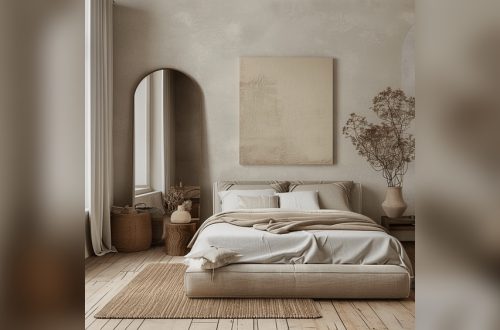
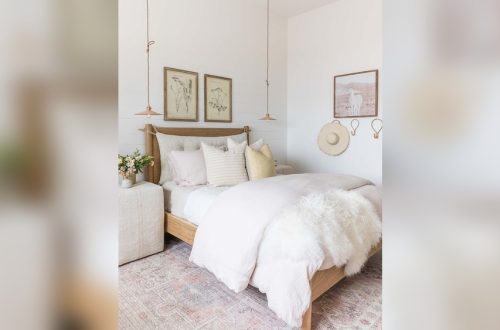
Sharing a bedroom can be a challenge, especially when you want to create a space that feels personal and comfortable for everyone. You might wonder how to balance style, storage, and privacy without making the room feel crowded or chaotic.
The good news? With the right tips and tricks, you can turn your shared bedroom into a cozy, organized haven that reflects both personalities. Keep reading, and you’ll discover simple, smart ways to decorate your shared bedroom that will make both of you love the space you share.
Maximize Space
Maximizing space in a shared bedroom is key to making the room feel open and comfortable. Small rooms can quickly feel crowded with two people. Clever use of space helps keep the room neat and organized. It also creates a pleasant place for both to rest and study. Simple ideas can make the most of every inch.
Use Vertical Storage
Walls are great for extra storage. Tall shelves hold books, toys, and clothes. Hooks and pegboards keep items off the floor. Use baskets on shelves to store small things. Vertical storage saves floor space and reduces clutter. It keeps important items easy to reach. This method helps the room feel bigger and tidier.
Choose Multi-functional Furniture
Furniture that serves more than one purpose saves room. Beds with drawers underneath store clothes or toys. Fold-out desks provide a workspace that disappears when not used. Sofas that turn into beds give extra sleeping space. Multi-functional pieces reduce the number of items in the room. This keeps the shared bedroom simple and roomy.
Create Defined Zones
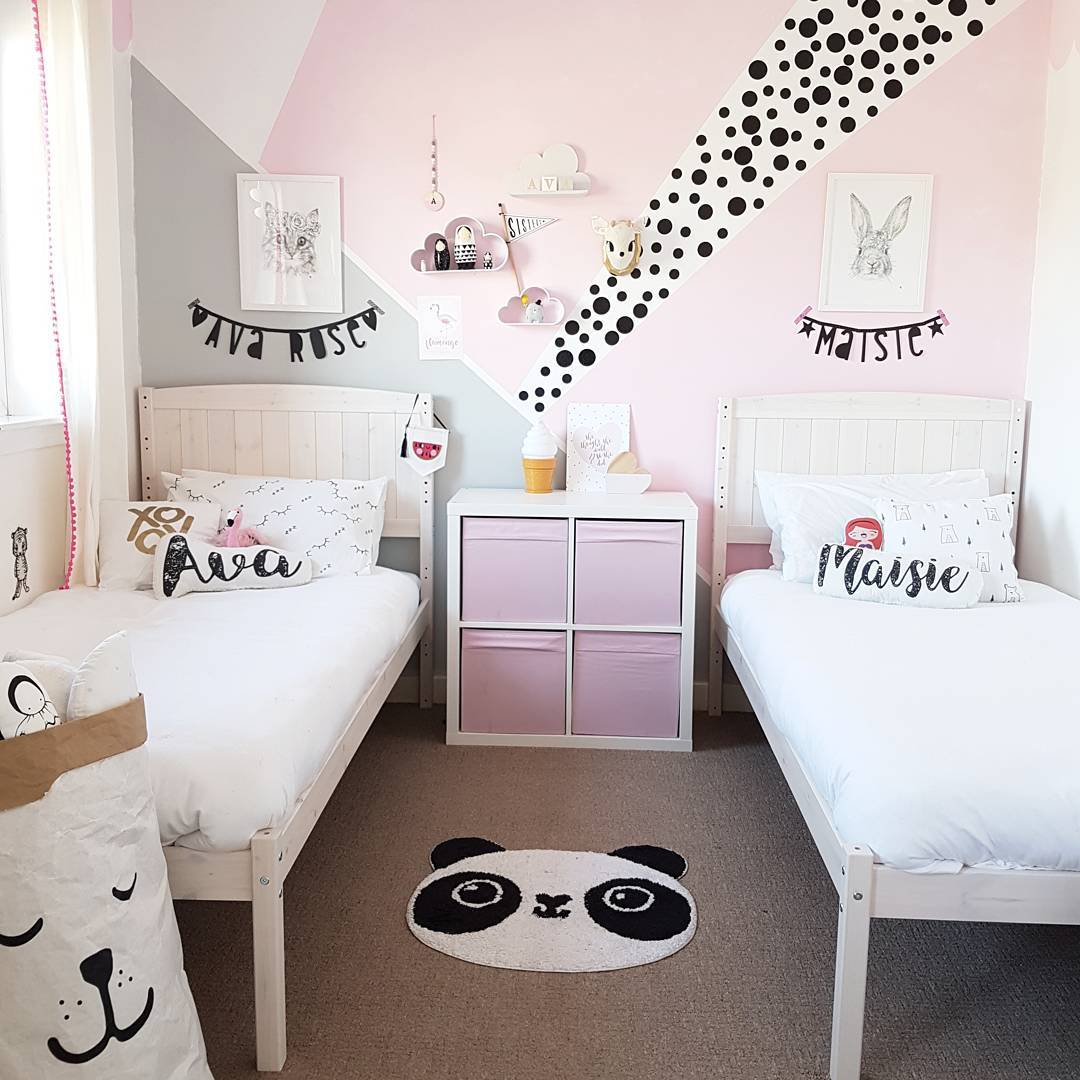
Separate the room into clear areas for sleeping, studying, and playing. Use rugs or furniture placement to mark each zone. Each person can have their own space to keep personal things. Defined zones help avoid mess and confusion. They make sharing easier by giving each person a spot to call theirs. This also helps the room feel more organized.
Choose A Cohesive Color Scheme
Choosing a cohesive color scheme is key for decorating a shared bedroom. It helps tie the room together and creates a peaceful space. A well-picked palette makes the room look larger and more inviting. It balances the tastes of everyone sharing the room. Colors set the mood and style, so choose them carefully.
Neutral Tones For Calm
Neutral tones like beige, gray, and white create a calm backdrop. These colors make the room feel open and restful. They work well with most furniture and decor styles. Neutral shades reduce visual clutter and help each person relax. This choice suits siblings or roommates who want a peaceful retreat.
Bold Accents For Personality
Bold colors add life and character to the room. Use bright pillows, rugs, or wall art to show personality. These accents break up the neutral base and make the room fun. Bold tones make each person’s space feel unique. Small pops of color keep the room lively without overwhelming.
Mixing Patterns And Textures
Combining patterns and textures adds depth to the shared space. Stripes, dots, and florals can work well together in the same color family. Textures like soft blankets and woven rugs make the room cozy. Careful mixing keeps the room interesting and comfortable for all. It creates harmony without being boring.
Personalize Each Area
Personalizing each area in a shared bedroom helps create a sense of ownership. It allows each person to feel comfortable and express their style. Separate spaces make the room feel balanced and welcoming. Small touches can make a big difference in shared rooms.
Focus on making distinct zones that reflect individual tastes. This approach keeps the room organized and reduces conflicts. Personal areas also boost happiness and relaxation.
Individual Wall Art
Choose wall art that shows each person’s personality. Use posters, pictures, or framed prints unique to each side. Let each person pick their favorite colors or themes. Removable wall decals can add fun without damage. This keeps the room fresh and personal.
Custom Bedding Choices
Select bedding that matches each person’s style and comfort. Mix different colors, patterns, or textures for a unique look. Personal bedding helps define each bed’s space. It also makes bedtime more enjoyable and cozy.
Personal Storage Solutions
Create storage spots for each person’s belongings. Use bins, shelves, or drawers to keep things tidy. Label each storage area to avoid confusion. Personal storage helps maintain order and respect. It also makes finding items easier and faster.
:strip_icc()/sw-386869-5d9c0644166f402cac9821711cbbdc10.jpg)
Credit: www.bhg.com
Enhance Lighting
Good lighting makes a shared bedroom feel bright and welcoming. It helps each person do their tasks and relax. Using different types of lighting creates a balanced and comfortable space. Think about soft lights for resting and bright lights for working. This mix helps make the room useful and cozy.
Layered Lighting Options
Layered lighting means using several light sources at once. Start with a ceiling light for general brightness. Add floor or table lamps to soften shadows. Use wall sconces to highlight parts of the room. This approach gives control over the light level. It also adds style and warmth to the bedroom.
Task Lighting For Study
Each person needs focused light for reading or homework. Desk lamps with adjustable arms work well. Position the light to avoid glare and shadows. Choose bulbs with cool white light to help concentration. Good task lighting reduces eye strain and improves focus.
Mood Lighting Ideas
Mood lighting creates a calm and relaxing atmosphere. Use string lights or LED strips around the bed or shelves. Soft lamps with dimmers let you adjust the glow. Warm light colors make the room feel cozy. Mood lighting helps each person unwind after a long day.
Add Cozy Elements
Adding cozy elements to a shared bedroom makes the space warm and inviting. Soft textures and comfortable spots help everyone relax. These touches create a calm, pleasant atmosphere. Simple changes bring big comfort.
Soft Rugs And Throws
Place soft rugs near beds for warmth and comfort. Rugs make the floor feel gentle under bare feet. Choose throws in soft fabrics to add color and coziness. They also keep you warm during chilly nights. Mix and match patterns for a fun look.
Comfortable Seating
Include comfy chairs or bean bags for extra seating. Comfortable seats give a place to read or chat. Pick cushions that feel soft and look nice. Seating helps create a relaxed vibe in the room. It makes shared spaces more welcoming for all.
Warm Window Treatments
Use curtains or blinds that block cold air and light. Warm window treatments help keep the room cozy. Choose fabrics like velvet or thick cotton for softness. They add color and texture to the walls. These treatments make the bedroom feel snug and safe.
:max_bytes(150000):strip_icc()/SPR-shared-bedroom-ideas-for-small-rooms-7090585-ccf25adce2ee452eb986854b7514f527.jpg)
Credit: www.thespruce.com
Incorporate Functional Decor
In shared bedrooms, every inch of space counts. Functional decor blends style with purpose. It helps keep the room tidy and organized. At the same time, it adds charm and personality. Practical ideas make the room feel larger and more comfortable.
Decorative Shelves
Wall shelves save floor space and display items neatly. Use them to hold books, toys, or photos. Choose colorful shelves for a fun touch. Floating shelves keep the room open and airy. Label each shelf to give each person their own spot.
Chalkboard Or Whiteboard Walls
Writable walls are perfect for notes and drawings. They encourage creativity and communication. Each person can write reminders or doodle freely. Use chalk or dry-erase markers for easy cleaning. These walls add color and function without clutter.
Creative Hooks And Hangers
Hooks keep bags, jackets, and hats off the floor. Choose fun shapes or bright colors to brighten the room. Place hooks at different heights for kids and adults. Hangers help organize accessories and save drawer space. They make daily routines faster and smoother.
Maintain Privacy
Sharing a bedroom means sharing space. Privacy becomes important to feel comfortable and relaxed. Creating personal zones helps everyone enjoy their own space. Simple ideas can make a big difference.
Room Dividers
Room dividers separate the space quickly and easily. They can be folding screens, bookshelves, or curtains on rods. Dividers give each person a clear boundary. They help reduce noise and visual distractions. Choose dividers that fit the room size and style.
Curtains And Canopies
Curtains create soft, flexible privacy in shared bedrooms. Hang curtains around beds or desks to form private corners. Canopies add a cozy feel and block light. Use light fabrics for an airy look. Curtains are easy to open or close as needed.
Personal Nooks
Create small personal nooks for reading, studying, or relaxing. Use a chair and small table or a floor cushion. Add a lamp or headphones for a private vibe. Personal nooks give each person a quiet spot away from the main area. They help balance shared living with alone time.
Credit: www.extraspace.com
Frequently Asked Questions
How To Maximize Space In A Shared Bedroom?
Use multifunctional furniture like bunk beds and storage ottomans. Keep the room clutter-free by organizing personal items. Vertical shelving helps save floor space. Define separate zones for each occupant to maintain privacy and order.
What Are The Best Color Schemes For Shared Bedrooms?
Choose neutral or soft tones for a calming effect. Use complementary colors to reflect each occupant’s personality. Avoid overly bright colors that may clash. Balanced palettes help create a harmonious and inviting space.
How To Create Personal Space In A Shared Bedroom?
Use room dividers, curtains, or bookshelves to separate areas. Assign each person their own storage and workspace. Personalize with unique decor items like photos or artwork. Clear boundaries foster comfort and individuality.
What Lighting Options Work Well In Shared Bedrooms?
Use layered lighting such as ceiling lights, task lamps, and nightlights. Individual bedside lamps allow personalized brightness control. Natural light enhances the room’s ambiance. Adjustable lighting supports different activities and moods.
Conclusion
Decorating a shared bedroom can be simple and fun. Choose colors and furniture that suit both people. Use storage to keep the room neat and tidy. Personal touches make the space feel special for everyone. Plan the layout to give each person their own area.
Small changes can make a big difference in comfort. Enjoy making a room that feels like home for all.