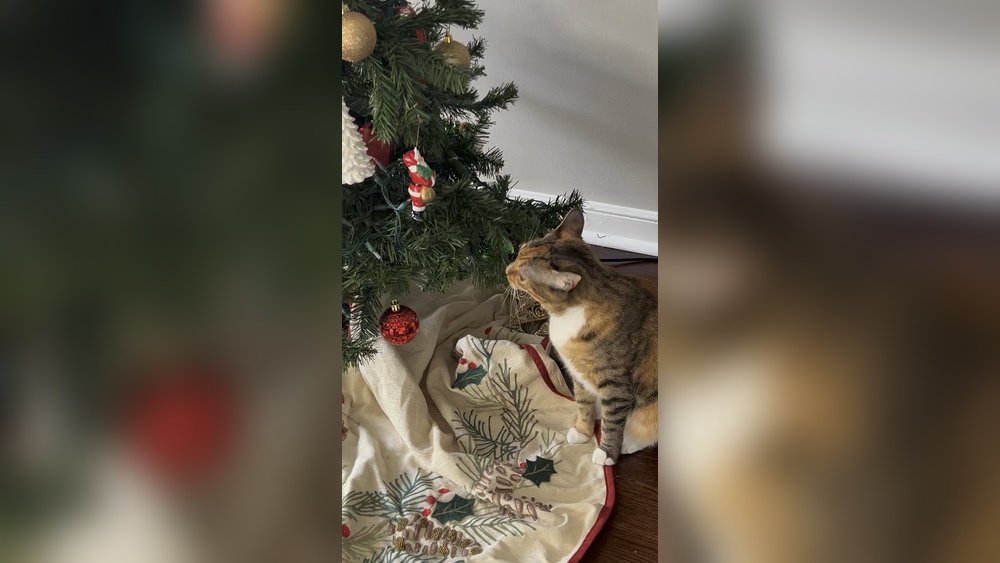
Are you worried your cat might turn your beautiful artificial Christmas tree into a chew toy? You’re not alone.
Many cat owners face the challenge of keeping their curious pets from biting or scratching the tree, which can lead to broken branches, fallen decorations, and even health risks for your furry friend. But don’t worry—there are simple and effective ways you can protect both your tree and your cat.
Keep reading to discover easy tips that will help you enjoy a festive season without the stress of a bitten tree.
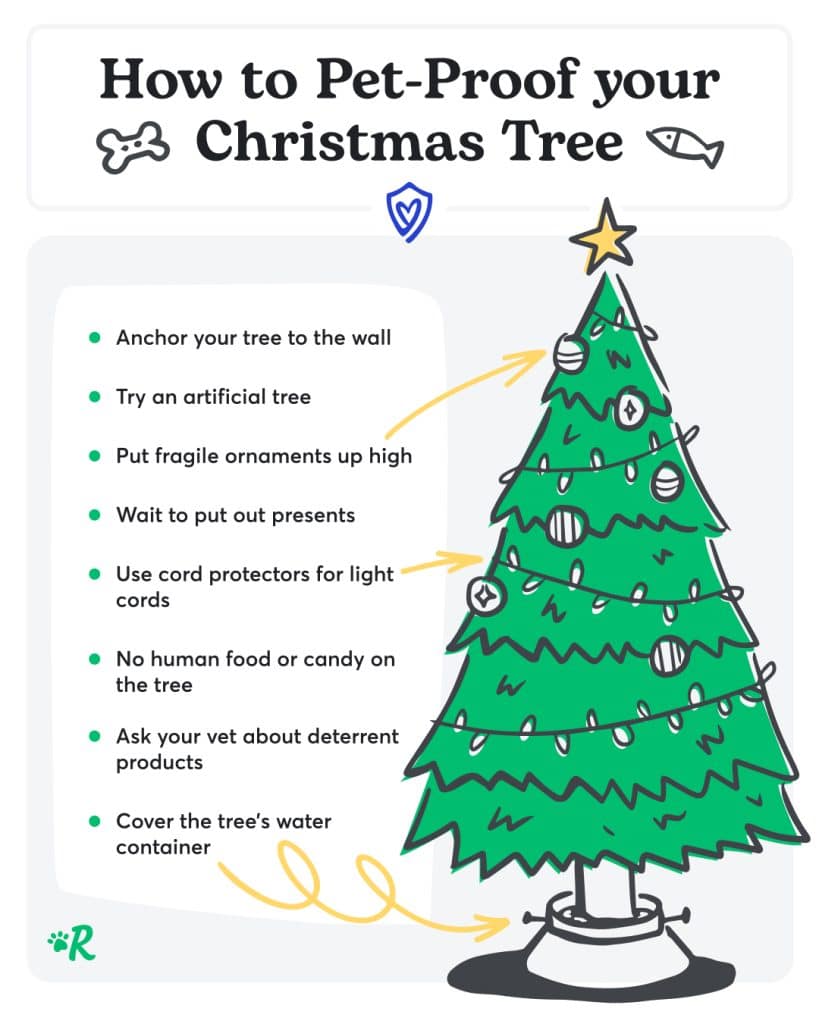
Credit: www.rover.com
Why Cats Bite Christmas Trees
Cats biting Christmas trees is a common problem for many pet owners. Understanding why cats bite artificial trees helps to stop this behavior. Cats act this way because of natural instincts, curiosity, and the tree’s scent and texture. Knowing these reasons can guide you to protect your tree and keep your cat safe.
Natural Instincts And Playfulness
Cats are hunters by nature. They like to bite and claw things to practice hunting skills. The tree’s branches look like prey to them. They also enjoy playing with new objects. Biting the tree satisfies their need to play and explore.
Curiosity And New Environment
The Christmas tree is new and different in the home. Cats want to learn about new things around them. They bite to test the tree’s strength and to see what it is. This behavior is a way for cats to explore their surroundings safely.
Scent And Texture Attraction
The tree has a unique smell that attracts cats. The artificial needles feel interesting to their mouths. Cats like to chew on things with new textures. The scent and feel of the tree make it tempting to bite.
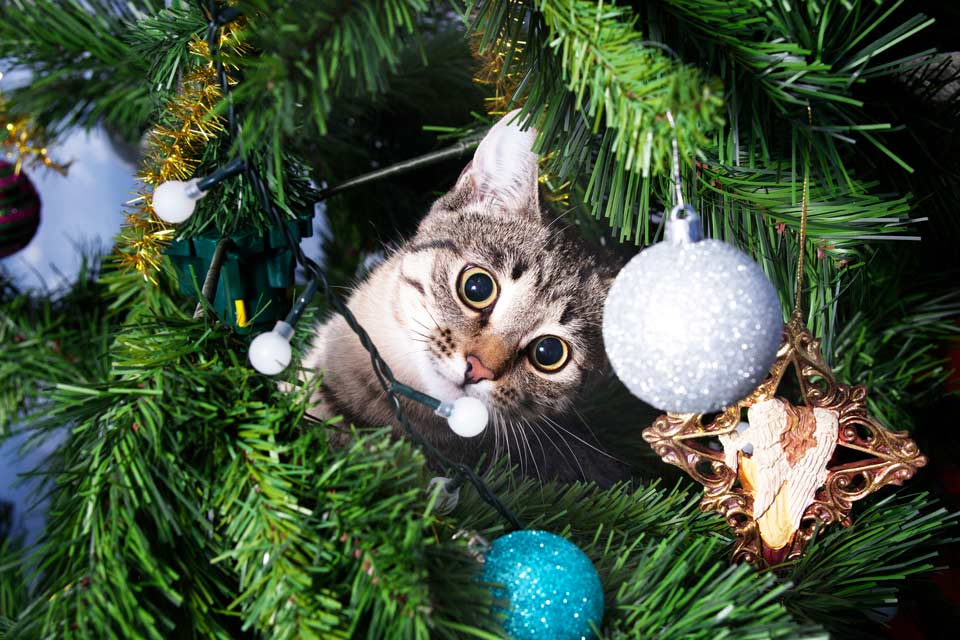
Credit: www.purrfectpost.com
Choosing The Right Tree
Choosing the right Christmas tree helps keep your cat safe and happy. Cats often bite or scratch trees because they are curious or playful. Picking a tree with your cat’s safety in mind can reduce this behavior. Consider the type, material, and size of the tree before setting it up. This makes the holidays joyful for everyone.
Real Vs. Artificial Trees
Real trees have a fresh scent that attracts cats. Some cats like to chew pine needles, but these can cause stomach upset. Real trees also drop needles that may hurt your cat’s paws or mouth. Artificial trees do not drop needles and are less messy. They come in many designs and colors. Choose a tree that your cat will not find tasty or itchy.
Safe Tree Materials For Cats
Pick trees made from non-toxic materials. Some artificial trees have sharp or small parts that can harm cats. Look for trees with smooth branches and no loose pieces. Avoid trees with glitter or tinsel. These can be dangerous if swallowed. Safe tree materials reduce the risk of bites and accidents.
Tree Size And Stability
Choose a tree size that fits your space and cat’s behavior. Tall trees can topple if a cat jumps on them. Shorter trees are easier to secure and less likely to fall. Make sure the tree stand is strong and stable. A steady tree will keep your cat safe and prevent damage.
Deterring Biting Behavior
Deterring biting behavior in cats around artificial Christmas trees protects both your tree and your pet. Cats bite the tree out of curiosity, boredom, or teething. Stopping this habit early keeps your cat safe from harmful materials. It also helps keep your tree intact and looking beautiful throughout the season.
Using Cat-safe Repellents
Cat-safe repellents keep cats away without causing harm. These repellents have scents cats dislike, such as citrus or eucalyptus. Spray the repellent lightly on the tree branches. Reapply as needed to maintain the scent. Cats usually avoid areas with these smells, reducing biting behavior.
Applying Bitter Sprays
Bitter sprays taste unpleasant and discourage cats from chewing. Apply the spray on the tree needles and lower branches. The strong, bitter taste makes cats stop biting quickly. Choose sprays made specifically for pets to avoid toxicity. Test a small area first to ensure no damage to the tree.
Setting Up Physical Barriers
Physical barriers block your cat’s access to the tree. Use pet gates or mesh guards around the base. These barriers prevent cats from reaching lower branches. You can also place double-sided tape on the tree stand. Cats dislike sticky surfaces and will stay away. Barriers work best combined with repellents and training.
Redirecting Cat’s Attention
Redirecting your cat’s attention is key to protecting your artificial Christmas tree. Cats often bite the tree out of boredom or curiosity. Giving them other things to focus on helps keep their interest away from the tree. This approach makes the holiday season calm and safe for both your cat and your decorations.
Providing Alternative Toys
Offer your cat a variety of toys to chew and play with. Soft balls, feather wands, and catnip toys work well. Rotate the toys often to keep them exciting. This keeps your cat busy and less likely to bite the tree.
Engaging Playtime Activities
Spend time each day playing with your cat. Use interactive toys like laser pointers or fishing rods. Play helps your cat burn energy and reduces stress. A tired cat is less interested in chewing on decorations.
Creating Cat-friendly Spaces
Set up cozy areas with scratching posts and beds. Cats love places where they feel safe and can relax. These spots distract your cat from the tree. Make the space inviting with blankets and toys nearby.
Tree Decoration Tips
Decorating your artificial Christmas tree can be fun and safe for your cat. Using the right tips helps keep your cat from biting the tree. These ideas also protect your decorations and keep your home safe.
Avoiding Dangling Ornaments
Keep ornaments close to the branches. Dangling decorations attract cats to bite and play. Use small hooks to secure ornaments tightly. Choose heavier ornaments that do not swing easily. This stops your cat from chasing or biting them.
Securing Lights And Cords
Wrap lights tightly around the tree branches. Loose cords can tempt cats to chew or pull. Use cord covers or tape to hide and secure wires. This prevents accidents and keeps your cat safe from electric shocks. Always unplug lights when you are not home.
Using Non-toxic Decorations
Select decorations made from safe materials. Some plastics and paints can harm cats if chewed. Choose non-toxic ornaments and avoid glass or sharp items. Natural decorations like pine cones are good options. They are safe and less likely to break.
Training And Behavior Modification
Training and behavior modification are key to stop your cat from biting the artificial Christmas tree. Cats learn best through clear signals and gentle guidance. Changing their behavior takes patience and simple steps.
Consistency is important. Your cat needs to understand what is allowed and what is not. Using the right methods can make this process easier and less stressful for both of you.
Positive Reinforcement Techniques
Reward your cat when it stays away from the tree. Use treats or gentle petting as a reward. Praise your cat with a calm voice to show approval. This encourages good behavior.
Avoid punishing your cat. Negative actions can cause fear and confusion. Focus on rewarding good actions instead. This helps your cat learn faster.
Consistent Commands And Boundaries
Use the same words or sounds to tell your cat “no” or “stop.” This helps the cat understand your limits. Avoid changing commands or tones often. Consistency makes training clearer.
Set clear boundaries around the tree. Use physical barriers or place the tree in a less accessible area. Your cat will learn where it can and cannot go.
Monitoring And Adjusting Strategies
Watch how your cat reacts to training. Some cats respond quickly, others need more time. Change your approach if one method does not work. Be patient and keep trying.
Notice any triggers that cause your cat to bite the tree. Remove or reduce these triggers when possible. Adjusting your strategy helps prevent unwanted behavior.
When To Seek Professional Help
Sometimes, your cat’s biting behavior can be tough to control. It may cause damage or stress to both you and your pet. Knowing when to ask for professional help is important. Experts can offer the right advice and support. They help you find lasting solutions and keep your cat safe and happy.
Identifying Persistent Issues
Watch your cat’s behavior closely. If biting the tree happens often and does not stop, it is a persistent problem. Your cat may also show signs of stress or anxiety. Damage to the tree or your home can increase. These signs mean the problem is serious and needs expert help.
Consulting Veterinarians Or Trainers
Veterinarians can check your cat’s health. Sometimes, biting is linked to pain or illness. Trainers understand cat behavior well. They teach you ways to change bad habits. Both can give advice on how to handle the biting safely.
Considering Behavioral Therapy
Behavioral therapy can help cats with deep-rooted problems. A specialist works with your cat using gentle methods. Therapy aims to reduce stress and stop biting. It takes time but often leads to good results. Consider this option if other methods fail.
Credit: www.reddit.com
Frequently Asked Questions
How Can I Stop My Cat From Biting The Christmas Tree?
Provide alternative toys and distractions to divert your cat’s attention. Use deterrent sprays safe for pets on the tree. Secure the tree firmly to prevent movement that attracts biting. Consistent training and positive reinforcement can also reduce this behavior effectively.
Why Does My Cat Bite Artificial Christmas Trees?
Cats bite artificial trees due to curiosity, teething, or boredom. The texture and smell may intrigue them. They may also seek attention or stimulation. Understanding the cause helps in applying the right deterrent or enrichment strategies to protect your tree and pet.
What Safe Deterrents Prevent Cats From Biting Trees?
Use pet-safe bitter sprays or citrus scents as natural deterrents. These smells repel cats without causing harm. Avoid toxic chemicals or harsh substances. Combining deterrents with engaging toys and scratching posts offers a safe and effective solution.
Can Tree Placement Reduce Cat Biting Behavior?
Yes, placing the tree in a less accessible area helps. Use barriers or closed rooms to limit cat access. Ensure the tree base is stable and less appealing. Strategic placement reduces temptation and encourages safer play areas for your cat.
Conclusion
Keeping your cat away from an artificial Christmas tree takes patience. Use safe deterrents and offer toys to redirect biting. Place the tree in a less reachable spot. Watch your cat’s behavior and adjust as needed. Protect your tree and keep your cat happy.
Enjoy a peaceful holiday season without worries. Simple steps make a big difference. Your cat and tree can both stay safe.