Have you ever wondered what goes into making an artificial Christmas tree? You see these trees every holiday season, standing tall and green, but do you know how they’re created?
Understanding the process will change the way you look at your tree and maybe even help you choose the perfect one for your home. Keep reading, and you’ll discover the surprising steps behind crafting these festive favorites—details that make your holiday décor come to life.
Ready to uncover the secrets? Let’s dive in!
Raw Materials
Artificial Christmas trees start with raw materials that shape their look and feel. These materials must be strong, safe, and able to mimic real tree parts. Different components come together to build a tree that lasts for many holiday seasons.
Types Of Plastics Used
Plastics form most of the tree’s needles and branches. Polyvinyl chloride (PVC) is the most common plastic. It is flexible and holds color well. Some trees use polyethylene (PE) for a softer, more natural look. The plastic is cut into thin strips to look like pine needles.
Metal Components
Metal parts provide the tree’s structure and support. Steel is often used for the trunk and branches. It keeps the tree sturdy and upright. Sometimes aluminum is chosen for its light weight. Metal parts connect and hold the tree together securely.
Additional Materials
Other materials add detail and durability. Wire is wrapped around branches to hold their shape. Paint and dye give the tree its green color and texture. Some trees have fire-resistant chemicals for safety. These extras help the tree look real and last longer.
Credit: www.businessinsider.com
Manufacturing Process
The manufacturing process of an artificial Christmas tree involves several careful steps. Each step helps create a tree that looks real and lasts for many years. Factories use precise methods to ensure good quality and safety.
The process starts with making the branches. Then, the branches get shaped and colored to look like natural pine needles. Finally, all parts come together to form the complete tree.
Creating The Tree Branches
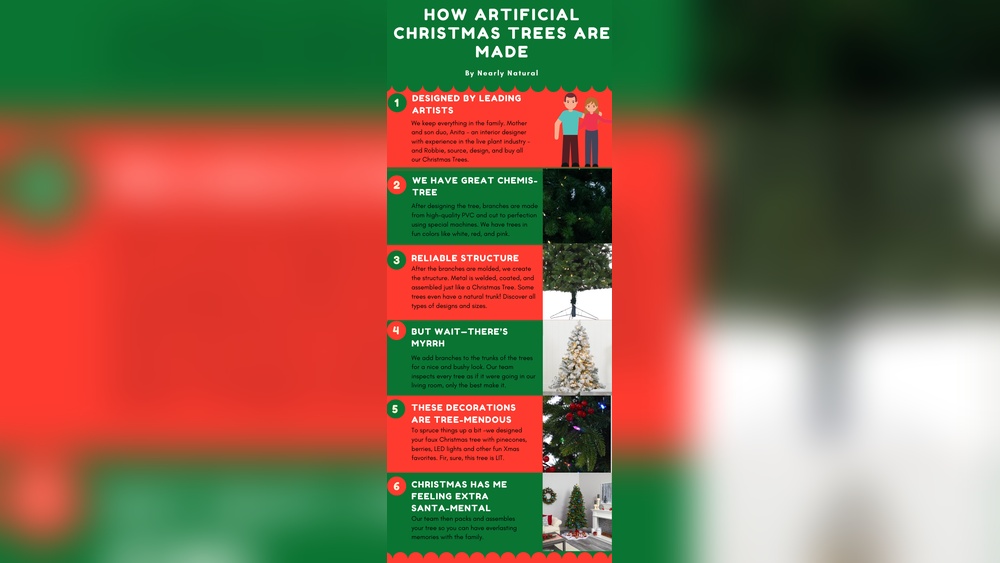
Branches start as long sheets of plastic or PVC. These sheets are cut into thin strips. The strips have small cuts to form needle shapes. Machines punch these strips to create realistic textures. Each strip is folded or twisted to look like a branch. This step is key to making the tree appear full and natural.
Shaping And Coloring
The needle strips go through shaping machines. These machines bend and curl the needles. This adds depth and life to each branch. After shaping, the branches get colored. Factories use green and brown tones to mimic real pine needles. Some branches also get a light dusting of white to look like snow. Coloring helps the tree feel more festive and natural.
Assembling The Tree
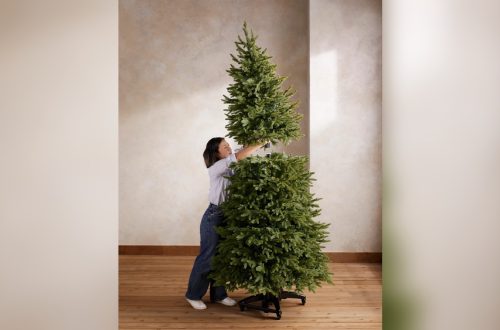
Once branches are ready, workers attach them to metal frames. The frame forms the tree’s shape and holds all branches. Each branch fits into a slot on the frame. Workers arrange branches evenly for a balanced look. The tree trunk is then fixed to a sturdy base. This step ensures the tree stands firm and looks full. Assembly brings all parts together for a complete artificial Christmas tree.
Quality Control
Quality control is a key step in making artificial Christmas trees. It ensures every tree meets high standards before reaching your home. This step checks the tree’s strength, safety, and look. Careful checks help create trees that last and look real.
Durability Testing
Durability testing checks the tree’s strength. The branches and needles must hold their shape. They are bent and twisted many times. This test makes sure the tree can handle holiday decorations. It also confirms the tree lasts for many years.
Safety Standards
Safety is very important for artificial Christmas trees. Tests check if the materials are fire-resistant. The tree must meet safety rules for homes and public places. Electrical parts, like lights, are checked to avoid accidents. This makes the tree safe for families.
Aesthetic Checks
Aesthetic checks look at the tree’s appearance. Inspectors look for color consistency on needles and branches. The tree must look full and natural. They remove any damaged or uneven parts. This ensures the tree looks beautiful in every room.
Environmental Impact
Artificial Christmas trees offer a festive look without cutting real trees. Yet, they affect the environment in various ways. Understanding their environmental impact helps make better choices for the holidays.
Material Sustainability
Most artificial trees use plastic and metal parts. The plastic often comes from non-renewable sources like petroleum. This means the materials are not sustainable. Some companies try using recycled plastics to reduce harm. Still, many trees rely on virgin plastic, which takes a long time to break down.
Recyclability
Recycling artificial trees is challenging. The mix of plastic and metal makes separation hard. Many recycling centers do not accept whole trees. Parts can sometimes be recycled if taken apart. Without recycling, trees end up in landfills, adding to waste problems.
Carbon Footprint
Making artificial trees creates carbon emissions. Factories use energy and fuel to produce and ship trees. Shipping from overseas adds more pollution. Using a tree for many years can lower its carbon footprint. Still, the initial production impact remains significant.
Customization Options
Artificial Christmas trees come with many customization options. These choices help you find the perfect tree for your space and style. You can pick different sizes, shapes, lights, and decorations. This variety makes artificial trees popular for many homes.
Sizes And Shapes
Artificial trees come in many sizes. Small trees fit on tables or desks. Large trees fill big rooms with holiday spirit. You can also choose shapes. Traditional cone shapes look like real trees. Some trees have slim profiles for tight spaces. Others have wide branches for a full look.
Lighting Features
Many artificial trees include built-in lights. Choose from white or colorful lights. Some have steady lights, while others blink or twinkle. LED lights save energy and last longer. You can also find trees with remote controls to change light settings. This makes decorating easier and fun.
Decorative Styles
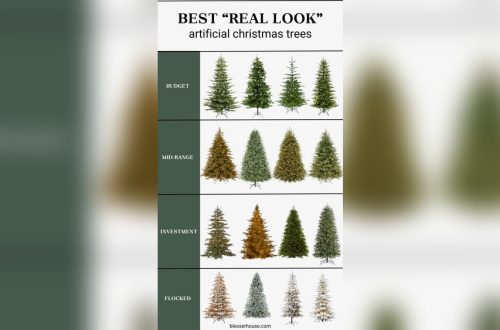
Decorative styles vary greatly. Some trees have frosted tips for a snowy effect. Others have pine cones or berries attached. You can find trees with different branch textures. Some look very realistic, while others have a modern look. These options let you match your tree to your holiday theme.

Credit: www.youtube.com
Packaging And Distribution
Packaging and distribution are key steps in getting artificial Christmas trees from factories to homes. Proper packaging protects the tree during travel. Smart distribution helps the tree reach stores and customers on time. Both steps need care and precision to keep the tree in perfect shape.
Packing Techniques
Artificial trees are carefully folded or collapsed. Branches are secured to avoid damage. Thick cardboard boxes with foam inserts protect the tree. Boxes often have handles for easier carrying. Clear labels show the tree size and type. This helps store workers and customers find the right tree quickly.
Shipping Considerations
Shipping needs planning to avoid delays and damage. Trees are stacked carefully to save space. Trucks and containers are loaded to keep boxes stable. Weather can affect shipping times and safety. Warehouses check boxes for damage after arrival. This ensures only good quality trees reach the shelves.
Retail Presentation
Stores display trees to attract buyers. Boxes are arranged neatly on shelves. Some stores open a box to show a tree sample. Clear signs explain tree features and prices. Good presentation makes shopping easier and enjoyable. It helps customers picture the tree in their homes.

Credit: www.youtube.com
Frequently Asked Questions
How Are Artificial Christmas Tree Branches Made?
Artificial branches are made from PVC or PE materials. These are cut, shaped, and colored to mimic real pine needles. The branches are then attached to metal frames to create a full, realistic look.
What Materials Are Used In Artificial Christmas Trees?
Most artificial trees use PVC or PE plastic for branches and metal for the frame. PVC gives a dense look, while PE offers a more realistic appearance. These materials ensure durability and easy maintenance.
How Is The Tree Frame Constructed?
The tree frame is made from sturdy metal rods. These rods are welded or screwed together to form the central trunk and branch holders. This structure supports the tree’s shape and stability.
How Are Artificial Tree Needles Shaped And Colored?
Needles are cut from plastic sheets using molds or machines. They are then painted or dyed green to resemble real pine needles. This process creates a lifelike texture and color variation.
Conclusion
Artificial Christmas trees start as raw materials shaped and colored carefully. Factories cut, mold, and assemble each piece by hand or machine. Quality checks ensure the trees look full and last many years. These trees offer a reusable, low-maintenance option for holiday decor.
They bring festive cheer without the need to cut real trees. Knowing how they are made helps appreciate their design and effort. Choosing an artificial tree blends tradition with modern convenience. The holiday spirit stays alive with every branch and needle.