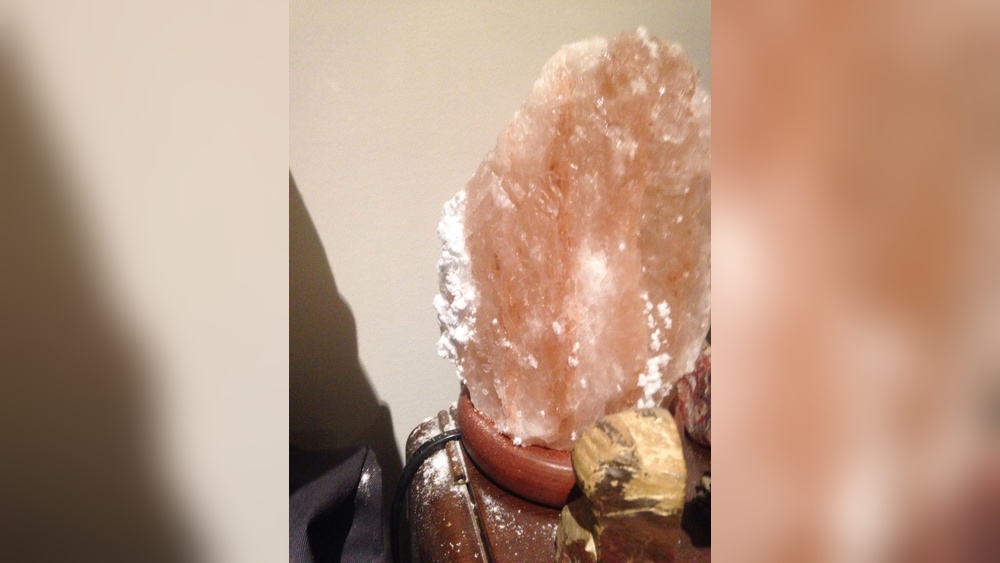
Have you ever looked at your Himalayan salt lamp and wondered why it’s white instead of the usual warm pink or orange? If your lamp isn’t glowing with that familiar rosy hue, you might be feeling confused or even worried that something is wrong.
But don’t worry—there’s a simple reason behind this change, and understanding it can help you get the most out of your lamp. Keep reading to discover why your Himalayan salt lamp is white, what it means, and how you can care for it to keep it shining just the way you like.
Color Variations In Himalayan Salt Lamps
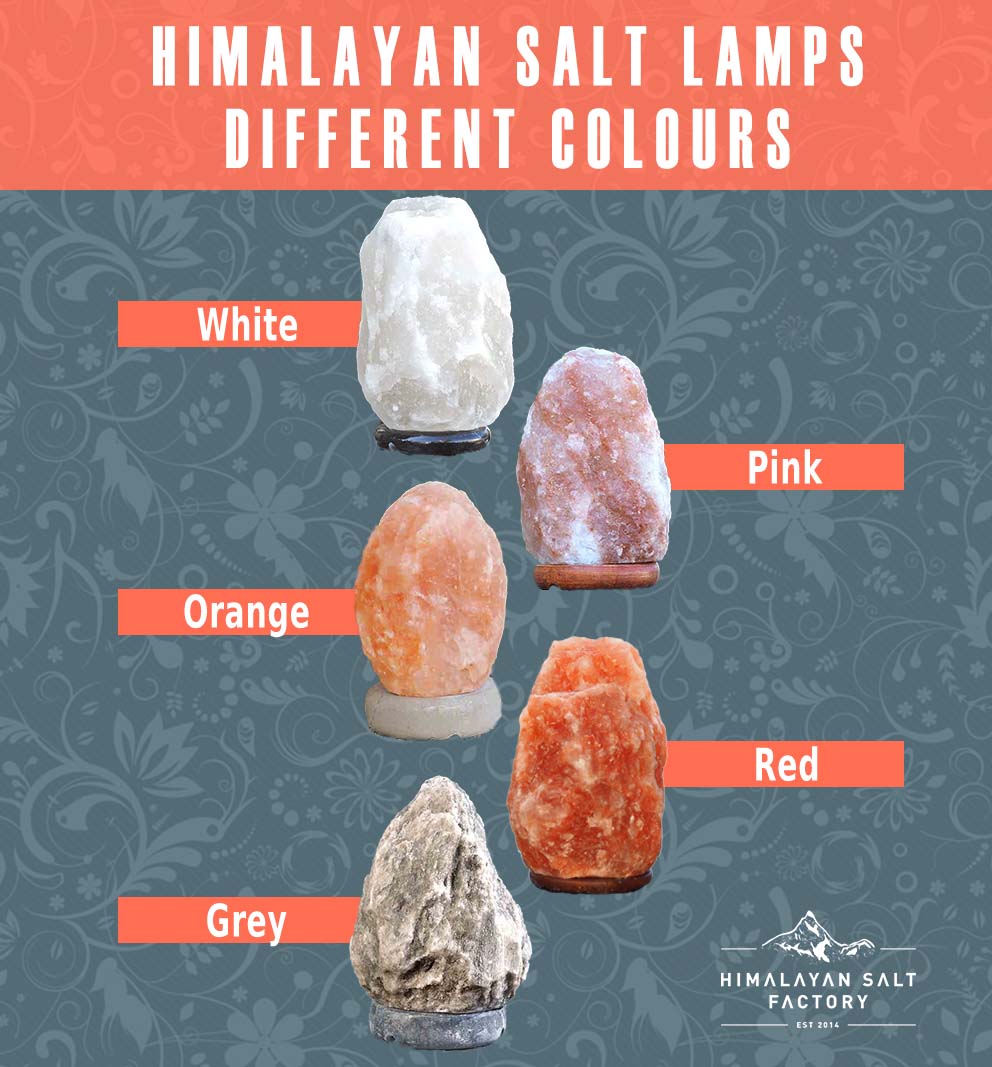
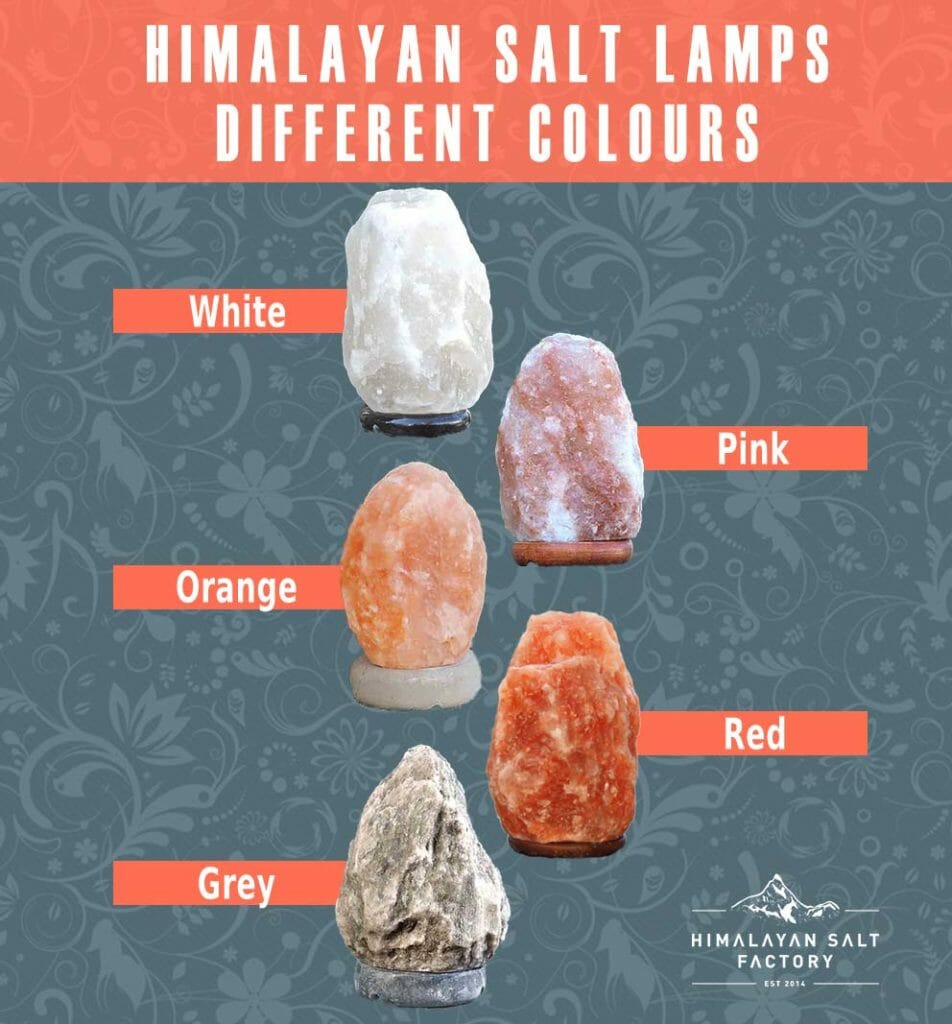
Himalayan salt lamps come in many colors. These colors depend on several natural factors. Understanding color variations helps explain why some lamps appear white. Each lamp has a unique look due to its natural origin.
Natural Color Range
Himalayan salt lamps range from pale pink to deep orange. Some lamps show light peach or soft white shades. The white color is a natural part of this range. It happens because the salt crystals have fewer impurities.
Colors vary depending on the salt’s source. Some pieces come from purer salt layers. These layers contain less mineral content. Pure salt tends to look whiter or lighter in color.
Mineral Composition Impact
The salt’s mineral mix changes the lamp’s color. Iron gives a pink or orange hue. Other minerals like calcium can lighten the color. When minerals are missing, the salt looks white.
Each salt chunk has a unique mineral balance. This affects the final lamp color. White lamps are just as natural as the orange ones. Their mineral content causes a paler, cleaner look.

Credit: www.earthinspiredgifts.com.au
Common Causes Of White Salt Lamps
Himalayan salt lamps can turn white for several common reasons. Understanding these causes helps keep your lamp looking its best. White salt lamps often signal changes in the lamp’s environment or structure. Knowing these causes can help you prevent damage and maintain its warm glow.
Excessive Moisture Exposure
Salt naturally absorbs moisture from the air. Too much moisture makes the salt surface wet and white. This moisture causes the salt to dissolve slightly. After drying, a white crust or residue appears. High humidity areas or placing the lamp near water sources increase this effect. Keeping the lamp dry prevents this whitening.
Salt Crystallization Effects
Salt crystals can grow and change shape over time. This natural process sometimes forms white patches. Crystallization happens when salt molecules rearrange in cooler or wetter conditions. It creates a rough, white texture on the lamp surface. This is a normal salt reaction, not a defect. It may reduce the lamp’s glow but not damage it.
Surface Erosion
Continuous use and cleaning can erode the lamp’s surface. Erosion removes the colored outer layer, revealing lighter salt underneath. Using harsh cleaning tools or chemicals speeds up erosion. Surface erosion causes the lamp to look faded or white in spots. Gentle cleaning with a dry cloth helps avoid this problem.
Environmental Factors Influencing Color
The color of a Himalayan salt lamp can change due to the environment around it. Different conditions affect how the salt looks. Understanding these factors helps explain why your lamp may turn white. These changes happen naturally and show how sensitive salt lamps are to their surroundings.
Humidity Levels
Salt absorbs moisture from the air. High humidity makes the salt wet. This moisture can create a white, powdery layer on the lamp’s surface. Low humidity keeps the salt dry and maintains its natural color. Areas with constant moisture encourage this white coating to form.
Temperature Fluctuations
Salt lamps react to changes in temperature. Warm temperatures help evaporate moisture from the salt. Cold temperatures cause condensation to form on the surface. When the lamp cools down quickly, the salt may develop a white film. Stable temperatures keep the color steady and vibrant.
Air Quality
Air pollution affects salt lamps too. Dust and particles can settle on the lamp and mix with moisture. This mix causes a white residue to appear. Clean air helps the lamp maintain its natural pink or orange glow. Poor air quality speeds up the color change process.
Maintenance Tips To Preserve Color
Keeping your Himalayan salt lamp’s color bright takes some care. Salt lamps can turn white if they lose moisture or get dirty. Good maintenance helps keep the natural pink or orange glow.
Simple steps can protect your lamp’s color and shine for a long time.
Proper Cleaning Methods
Clean your salt lamp gently with a dry cloth. Avoid using water or wet wipes. Soft brushing removes dust without damage. Wipe the lamp often to stop buildup. This keeps the surface clear and colorful.
Optimal Placement
Place the lamp in a dry room with good air flow. Avoid very humid spots like bathrooms or kitchens. Keep it away from direct sunlight to stop fading. A steady warm place helps the lamp keep its natural color.
Avoiding Water Contact
Water can dissolve the salt and change its color. Don’t put your lamp near windows where rain or spills can reach it. Avoid touching the lamp with wet hands. Keep liquids far to prevent white patches from forming.
When To Replace Your Salt Lamp
Knowing when to replace your Himalayan salt lamp helps keep your space safe and beautiful. Salt lamps last a long time, but they can wear out. Watch your lamp closely for changes. These changes tell you if the lamp needs a replacement.
Signs Of Structural Damage
Cracks and chips on the salt lamp show damage. Deep cracks can make the lamp unsafe. Pieces falling off means the lamp is breaking down. A loose or broken base also needs attention. Check the lamp’s stability often. If it wobbles or feels weak, consider replacing it.
Loss Of Color And Glow
A healthy salt lamp shines with warm colors. If your lamp looks pale or white, it may be losing its salt. The glow should be steady and bright. Dull or fading light means the salt is wearing away. This loss affects the lamp’s beauty and function. When the color and glow fade, it is time to get a new lamp.
Credit: www.himalayansaltfactory.com.au
Credit: www.himalayansaltfactory.com.au
Frequently Asked Questions
Why Is My Himalayan Salt Lamp Turning White?
Your lamp turns white due to moisture exposure, causing salt to dissolve and re-crystallize. This natural process creates a white, powdery residue on the surface, often called efflorescence. It’s harmless and can be wiped off with a damp cloth.
Does A White Himalayan Salt Lamp Lose Its Benefits?
No, a white salt lamp still offers the same air purifying and mood-enhancing benefits. The color change is cosmetic and does not affect the lamp’s ability to emit negative ions or improve air quality.
How Can I Prevent My Salt Lamp From Turning White?
Keep your lamp in a dry area with stable humidity to prevent moisture buildup. Avoid placing it near windows, humidifiers, or bathrooms. Using the lamp regularly also helps evaporate moisture and maintain its original color.
Is A White Salt Lamp Safe To Use Indoors?
Yes, a white salt lamp is safe for indoor use. The white coating is just salt residue from moisture and does not pose any health risks. Simply clean it gently if the residue bothers you.
Conclusion
A Himalayan salt lamp can turn white for natural reasons. Salt quality and moisture cause this change. White patches do not harm the lamp. They show the lamp’s natural salt minerals. Clean your lamp gently with a dry cloth. Keep it in a dry place to avoid moisture.
Enjoy the soft, calming light it gives. White color adds unique beauty to your lamp. Now you know why your lamp looks white. Embrace its natural charm and keep it glowing.