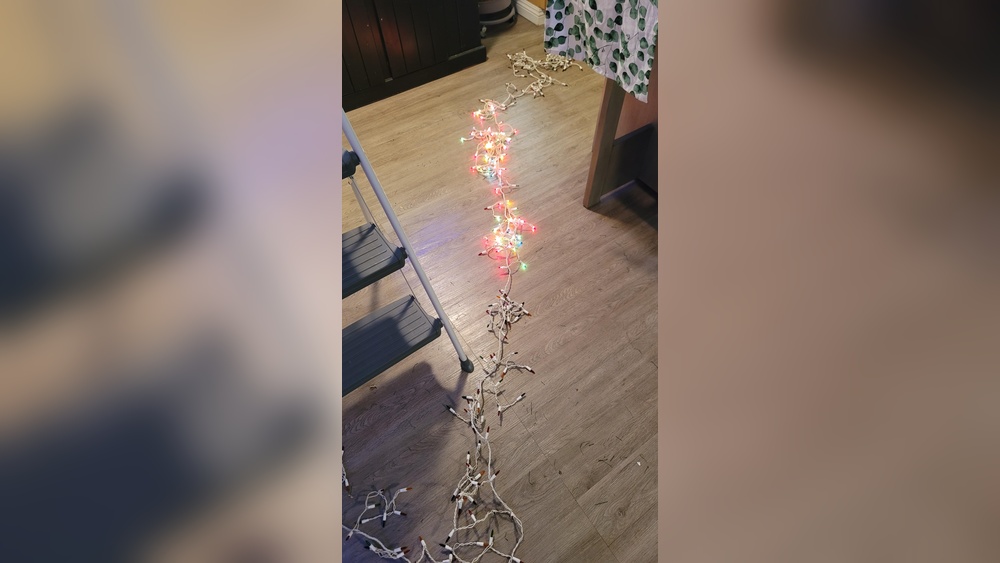
Have you ever plugged in your Christmas lights, only to find that half of the string won’t light up? It’s frustrating when your carefully decorated home suddenly looks dim and uneven.
You might wonder why this happens and how to fix it quickly. Understanding the reasons behind this common problem can save you time, money, and stress during the holiday season. Keep reading, and you’ll discover simple explanations and easy solutions to bring your lights back to life.
Common Reasons Half Lights Fail
Half of a string of Christmas lights not working is a common problem. This issue usually happens because of a few simple reasons. Understanding these reasons helps you fix the lights quickly. Here are the common causes that make half the string fail.
Faulty Bulbs
A single bad bulb can stop half the lights from working. Some bulbs control the flow of electricity to the rest. If one bulb burns out, it breaks the circuit. Replacing the faulty bulb often solves the problem fast.
Broken Fuses
Christmas light strings have small fuses inside the plug. These fuses protect the lights from power surges. A blown fuse can cause half of the lights to go dark. Check the fuse and replace it if needed to restore power.
Wiring Issues
Wiring problems are another cause of half the lights failing. Wires can break or get damaged over time. Damaged wires stop electricity from reaching some bulbs. Inspect the wires carefully and fix or replace damaged parts.
Loose Connections
Loose connections inside the string can cut power to half the bulbs. Connectors or sockets may become loose or dirty. This interrupts the electrical flow. Tighten connections and clean sockets to bring lights back on.
Credit: www.reddit.com
How Christmas Light Circuits Work
Christmas lights bring warmth and joy during the holiday season. Understanding how their circuits work helps explain why sometimes only half the string lights up. The electric current flows through the bulbs and wiring to create the festive glow. Different wiring styles affect how the lights perform and react to problems.
Series Vs Parallel Wiring
Most older Christmas light strings use series wiring. In this setup, electricity flows through each bulb one after another. If one bulb burns out, the circuit breaks, and many lights go out. Newer strings often use parallel wiring. Each bulb has its own path to the power source. One bulb failing does not affect the rest. Series wiring is simple but less reliable. Parallel wiring keeps most lights on even with a problem.
Role Of Fuses And Bulbs
Fuses protect the lights from electrical surges. They act like safety switches and stop the current if it gets too high. Bulbs also act as tiny fuses in series circuits. When a bulb burns out, it can stop the current and turn off part of the string. Some bulbs have built-in shunts that allow current to keep flowing. This is why sometimes only half the string works. The fuse or bulb failure breaks the circuit in one section.
Quick Troubleshooting Tips
Half a string of Christmas lights not working can be frustrating. Quick troubleshooting saves time and effort. It helps find and fix the problem fast. Follow simple steps to get your lights glowing again.
Checking Bulbs And Replacing Faulty Ones
Look closely at each bulb in the string. A loose or broken bulb can stop half the lights. Gently press each bulb to ensure it fits well. Replace any bulbs that look dark or damaged. Use bulbs that match the original size and type.
Inspecting And Replacing Fuses
Most light strings have small fuses in the plug. These fuses protect the lights from power surges. Unplug the string and open the fuse cover. Check if the fuse wire is broken or burnt out. Replace the fuse with one that has the same rating.
Testing Wiring And Connections
Damaged wires or loose connections can cause half the lights to fail. Carefully check the entire wire for cuts or frays. Make sure all connections are tight and secure. Fix or replace any damaged wires to restore full light function.

Credit: diy.stackexchange.com
Tools For Fixing Lights At Home
Fixing Christmas lights at home needs some simple tools. These tools help find the problem and save time. You can check bulbs, wires, and fuses quickly. Having the right tool makes the job easier and safer.
Multimeter Use
A multimeter checks if electricity flows through the string. It measures voltage, current, and resistance. You can find broken wires or dead bulbs. Set the multimeter to continuity mode. Touch the probes to parts of the light string. A beep means the circuit is complete. No sound means a break or fault.
Replacement Bulb Kits
These kits have bulbs that match your string lights. Sometimes one bad bulb stops the whole string from working. Swap out burnt or broken bulbs with new ones. The kit saves time searching for the right bulb. Keep a few bulbs on hand for quick fixes.
Fuse Tester
A fuse tester checks if the fuse inside the plug is good. The fuse protects the lights from too much electricity. A bad fuse can cause half the string to stop working. Place the fuse in the tester and look for a light or beep. Replace the fuse if it is blown.
Preventive Measures For Next Season
Taking care of your Christmas lights after the holiday can save trouble next year. Simple steps help keep lights working well. These steps prevent only half the string from lighting up again.
Proper care starts with how you store the lights. Regular checks catch small problems early. Choosing strong lights means fewer issues later. Each step matters for bright, full strings.
Proper Storage Techniques
Keep lights in a dry, cool place. Avoid tight coils that can break wires. Use a spool or wrap lights loosely. Store them in a box to protect from dust and damage. Good storage stops tangles and wire breaks.
Regular Maintenance Checks
Check lights before storing and before use. Look for broken bulbs or frayed wires. Replace bulbs that do not work. Test the whole string to find issues early. Early fixes save time and keep lights bright.
Choosing Durable Lights
Pick lights made with strong materials. LED lights last longer than old bulbs. Choose lights rated for outdoor use if needed. Durable lights resist weather and rough handling. Spending a bit more saves headaches later.

Credit: www.wikihow.com
Frequently Asked Questions
Why Do Half My Christmas Lights Stop Working?
Half the lights can fail due to a single bulb or fuse issue. A broken bulb often interrupts the circuit. Checking and replacing faulty bulbs usually restores full functionality.
Can A Blown Fuse Cause Partial Light Failure?
Yes, a blown fuse can cut power to part of the string. Most light sets have fuses in the plug. Replacing the fuse often fixes half-working lights quickly.
How Do Faulty Bulbs Affect Christmas Light Strings?
Faulty bulbs break the electrical circuit in series wiring. This causes part of the string to go dark. Identifying and replacing these bulbs restores the entire string’s illumination.
Is Wiring Damage A Reason For Half Lights Working?
Damaged or frayed wiring can disrupt the electrical flow. This causes only part of the lights to work. Inspecting and repairing wires can fix partial light failure.
Conclusion
A half-working string of Christmas lights usually means a problem in the wiring. A single bad bulb or loose connection can stop part of the lights. Checking each bulb and the plugs helps find the fault. Fixing or replacing the faulty parts can bring back the full glow.
Understanding these simple issues saves time and frustration. Enjoy bright, festive lights without guessing or stress. Keep your decorations shining bright all season long.