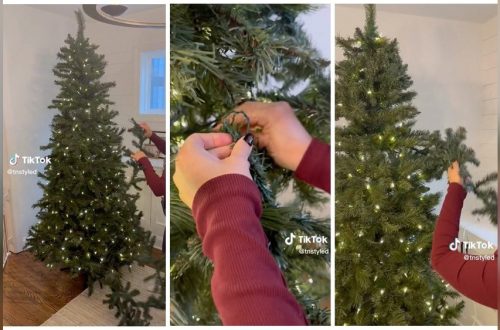
Have you ever plugged in your string lights, only to find that half of them don’t light up? It’s frustrating and confusing, especially when you’re counting on those lights to brighten up your space.
You might wonder if the whole set is broken or if there’s an easy fix you’re missing. The good news is, you’re not alone—and there are simple reasons behind this common problem. Keep reading to discover why only half your string lights work and how you can get them shining bright again.

Credit: www.wikihow.com
Common Causes Of Partial String Light Failure
Partial failure in string lights happens often. It can ruin the mood and waste time. Understanding the common causes helps fix the problem fast. This section explains the main reasons why only half your string lights work.
Burnt Out Bulbs
Burnt out bulbs stop the flow of electricity. Many string lights use a series wiring system. One bad bulb can break the circuit for many lights. Check each bulb carefully. Replace any that look dark or broken.
Faulty Fuses
String lights have small fuses to prevent damage. A blown fuse cuts power to part of the string. Open the fuse cover and check for a broken wire inside. Replace the fuse with one of the same size and rating.
Loose Connections
Loose connections cause flickering or dead sections. Bulbs not firmly seated can interrupt the circuit. Plug connections may also be loose or dirty. Push bulbs gently and clean plug contacts with a dry cloth.
Damaged Wiring
Worn or damaged wiring blocks electricity flow. Look for cuts, cracks, or frayed wires. Damage often happens from bending or outdoor use. Replace damaged sections or the entire string if needed.
Identifying The Problem Bulb
When only half of your string lights work, a problem bulb is often the cause. These small bulbs are connected in a series. One bad bulb can stop the flow of electricity. Finding this bulb is the key to fixing the lights. The process is simple with a few easy steps.
Visual Inspection Tips
Start by looking closely at each bulb. Check for dark spots or broken filaments inside. A burnt or blackened bulb often means it is dead. Also, see if any bulbs are loose or not fitting well. Tighten them gently to ensure good contact. Sometimes, a loose bulb causes the whole section to fail.
Using A Bulb Tester
A bulb tester is a small tool that checks if bulbs work. Remove bulbs one by one and test them with this device. The tester shows if a bulb is good or bad quickly. It saves time from guessing or swapping bulbs randomly. Many stores sell bulb testers for a low price.
Replacing Suspect Bulbs
Once you find a bad bulb, replace it with a new one. Make sure the new bulb matches the size and voltage. Insert the new bulb tightly in the socket. Test the string lights again to see if all bulbs light up. Replacing just one bulb can fix the entire string’s problem.
Fixing Fuses And Electrical Issues
Fixing fuses and electrical issues often solves the problem of half your string lights not working. String lights have small fuses inside the plug. These fuses protect the lights from electrical problems like power surges or shorts.
When a fuse blows, part of the string stops working. Checking and replacing the fuse can bring all the lights back to life. It is a simple and safe fix anyone can do with a little guidance.
Locating The Fuse Compartment
Most string lights have a small fuse compartment inside the plug. It often looks like a tiny door or panel. You can open this by sliding or gently prying it with a small tool.
The compartment holds one or two small fuses. It is usually near the prongs that go into the outlet. Finding this spot is the first step to fixing your lights.
Checking And Replacing Fuses
Remove the fuses carefully from the compartment. Look closely to see if the metal wire inside is broken or burnt. A damaged fuse means it needs replacing.
Use a fuse with the same rating as the original. Insert the new fuse into the compartment the same way the old one was. Close the door securely before plugging the lights back in.
Preventing Future Fuse Blows
Do not connect too many string lights on one outlet. Overloading causes fuses to blow. Use lights with the right voltage for your area.
Keep the plugs dry and avoid damaging the wires. Regularly check your string lights for wear or frayed wires. These habits extend the life of your lights and fuses.
Repairing Wiring And Connections
Repairing wiring and connections plays a key role in fixing string lights. Faulty wires or loose connections often cause half the lights to stop working. Careful checks and simple fixes can restore full lighting. This section guides you through easy steps to spot and repair wiring problems.
Inspecting For Damage
Start by looking closely at the entire string of lights. Look for cuts, cracks, or worn spots on the wires. Check the bulbs and sockets for signs of damage or corrosion. Damaged wires or sockets can stop electricity flow. Use a flashlight to see hard-to-check areas. Mark any damaged spots for repair or replacement.
Securing Loose Wires
Loose wires can break the electric path inside your string lights. Gently move the wires near the sockets and plug. If you feel any loose or disconnected wires, fix them carefully. Use electrical tape or wire connectors to secure loose ends. Make sure wires do not touch each other or metal parts. Tight connections help lights shine fully again.
When To Replace The String
Some damage is too bad to fix safely. If many wires are frayed or sockets broken, replace the whole string. Old or cheap string lights may fail often. New strings give better light and safety. Never use lights with exposed wires or burnt smell. Always choose quality string lights for longer use.
Preventive Tips For String Light Maintenance
Maintaining string lights helps keep them working longer. Simple steps prevent damage and reduce failures. Follow easy tips to enjoy bright, reliable lights every season.
Proper Storage Methods
Store string lights carefully after use. Avoid tight coils to prevent wire breaks. Use a spool or wrap them loosely around a board. Keep them dry and away from direct sunlight. This stops moisture and heat damage.
Avoiding Overloading Circuits
Do not connect too many light strands to one outlet. Overloading causes bulbs to burn out quickly. Check the manufacturer’s limit for each string. Use power strips with built-in circuit breakers for safety.
Regular Inspection Routine
Check string lights before each use. Look for broken bulbs, frayed wires, or loose connections. Replace damaged parts immediately. Clean the bulbs gently to remove dirt and improve brightness.
Credit: www.reddit.com
When To Upgrade Your String Lights
String lights brighten up any space. They add charm and warmth to outdoor and indoor areas. But what happens when only half your string lights work? It signals a problem. Often, it means the lights are old or damaged. It could also mean the wiring or bulbs are failing.
Upgrading your string lights can save time and frustration. New lights offer better performance and safety. They also bring modern features that old lights lack. Knowing when to upgrade helps keep your space bright and cheerful without hassle.
Benefits Of Led Lights
LED string lights use less energy than traditional bulbs. They last longer and stay cool to touch. LEDs reduce electricity bills and lower fire risk. They come in many colors and styles. Brightness stays consistent, avoiding flickering or dark spots. LED lights work well in cold and hot weather too.
Choosing Durable Options
Durable string lights resist weather damage like rain and wind. Look for lights with strong, waterproof casing. Quality wiring prevents shorts and breaks. Durable lights need less repair and last through seasons. They save money by avoiding frequent replacements. Choosing tough lights keeps your space safe and bright.
Smart Light Features
Smart string lights offer control through apps or remotes. Change colors, brightness, and patterns easily. Set timers to turn lights on or off automatically. Some smart lights sync with music for fun effects. These features add convenience and style. Smart lights create a lively atmosphere with simple commands.
Credit: www.reddit.com
Frequently Asked Questions
Why Do Half My String Lights Suddenly Stop Working?
Half your string lights may stop working due to a burnt-out bulb, a loose connection, or a broken fuse. Check each bulb and the wiring carefully to identify the issue. Replacing faulty bulbs or fuses usually restores full functionality.
Can A Single Bad Bulb Affect All String Lights?
Yes, one bad bulb can cause a section of string lights to fail. Many string lights are wired in series, so a broken bulb interrupts the circuit. Replacing the faulty bulb often solves the problem.
How Do I Fix Half My String Lights Not Lighting?
To fix half your string lights, first unplug them. Inspect bulbs and wiring for damage or looseness. Replace any broken bulbs or fuses. Ensure all connections are secure before plugging back in.
Why Do Led String Lights Fail Partially?
Partial failure in LED string lights often occurs due to faulty LEDs or wiring issues. LEDs are sensitive to voltage fluctuations and damage. Replacing the damaged LEDs or checking the wiring can restore full lighting.
Conclusion
Half your string lights not working can be frustrating. Often, a single bad bulb or loose connection causes the problem. Checking each bulb carefully can save you time and money. Replace faulty bulbs and secure all connections. Keeping string lights in good condition helps them last longer.
Simple steps can bring back the full glow. Brighten your space without stress or extra cost. Small fixes make a big difference in light performance. Don’t let half-lit lights spoil your mood. Take action, and enjoy your string lights fully again.