Have you ever noticed your Himalayan salt lamp looking wet or damp? It can be confusing and even a little worrying.
You might wonder if something is wrong with your lamp or if it’s about to get ruined. The truth is, a wet Himalayan salt lamp is a common issue, and understanding why it happens can save you stress and help you care for your lamp better.
Keep reading to discover the simple reasons behind this moisture and what you can do to keep your lamp shining bright and dry.
What Makes Himalayan Salt Lamps Wet
Himalayan salt lamps can sometimes feel wet or damp to the touch. This can confuse many users. Understanding why these lamps get wet helps you care for them better. Two main reasons explain this common issue.
Salt’s Natural Moisture Absorption
Himalayan salt is a natural mineral. It attracts moisture from the air. This process is called hygroscopy. The salt pulls water vapor and holds it on its surface. This is why the lamp may feel wet or sticky. It is not broken or damaged. It is simply doing what salt does naturally.
Environmental Humidity Effects
The air around the lamp affects how wet it gets. High humidity means more moisture in the air. The salt lamp absorbs this moisture easily. Places like bathrooms or kitchens often have high humidity. This causes the lamp to sweat or drip water. Lower humidity rooms keep the lamp drier. Temperature changes can also cause condensation on the lamp.
Credit: www.thelamplife.co.uk
Common Mistakes Leading To Wet Lamps
Himalayan salt lamps absorb moisture from the air. This natural property can cause the lamp to become wet. Many people make simple mistakes that increase this moisture buildup. Avoiding these common errors helps keep your lamp dry and beautiful.
Placing Near Water Sources
Keeping your lamp close to water sources is risky. Bathrooms and kitchens have higher humidity. This moisture clings to the salt surface. It makes the lamp wet and can cause damage over time. Place your lamp away from sinks, showers, or humidifiers.
Improper Lamp Usage
Salt lamps need warmth to stay dry. Turning off the lamp for long periods allows moisture to settle. Cold lamps attract water easily. Always keep the lamp on for several hours daily. The heat evaporates moisture and prevents dampness.
Lack Of Proper Ventilation
Poor airflow traps moisture around the lamp. Closed rooms with little air movement create damp conditions. Your salt lamp absorbs this moisture and becomes wet. Use your lamp in well-ventilated areas. Open windows or use fans to improve air circulation.
How Wetness Affects Your Salt Lamp
Wetness on a Himalayan salt lamp can cause several problems. The salt attracts moisture from the air, making the lamp feel damp. This moisture can harm the lamp’s structure and its electrical parts. Understanding these effects helps you keep your lamp safe and lasting longer.
Surface Erosion Risks
Salt dissolves in water. When your lamp stays wet, its surface can start to erode. Small pits or rough spots appear on the lamp. This damage changes the lamp’s smooth look. Over time, the lamp may lose its shape. The more wet it gets, the faster this happens.
Electrical Safety Concerns
Water and electricity do not mix well. Wet salt lamps pose a risk of electrical shock. Moisture can reach the lamp’s bulb or wiring. This can cause short circuits or even fires. Always keep your lamp dry to avoid these dangers. Use the lamp in dry places only.

Credit: saltworld.in
Preventing Your Salt Lamp From Getting Wet
Preventing your Himalayan salt lamp from getting wet is key to keeping it in good shape. Salt naturally attracts moisture from the air. This can cause your lamp to sweat or drip water. Taking steps to control moisture helps your lamp last longer. It also stops damage and keeps the salt looking nice.
Optimal Placement Tips
Place your salt lamp in a dry spot away from windows and doors. Avoid areas with strong air flow like vents or fans. Keep it off damp surfaces such as bathroom counters or kitchen sinks. A stable, dry table or shelf works best. This reduces exposure to moisture in the air and prevents sweating.
Using Protective Bases
Use a protective base made from wood, cork, or silicone. These materials absorb moisture and stop water from pooling under the lamp. A base also protects your furniture from salt stains. Change or dry the base often to keep it working well. This simple step helps manage moisture buildup effectively.
Controlling Room Humidity
Lower room humidity to reduce moisture around your salt lamp. Use a dehumidifier or air conditioner in damp spaces. Open windows on dry days to increase air circulation. Avoid placing the lamp in very humid rooms like bathrooms. Controlling humidity slows down salt’s natural moisture absorption.
Dealing With A Wet Himalayan Salt Lamp
A wet Himalayan salt lamp can be confusing. Salt naturally attracts moisture from the air. This makes the lamp appear damp or wet. Knowing how to handle this helps keep your lamp safe and looking great.
Dealing with a wet lamp requires some care. You want to keep it dry without damaging the salt. Small steps make a big difference in maintaining your lamp’s beauty and function.
Drying Techniques
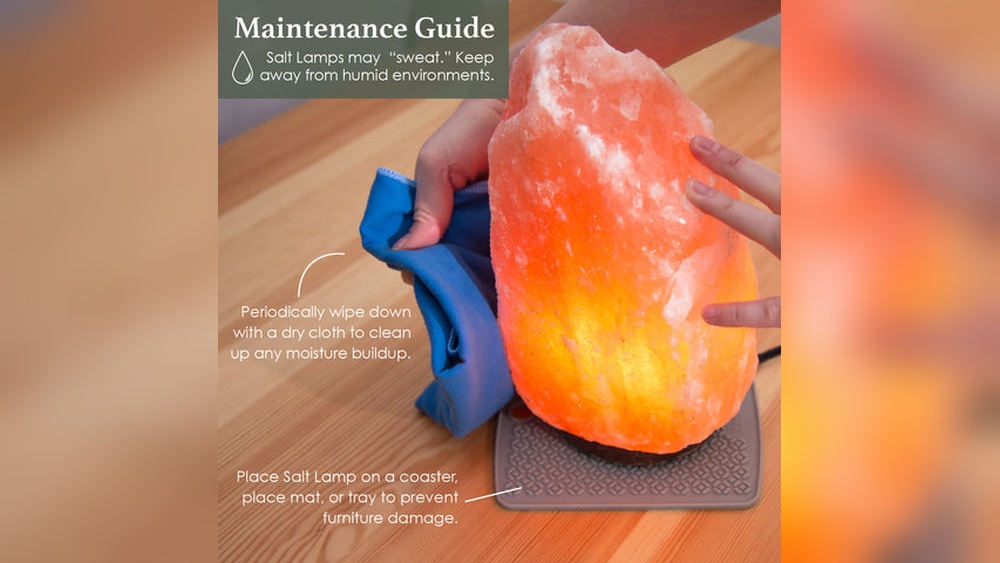
Start by unplugging the lamp to avoid any electrical issues. Use a dry cloth to gently wipe off excess moisture. Place the lamp in a warm, dry area. Avoid direct sunlight as it can cause cracks. Turn the lamp on for a few hours to help evaporate moisture. Repeat this process until the lamp feels dry to touch.
Maintenance Practices
Keep the lamp in a dry room with low humidity. Avoid placing it near windows or bathrooms. Use a coaster or plate under the lamp to catch drips. Regularly dust the lamp to prevent moisture build-up. Always turn the lamp on daily to keep it warm and dry. These habits help reduce wetness and protect your lamp long-term.

Credit: www.reddit.com
Frequently Asked Questions
Why Is My Himalayan Salt Lamp Sweating?
Himalayan salt lamps absorb moisture from the air, causing them to sweat or become wet. This happens in high humidity or damp environments. The salt naturally attracts water, so sweating is a sign of moisture absorption, not damage.
Can A Wet Himalayan Salt Lamp Harm My Home?
A wet salt lamp may drip water, potentially damaging surfaces below it. To prevent this, place the lamp on a waterproof mat or use a coaster. Regularly drying the lamp helps protect your furniture from moisture damage.
How To Stop My Himalayan Salt Lamp From Getting Wet?
Keep your salt lamp in a dry, well-ventilated area away from humidity sources. Avoid placing it near bathrooms, kitchens, or open windows. Running the lamp regularly also helps evaporate absorbed moisture and reduces sweating.
Is It Normal For Himalayan Salt Lamps To Leak Water?
Yes, occasional leaking or dripping is normal due to the lamp’s hygroscopic nature. Salt attracts and retains moisture from the air, which sometimes collects and drips off the lamp, especially in humid conditions.
Conclusion
A wet Himalayan salt lamp is common and not usually a problem. It happens because salt attracts moisture from the air. Keep the lamp in a dry place to reduce wetness. Use a cloth to wipe off any water on the surface.
Turn the lamp on often; the heat helps dry it out. Understanding why your lamp gets wet helps you care for it better. Enjoy the warm glow without worry. Simple steps keep your salt lamp working well.