Choosing the right wattage for your table lamp can change how your space feels and functions. You might think any bulb will do, but the wattage you pick affects brightness, energy use, and even your comfort.
Are you struggling with a lamp that’s too dim or too harsh? This guide will help you find the perfect wattage for your table lamp, making your room cozy, efficient, and just right for your needs. Keep reading to discover simple tips that make a big difference.
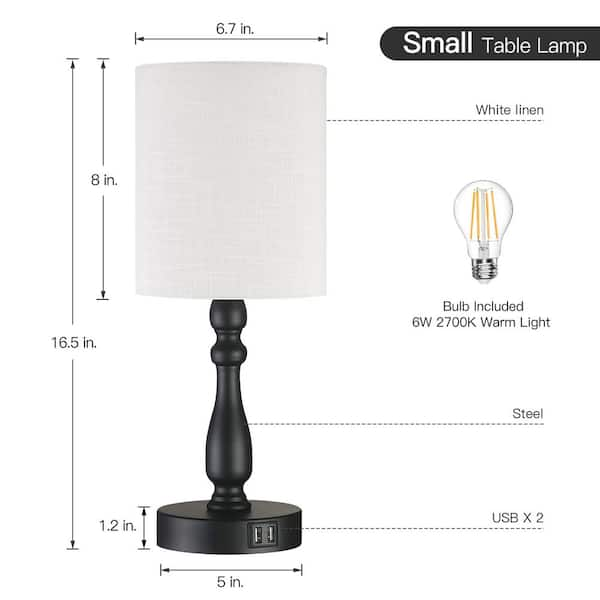
Credit: www.homedepot.com
Lamp Wattage Basics
Understanding the basics of lamp wattage helps you choose the right bulb for your table lamp. Wattage plays a key role in how much energy the bulb uses. It also affects the light output and the lamp’s safety.
Knowing the difference between wattage and brightness can make your lamp work better for your needs. This section explains what wattage means and how it relates to brightness.
What Wattage Means
Wattage measures the amount of energy a bulb uses. It is a number printed on the bulb packaging. For example, a 60-watt bulb uses 60 watts of electricity per hour.
Higher wattage means more energy use. It does not always mean the light is brighter. Wattage only shows power consumption, not brightness directly.
Wattage Vs Brightness
Brightness is measured in lumens. Lumens tell how much light a bulb produces. A bulb with more lumens gives more light, no matter the wattage.
Many new bulbs use less wattage but give the same brightness as old bulbs. For example, LED bulbs use less power but shine bright. Check lumens to find the right light level.
Common Wattage Options
Choosing the right wattage for a table lamp helps create the perfect lighting. Wattage affects brightness and energy use. Table lamps come in different wattage ranges for various needs. Understanding common options makes picking easier. Here are typical wattage choices for table lamps.
Low Wattage Lamps
Low wattage lamps usually range from 15 to 40 watts. They provide soft, gentle light. Ideal for bedrooms or cozy corners. These lamps save energy and reduce eye strain. Perfect for relaxing or reading at night. Low wattage bulbs often last longer too.
Medium Wattage Lamps
Medium wattage lamps use about 40 to 60 watts. They offer brighter light for daily tasks. Great for living rooms or offices. Medium lamps balance comfort and visibility well. They provide enough light without causing glare. Common choice for general use lighting.
High Wattage Lamps
High wattage lamps have 60 watts or more. They shine very bright and fill large spaces. Suitable for work areas or detailed tasks. High wattage bulbs may use more power. Choose these lamps when strong lighting is a must. Always check lamp limits before using high watt bulbs.
Choosing Wattage By Room
Choosing the right wattage for a table lamp depends on the room where you use it. Different rooms need different light levels for comfort and function. Picking the correct wattage helps create the perfect mood and ensures the light is useful.
Living Room Lighting
The living room often needs bright light for activities like reading or socializing. A table lamp with 40 to 60 watts works well here. It offers enough light without being too harsh. This wattage helps keep the space warm and inviting.
Bedroom Ambiance
In the bedroom, softer lighting helps with relaxation. Choose a table lamp with 25 to 40 watts. This wattage creates a calm and cozy atmosphere. It is gentle on the eyes and good for winding down before sleep.
Office And Study Needs
Work areas need focused and clear lighting. A lamp with 60 watts or more is ideal. It brightens the desk and reduces eye strain. Strong light supports concentration and productivity in study spaces.

Credit: www.risenlighting.com
Energy Efficiency Tips
Energy efficiency is key to saving money and reducing power use with table lamps. Choosing the right bulb and controls can lower your electric bill. Small changes make a big difference over time. Learn simple ways to get the most light while using less energy.
Led Vs Incandescent
LED bulbs use up to 80% less energy than incandescent bulbs. They last much longer and stay cool to touch. Incandescent bulbs burn out faster and waste more power as heat. Switching to LED bulbs cuts energy use and saves money. The light quality is bright and clear with LEDs.
Using Dimmer Switches
Dimmer switches help control lamp brightness and reduce energy use. Lowering light levels uses less electricity. This extends bulb life and creates a cozy atmosphere. Many LED bulbs work well with dimmers. Adding a dimmer switch is a simple way to save power and adjust lighting to your needs.
Lamp Shade Impact
The lamp shade plays a big role in how much light a table lamp gives out. It affects brightness and mood in a room. Choosing the right lamp shade helps get the best light from your bulb. It changes how the light spreads and how warm or cool the light feels.
Shade Material Effects
Different materials let light pass in different ways. Fabric shades give a soft, warm glow. Paper shades also soften light but can be brighter. Glass shades let more light through and can shine brighter. Metal shades block most light and make focused beams. The material affects how strong your bulb’s wattage feels in the room.
Shade Color Influence
Light colors like white or cream reflect more light. They make the room feel brighter. Dark colors absorb light and make the light dimmer. Bright colors change the light color, making the room feel warm or cool. Picking the right shade color helps control how much light your lamp gives.
Safety Considerations
Safety is key when choosing the right wattage for your table lamp. Using the wrong wattage can cause problems. It might lead to overheating or even fire hazards. Understanding safety rules helps keep your home safe. It also ensures your lamp works well without damage.
Maximum Wattage Limits
Every lamp has a maximum wattage limit. This limit shows the highest wattage bulb you can use. It is usually marked on the lamp or the socket. Exceeding this limit risks overheating. Too much heat can melt parts or start a fire. Always check the lamp’s label before buying bulbs. Stick to the recommended wattage to avoid accidents.
Heat Management
Bulbs create heat when they are on. Managing this heat is important for safety. Table lamps with poor ventilation can trap heat. This can damage the lamp or cause burns. Use bulbs that produce less heat, like LED bulbs. They are cool and safe for most lamps. Keep lamps away from curtains and flammable materials. Proper heat management prevents accidents and extends lamp life.

Credit: www.sunmory.com
Frequently Asked Questions
What Wattage Is Best For Reading Table Lamps?
A 40 to 60-watt incandescent bulb or a 6 to 12-watt LED is ideal. This provides clear, focused light without straining your eyes during reading.
Can I Use Higher Wattage Bulbs In Table Lamps?
Using higher wattage bulbs than recommended can cause overheating and damage. Always check the lamp’s maximum wattage rating for safety.
How Does Wattage Affect Table Lamp Brightness?
Higher wattage bulbs emit more light, making lamps brighter. However, brightness also depends on bulb type and lamp design, not just wattage.
Are Led Bulbs Better For Table Lamps Than Incandescent?
Yes, LED bulbs use less wattage and last longer. They provide bright, energy-efficient light, making them perfect for table lamps.
Conclusion
Choosing the right wattage for your table lamp matters a lot. It affects how bright your room feels and saves energy too. Most table lamps work well with bulbs between 40 and 60 watts. Too high wattage can cause overheating or damage.
Think about what you need—soft light for relaxing or bright light for reading. Always check the lamp’s label for recommended wattage. This small step keeps your space safe and cozy. Bright or gentle, the right wattage helps you enjoy your lamp every day.