Have you ever wondered how a simple candle lamp can light up a whole room? It’s more fascinating than you might think.
Understanding how a candle lamp works can change the way you see this everyday object. By the end of this article, you’ll know exactly what makes it glow so warmly and why it can create such a cozy atmosphere. Keep reading to discover the secrets behind your candle lamp’s gentle light and how it brings comfort to your space.
:max_bytes(150000):strip_icc()/luxury-candle-warmer-shutterstock-0321-2000-596aee3d77154686a9a34719c9bc9a5b.jpg)
Credit: www.marthastewart.com
Candle Lamp Basics
Candle lamps have been used for centuries to provide soft, warm light. They work by burning a wick soaked in fuel. This simple process creates a steady flame. Understanding the basics helps you appreciate how these lamps light up a room.
The design of a candle lamp is simple but effective. Each part plays a role in keeping the flame alive. Let’s explore the key components and how the flame stays burning.
Components Of A Candle Lamp
A candle lamp has three main parts: the wick, the fuel, and the container. The wick is a small string that draws fuel upward. The fuel is usually wax or oil. The container holds both the fuel and the wick safely. Together, these parts create a controlled flame.
The wick’s material affects how well it burns. Cotton is common because it lights easily and burns steadily. The fuel must be clean to avoid smoke. The container can be glass, metal, or ceramic. It protects the flame from wind and holds the fuel securely.
How The Flame Is Sustained
The flame stays alive because the wick pulls fuel from the container. Heat melts the fuel near the wick, turning it into vapor. This vapor mixes with air and burns. The flame’s heat keeps melting more fuel, creating a cycle.
Oxygen from the air is essential for burning. Without it, the flame goes out. The container’s design helps control airflow. This keeps the flame steady and prevents it from flickering too much. The right balance of fuel, wick, and air keeps the lamp glowing.
The Science Behind The Light
The gentle glow of a candle lamp is more than just light. It is a small science happening right before your eyes. Understanding this science helps us see why candle lamps have been used for centuries. Let’s explore the key parts of the light they produce.
Combustion Process
Combustion is the burning of fuel with oxygen. In a candle lamp, wax acts as the fuel. When the wick is lit, it melts the wax nearby. The liquid wax then vaporizes and reacts with oxygen in the air. This reaction creates a steady flame. The flame keeps burning as long as there is wax and oxygen.
Heat And Light Production
The flame produces heat and light through a chemical reaction. Burning wax releases energy in the form of heat. This heat keeps the wax melting and vaporizing. The light comes from tiny particles called soot. These particles glow as they burn, creating the warm light we see. The color and brightness depend on how clean the flame burns.
Role Of The Wick
The wick is the candle lamp’s heart. It draws liquid wax up by capillary action. This wax feeds the flame continuously. The wick also controls the flame size. A thick wick makes a bigger flame. A thin wick keeps the flame small. Choosing the right wick is key to a steady, bright light.
Design Variations
Candle lamps come in many designs. Each design affects how the lamp looks and works. Design changes can change the lamp’s style, function, and how light spreads.
These variations meet different tastes and needs. Some designs focus on tradition. Others add modern touches. Materials and shapes also vary greatly.
Traditional Vs Modern Candle Lamps
Traditional candle lamps have a classic look. They often use brass, bronze, or glass. These lamps feature detailed patterns and shapes from old styles.
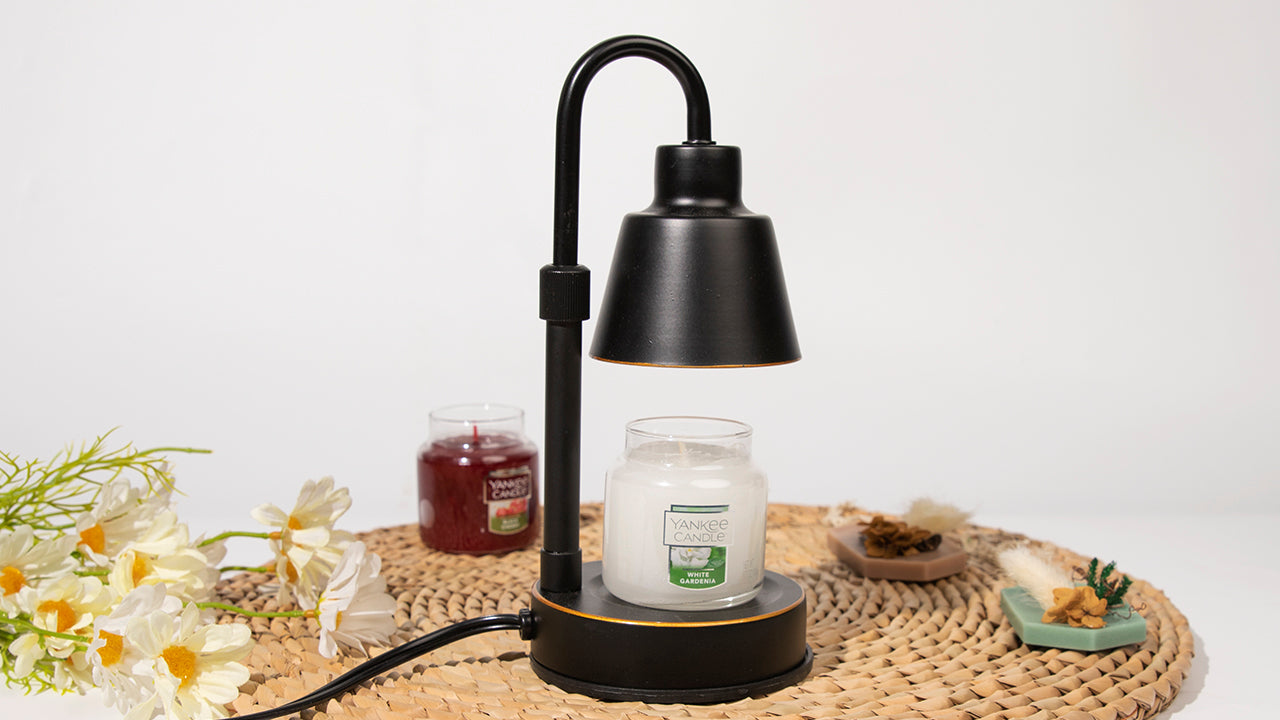
Modern candle lamps use simple and clean lines. They often combine metal with wood or plastic. These designs focus on minimalism and ease of use.
Both styles work well. Choice depends on the room’s mood and decor. Traditional lamps offer warmth. Modern lamps bring a fresh feel.
Materials And Shapes
Materials influence how a candle lamp glows and lasts. Glass and crystal create bright and clear light. Metals like iron or steel add strength and style.
Shapes range from round and soft to sharp and geometric. Round shapes spread light softly. Geometric shapes create interesting shadows and highlights.
Some lamps use colored glass or patterns. These add color and art to the light. The design choice affects the lamp’s charm and function.
Benefits Of Candle Lamps
Candle lamps offer many advantages beyond their simple design. They create a warm and inviting atmosphere. Many people choose them for their charm and practicality. Understanding these benefits helps appreciate why candle lamps remain popular today.
They combine beauty with function. They use little energy and provide a gentle light. Safety is another key reason people prefer candle lamps. Each benefit makes candle lamps a great choice for homes.
Ambiance And Aesthetics
Candle lamps give off soft, warm light that feels cozy. This light can make any room feel peaceful and calm. The flickering flame adds a natural beauty that electric lights lack. People use candle lamps to create a relaxing mood for dinners or quiet nights. They also come in many styles, fitting different decors easily.
Energy Efficiency
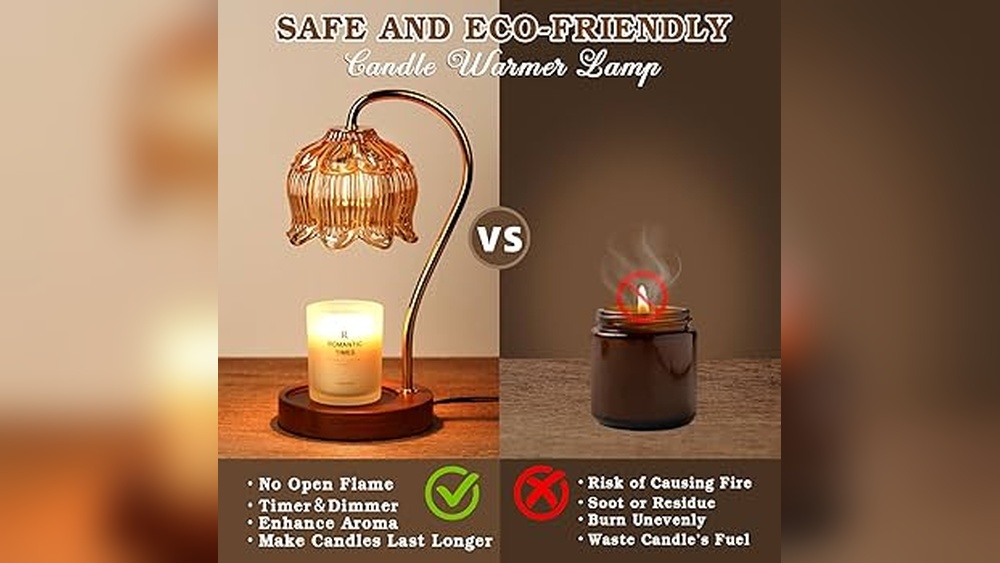
Candle lamps use very little energy. They need no electricity or batteries. This makes them perfect for saving power and lowering bills. Using candle lamps reduces your carbon footprint. They work well during power outages or in places without electric access. This simple lighting method is eco-friendly and cost-effective.
Safety Considerations
Candle lamps are safer than open candles. Many have glass or metal covers to protect the flame. This lowers the risk of fire accidents. They are stable and less likely to tip over. Always place them on flat surfaces away from flammable items. Using candle lamps with care keeps homes safe and bright.
Common Uses
Candle lamps have many practical and decorative uses. Their soft light creates a warm and inviting atmosphere. People use them in different ways to suit their needs and occasions. Below are some common uses of candle lamps.
Home Decoration
Candle lamps add charm to any room. They bring a cozy feeling to living spaces. You can place them on tables, shelves, or windowsills. Their gentle glow makes rooms feel calm and relaxing. Many choose candle lamps to enhance the look of their homes.
Emergency Lighting
Candle lamps serve as a reliable light source during power outages. They work without electricity and are easy to use. People keep them ready for emergencies at home or work. Their steady flame helps you see clearly in the dark. Candle lamps offer simple and effective emergency lighting.
Ceremonial Purposes
Candle lamps are important in many ceremonies and rituals. They symbolize peace, hope, and remembrance. People use them in religious services, weddings, and memorials. The soft light creates a respectful and thoughtful mood. Candle lamps play a meaningful role in special events.
Credit: www.ireidea.com
Tips For Optimal Performance
To get the best light from your candle lamp, follow a few simple tips. Proper care helps the lamp burn longer and brighter. It also keeps your space safe and cozy.
Choosing The Right Candle
Pick a candle that fits your lamp size. Use candles made from clean, natural wax. Avoid candles with strong scents or dyes. These can produce smoke and reduce light quality.
Maintaining The Wick
Keep the wick trimmed to about 1/4 inch. A short wick burns steadier and cleaner. Trim it before each use to stop flickering and smoke. Replace the wick if it becomes too short or damaged.
Safe Placement
Place your candle lamp on a flat, stable surface. Keep it away from curtains, papers, and other flammable items. Ensure the lamp is in a spot with no drafts. This prevents uneven burning and possible fire risks.

Credit: www.tasteofhome.com
Frequently Asked Questions
How Does A Candle Lamp Produce Light?
A candle lamp produces light by burning wax. The heat melts the wax, which fuels the wick. The wick draws melted wax upward, sustaining the flame. This combustion emits a warm, steady glow that illuminates surroundings effectively.
What Materials Are Used In A Candle Lamp?
Candle lamps typically use wax, a wick, and a glass or metal holder. Wax serves as fuel, while the wick absorbs and burns it. The holder protects the flame and enhances safety. These materials work together to produce light safely.
Why Is The Wick Important In A Candle Lamp?
The wick is crucial as it draws melted wax to the flame. It controls the burn rate and flame size. Without the wick, the wax wouldn’t vaporize properly, preventing the candle from lighting or staying lit. It ensures consistent illumination.
Can Candle Lamps Be Used For Decoration And Lighting?
Yes, candle lamps serve both decorative and lighting purposes. They create a cozy ambiance with soft, flickering light. Many designs enhance aesthetics while providing functional illumination. They are popular for homes, events, and relaxing atmospheres.
Conclusion
A candle lamp lights up using a simple flame and air flow. The candle’s heat melts wax, fueling the flame steadily. Air enters to keep the flame burning bright. This process creates soft, warm light without electricity. Candle lamps offer a cozy, natural glow for any space.
Understanding how they work helps appreciate their charm. They remain a classic choice for gentle, eco-friendly lighting. Simple, reliable, and beautiful—candle lamps continue to shine in many homes.