Have you ever wondered how much brighter kerosene lamps were compared to candles? If you’ve struggled with dim lighting during power outages or while camping, understanding this difference can change the way you choose your light source.
Imagine being able to see clearly across a room, instead of just a few feet ahead. You’ll discover exactly how kerosene lamps outshine candles and why that matters for your comfort and safety. Keep reading to find out which light might suit your needs best and how this simple knowledge can improve your everyday life.
Light Output Of Candles
Candles have provided light for centuries. Their soft glow creates a warm and cozy feeling. Understanding the brightness of candles helps us compare them with other light sources like kerosene lamps.
The light output of a candle depends on several factors. Some candles shine brighter, while others offer a dimmer light. Let’s explore how bright candles really are.
Typical Brightness Levels
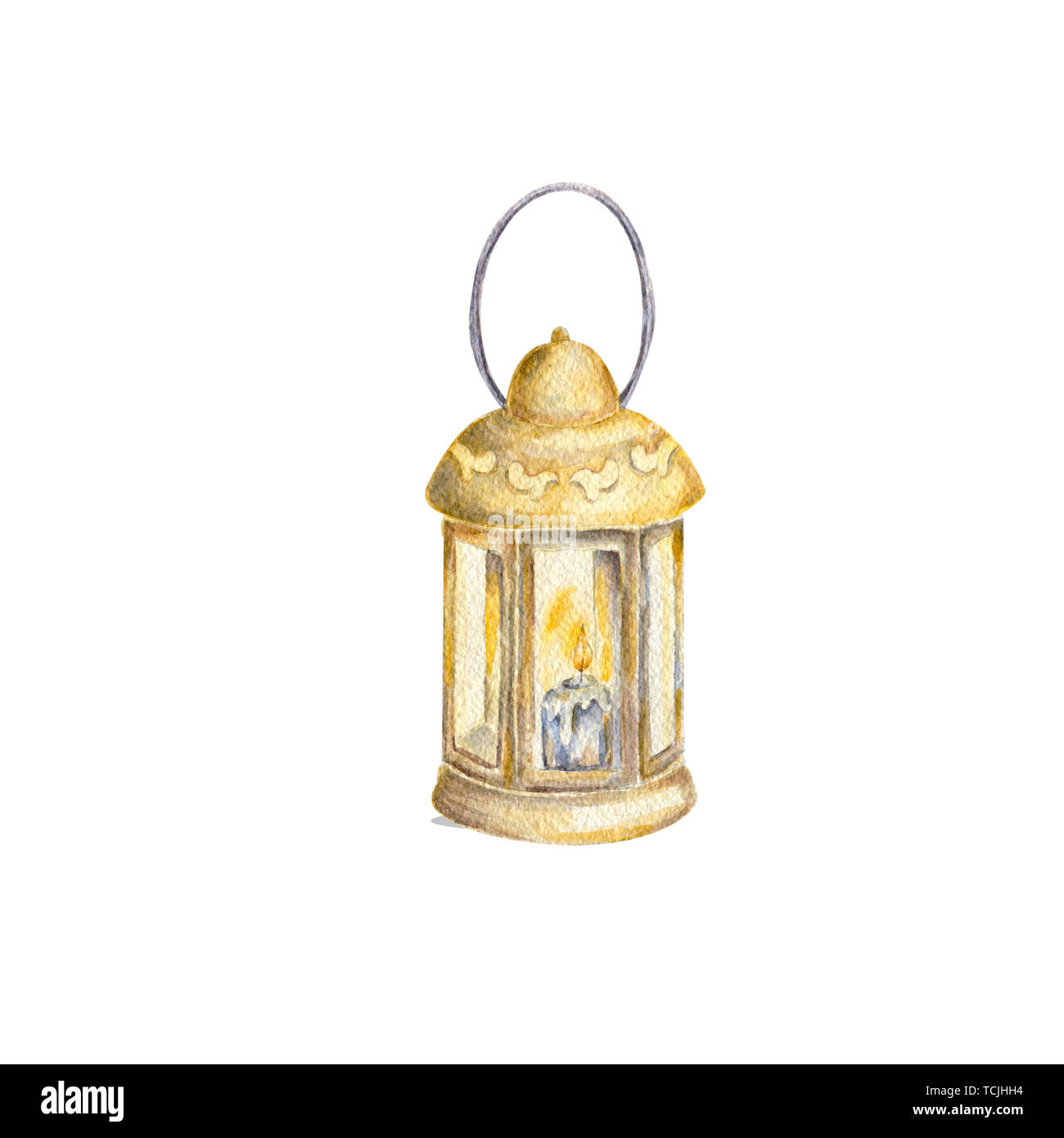
A standard candle produces about 12 to 13 lumens of light. This is enough to light a small area or create mood lighting. Compared to modern bulbs, a candle is quite dim. But for its size, it gives a decent amount of light.
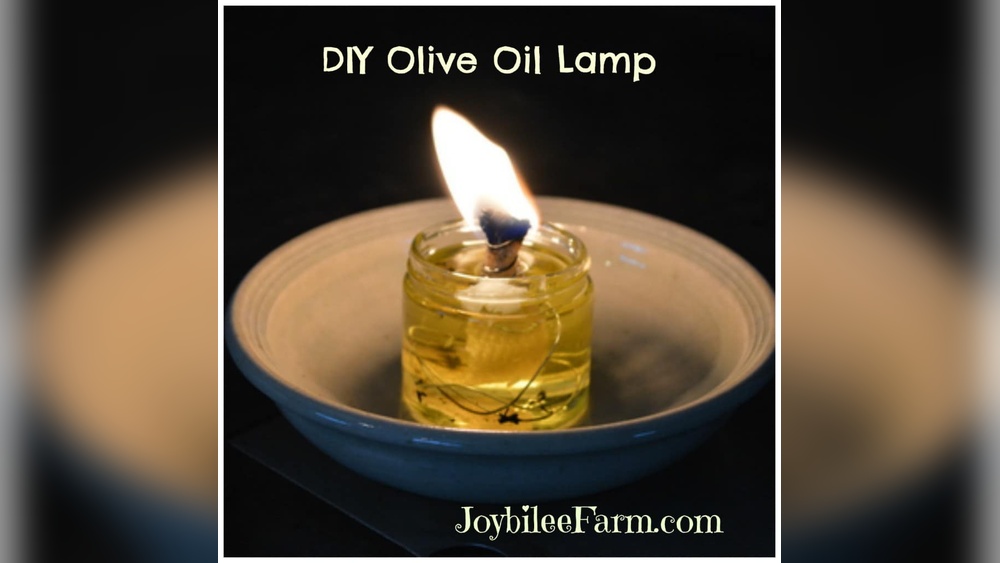
Smaller candles, like tea lights, produce less light, around 5 lumens. Larger candles or multiple candles can increase brightness. Still, candles rarely light up large rooms by themselves.
Factors Affecting Candle Light
The brightness of a candle changes based on its size and wax type. Thicker candles often burn longer and brighter. The wick’s length and quality also influence the flame size.
Air flow matters too. A breeze can flicker the flame and reduce light output. The color of the candle’s wax can affect how much light passes through. White or light-colored candles usually glow more brightly than dark ones.
Credit: www.alamy.com
Brightness Of Kerosene Lamps
Kerosene lamps were a popular light source before electricity spread widely. Their brightness made them useful for homes, shops, and outdoor work. Understanding how bright kerosene lamps were helps us compare them to candles. This sheds light on why kerosene lamps replaced candles in many places.
How Kerosene Lamps Work
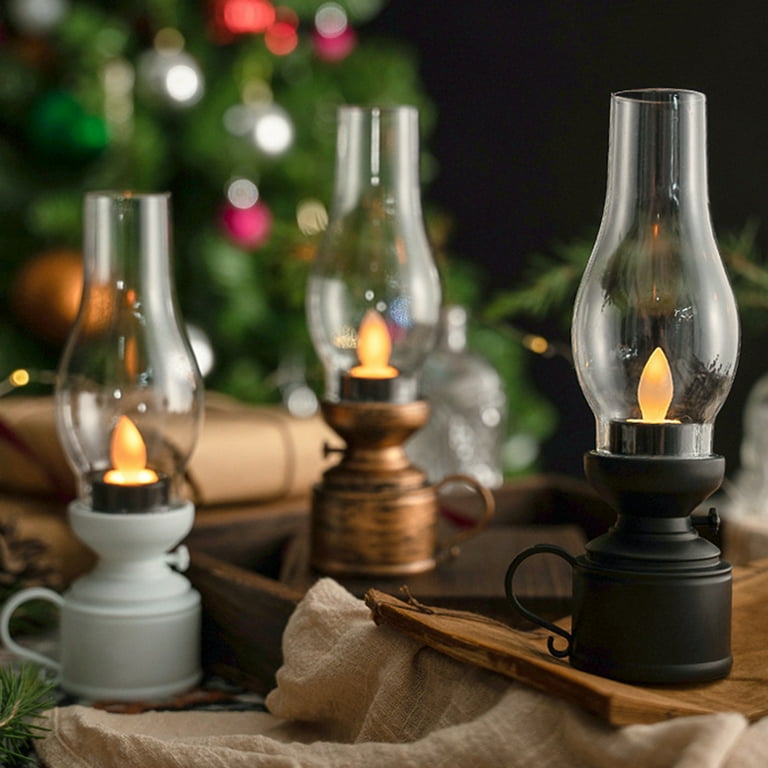
Kerosene lamps burn liquid fuel called kerosene. The fuel soaks into a wick. When lit, the wick draws kerosene up to the flame. The flame heats the kerosene, creating steady light. A glass chimney surrounds the flame. This protects it and helps air flow. The chimney improves brightness and keeps the flame stable.
Light Intensity Compared To Candles
Kerosene lamps produce much more light than candles. A typical kerosene lamp shines about 10 to 15 times brighter. Candles give off a small, soft glow. Kerosene lamps create a stronger, wider light. This made tasks like reading and cooking easier. The brighter light also lit bigger rooms. People preferred kerosene lamps for their clear and lasting light.
Historical Usage And Preferences
People have used kerosene lamps and candles for light for hundreds of years. Each had a special place in homes and public spaces. Their use often depended on the need for brightness and ease of use.
Understanding why people preferred one over the other helps us see how life was before electric lights. The choices were simple but important for daily activities and comfort.
Why People Chose Kerosene Lamps
Kerosene lamps gave stronger light than candles. They were common in homes that needed bright, steady light. Farmers and workers used them to see clearly at night. These lamps were useful for reading, cooking, and working after dark.
The fuel was cheap and lasted longer than candles. Kerosene lamps also resisted wind better, so they worked well both inside and outside. People valued their brightness and reliability.
Situations Favoring Candle Use
Candles were easier to carry and light quickly. They were popular for short-term use, such as during power outages or religious ceremonies. In places with little kerosene supply, candles remained the main light source.
Many used candles for decoration or warmth. They gave a soft, gentle glow, which some found comforting. Candles were simple tools in times when people needed less light but more ambiance.
Measuring Light: Lumens And Candlepower
Measuring light helps us understand how bright sources really are. Two common ways to measure light are lumens and candlepower. Lumens show the total light visible to the human eye. Candlepower measures the brightness in one direction. These measurements help compare different light sources clearly.
Methods Of Measuring Brightness
Lumens measure the total light output from a source. They reflect all light visible around the lamp. Candlepower, also called candela, measures light intensity in a specific direction. It helps to know how bright a lamp appears from one point. Instruments like light meters are used to get these measurements. Both methods give useful but different information about brightness.
Comparing Candle And Kerosene Lamp Output
Traditional candles produce about 12 to 13 lumens each. Their candlepower is low because light spreads evenly. Kerosene lamps produce more lumens, usually 40 to 100 depending on the lamp size. They have higher candlepower too, focusing light better. This means kerosene lamps were much brighter than candles. They could light larger rooms and last longer. People preferred kerosene lamps for better illumination at night.
Surprising Facts About Kerosene Lamp Brightness
Kerosene lamps provided light before electricity became common. Many think they were just slightly brighter than candles. The truth about their brightness is more interesting. These lamps often gave off a stronger, steadier light than expected.
People used kerosene lamps for reading and working at night. Their light was soft but more reliable. This made them popular in homes and businesses. Let’s explore some surprising details about their brightness.
Common Misconceptions
Many believe kerosene lamps were very dim, like small candles. This is not true. Kerosene lamps used liquid fuel, which burns brighter than a candle wick. The flame size could be adjusted to give more light.
Some think kerosene lamps flickered too much. Actually, they had a steady flame if well-made. Candles often flickered and melted unevenly. Kerosene lamps burned longer without needing much attention.
Unexpected Advantages
Kerosene lamps offered a wider light spread than candles. This helped light up larger rooms better. They also produced less smoke and odor than many expected. This made indoor use more comfortable.
Many lamps had glass chimneys. This protected the flame and improved brightness. It also helped keep the flame steady in windy conditions. These features made kerosene lamps practical and efficient for daily use.
Credit: www.walmart.com
Safety And Practicality Considerations
Safety and practicality are key factors when comparing kerosene lamps and candles. Both provide light, but their risks and ease of use differ. Understanding these differences helps choose the best option for any situation. This section explores the safety issues and daily handling of each light source.
Risks Of Kerosene Lamps Vs. Candles
Kerosene lamps use liquid fuel, which can spill and catch fire easily. They produce fumes that may harm health in small, closed spaces. Flames are strong and can cause burns if knocked over. Candles have smaller flames, but they still pose fire risks. Wax drips can cause burns or start fires on flammable surfaces. Both need careful placement away from children and pets. Ventilation is important when using kerosene lamps to avoid breathing problems.
Ease Of Use And Maintenance
Candles are simple to use. Light the wick, and they burn until finished. No need to refill or adjust. Kerosene lamps require more care. Users must fill the tank and trim the wick regularly. Lighting can be tricky without practice. Lamps provide steadier light and last longer with proper care. Cleaning soot from the glass is necessary to keep brightness. Candles are more convenient for quick, short-term use.
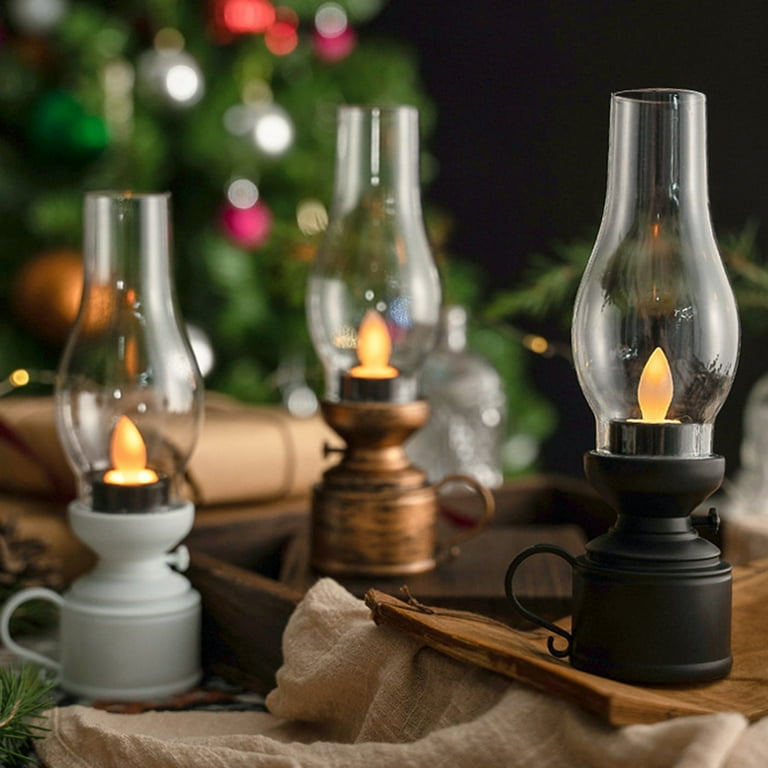
Credit: www.walmart.com
Frequently Asked Questions
How Bright Were Kerosene Lamps Compared To Candles?
Kerosene lamps produced significantly brighter light than candles. They emitted a steady, strong flame, offering better illumination for tasks and rooms. Candles gave softer, dimmer light, suitable for ambiance but not practical for detailed work.
Why Were Kerosene Lamps Preferred Over Candles?
Kerosene lamps lasted longer and provided more consistent light. They were more fuel-efficient and cost-effective. Their brightness and reliability made them ideal for homes and workplaces before electricity was common.
Did Kerosene Lamps Improve Nighttime Visibility?
Yes, kerosene lamps greatly improved nighttime visibility. Their brighter flame illuminated larger areas, enhancing safety and productivity after dark. Candles could not match their intensity or duration.
Were Kerosene Lamps Safer Than Candles?
Kerosene lamps were generally safer when handled properly. Their enclosed flame reduced fire risks compared to open candle flames. However, kerosene is flammable, so careful use was still necessary.
Conclusion
Kerosene lamps gave off much brighter light than candles. They helped people see more clearly at night. This made tasks easier and safer in the dark. Candles offered a soft, small glow but were less useful. Kerosene lamps burned longer and saved time by needing fewer replacements.
Their brightness marked a big step forward in lighting. Understanding these differences shows how lighting technology improved daily life. Brightness mattered a lot in homes and workplaces before electricity. Kerosene lamps truly lit the way better than candles ever could.