Have you ever wondered how many homes choose artificial Christmas trees each year? Whether you’re thinking about switching from a real tree or just curious about holiday trends, this question might surprise you.
Knowing how many people use artificial trees can help you feel more confident about your own choice. Plus, it might reveal some interesting facts about holiday traditions you didn’t expect. Keep reading to discover the numbers, reasons, and benefits behind the growing popularity of artificial Christmas trees—and see if your home is part of this festive trend.

Credit: prettyinthepines.com
Popularity Of Artificial Christmas Trees
Artificial Christmas trees have grown in popularity over the years. Many homes now choose them over real trees. They offer convenience and last for many years. This makes them a popular choice during the holiday season.
People like artificial trees for their neat look and easy setup. These trees also avoid the mess of needles. This adds to their appeal for busy families and apartment dwellers.
Trends Over The Last Decade
Sales of artificial trees have steadily increased in the past ten years. More households now own at least one artificial tree. Advances in design make these trees look very real. New features like built-in lights attract more buyers. Seasonal sales and online shopping make them easy to get. This steady rise shows a clear trend toward artificial trees.
Demographic Preferences
Young families often choose artificial trees for safety and ease. Urban residents prefer them because they fit small spaces well. Older adults like artificial trees for their low maintenance. Some people buy them for allergy reasons. Preferences vary, but artificial trees appeal to many groups. This wide appeal helps explain their growing use each year.
Annual Usage Statistics
Each year, many families decide how to decorate their homes for Christmas. One important choice is between artificial and real Christmas trees. Understanding the annual usage of artificial trees helps see current trends. It also shows how popular these trees have become over time.
Artificial Christmas trees offer convenience and reuse, attracting many households. Let’s explore the numbers behind how many homes choose artificial trees each year.
Percentage Of Homes With Artificial Trees
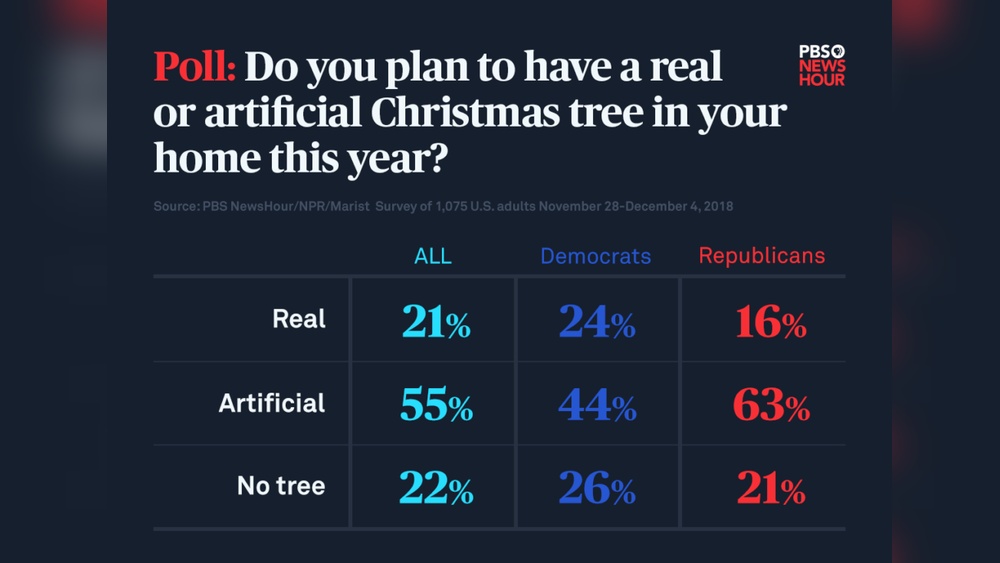
About 45% of U.S. homes use artificial Christmas trees yearly. This number has grown steadily over the past decade. Artificial trees appeal for their easy setup and long life. Many families enjoy the same tree for several years. This reduces waste and yearly expenses.
The rise in artificial tree use also reflects changing lifestyles. Busy schedules make quick decoration a priority. Artificial trees deliver this convenience without sacrificing holiday spirit.
Comparison With Real Tree Usage
Real Christmas trees remain popular, with around 55% of homes choosing them. Many people love the fresh smell and tradition of a real tree. However, artificial trees close the gap each year. Their share rises as more people value ease and reusability.
Both types have strong followings. Real trees bring natural beauty and scent. Artificial trees offer simplicity and less mess. The choice depends on family habits and priorities. The yearly statistics show a near balance between the two options.
Environmental Impact
Many families choose artificial Christmas trees each year. This choice affects the environment in several ways. Understanding these impacts helps make smarter holiday decisions. Let’s explore the environmental effects of artificial trees versus real ones.
Sustainability Of Artificial Trees
Artificial trees are made mostly from plastic and metal. These materials come from non-renewable sources like oil. Manufacturing these trees uses energy and creates pollution. On the bright side, artificial trees can be reused for many years. This reuse reduces the need to cut down real trees every Christmas. Still, the plastic does not break down easily after disposal. It can stay in landfills for hundreds of years.
Carbon Footprint Comparison
Carbon footprint means the amount of greenhouse gases released. Real trees absorb carbon dioxide while growing. Cutting them down releases carbon, but new trees can grow in their place. Artificial trees need more energy to produce and ship. However, using an artificial tree for over ten years can lower its carbon footprint. Choosing a tree that lasts many seasons helps reduce overall emissions. Proper recycling of artificial trees can also cut their carbon impact.
Cost Factors
Cost plays a big role in the choice of Christmas trees. Artificial trees have costs that vary widely. Understanding these costs helps families decide if artificial trees fit their budget. Some expenses happen only once. Others appear every year or season.
Initial Investment Vs. Long-term Savings
Buying an artificial Christmas tree requires a bigger upfront payment. Prices depend on size, brand, and quality. A good artificial tree can last over ten years. This means less spending on new trees each year. Over time, using one tree saves money. Real trees must be bought every holiday season. Artificial trees avoid this yearly cost. The initial cost may seem high but saves money long-term.
Regional Price Variations
Prices for artificial trees differ by location. Some areas have higher costs due to shipping fees. Urban places may offer more expensive options. Rural areas sometimes have fewer choices but lower prices. Local demand also affects prices. Regions with many buyers may have better deals. Knowing local prices helps buyers plan budgets well.
Popular Styles And Features
Artificial Christmas trees come in many styles and features. Each year, millions of homes choose these trees for their holiday decor. The variety allows families to find the perfect match for their space and taste. From classic shapes to modern designs, options are endless. Features also add convenience and charm to the festive setup.
Understanding the popular styles and features helps shoppers make better choices. It also shows why artificial trees remain a favorite. Let’s explore some common designs and new technological enhancements.
Common Tree Designs
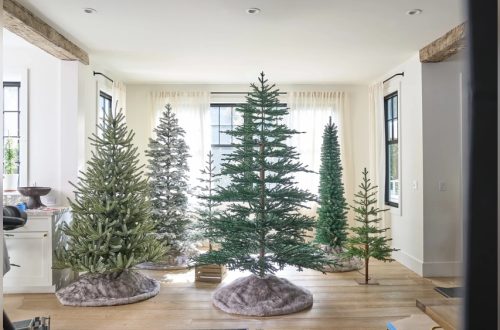
Most artificial trees mimic real pine or fir trees. The most popular shapes include full, slim, and pencil trees. Full trees have thick branches that look lush and dense. Slim trees fit well in small rooms or apartments. Pencil trees are very narrow and tall, perfect for tight spaces.
Colors also vary. Traditional green is the most common. White trees create a snowy, winter effect. Some trees come in frosted or flocked styles, adding a touch of sparkle. Others use a mix of green and white tips for a natural look. Many families choose based on room size and decoration style.
Technological Enhancements
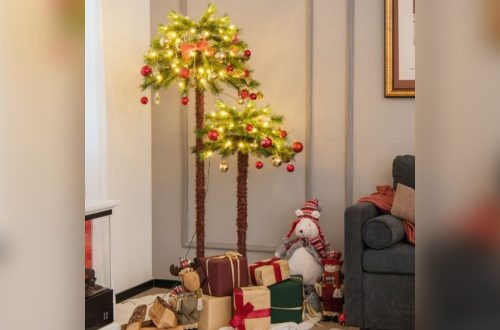
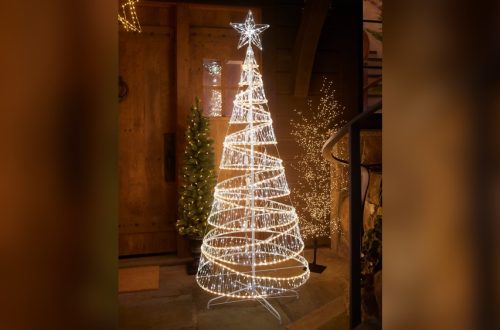
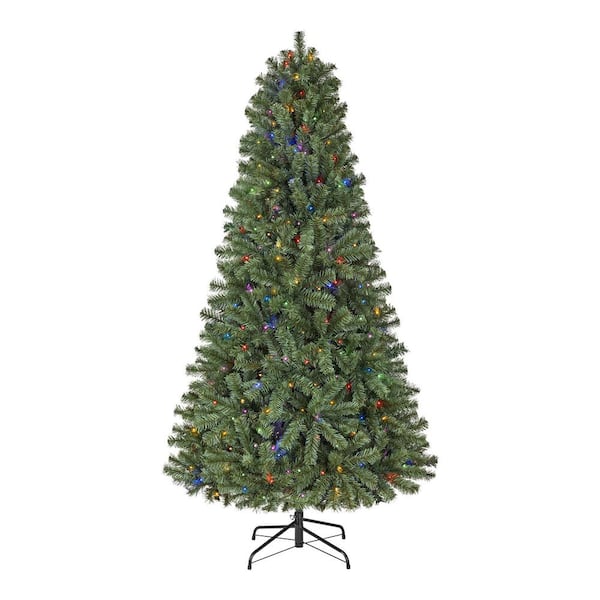
Modern artificial trees come with smart features. Pre-lit trees have built-in LED lights. These save time and reduce hassle during setup. Some lights change colors or have different flashing patterns. Remote controls allow easy light adjustments from across the room.
Other enhancements include easy assembly systems. Many trees use hinged branches that simply fold out. This design makes setup quick and simple. Some trees have adjustable heights or branch density. These features help fit different spaces perfectly.
Newer models also use fire-resistant materials for safety. This gives peace of mind during the holiday season. These technological improvements make artificial trees more convenient and attractive each year.
Credit: www.homedepot.com
Consumer Motivations
Many families choose artificial Christmas trees for various reasons. These trees offer benefits that appeal to different needs. Understanding why people pick artificial trees helps explain their growing popularity. The motivations often include ease of use, health concerns, and safety.
Convenience And Durability
Artificial trees save time and effort. No need to water or clean up fallen needles. They come pre-lit or easy to set up. These trees last for many years without losing shape.
Storing them is simple compared to real trees. They stay fresh-looking season after season. Many buyers appreciate the long-term savings too. No yearly purchase needed.
Allergy And Safety Concerns
Artificial trees help avoid allergies from real pine. People with sensitive noses find them safer to use. No pollen or mold comes with these trees.
Fire safety is another reason. Real trees can dry out and catch fire. Artificial trees are made with flame-resistant materials. Families with small children or pets often prefer them for this reason.
Future Outlook
The future of artificial Christmas tree use in homes looks promising. More people choose these trees for convenience and style. Trends show a steady rise in their popularity. New ideas and technology keep improving these trees.
Predicted Growth Trends
Experts expect more homes to use artificial trees each year. The demand grows as families seek easy and reusable options. Many buyers prefer trees that last for many seasons. This steady increase fits with busy lifestyles and green choices. The market for artificial trees is set to expand steadily.
Innovations In Artificial Trees
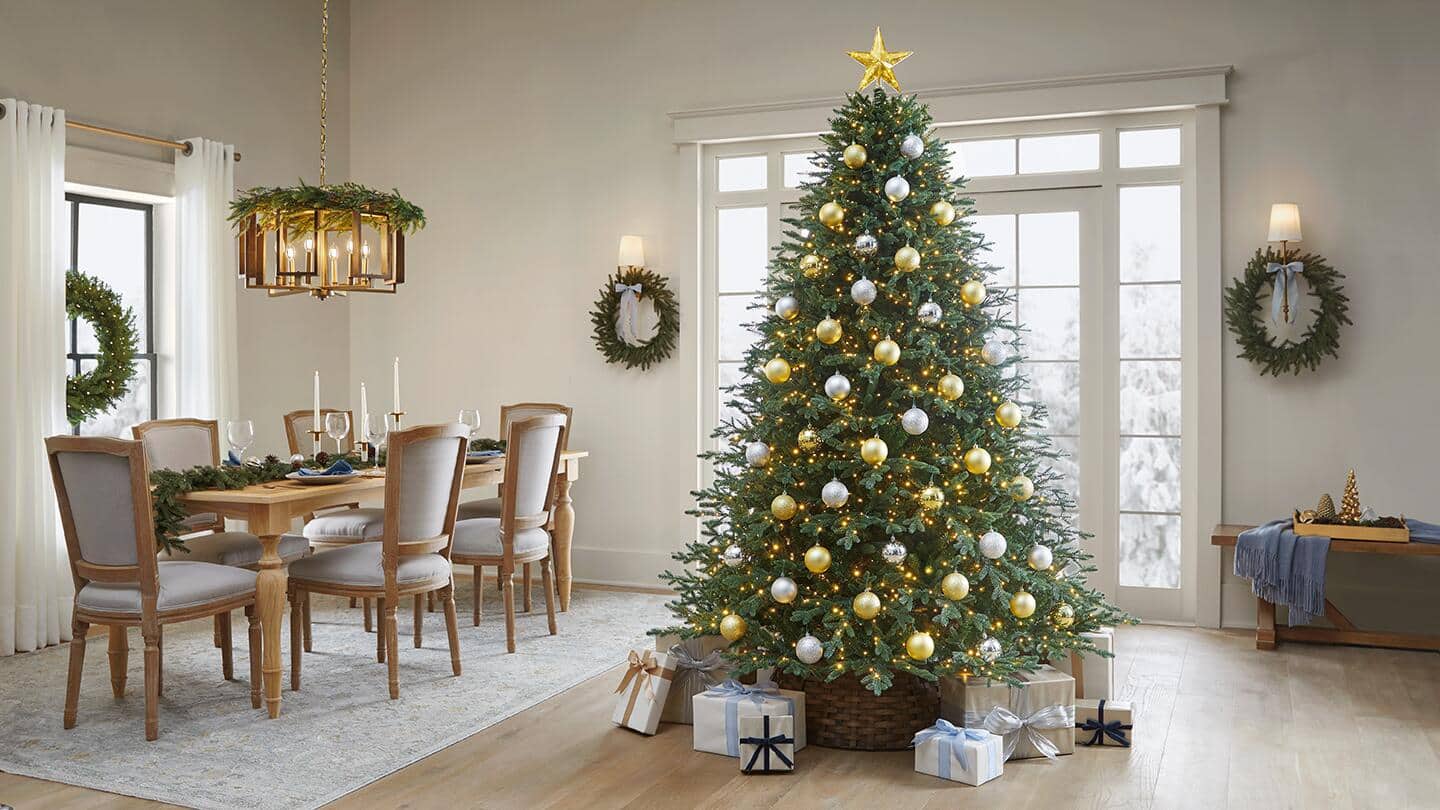
Manufacturers develop new features to attract buyers. Trees now come with built-in lights and realistic textures. Some use eco-friendly materials to reduce waste. Smart trees with remote control and adjustable colors appear. These upgrades make artificial trees more appealing and practical. Shoppers find better options that fit their needs.
Credit: www.homedepot.com
Frequently Asked Questions
How Many Homes Use Artificial Christmas Trees Annually?
Approximately 35-40% of American homes use artificial Christmas trees each year. This number has steadily increased due to convenience and reusability.
Why Do People Prefer Artificial Christmas Trees?
People prefer artificial trees because they are reusable, low-maintenance, and allergy-friendly. They also save time and reduce needle mess.
Are Artificial Christmas Trees More Eco-friendly?
Artificial trees can be eco-friendly if used for many years. However, they are made from non-biodegradable materials, unlike real trees.
How Has Artificial Tree Usage Changed Over Time?
Artificial tree usage has grown significantly over the past decades due to improved quality and variety in designs.
Conclusion
Millions of homes choose artificial Christmas trees every year. They offer convenience and last for many seasons. People like how easy they are to set up and store. Artificial trees come in many styles and sizes. They suit different budgets and tastes.
Choosing a tree depends on personal preference and needs. This trend shows no sign of slowing down. Artificial trees remain a popular holiday choice worldwide.