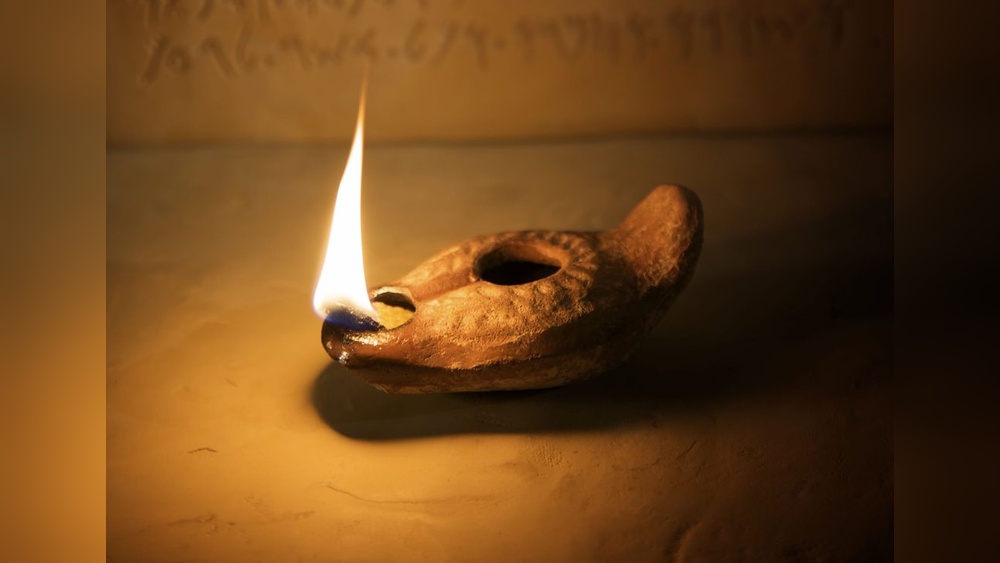
Have you ever wondered which light source came first—the oil lamp or the candle? It’s a simple question, but the answer reveals a fascinating story about how humans learned to bring light into darkness.
Understanding this can change the way you see everyday objects and connect you to ancient traditions. Keep reading, and you’ll discover surprising facts that might make you appreciate the warm glow of a candle or the flicker of an oil lamp in a whole new way.
Your curiosity is about to be rewarded.
Credit: www.indianshelf.in
Ancient Lighting Methods
Long before electricity, humans needed light to see in the dark. They found ways to create light using what nature gave them. Ancient lighting methods shaped how people lived and worked after sunset.
These early techniques show the creativity of humans in solving everyday problems. The story of lighting starts with fire and natural light sources.
Early Human Use Of Fire
Fire was the first source of light for humans. People learned to control fire from natural wildfires. They used burning wood or dried plants to make light and warmth.
Fire gave a steady glow that helped people see at night. It also scared away wild animals and insects. Early humans gathered around fires for safety and social time.
Natural Light Sources
Besides fire, people used other natural sources for light. The sun and moon provided light during day and night. Animals like glowworms also gave small light.
Humans collected materials like animal fat and plants to make lamps. These lamps burned slowly and gave soft light. Candles made from beeswax or tallow came later as a new light method.
Credit: rwguild.com
Origins Of The Oil Lamp
The oil lamp is one of the oldest tools humans used for light. It appeared long before candles became common. Understanding where oil lamps come from helps us see how people lived in the past.
Oil lamps gave light during dark times and helped extend the day. They were simple but very useful. Let’s explore their beginnings, what they were made of, and their importance in different cultures.
Earliest Oil Lamp Designs
The first oil lamps were small bowls or shells. People filled them with animal fat or plant oil. A wick made from fibers soaked in oil gave a steady flame. These designs were simple but effective. Over time, lamps became more shaped and decorated.
Materials And Fuels Used
Early lamps used natural materials like stone, clay, or metal. Animal fats were the main fuel at first. Later, people used oils from olives and seeds. These oils burned cleaner and lasted longer. The wick was often made of cotton or flax fibers.
Cultural Significance
Oil lamps held special meaning in many cultures. They were symbols of light and hope. People used them in religious ceremonies and daily life. Lamps often represented knowledge and protection from darkness. They played a role in festivals and traditions worldwide.
Development Of The Candle
Candles have a long history. People have used them to light homes for thousands of years. Before electricity, candles were important for light after dark. Their development shows how humans improved simple tools over time. The candle’s story is about making light safer and longer-lasting.
From early forms to modern candles, changes in materials and designs helped. Understanding this helps us see why candles were needed before oil lamps. The candle grew from simple beginnings to a common household item.
First Candle Creations
The first candles were simple sticks dipped in animal fat. People in ancient times used rushes or rolled paper as wicks. These early candles gave off light but burned quickly. They were easy to make with natural materials nearby. Early humans used these candles mostly in homes and temples.
Wax Types And Wicks
Over time, different waxes became popular. Beeswax was one of the first clean-burning waxes used. Tallow, made from animal fat, was also common but smelled bad. Cotton and linen became common wick materials. These changes made candles burn longer and cleaner. Wax type and wick quality affected how well candles worked.
Evolution Through Time
By the Middle Ages, candle-making became a skilled trade. Candles were made in special shops called chandlers. New waxes like paraffin appeared in the 19th century. Candle shapes and sizes changed for different uses. Today, candles are used for decoration, scent, and light. Their long history shows steady improvements in making light.

Credit: www.amazon.com
Comparing Oil Lamps And Candles
Comparing oil lamps and candles reveals how ancient humans illuminated their world. Both served the basic need for light. Each had unique features and uses that shaped daily life and culture. Exploring their differences helps understand early lighting methods better.
Functionality And Efficiency
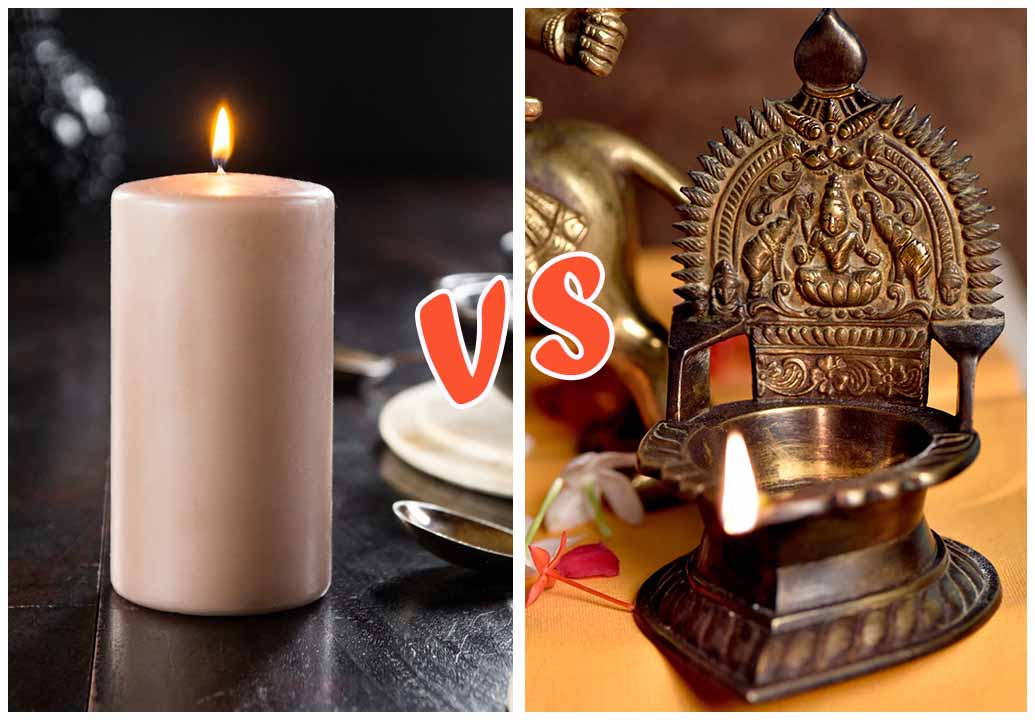
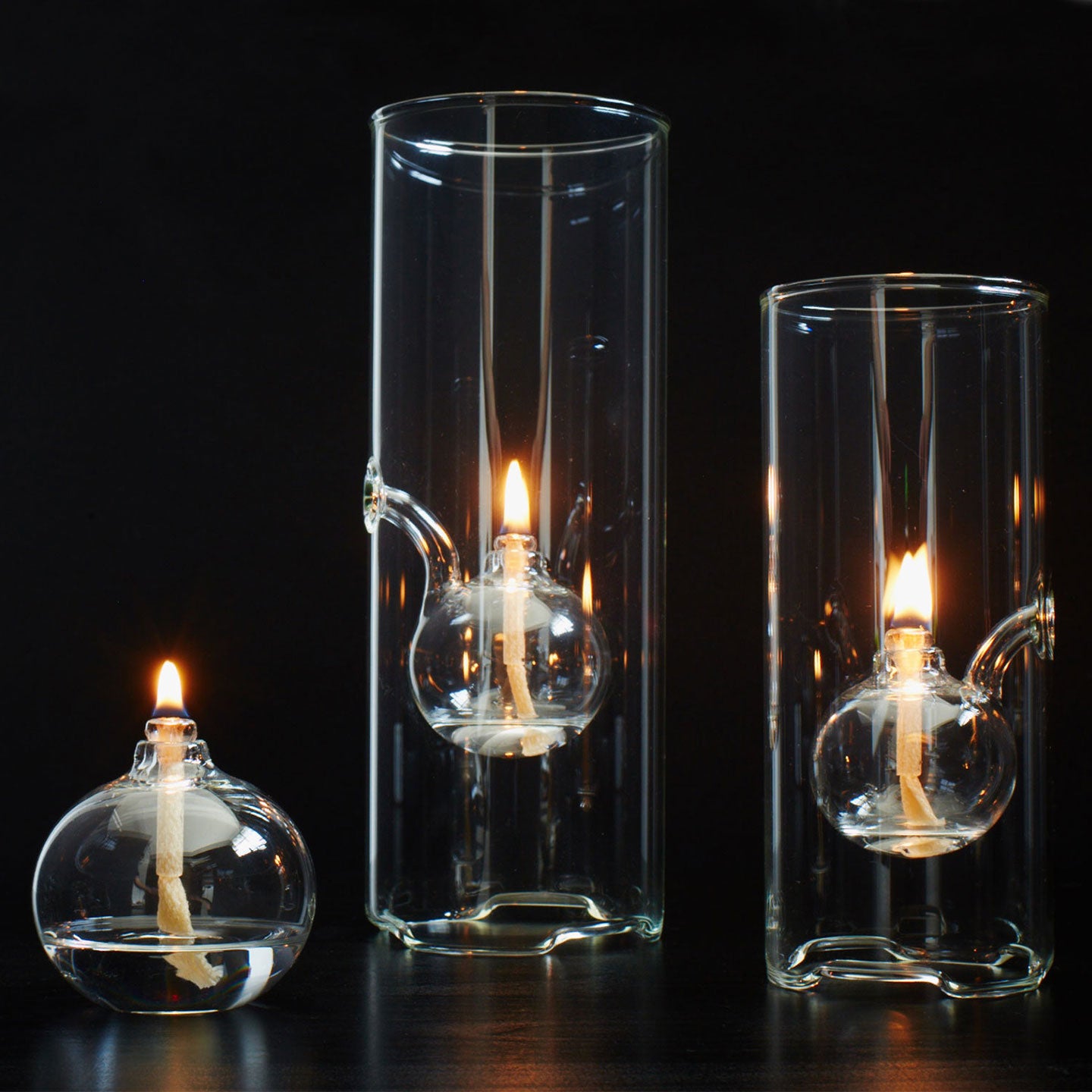
Oil lamps use a container filled with oil and a wick. The wick draws oil to burn steadily. Candles have wax with a wick running through the center. Wax melts as it burns, feeding the flame. Oil lamps usually last longer because oil burns slower. Candles are easier to move and shape. Both provide soft, warm light but differ in burn time and maintenance.
Usage In Daily Life
People used oil lamps indoors and outdoors. They worked well for long nights or dark spaces. Candles were common in homes and religious places. They were easy to carry and place on tables. Oil lamps required refilling and cleaning. Candles were disposable but needed replacement often. Both made life easier after sunset, yet had different practical roles.
Symbolism And Rituals
Oil lamps symbolized knowledge, hope, and protection in many cultures. They appeared in rituals and festivals worldwide. Candles often represented light overcoming darkness and purity. They played roles in ceremonies, prayers, and celebrations. Each held special meaning beyond their simple function. Their light connected people to traditions and beliefs.
Archaeological Discoveries
Archaeological discoveries help us understand the early use of light sources. They show how humans lit their homes before electricity. Finding old lamps and candles gives clues about which came first. These artifacts reveal daily life and technology from long ago.
Archaeologists study these objects to trace the history of lighting. Each find adds a piece to the puzzle of human progress.
Notable Finds
Excavations have uncovered oil lamps dating back over 10,000 years. These lamps used animal fat or plant oil as fuel. Some of the earliest candles, made from beeswax, are about 5,000 years old. Oil lamps appear in ancient caves and settlements worldwide. Candles were often found in burial sites and temples. These finds show the widespread use of both light sources.
Dating Techniques
Experts use carbon dating to find the age of lamps and candles. This method measures the decay of carbon in organic material. Thermoluminescence dating helps determine when clay lamps were last heated. Stratigraphy looks at the layers of earth around the objects. These techniques give accurate timelines for the artifacts. They help compare the age of oil lamps and candles.
Impact On Historical Understanding
Discoveries changed how we view early human innovation. Oil lamps likely came before candles due to older dating results. This suggests people first used liquid fuels for light. Candles developed later as a more portable option. Understanding this timeline shows how lighting evolved for different needs. It highlights human creativity in making life easier and safer at night.
Legacy Of Ancient Lighting
Light has guided humans for thousands of years. Ancient lighting tools like oil lamps and candles shaped how people lived and worked. Their legacy is not just about light. It shows human creativity and survival.
Ancient lamps and candles were simple but powerful. They brought warmth, safety, and comfort after dark. Their glow helped early societies grow and connect. This legacy continues in the lights we use today.
Influence On Modern Lighting
Modern lights owe much to ancient designs. The basic idea of using fuel to create light started with oil lamps. Candles added the idea of a wick burning steadily. These early concepts inspired electric bulbs and LED lights.
Today’s lamps still borrow shapes and functions from old lamps. Some lights even mimic candlelight to create a cozy feel. This shows how ancient lighting still affects our choices.
Preservation Of Artifacts
Ancient oil lamps and candles are found in many museums. They help experts learn about past cultures and daily life. Each artifact tells a story about how people used light.
Preserving these objects is important. They connect us to history and show early human innovation. Careful study helps protect their legacy for future generations.
Frequently Asked Questions
Which Was Invented First, Oil Lamp Or Candle?
Oil lamps were invented before candles. Ancient humans used oil lamps over 10,000 years ago. Candles came later, around 3000 BC, mainly in Egypt and China.
How Did Ancient People Use Oil Lamps?
Ancient people filled oil lamps with animal fat or vegetable oils. A wick soaked in oil produced light when lit. Oil lamps were widely used for indoor and outdoor lighting.
Why Did Candles Become Popular After Oil Lamps?
Candles were easier to carry and use than oil lamps. They provided portable light without spilling oil. Candles also burned cleaner and longer, increasing their popularity.
What Materials Were Used In The First Candles?
Early candles used tallow (animal fat) or beeswax. Tallow was cheap but smoky and smelly. Beeswax candles were cleaner and more expensive, often used in churches.
Conclusion
The oil lamp came before the candle by many years. Ancient people used oil lamps to light their homes first. Candles appeared later as a different way to create light. Both helped humans see in dark places. Each had its own advantages and uses.
Understanding their history shows how people adapted to darkness. This simple question reveals much about human invention and life. Light has always been important for comfort and safety. The story of oil lamps and candles still shines today.