Have you ever noticed your string lights making a buzzing noise and wondered why? That constant hum can be annoying and even a little worrying.
You might ask yourself if it’s normal or if something is wrong with your lights. Understanding why your string lights buzz can help you fix the problem quickly and keep your space safe and peaceful. Keep reading, and you’ll discover the simple reasons behind that sound—and how to enjoy your lights without the buzz.

Credit: www.youtube.com
Common Causes Of Buzzing
String lights sometimes make a buzzing noise that can be annoying. This sound usually comes from electrical problems. Knowing common causes helps you fix the issue fast. Here are the main reasons string lights buzz.
Electrical Interference
Electrical interference happens when nearby devices affect your string lights. Other appliances or wires can cause this noise. The buzzing comes from signals crossing or electrical waves clashing.
Faulty Bulbs Or Sockets
A bad bulb or loose socket can create a buzzing sound. If a bulb is damaged or not fitted well, it may vibrate. The socket might also have poor connections causing the noise.
Overloaded Circuits
Plugging too many lights or devices into one circuit causes overload. Overloaded circuits struggle to supply enough power. This strain can make your string lights hum or buzz loudly.
Incompatible Dimmers
Not all dimmers work well with string lights. Using the wrong dimmer can cause flickering and buzzing. The dimmer might send uneven power, leading to noise in the lights.
Worn Out Wiring
Old or damaged wiring often causes buzzing sounds. Wires that are frayed or loose can vibrate. This problem is also a safety risk and needs quick repair.
Credit: www.ebay.com
Diagnosing The Buzzing Sound
Buzzing sounds from string lights can be annoying and worrying. Diagnosing the buzzing noise helps find the cause quickly. This way, you can fix the issue or decide if it needs professional help. Follow simple steps to check your lights carefully.
Checking Bulb Condition
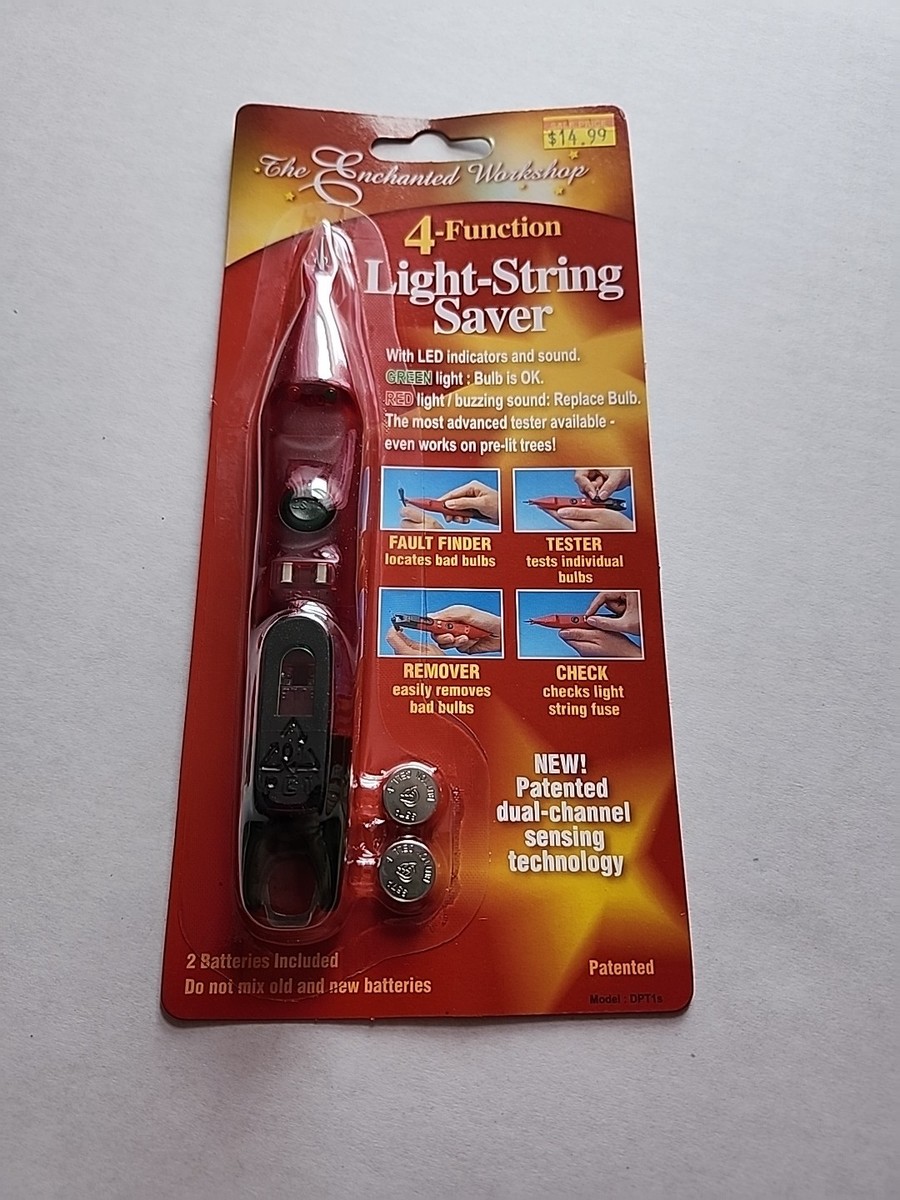
Start by looking at each bulb. A loose or damaged bulb often causes buzzing. Make sure all bulbs fit tightly in their sockets. Replace any bulbs that look broken or darkened. This small step can stop the noise fast.
Inspecting The Power Source
Check the power source next. Sometimes, a faulty plug or adapter creates a buzzing sound. Look for cracks, burns, or loose wires on the plug. A damaged power source can cause electrical noise and unsafe use.
Testing Different Outlets
Try plugging your string lights into another outlet. Different outlets may have different electrical loads. Buzzing may stop if the first outlet has an issue. This test helps identify if the power supply causes the noise.
Using A Multimeter
Use a multimeter to check electrical current. It measures voltage and helps find electrical problems. Test the wiring and bulbs for any irregular readings. This tool can point out faults that cause buzzing sounds.
Simple Fixes For Buzzing String Lights
Buzzing string lights can be annoying and spoil the mood. Fixing the buzz often takes just a few simple steps. You do not need special tools or skills. These easy fixes can help you enjoy quiet, beautiful lights again.
Replacing Faulty Bulbs
Old or damaged bulbs often cause buzzing sounds. Check each bulb carefully. Replace any that look dark or cracked. Using fresh bulbs can stop the noise and improve light quality.
Securing Loose Connections
Loose wires or plugs can create a buzzing sound. Make sure all connections fit tight and secure. Push plugs fully into sockets. Tighten any loose screws in the string lights. Secure connections reduce electrical noise and improve safety.
Switching To Led Lights
LED lights use less power and do not buzz like old bulbs. They are energy-saving and last longer. Changing to LED string lights often solves buzzing problems quickly. LEDs also produce brighter and steadier light.
Using Compatible Dimmers
Many string lights buzz if used with the wrong dimmer switch. Choose dimmers designed for your light type. LED-compatible dimmers work best with LED lights. Using the right dimmer prevents buzzing and flickering for smooth lighting.
When To Call A Professional
Buzzing string lights can signal a problem beyond just noise. Knowing when to call a professional keeps your home safe. A trained electrician can find hidden issues fast. This section explains key signs, fire risks, and how to hire help.
Signs Of Electrical Issues
Loud buzzing often means wiring problems or poor connections. Flickering lights, sparks, or a burning smell are warning signs. Tripping breakers or dimming lights also indicate trouble. These signals need quick attention from an expert.
Avoiding Fire Hazards
Buzzing lights may overheat and cause fires. Old or damaged cords can spark dangerous flames. Never ignore strange noises or heat from string lights. Unchecked electrical faults raise fire risk in your home.
Hiring An Electrician
Choose a licensed electrician with good reviews. Ask about experience with string light repairs. Clear communication ensures proper diagnosis and safe fixes. Professional help protects your home and peace of mind.
Preventing Future Buzzing
Buzzing noise from string lights can be annoying and distracting. Preventing this sound helps keep your space peaceful. Simple steps during installation and maintenance reduce buzzing. Choosing the right lights also plays a big role. Follow these tips to enjoy quiet, beautiful lighting.
Proper Installation Tips
Start by checking the power source. Use the correct voltage for your lights. Avoid overloading outlets or extension cords. Secure connections tightly to stop loose contacts. Keep wires away from sharp edges or metal parts. Proper setup lowers the chance of buzzing sounds.
Regular Maintenance
Inspect your string lights often. Look for damaged wires or bulbs. Replace any broken or flickering bulbs quickly. Clean dust and dirt from bulbs and sockets. Dirt can cause poor connections and noise. Regular checks keep your lights working quietly and well.
Choosing Quality String Lights
Select lights from trusted brands. Cheap lights often have poor wiring causing buzz. Look for LED lights with good reviews. LEDs use less power and make less noise. Quality lights last longer and provide steady, quiet light. Investing in good lights saves trouble later.
Credit: www.youtube.com
Frequently Asked Questions
Why Are My String Lights Buzzing Loudly?
String lights buzz due to electrical vibrations in the wiring or bulbs. Loose connections or incompatible dimmers can cause this noise. Ensuring tight wiring and using proper dimmers reduces buzzing effectively. LED bulbs may also produce a slight hum, which is normal.
Can Buzzing String Lights Be Dangerous?
Buzzing string lights are usually not dangerous but can signal electrical issues. Persistent buzzing might indicate loose wiring or overloaded circuits. It’s best to inspect the lights and avoid using damaged sets to prevent potential fire hazards or electrical shocks.
How Can I Stop My String Lights From Buzzing?
To stop buzzing, check for loose bulbs and tighten them securely. Replace incompatible dimmer switches with ones designed for LED or string lights. Also, avoid overloading power outlets and ensure the lights are rated for your electrical setup.
Do Led String Lights Buzz More Than Incandescent?
LED string lights can buzz more than incandescent due to their electronic drivers. The buzzing is often a result of power supply components vibrating. However, high-quality LED lights are designed to minimize this noise significantly.
Conclusion
String lights can buzz for different reasons. Sometimes, the bulbs or wiring cause the noise. Other times, the transformer or dimmer switch makes a sound. Buzzing is usually not dangerous but can be annoying. Checking the lights and connections helps find the issue.
Replace old or damaged parts for quieter lights. A little care keeps your string lights safe and peaceful. Now, you can enjoy your lights without that buzzing sound. Simple fixes often solve the problem fast.