Have you ever wondered what the very first artificial Christmas tree was made of? You might think it’s a modern invention with plastic branches, but the story goes much deeper.
Discovering the origins of these festive decorations can change the way you see your own holiday traditions. Keep reading, and you’ll uncover surprising materials and fascinating history that will make your next Christmas tree look even more special. Ready to find out what started it all?
Let’s dive in!

Credit: www.threads.com
Early Christmas Tree Traditions
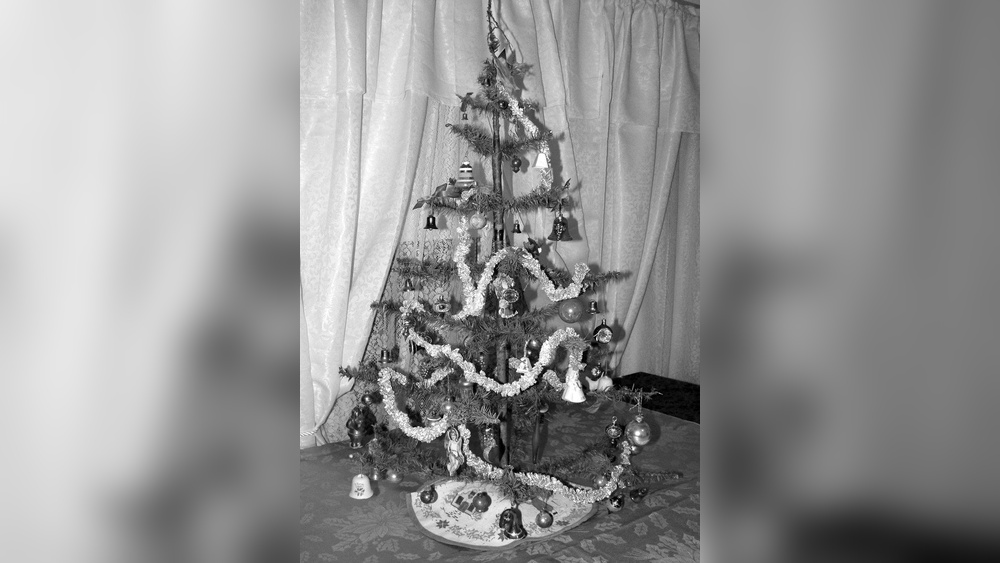
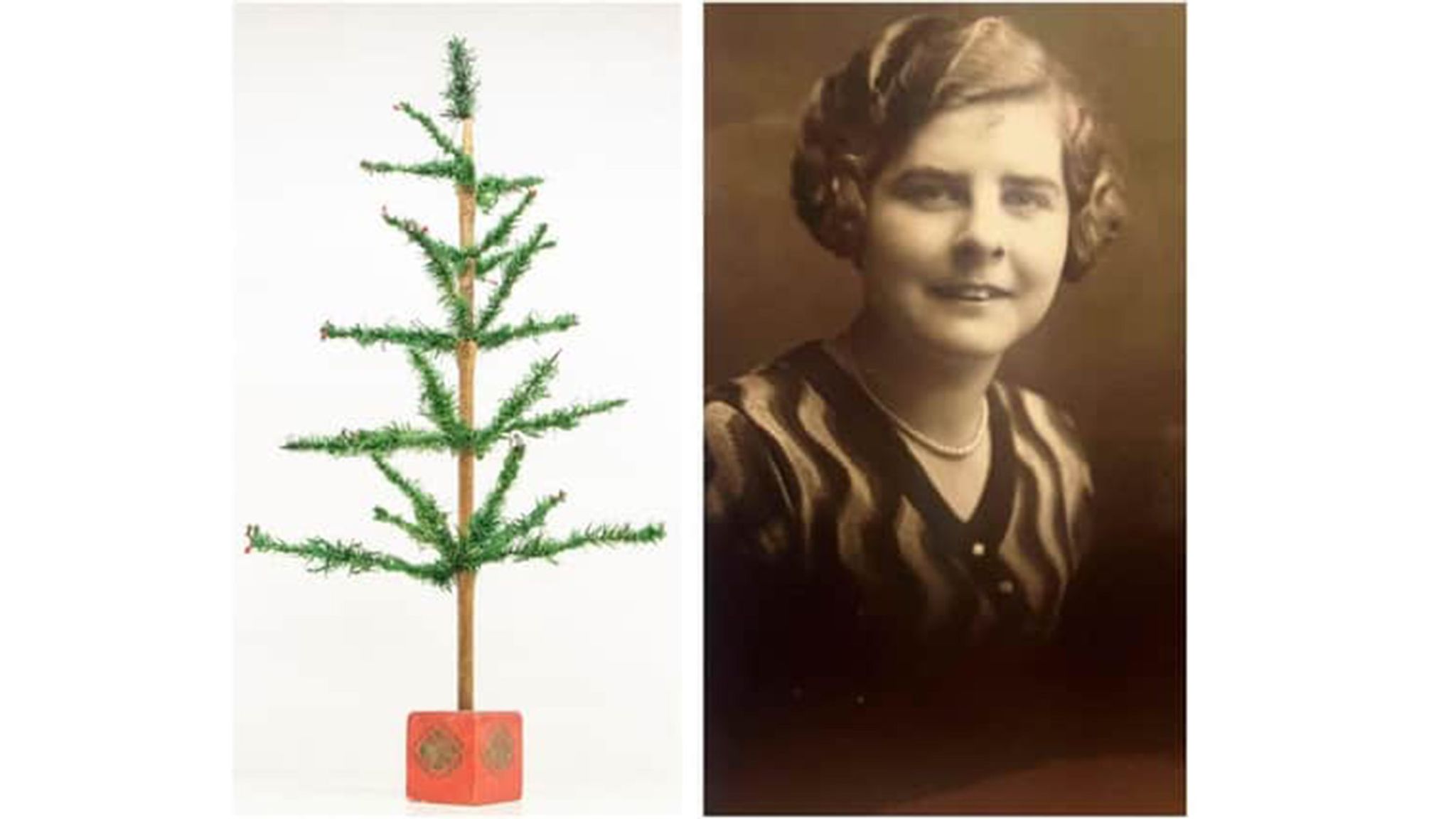
The first artificial Christmas trees were made from dyed goose feathers. These trees aimed to look like real pine trees. They became popular in the late 1800s as a safe, reusable holiday decoration.
Long before artificial trees, people used real evergreen branches. These branches symbolized life and hope during cold winters. In homes, families decorated with candles, fruits, and nuts. The tradition started in Germany in the 16th century.
People believed evergreens kept away evil spirits. They also brought good luck for the new year. Decorating trees was a way to celebrate light in dark days. The custom slowly spread to other parts of Europe.
Early decorations were simple and natural. Paper roses, apples, and small gifts were common. Families often made their own ornaments. The Christmas tree became a center for family gatherings and joy.

Credit: en.wikipedia.org
The Need For Artificial Trees
People wanted a way to enjoy Christmas trees without cutting real ones. Real trees can be messy and dry out fast. They also drop needles everywhere. This made keeping a clean home hard during the holidays.
Some places had fewer real trees available. People in cities wanted a tree but could not easily get one. An artificial tree was a good solution for them. It could be used again year after year, saving money and time.
The Problem With Real Trees
Real trees lose needles and need water every day. They can start to smell bad if left too long. Some homes have allergies to real pine trees. These problems made real trees less popular for some families.
Environmental Concerns
Cutting many trees every year affects forests. People worried about harming nature with real trees. Artificial trees offered a way to celebrate Christmas without cutting fresh trees. This helped reduce the number of trees cut down.
Convenience And Safety
Artificial trees are easy to set up and clean. They do not need water or special care. They also do not catch fire easily like dry real trees. This made them safer for homes with children and pets.
Materials Used In First Artificial Trees
The first artificial Christmas trees were made from unusual materials. People wanted a way to enjoy a green tree all year. They tried different items to make trees that looked real. These early attempts show creativity and resourcefulness.
Materials played a big role in how these trees looked and felt. Some were soft and colorful, while others were stiff and shiny. Each material gave the trees a unique charm and style. Understanding these materials helps us see how artificial trees evolved.
Feathers And Dyed Colors
One early material used was goose feathers. These feathers were soft and easy to shape. They dyed the feathers green to look like pine needles. The feathers were attached to wire branches. This method made the trees light and fluffy. It gave the trees a natural look for that time.
Metal And Other Early Materials
Metal came next as a strong material for tree frames. Thin metal wires formed the branches and trunk. Some trees used tin or aluminum for shine. Metal made the trees more durable and reusable. Other materials included wood and paper for extra parts. These early designs were simple but practical.
Origins And Inventors
The story of the first artificial Christmas tree is a fascinating glimpse into creativity and innovation. Long before plastic and metal trees existed, people sought ways to celebrate the holiday with something new. The origins and inventors of these early trees reveal a unique blend of culture and craft. Understanding their beginnings helps us appreciate how far holiday decorations have come.
Early Inspirations From Germany
The first artificial Christmas tree appeared in Germany during the 19th century. German craftsmen used feathers to create trees that looked like real pine. They dyed goose feathers green and attached them to wire branches. These feather trees offered a reusable option for holiday decor. This idea stood out as a clever alternative to cutting down real trees.
Inventors Behind The Feather Trees
German artisans crafted the feather trees with care and skill. These inventors combined simple materials in a new way. Their work reflected the desire to preserve forests while still enjoying Christmas traditions. The feather tree’s design balanced beauty and practicality. This invention quickly spread beyond Germany’s borders.
Impact On Christmas Traditions
The feather Christmas tree changed how people decorated during the holiday. It introduced a new style that was both eco-friendly and charming. The artificial tree became a symbol of innovation in holiday celebrations. It paved the way for later versions made from different materials. The inventors set a foundation for modern artificial trees.
Impact On Holiday Celebrations
The first artificial Christmas tree changed holiday traditions in many ways. It offered a new option for families who wanted a festive tree without the mess of real pine needles.
People could reuse the tree every year, saving money and time. The tree also made decorating easier and cleaner, which helped many enjoy holiday preparations more.
Longer Use And Durability
Artificial trees lasted much longer than real ones. Families could set them up early in the season and keep them until the New Year without worry. This made holiday celebrations feel longer and more festive.
Safety And Cleanliness
Made from materials like feather and wire, early artificial trees reduced fire risks. They did not drop needles or make floors dirty. This helped create a safer and tidier holiday environment for children and pets.
Accessibility For More People
Not everyone had access to fresh trees, especially in cities. Artificial trees brought holiday joy to many families who could not find or afford real ones. This helped spread Christmas spirit widely.
New Decorating Styles
The first artificial trees encouraged new ways to decorate. Their shape and color allowed for different ornaments and lights. People enjoyed experimenting with styles, making celebrations more creative and personal.
Evolution Of Artificial Trees Over Time
The evolution of artificial Christmas trees shows how materials and designs changed over time. The first trees were very different from what we see today. Early versions focused on simple, natural-looking materials. Over the years, new materials made trees easier to use and more realistic. This history helps us understand why modern trees look the way they do.
Shift To Plastic And Modern Designs
The first artificial Christmas trees were made from feathers dyed green. These trees appeared in the late 1800s. They looked like real pine needles but were fragile. In the mid-1900s, manufacturers started using plastic. Plastic made trees stronger and cheaper to produce. It also allowed for more realistic shapes and colors.
Modern artificial trees come in many styles and sizes. Some have built-in lights or scented branches. The designs aim to mimic real trees closely. They are easy to set up and store. Plastic remains the main material because it holds its shape well.
Environmental Considerations
Artificial trees last many years, reducing the need to cut real trees. Some people choose them to lower waste during the holidays. However, plastic trees are not biodegradable. They can stay in landfills for a long time. Recycling options for these trees are limited.
New efforts focus on making eco-friendly artificial trees. Some brands use recycled materials or sustainable sources. Buyers are also encouraged to reuse trees for many seasons. This helps reduce environmental impact over time.
Credit: news.sky.com
Frequently Asked Questions
What Material Was The First Artificial Christmas Tree Made Of?
The first artificial Christmas tree was made of goose feathers dyed green. These feather trees originated in Germany during the 19th century as a safer alternative to real trees. The feathers were attached to wire branches, creating a realistic and reusable decoration.
When Was The First Artificial Christmas Tree Invented?
The first artificial Christmas tree was invented in the late 1800s, around the 1880s. It was developed in Germany to reduce fire risks associated with natural trees. These early versions gained popularity in the United States by the early 20th century.
Why Were Goose Feathers Used For Early Artificial Trees?
Goose feathers were used because they were flexible and could be dyed green easily. Their natural texture resembled pine needles, making the tree look realistic. Additionally, feathers were lightweight and could be attached to wire branches for durability.
How Did Early Artificial Trees Differ From Modern Ones?
Early artificial trees were made from natural materials like goose feathers and wire. Modern trees use PVC, plastic, and metal for a more durable and fire-resistant design. Technology has improved their appearance, making them more lifelike and easier to maintain.
Conclusion
The first artificial Christmas tree used green feathers. It aimed to mimic real pine branches. People wanted a reusable tree for holidays. This invention started a new tradition worldwide. Today’s trees are made from plastic and metal. They offer convenience and save natural trees.
Understanding the origin helps appreciate modern designs. The feather tree shows how ideas evolve. Every holiday season, these trees bring joy. A simple start led to a popular holiday symbol.