Have you ever noticed your Himalayan salt lamp looking like it’s melting? It might surprise you, but this is more common than you think.
You probably bought your lamp for its warm glow and health benefits, so seeing it dissolve can be confusing—and even a little worrying. Understanding why your salt lamp melts will help you protect it and keep it shining bright. Keep reading, and you’ll discover simple reasons behind this mystery and easy steps to save your favorite lamp.
Credit: www.reddit.com
What Is A Himalayan Salt Lamp
A Himalayan salt lamp is a decorative light made from pink salt crystals. These lamps come from salt mines found in the Himalayan mountains. They glow softly when lit, creating a warm and calming atmosphere in any room.
Origins And Composition
Himalayan salt lamps are carved from ancient salt deposits. These deposits formed millions of years ago from evaporated sea salt. The salt contains many minerals, such as iron, magnesium, and calcium. The pink color comes mainly from iron oxide. Each lamp is unique because of its natural crystal structure.
Common Uses And Benefits
People use Himalayan salt lamps to add soft light to their homes. Many believe the lamps help clean the air and reduce allergens. The warm glow can improve mood and help with relaxation. Some use them during meditation or before sleep to create a peaceful space. The lamps also serve as attractive pieces of décor.
Reasons For Melting
Himalayan salt lamps are beautiful and calming. Sometimes, these lamps start to melt or feel wet. This happens because salt is very sensitive to certain conditions. Understanding the reasons for melting helps you keep your lamp safe and lasting longer.
Exposure To Moisture
Salt attracts water from the air. When your lamp touches water, it can start to dissolve. Placing the lamp near sinks or windows can cause moisture build-up. This moisture makes the salt soft and may cause it to melt.
Environmental Humidity
High humidity levels cause salt lamps to absorb water. In rainy or humid places, the air holds more moisture. The salt lamp pulls in this moisture and becomes wet. This leads to a slimy texture and can damage the lamp.
Heat Source Effects
Salt lamps use a light bulb inside to warm the salt. Too much heat can melt the salt around the bulb. Using bulbs with higher wattage than recommended causes extra heat. This heat softens the salt and causes melting over time.
How Salt Lamps React To Conditions
Himalayan salt lamps react to their environment in unique ways. Their response to moisture and heat causes changes you can see. Understanding how these lamps react helps explain why some may melt or drip.
These lamps are made of natural salt crystals. They absorb water from the air. This natural behavior affects their surface and structure over time.
Salt’s Hygroscopic Nature
Salt naturally pulls moisture from the air. This is called being hygroscopic. In humid places, salt lamps attract more water. The lamp can feel damp or wet to touch. This moisture can cause the lamp to look like it is melting.
Surface Moisture And Dripping
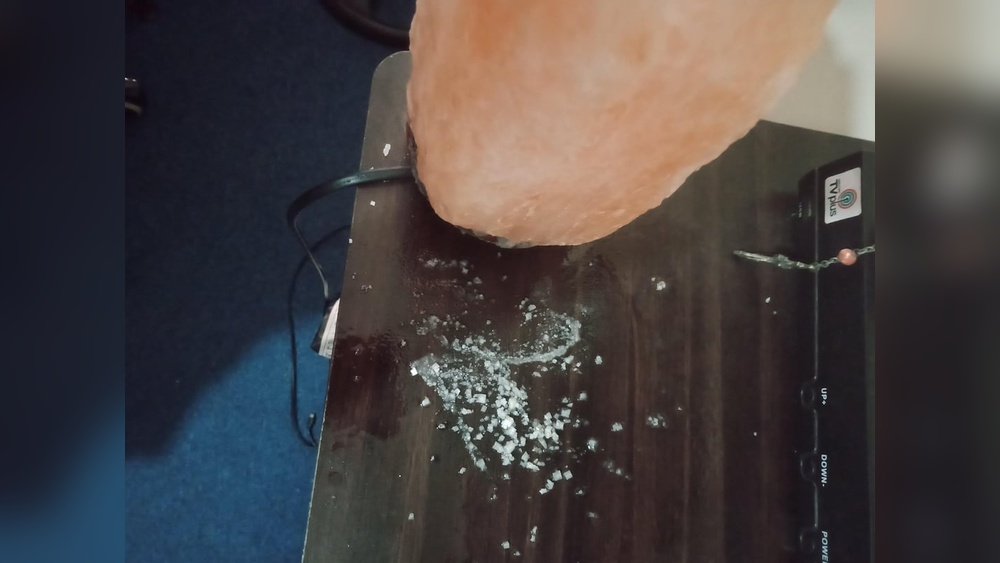
When the salt lamp absorbs water, it can form drops on the surface. These drops can fall off as the lamp heats up. The heat causes water to evaporate slowly. This process may leave wet spots or small puddles below the lamp.
Structural Changes Over Time
Continuous exposure to moisture and heat can change the lamp’s structure. The salt may slowly dissolve and wear down. This can cause rough edges or cracks. Over months, the lamp may look smaller or uneven.
Preventing Salt Lamp Melting
Himalayan salt lamps can melt if not cared for properly. Salt absorbs moisture from the air, causing it to dissolve slowly. Preventing melting keeps your lamp beautiful and safe to use. Understanding how to handle your salt lamp extends its life and benefits.
Proper Placement Tips
Place your salt lamp in a dry, cool area. Avoid spots near windows or bathrooms. These places often have high humidity, which speeds up melting. Keep the lamp on a stable surface to stop water damage. Good placement helps keep the salt dry and solid.
Using The Right Bulb
Use a low-wattage bulb made for salt lamps. High watt bulbs produce too much heat. Too much heat melts the salt faster. The right bulb warms the lamp gently. This warmth helps reduce moisture without melting the salt.
Maintaining Optimal Humidity
Salt lamps last longer in low-humidity rooms. Use a dehumidifier if the air feels damp. Avoid placing the lamp near humidifiers or steam sources. Dry air stops the salt from absorbing too much water. Keeping humidity low prevents your lamp from melting.
Signs Of Salt Lamp Damage
Himalayan salt lamps can show signs of damage over time. Recognizing these signs helps protect your lamp. Damage may affect how it looks and works. Knowing what to watch for keeps your lamp safe and lasting longer.
Visible Melting Patterns
Melting often appears as wet or shiny spots on the salt surface. These spots may look like small pools or streaks. They happen when moisture collects and dissolves the salt. The lamp may feel sticky or soft in these areas.
Cracks And Discoloration
Cracks are common damage signs on salt lamps. They can run deep or be small hairline fractures. Discoloration may show as dark or white patches. Both cracks and discoloration mean the salt is breaking down.
Performance Issues
Damaged lamps may stop glowing evenly. The light can flicker or become dim. Sometimes the lamp will not heat up properly. These problems happen because of salt loss or electrical faults caused by damage.

Credit: himalayantradingco.com
Alternatives To Himalayan Salt Lamps
Himalayan salt lamps have a unique charm but they can melt over time. This can be a problem in warm or humid rooms. Many people want similar decor without the melting issue. There are good alternatives that offer style and atmosphere. These options last longer and need less care.
Other Decorative Salt Products
Salt candle holders provide a warm glow like salt lamps. They are smaller and less likely to melt. Salt blocks can serve as coasters or serving trays. These blocks show the same pink and orange tones. Salt jars and bowls add natural color to any room. These products bring salt’s beauty without heat damage.
Non-salt Ambient Lighting Options
LED string lights create a cozy atmosphere. They use little energy and do not get hot. Paper lanterns can soften any room’s light with style. Glass lamps with warm bulbs offer a gentle glow. These lights do not have melting or humidity issues. They are easy to clean and last for years.

Credit: www.wikihow.com
Frequently Asked Questions
Why Does My Himalayan Salt Lamp Melt?
Himalayan salt lamps melt due to exposure to moisture and heat. Salt absorbs water from the air, causing it to dissolve and appear to melt. High humidity or leaving the lamp on for long periods can accelerate this process.
Can Humidity Cause Himalayan Salt Lamps To Melt?
Yes, high humidity causes Himalayan salt lamps to absorb moisture. The salt dissolves slowly, leading to a melting effect. Keeping the lamp in a dry environment reduces this risk and prolongs its lifespan.
How To Prevent Himalayan Salt Lamp From Melting?
To prevent melting, keep the lamp in a dry, cool place. Avoid placing it in bathrooms or kitchens. Use a protective base or coaster to catch any moisture and turn off the lamp when not in use.
Is Melting Harmful To Himalayan Salt Lamps?
Melting can damage the lamp’s structure and appearance. It may cause salt residue to leak onto surfaces. Proper care and maintenance help preserve the lamp and prevent melting.
Conclusion
Himalayan salt lamps can melt due to heat and moisture. Warm bulbs make the salt sweat and drip. High humidity in the air adds to the problem. Placing the lamp in dry areas helps prevent melting. Use low-watt bulbs to reduce heat buildup.
Regularly wipe the lamp to keep it dry. Understanding these factors keeps your lamp safe and lasting. Enjoy the soft glow without worry. Simple care makes a big difference. Stay aware and protect your salt lamp easily.