Stringing lights on your artificial Christmas tree can feel tricky, but it doesn’t have to be. Imagine your tree glowing evenly, with every branch sparkling just right—without the usual hassle or guesswork.
You’re about to learn simple, step-by-step tips that make decorating faster and more fun. Whether it’s your first time or you want to improve your technique, this guide will help you light up your tree like a pro. Keep reading to discover easy tricks that save time and bring your holiday spirit to life.
Credit: www.countryliving.com
Choosing The Right Lights
Choosing the right lights for your artificial Christmas tree makes decorating easier and more beautiful. The right lights add sparkle and warmth to your home. Picking the best type helps your tree look its best. Consider the size of the tree and where you will place it. Think about how bright you want the lights to be and how much energy they use. These points help find the perfect lights for your holiday setup.
Types Of Christmas Lights
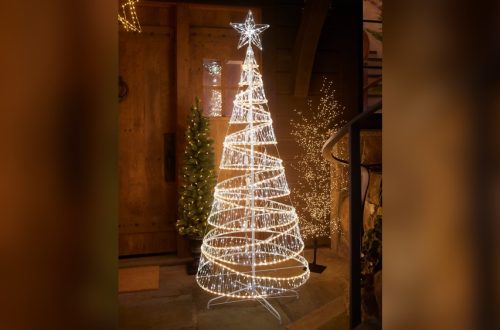
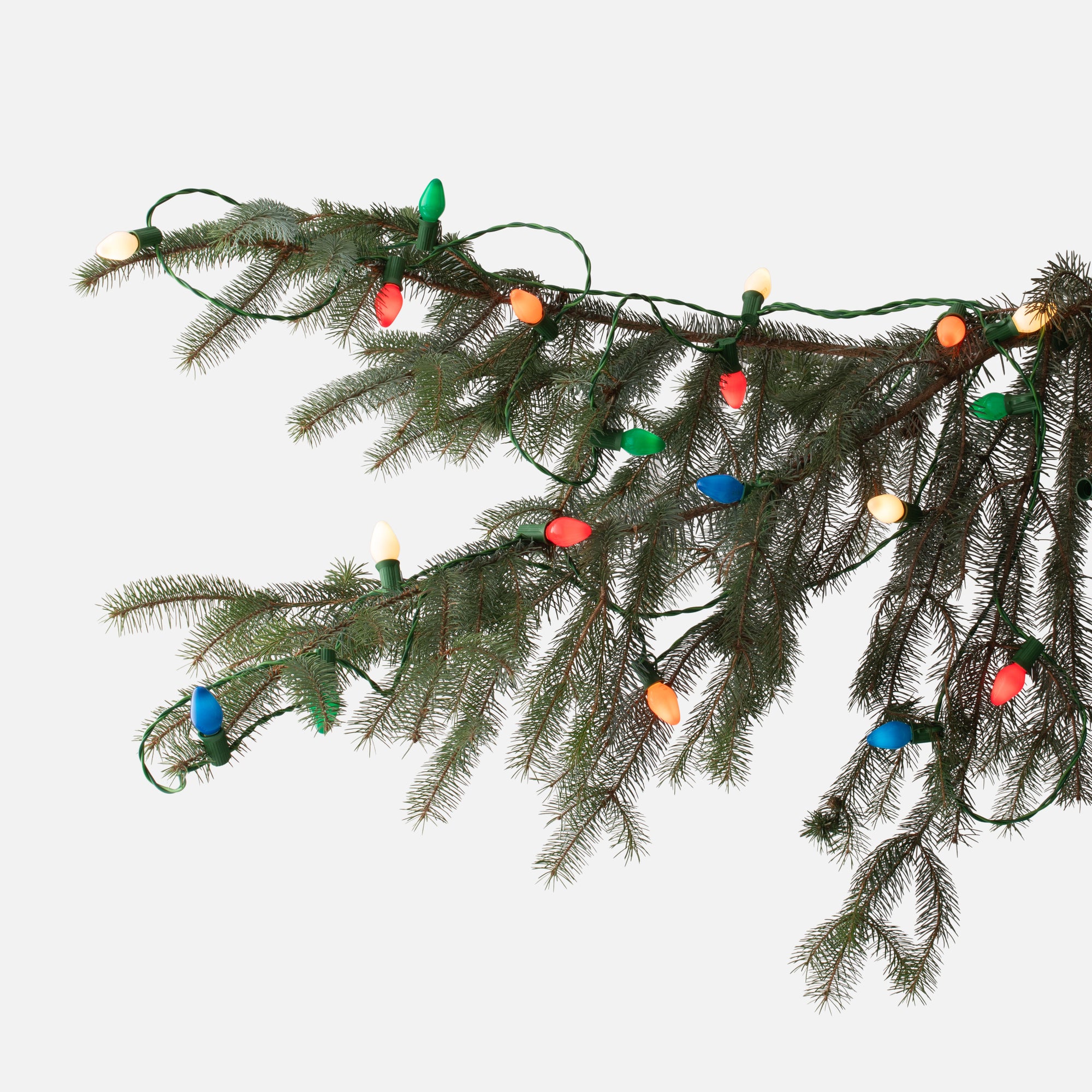
There are many types of Christmas lights to choose from. LED lights use less power and last longer than traditional bulbs. Mini string lights are small and work well on tight branches. C9 bulbs are bigger and give a classic look. Some lights twinkle or change colors for extra fun. Choose a style that fits your tree and your taste.
Light Length And Bulb Count
Measure your tree height before buying lights. Usually, 100 lights cover about 2 feet of tree. Bigger trees need longer strings or more bulbs. Too few lights make the tree look plain. Too many lights can cause tangles and waste energy. Count bulbs and length to match your tree size perfectly.
Energy Efficiency Options
Energy-saving lights reduce electricity bills. LED lights use about 80% less energy than old bulbs. They also stay cool, so they are safer around children and pets. Solar-powered lights offer another eco-friendly choice. Picking energy-efficient lights helps the environment and saves money over time.

Credit: www.walmart.com
Preparing Your Tree
Preparing your artificial Christmas tree is the first step to a beautiful light display. Taking time now saves effort later. You ensure the tree looks full and the lights work well. Follow these simple steps before stringing your lights.
Fluffing The Branches
Start by spreading out each branch. Pull each tip gently to open the needles. This makes the tree look fuller and more natural. Fluff from the trunk outward. Pay attention to the top and bottom. Well-fluffed branches help lights sit nicely and show better.
Checking Light Strands
Test all your light strands before hanging. Plug them in to check for broken bulbs or dark spots. Replace any damaged bulbs. Untangle the cords to avoid knots. Use strands designed for indoor use. Working with good lights means fewer problems later.
Safety Precautions
Unplug lights before starting work on the tree. Avoid overloading electrical outlets. Use extension cords rated for indoor use. Keep cords away from walkways to prevent trips. Inspect lights for frayed wires or damage. Safety first keeps your holiday joyful and accident-free.
Stringing Techniques
Stringing lights on an artificial Christmas tree is simple with the right techniques. These methods help spread lights evenly and keep them secure. Bright, well-placed lights make your tree shine beautifully.
Starting From The Bottom
Begin stringing lights at the bottom of your tree. This approach helps manage the cord length easily. It also prevents tangling and lets you work upward smoothly. Plug in the lights to check for any problems early.
Wrapping Branches Evenly
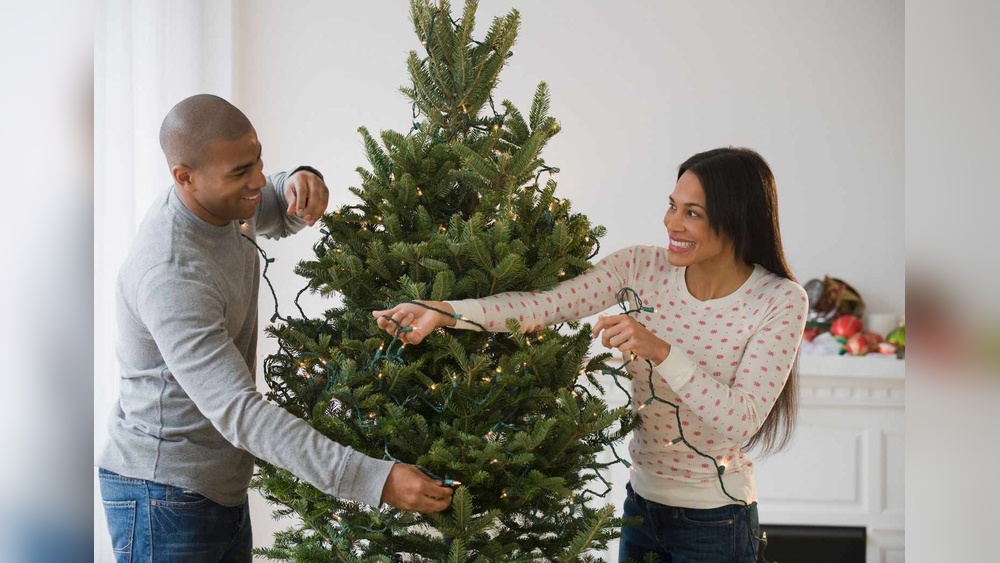
Wrap the lights around each branch with care. Space the bulbs evenly to avoid dark spots. Move from the inside of the branch outwards for a natural glow. Wrap gently to avoid bending the wires.
Securing Lights In Place
Use small clips or twist ties to hold lights on branches. This stops lights from slipping or falling off. Secure the plugs and cords along the tree trunk. Tuck excess wire inside the tree for a neat look.

Credit: www.amazon.com
Troubleshooting Common Issues
Stringing lights on an artificial Christmas tree can sometimes bring small problems. These issues can stop your tree from looking its best. Solving these common problems quickly makes decorating easier and more fun. Below are simple fixes for some frequent troubles.
Fixing Dead Bulbs
Dead bulbs often cause parts of the string to go dark. Find the dead bulb by gently pressing each one. Look for bulbs that are loose or blackened. Replace dead bulbs with the same type and size. Keep spare bulbs handy before starting to string lights. This saves time and keeps the lights bright.
Managing Excess Wire
Excess wire can make the tree look messy and cause tangles. Measure your tree before buying lights to avoid extra wire. Wrap extra wire neatly around the tree trunk or branches. Use small clips or twist ties to hold the wires in place. This keeps the lights secure and the tree tidy.
Avoiding Tangling
Tangled lights cause frustration and waste time. Start by untangling lights before placing them on the tree. Work slowly and carefully to prevent knots. String lights in sections, securing each part before moving on. Store lights properly after use by wrapping them around a spool or card. This stops tangles for next year.
Enhancing The Look
Enhancing the look of your artificial Christmas tree with lights makes it more festive and warm. The right lighting brings out the tree’s beauty. It creates a cozy holiday mood in your home.
Small changes can make a big difference in how your tree looks. Use different colors, add layers of decorations, and control your lights easily. These tips help your tree stand out and shine bright.
Adding Color Variation
Use lights of different colors to add interest. Mix warm white with cool blue or red lights. This creates a lively and cheerful effect. Avoid using too many colors at once. Stick to two or three colors for balance. Color variation makes your tree unique and eye-catching.
Layering With Other Decorations
Place ornaments and garlands around the lights. This adds depth and texture to the tree. Lights peek through decorations, creating a magical glow. Use ribbons, baubles, and tinsel to complement the lights. Layering helps highlight each part of your tree.
Using Timers And Remote Controls
Timers save energy by turning lights on and off automatically. Set your lights to glow in the evening and rest at night. Remote controls give easy access to change light modes. Adjust brightness or colors without climbing the tree. These tools make decorating simple and convenient.
Frequently Asked Questions
How Do I Start Stringing Lights On An Artificial Christmas Tree?
Begin at the tree’s base and plug in the lights first. Wrap lights evenly around branches from bottom to top. Secure lights carefully to avoid damage and ensure even illumination.
What Type Of Lights Work Best On Artificial Trees?
LED string lights are energy-efficient and produce less heat. They are durable, long-lasting, and safer for artificial trees. Choose warm white or multicolor lights to suit your holiday decor style.
How Can I Avoid Tangling Lights While Decorating?
Unroll lights fully before hanging to prevent knots. Use clips or twist ties to secure sections as you work. Organize and test lights beforehand to save time and frustration.
How Many Light Strands Do I Need For A Tree?
Estimate 100 lights per foot of tree height for a bright look. Adjust based on tree fullness and personal preference. More lights create a fuller, festive appearance.
Conclusion
Stringing lights on your artificial Christmas tree can be simple and fun. Start at the bottom and work your way up slowly. Spread the lights evenly for a balanced look. Check the lights often to avoid dark spots. Use clips or ties to keep wires tidy and safe.
Take your time and enjoy the process. A well-lit tree brings warmth and joy to your home. Brighten your holiday season with these easy steps.