Have you ever wondered what the first artificial Christmas tree was made out of? When you bring a fake tree into your home, you might think it’s a modern invention.
But the truth is surprising—and might change the way you see your holiday decorations. Discovering the origins of artificial Christmas trees can make your festive traditions even more special. Keep reading, and you’ll learn about the materials used long ago and how they evolved into the trees you know today.
This story is full of unexpected twists that will capture your imagination!
Early Christmas Tree Traditions
Early Christmas tree traditions have deep roots in history. People decorated trees long before artificial ones appeared. These traditions grew from old customs and beliefs tied to winter and light. Understanding these customs helps explain why the first artificial Christmas tree was made.
Origins Of Christmas Trees
The Christmas tree tradition began in Germany around the 16th century. People brought evergreen trees inside to celebrate winter festivals. These trees symbolized life during dark, cold months. Families decorated them with candles, fruits, and nuts. The idea spread across Europe and later to America.
Materials Used In Traditional Trees
Traditional Christmas trees were real evergreen trees. Pine, fir, and spruce were popular choices. These trees were cut fresh from forests or gardens. Decorations included natural items like berries and handmade ornaments. Candlelight added warmth and sparkle. The natural scent of pine filled the home.

Credit: www.columbiatribune.com
The Birth Of Artificial Trees
The idea of artificial Christmas trees began long ago. People wanted a tree that lasted longer and was easier to care for. Natural trees could dry out and lose needles quickly. This made artificial trees a practical choice.
The first artificial trees were very different from today’s versions. They were made from simple materials but served the same purpose. They brought the Christmas spirit into homes without the mess of real trees.
Motivations Behind Creating Artificial Trees
One main reason for making artificial trees was allergy concerns. Some people could not enjoy real trees because of allergies. Another reason was to reduce the risk of fire. Real trees can catch fire easily when dry.
Durability also played a part. Artificial trees could be reused year after year. This saved money and effort. Some families wanted a tree that looked perfect all season long. Artificial trees helped meet these needs.
First Recorded Artificial Tree
The earliest known artificial Christmas trees appeared in Germany. These trees were made from goose feathers. The feathers were dyed green to look like pine needles. Thin wire branches held the feathers in place.
These feather trees appeared in the late 1800s. They were hand-crafted and often small in size. Despite their simplicity, they became popular across Europe and America. This marked the start of artificial trees as a holiday tradition.
Materials Of The First Artificial Trees
The first artificial Christmas trees used very different materials than today’s versions. These early trees aimed to mimic real evergreens without using actual pine branches. Creators experimented with natural and man-made materials to achieve a lifelike look. Understanding what these first trees were made of reveals interesting details about early holiday decorations.
Feathers As Primary Material
Feathers were the main material for the first artificial Christmas trees. Goose feathers were dyed green to look like pine needles. The soft texture and shape made feathers a good choice. They gave the trees a fuller and more natural appearance. Each feather was carefully attached to wire branches. This method created a realistic and delicate look that many found charming.
Manufacturing Techniques
Making these feather trees required detailed handwork. Craftsmen trimmed and dyed feathers by hand to get the right color. Then, they glued or wired each feather onto small branch frames. The branches were attached to a central wooden or metal trunk. This process was slow and required skill. Despite the effort, the finished trees were durable and reusable for many years.

Credit: en.wikipedia.org
Impact On Christmas Celebrations
The first artificial Christmas tree changed holiday traditions in many ways. It offered a new option for families who wanted a festive look without a real tree. This innovation affected how people decorated their homes during Christmas. It also influenced the market for holiday decorations and the way people celebrate the season.
Popularity In Early 20th Century
In the early 1900s, artificial trees became popular in homes. These trees were made from green feathers dyed to look like pine needles. People liked them because they lasted longer than real trees. They were also less messy and easier to store. The feather trees allowed more people to enjoy a Christmas tree every year. This trend spread quickly across the United States and Europe.
Environmental Considerations
Artificial trees helped reduce the cutting of real pine trees. Families could reuse the same tree for many years. This reduced waste and saved forests from being harmed. Still, early trees were made with materials that were not always eco-friendly. Today, people think about the environment when choosing between real and artificial trees. The first artificial tree started a conversation about sustainable holiday traditions.
Evolution Of Artificial Christmas Trees
The evolution of artificial Christmas trees shows how they have changed over time. Early versions were simple and made from basic materials. Over the years, new materials and designs made them look more real and safer. The growth of artificial trees reflects changes in technology and consumer needs.
Transition To New Materials
The first artificial Christmas trees were made from feathers. These feathers were dyed green to look like pine needles. Later, manufacturers used aluminum and plastic. Aluminum trees became popular because they were shiny and fire-resistant. Plastic trees helped create branches that looked more natural. These new materials made trees lighter and easier to store.
Modern Artificial Tree Designs
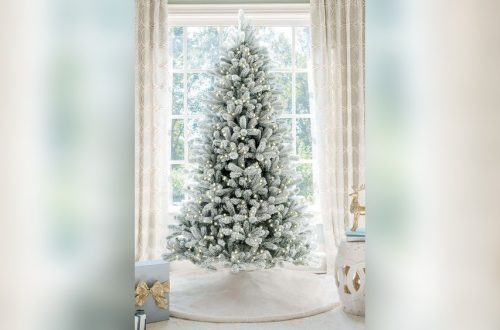
Today’s artificial trees look very real. They use PVC or PE plastic to copy real pine needles. Some even have built-in lights for easy decorating. Designers focus on making trees fuller and more durable. Many trees come with adjustable branches for a custom shape. Modern designs make setting up and taking down trees simple.

Credit: en.wikipedia.org
Frequently Asked Questions
What Materials Were Used In The First Artificial Christmas Tree?
The first artificial Christmas trees were made from green-dyed goose feathers. These feathers were attached to wire branches to mimic pine needles, creating a realistic look while being fire-resistant and reusable.
When And Where Was The First Artificial Christmas Tree Invented?
The first artificial Christmas tree was invented in Germany during the late 19th century. It was designed to offer a safer and more sustainable alternative to real pine trees.
Why Were Goose Feathers Used For Early Artificial Christmas Trees?
Goose feathers were chosen because they were lightweight, flexible, and could be dyed green. This made them ideal for replicating pine needles while being less flammable than natural trees.
How Did The First Artificial Christmas Tree Compare To Real Trees?
The feather trees closely resembled real pine trees but were more durable and fire-resistant. They allowed people to reuse their tree yearly, reducing the need to cut down live trees.
Conclusion
The first artificial Christmas tree was made from dyed goose feathers. It offered a safe and reusable option compared to real trees. This innovation helped change holiday traditions over time. Today’s trees come in many styles and materials. Yet, the feather tree remains an important part of history.
Knowing this story adds charm to holiday decor. It reminds us how creativity shapes our celebrations. The past and present blend in every tree we see. A simple idea can inspire lasting holiday joy.