Are you wondering whether to choose a real or an artificial Christmas tree this holiday season? It’s a decision that can affect your holiday vibe, your budget, and even the environment.
You want a tree that looks great, feels right, and fits your lifestyle perfectly. But which option truly gives you the best experience? Keep reading, and you’ll discover the surprising pros and cons of both real and artificial trees—helping you make the choice that’s perfect for you and your home.
Credit: blog.balsamhill.com
Real Trees Appeal
Real Christmas trees hold a special place in many homes during the holiday season. They bring a unique charm and warmth that artificial trees often cannot match. The appeal of real trees goes beyond just decoration. It involves sensory experiences, environmental thoughts, and cherished traditions.
Natural Scent And Look
Real trees fill the room with a fresh pine scent. This smell reminds many people of winter and holidays. The green needles and natural shape add authenticity to home decor. Each tree is unique, with its own size and branch pattern. This natural look creates a cozy and festive atmosphere.
Environmental Impact
Real trees are grown on farms, often replanted after cutting. They absorb carbon dioxide and provide oxygen during growth. After Christmas, many trees are recycled into mulch or compost. This reduces waste and supports the environment. Using real trees supports local farmers and sustainable practices.
Tradition And Experience
Choosing a real tree is a family event for many. Visiting a tree farm or lot creates lasting memories. Decorating the tree together adds to holiday joy. The experience connects generations and creates a sense of belonging. Real trees make the holiday season feel more special and alive.
Artificial Trees Benefits
Artificial Christmas trees offer many benefits for holiday decorating. They save time and effort. They last for many years without losing their charm. These trees are an easy choice for busy families and people who want a neat home during the holidays.
Choosing an artificial tree means you avoid some challenges of real trees. They are clean, safe, and simple to store. Let’s explore the main benefits of artificial Christmas trees.
Convenience And Longevity
Artificial trees are ready to use right out of the box. No need to water them or clean up fallen needles. They keep their shape and color for many years. You can decorate early and enjoy the festive feel longer. Storing them is easy because they fold or come apart. This convenience makes holiday setup stress-free and fast.
Cost Over Time
Buying an artificial tree can cost more upfront. Still, it saves money over several years. Real trees must be bought every holiday season. Artificial trees last for 5 to 10 years or more. This means you spend less money on trees each year. You also save on cleaning and disposal costs.
Allergy Considerations
Real trees release pollen and mold that can trigger allergies. Artificial trees do not cause these problems. They are a safer choice for people with asthma or allergies. You can enjoy the festive season without sneezing or coughing. This makes artificial trees a healthier option for many families.
Environmental Comparison
Choosing between artificial and real Christmas trees involves more than looks and cost. The environment feels the impact too. Understanding this impact helps you pick a tree that suits your values.
Each tree type affects the planet in different ways. Let’s explore their carbon footprint, waste, recycling, and sustainability.
Carbon Footprint
Real trees grow naturally and absorb carbon dioxide. Cutting them releases stored carbon but often less than artificial trees cause.
Artificial trees are made from plastic and metal. Manufacturing and shipping them create more greenhouse gases. They can have a bigger carbon footprint if used only once.
Waste And Recycling
Real trees can be recycled into mulch or compost. They break down easily and return nutrients to the soil.
Artificial trees are hard to recycle. Most end up in landfills and take many years to break down.
Sustainability Factors
Real trees are renewable and often grown on farms. They provide homes for wildlife before harvest.
Artificial trees last many years but rely on non-renewable resources. Using them for over ten years lowers their environmental impact.

Credit: www.youtube.com
Safety And Maintenance
Choosing between artificial and real Christmas trees means thinking about safety and maintenance. Both types need care to keep your home safe and your tree looking good. Understanding the risks and work involved helps you pick the best option for your family.
Fire Hazards
Real trees can dry out and become a fire risk. Dry needles catch fire easily from lights or candles. Artificial trees are usually made of flame-resistant materials. Still, old or damaged artificial trees may pose risks. Always check your tree’s condition before use.
Cleaning And Upkeep
Real trees drop needles and sap, which can make a mess. You need to water them daily to keep them fresh. Artificial trees need dusting and occasional cleaning. Some artificial trees come apart for easy cleaning. Both types need regular care to stay neat.
Storage Solutions
Real trees are thrown away after the holidays. This means no storage is needed. Artificial trees need space for storage all year. They often come with storage bags or boxes. Proper storage stops damage and keeps the tree ready for next year.
Aesthetic And Variety
The look and feel of a Christmas tree shape holiday spirit in every home. Choosing between artificial and real trees affects the room’s beauty. Each type offers unique choices in style and design. This section explores how these trees differ in appearance and variety.
Customization Options
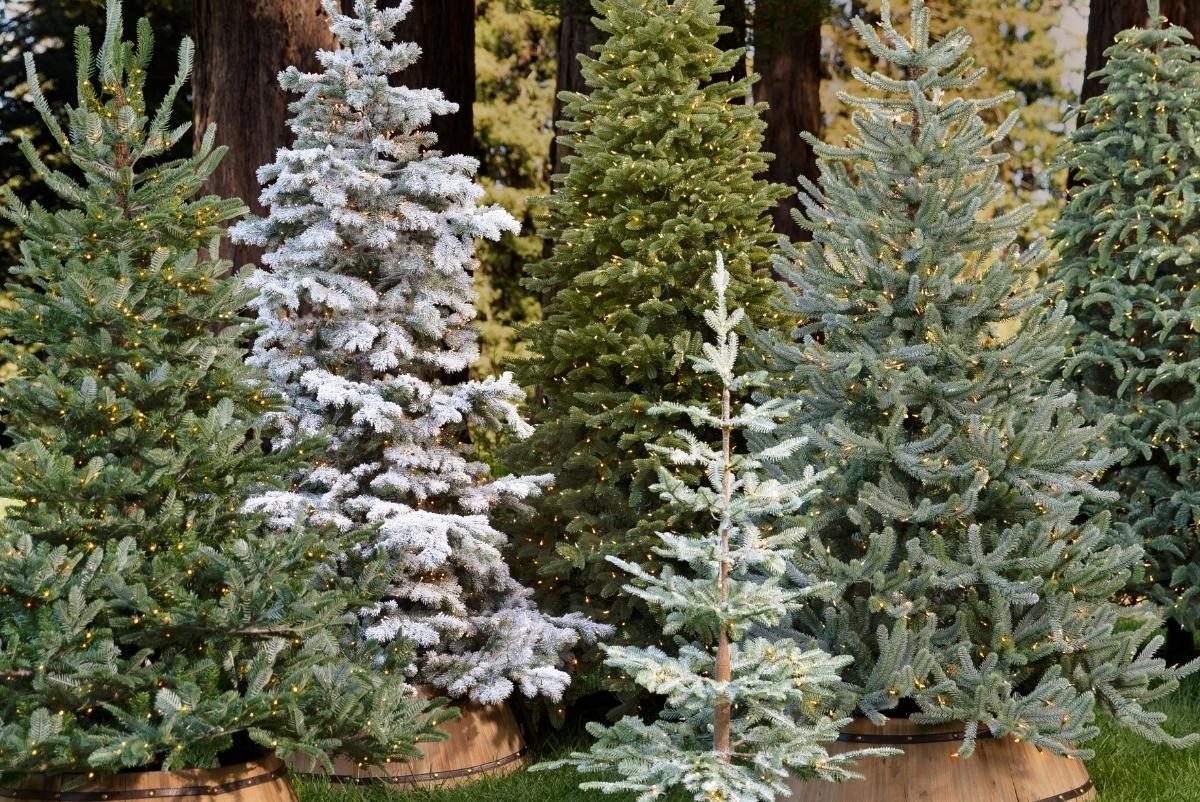
Artificial trees allow many custom touches. You can pick colors beyond green, like white or blue. Some trees come with built-in lights or snow effects. Real trees do not offer these options. You decorate them only with your ornaments and lights.
Size And Shape Choices
Artificial trees come in many sizes and shapes. You find slim models for small rooms or full ones for large spaces. Some mimic pine, fir, or spruce trees. Real trees depend on nature’s growth and season. Their shapes vary but are less predictable.
Decor Compatibility
Both tree types hold decorations well. Artificial branches are sturdy and keep ornaments in place. They also support heavier decorations without bending. Real tree branches can be softer and weaker. Some ornaments may need extra care to hang properly.
Cost Analysis
Choosing between artificial and real Christmas trees means thinking about costs. This section breaks down the costs to help you see which option fits your budget better. Understanding the price differences over time gives a clearer picture of value.
Initial Purchase Price
Real Christmas trees usually cost less to buy at first. Prices depend on tree size and type. Artificial trees often have a higher price tag upfront. This higher cost reflects materials and design for reuse. Buying artificial means spending more money at the start.
Yearly Expenses
Real trees need water and care to stay fresh. You might spend money on tree stands or watering tools. Disposal costs can add up after Christmas. Artificial trees do not need watering or disposal fees. They may need occasional cleaning or storage costs. These yearly expenses are usually low.
Long-term Value
Real trees are one-time use, so you buy every year. This adds up over many years. Artificial trees last for many Christmases. The initial high cost spreads out over time. In the long run, artificial trees can save money. The value depends on how long you keep the tree.
User Preferences
User preferences play a big role in choosing between artificial and real Christmas trees. Each person has different needs and values. These differences affect their choice. Some pick trees based on family habits. Others think about their daily life. Personal values also guide the decision.
Family Traditions
Family traditions often decide the type of Christmas tree. Some families love the smell and feel of a real tree. It brings back memories and creates a warm mood. Others prefer artificial trees for their ease and reusability. Traditions build strong connections with the kind of tree used every year.
Lifestyle Fit
People’s lifestyles shape their tree choice. Busy families may choose artificial trees to save time. They avoid watering and cleaning up pine needles. Those who enjoy outdoor activities might select real trees for the natural experience. Lifestyle needs affect how much time and effort one wants to spend on the tree.
Personal Priorities
Personal priorities influence the decision deeply. Some focus on environmental impact and pick real trees from local farms. Others prefer artificial trees to reduce waste over time. Cost is also a factor; artificial trees cost more upfront but last longer. Comfort, convenience, and values all play a part in the final choice.

Credit: krcgtv.com
Frequently Asked Questions
Are Artificial Christmas Trees More Cost-effective Long-term?
Yes, artificial trees often save money over time. They are reusable for many years, unlike real trees which must be bought annually. Initial costs may be higher, but they reduce yearly expenses and disposal fees, making them more budget-friendly in the long run.
Do Real Christmas Trees Have Environmental Benefits?
Real trees are biodegradable and can be recycled into mulch. They absorb carbon dioxide while growing, which helps the environment. However, their impact depends on sustainable farming and disposal methods. Choosing local, farm-grown trees reduces transportation emissions.
Which Type Of Christmas Tree Is Easier To Maintain?
Artificial trees require minimal care; no watering or needle cleanup is needed. Real trees need regular watering and drop needles, requiring more attention. Artificial trees are more convenient for busy households or those with allergies.
How Do Artificial And Real Trees Compare In Appearance?
Real trees offer natural fragrance and unique shapes. Artificial trees come in various styles and colors, often designed to mimic real ones. Advances in manufacturing have improved artificial tree realism significantly.
Conclusion
Choosing between real and artificial Christmas trees depends on your needs and values. Real trees bring fresh scent and tradition but need care. Artificial trees last for years and save time. Both have pros and cons to think about. Your choice can reflect your style, budget, and care for the environment.
Enjoy the holiday spirit with the tree that feels right for you. Celebrate joy, warmth, and memories this season.