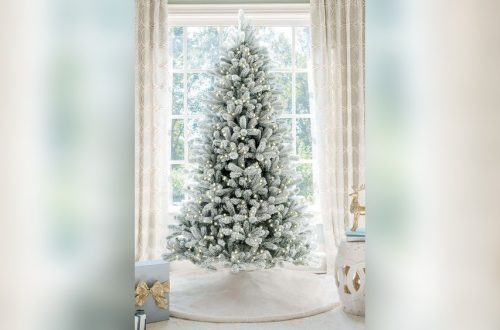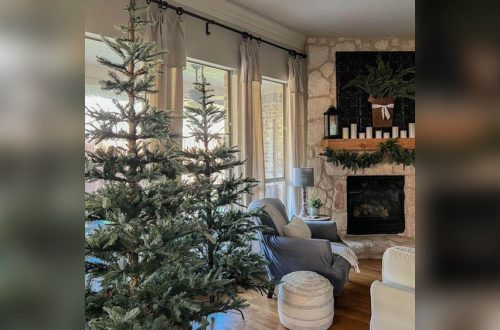
Have you ever wondered what the very first artificial Christmas tree looked like? You might picture something simple or homemade, but the story behind it is surprisingly unique.
Discovering how these early trees came to be can change the way you see your own holiday decorations. Keep reading to uncover the fascinating origins of the artificial Christmas tree and why it was created in the first place. This little piece of history might just make your festive season feel even more special.
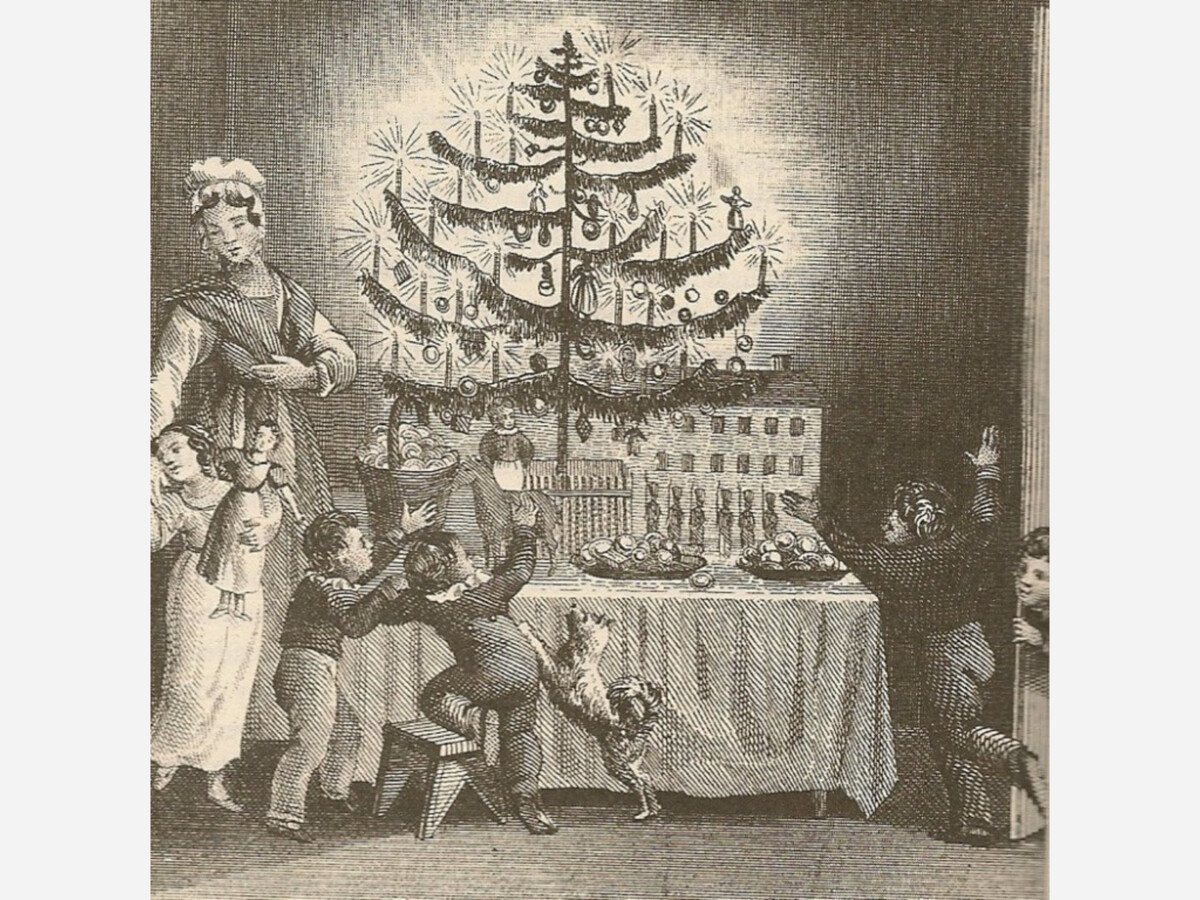
Credit: westwoodminute.town.news
Origins Of Artificial Christmas Trees
The first artificial Christmas trees have a surprising history. They did not look like the plastic trees we see today. Early versions were simple and made with natural materials. These trees helped families celebrate Christmas indoors without cutting real trees. The idea grew from a need to keep traditions alive in cities and places where real trees were hard to find.
Over time, people changed the designs and materials. They wanted safer, reusable, and cleaner alternatives to real trees. The origins of these trees show creativity and care for the environment. They also reflect how holiday customs adapt to new times and places.
Early Inspirations
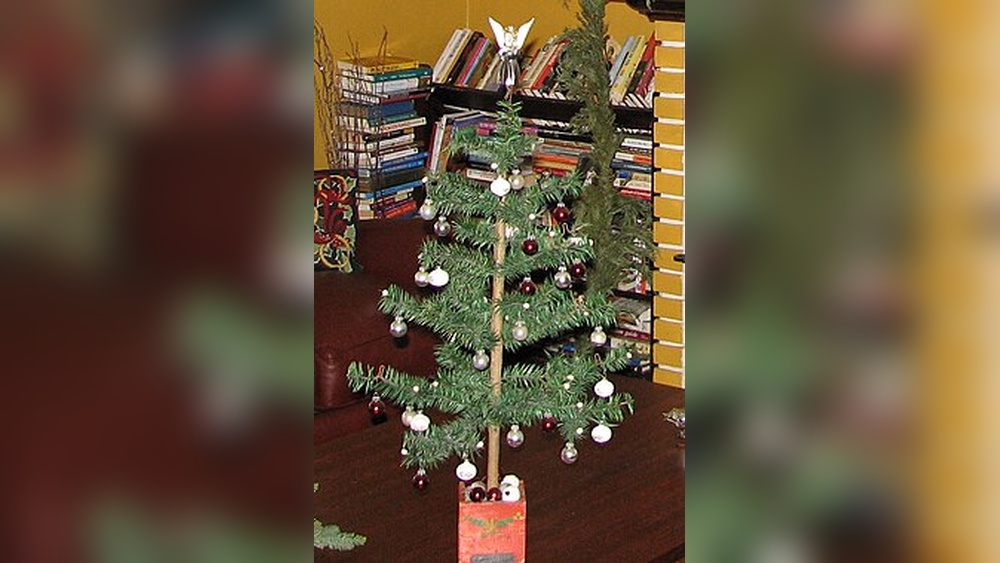
Early artificial Christmas trees came from Germany in the 19th century. People used green feathers from birds to mimic pine needles. These trees looked different but gave a festive feel. Some were shaped like small bushes or cones. The idea was to create a green tree that could stay fresh-looking for weeks.
Other inspirations came from nature and simple crafts. People made trees from wire, wood, and paper. These materials were easy to find and work with. The focus was on making a tree that could be used year after year. This helped save real trees and offered a new way to decorate homes.
Materials Used
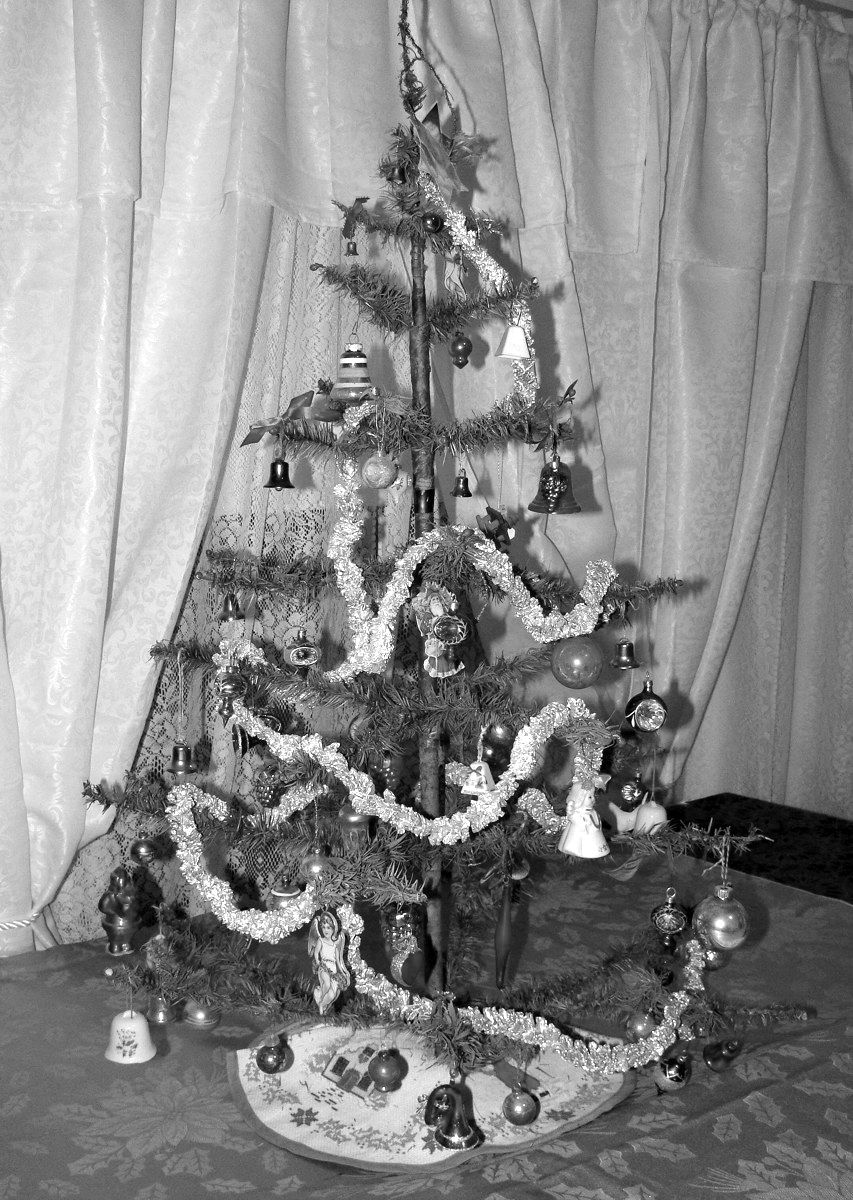
The first artificial trees used feathers dyed green. Goose feathers were common because they were soft and could be shaped. The feathers were attached to thin wire branches. This method gave a natural look and allowed the branches to spread out.
Later, people used other materials like wood, metal, and cloth. Some trees had painted wood or even brush bristles. These materials made the trees more durable. The goal was to create trees that looked good and lasted many seasons. The use of different materials shows how inventors tried to improve the artificial tree over time.
Credit: saukcountyhistory.org
Designs Of The First Trees
The first artificial Christmas trees had unique and simple designs. These early trees aimed to mimic real evergreens. People wanted a tree that lasted longer and was easier to care for. Early inventors created different styles with available materials. Each design showed creativity and practical thinking.
Two popular types stand out. Feather trees from Germany and wire and brush trees had distinct looks. Both had a special place in history.
Feather Trees From Germany
Feather trees appeared in Germany in the late 1800s. They used goose feathers dyed green to look like pine needles. The feathers were cut and attached to thin wire branches. These wire branches were then tied to a central wooden trunk. The result was a soft, full tree that looked natural.
Feather trees were light and easy to move. They did not drop needles like real trees. Families loved them for indoor decoration. These trees became popular in Europe and America.
Wire And Brush Trees
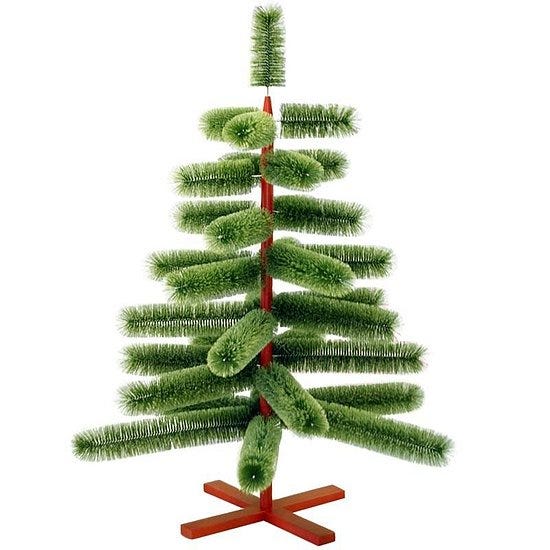
Wire and brush trees came after feather trees. Inventors used stiff wire to form tree branches. They added brush bristles to imitate pine needles. These bristles were often made from metal or synthetic fibers. This design created a fuller and more durable tree.
Wire and brush trees could hold more ornaments. They were fire-resistant and long-lasting. This made them safer and practical for homes. Their look was less natural but more structured.
Cultural Impact And Popularity
The first artificial Christmas tree made a noticeable mark on culture. It was more than just a decoration. It influenced how people celebrated the holiday. Its design reflected the era’s ideas and values. The tree’s impact grew as more families adopted it. It changed holiday traditions and shopping habits. The artificial tree’s rise shows how culture and technology connect.
Spread Across Continents
The artificial Christmas tree began in Germany in the 19th century. It quickly caught attention beyond Europe. Traders and travelers shared the idea worldwide. By the early 20th century, artificial trees appeared in America. Their presence spread to Asia and Australia over decades. People liked the tree’s convenience and cleanliness. Unlike real trees, it could be reused every year. This made it popular in cities and small towns alike.
Reception By Society
Society’s view of the artificial tree was mixed at first. Some saw it as a clever invention. Others missed the smell and look of real pine. Over time, many families welcomed the tree for its safety. It did not drop needles or cause fires easily. Schools and offices used artificial trees for decoration. The tree became a symbol of modern holiday living. Its acceptance grew with changes in lifestyle and values.
Evolution Of Artificial Trees
The story of artificial Christmas trees shows how they have changed over time. The first versions were quite simple and different from what we see today. These trees started as a way to have a green tree indoors without the mess of real pine needles.
Since those early days, artificial trees have improved a lot. Changes in materials and design have made them look more real and last longer. They also became safer and easier to use. Let’s explore how these trees evolved through the years.
Advancements In Materials
The first artificial trees were made from feathers dyed green. These feathers were attached to wire branches. This design was fragile and not very realistic.
Later, manufacturers used plastic and PVC to create branches. These materials lasted longer and looked more like real pine needles. Plastic allowed for more shapes and sizes, improving the tree’s overall look.
Today, many trees use fire-resistant materials. These are safer for homes with children and pets. New technology also helps make trees lighter and easier to store.
Modern Variations
Modern artificial trees come in many styles and colors. Some have built-in lights that save setup time. Others are pre-lit with LED bulbs that use less energy.
There are also trees with special features like scent or realistic bark. Some models fold for easy storage. Sizes range from tiny tabletop trees to tall, full-sized ones.
Consumers can choose from classic green or even white and pink trees. The variety helps families find a tree that fits their home and style perfectly.
Environmental Considerations
Environmental concerns have shaped the history of artificial Christmas trees. Early models raised questions about sustainability and materials. Understanding these issues helps us see how far these trees have come.
Early Sustainability Concerns
The first artificial Christmas trees used lead and other metals. These materials were not safe for the environment. Trees were heavy and hard to recycle. People worried about pollution from discarded trees. The plastic needles were not biodegradable. Early trees lasted many years but caused waste problems.
Contemporary Eco-friendly Options
Today, many artificial trees use safer materials. Recycled plastics and metal frames reduce environmental impact. Some trees are designed to be reused for decades. Others are made to be easily recycled. Eco-friendly trees help reduce the need to cut real trees. Consumers can choose from options that protect nature better.
Credit: bethcollier.substack.com
Frequently Asked Questions
What Did The First Artificial Christmas Tree Look Like?
The first artificial Christmas tree resembled a small pine tree made from goose feathers dyed green. It was crafted in Germany during the 19th century. These trees were designed to mimic real fir trees but offered a reusable and fire-resistant alternative.
When Was The First Artificial Christmas Tree Invented?
The first artificial Christmas tree was invented in the 1880s in Germany. It was created to provide a safer and longer-lasting option than real trees, which often posed fire hazards and dropped needles.
Why Were Goose Feathers Used In Early Artificial Trees?
Goose feathers were used because they were soft and easy to dye green. This allowed the feathers to mimic pine needles effectively, creating a natural look for early artificial Christmas trees.
How Did The First Artificial Trees Influence Modern Designs?
The first artificial trees set the foundation for safer, reusable holiday decor. Modern designs have evolved with materials like plastic and metal, improving durability and realism while maintaining eco-friendly benefits.
Conclusion
The first artificial Christmas tree looked very different from today’s. It was made from feathers and colored green. People wanted a tree that would not drop needles. This invention helped many enjoy a clean holiday. Over time, designs changed to look more like real trees.
Now, artificial trees come in many shapes and sizes. They remain popular for their convenience and reuse. The first tree started a long tradition of holiday decoration. It shows how ideas can grow and change with time.