Imagine having fresh herbs at your fingertips every time you cook. A kitchen table herb centerpiece not only brings life and color to your space but also makes meal prep easier and more enjoyable.
You’ll love how this simple addition can brighten your kitchen and boost your cooking. Ready to discover how to create your own vibrant herb centerpiece that looks great and smells amazing? Keep reading, and you’ll find easy tips to transform your kitchen table into a fresh, fragrant oasis.
Choosing The Right Herbs
Choosing the right herbs for your kitchen table centerpiece can brighten your space and your meals. The right herbs add color, scent, and fresh flavors. Some herbs grow well indoors with little care. Others need more attention but offer unique uses. Think about your kitchen’s light and how much care you can give. Pick herbs that match your cooking and your style.
Popular Kitchen Herbs
Basil, parsley, and thyme are common and easy to grow. Basil adds a sweet, fresh taste to many dishes. Parsley brightens soups and salads with its mild flavor. Thyme works well in meat and vegetable recipes. These herbs are favorites for beginners and cooks alike.
Herbs For Fragrance
Mint and rosemary fill the room with fresh scents. Mint has a cool, refreshing smell. It also helps with teas and desserts. Rosemary has a strong, pine-like aroma that feels cozy. These herbs bring a natural fragrance to your kitchen table.
Low-maintenance Options
Chives, oregano, and sage need little water and care. Chives grow quickly and add mild onion flavor. Oregano is tough and stays green for a long time. Sage has soft leaves and a savory taste. These herbs suit busy people or beginners well.
Creative Container Ideas
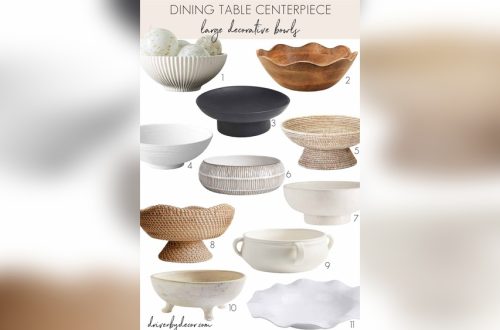
Choosing the right container can make your kitchen table herb centerpiece stand out. Containers add style and personality to your herbs. They also affect how your plants grow and thrive. Creative containers bring charm and function together.
Rustic Pots And Planters
Rustic pots give a warm, cozy feeling. Clay or terracotta pots work well. Their natural colors match green herbs nicely. These pots let soil breathe, helping roots stay healthy. Wooden boxes or crates also add a rustic touch. They create a farmhouse look perfect for kitchens.
Upcycled Containers
Upcycled containers are eco-friendly and unique. Old teacups, jars, or tins make great pots. Paint or decorate them to fit your style. These containers save money and reduce waste. Each piece tells a story, making your centerpiece special. Try mixing different sizes and shapes for interest.
Modern Minimalist Vessels
Modern vessels bring a clean, simple look. White ceramic pots or sleek metal containers suit this style. Smooth lines and neutral colors keep focus on the herbs. Minimalist containers fit well in any kitchen. They create a fresh and tidy herb display.
Arranging Your Herb Centerpiece
Arranging your kitchen table herb centerpiece can brighten your dining space. It creates a fresh, natural look that feels warm and inviting. The right arrangement makes herbs easy to reach while eating or cooking. Simple steps help you design a centerpiece that looks great and stays healthy.
Layering And Grouping Tips
Start by placing taller herbs in the center or back. Shorter herbs go around the edges. Group herbs with similar leaf shapes or uses together. This creates a neat, organized look. Avoid placing too many herbs of the same kind in one spot. Spread them evenly to balance the display.
Incorporating Color And Texture
Mix different shades of green for visual interest. Add herbs with colorful leaves like purple basil or red thyme. Vary textures by combining smooth, shiny leaves with fuzzy or rough ones. This contrast makes your centerpiece more lively. Use fresh, healthy herbs to keep colors bright.
Balancing Height And Shape
Use pots or containers of different heights for variety. Trim herbs regularly to maintain shape and size. Keep the overall shape round or oval for a balanced look. Avoid having one side taller or heavier than the other. A balanced centerpiece looks pleasing from all sides.
Care And Maintenance
Caring for a kitchen table herb centerpiece is simple. Proper care helps herbs stay fresh and healthy. It also makes your kitchen look lively and inviting. Regular attention to watering, light, and pruning keeps herbs growing strong. Each herb has unique needs, but some general rules apply to all.
Watering Best Practices
Herbs need consistent watering but not too much. Check soil moisture before watering. The top inch of soil should be dry before adding water. Use a small watering can to avoid overwatering. Drainage is important to prevent root rot. Avoid letting herbs sit in water.
Light Requirements
Most kitchen herbs need bright, indirect light. Place the centerpiece near a sunny window. Herbs like basil and thyme enjoy at least six hours of light daily. Rotate the centerpiece to ensure even light exposure. In low light, herbs may grow weak and leggy.
Pruning For Growth
Regular pruning encourages herbs to grow bushy and full. Pinch off dead or yellow leaves. Cut stems just above a leaf node to promote new growth. Avoid removing more than one-third of the plant at once. Frequent harvesting also helps keep herbs healthy and productive.
Styling With Seasonal Accents
Styling your kitchen table herb centerpiece with seasonal accents brings life and color to your space. It creates a fresh and inviting look. Seasonal touches reflect the time of year and add charm. Simple additions make a big difference. They highlight the herbs and connect your centerpiece to the season.
Adding Fresh Flowers
Fresh flowers brighten the herb arrangement instantly. Choose blooms that match the season’s colors. Spring tulips or summer daisies add cheer. In fall, try small sunflowers or chrysanthemums. Flowers bring softness and contrast to the green herbs. They create a natural and lively display.
Using Decorative Stones And Moss
Decorative stones add texture and weight. Smooth river stones or colorful pebbles work well. Place them around the base of the herbs. Moss introduces a soft, natural feel. It fills gaps and keeps the display cozy. Both stones and moss enhance the earthy look of herbs.
Incorporating Kitchen Tools
Small kitchen tools add a practical charm. Wooden spoons, mini rolling pins, or herb scissors fit nicely. Arrange them casually near the centerpiece. They remind you of cooking and fresh flavors. These tools make the display feel personal and useful.
Benefits Beyond Decor
A kitchen table herb centerpiece is more than just a pretty decoration. It brings many benefits that improve your daily life. Herbs grown at home offer fresh flavors for cooking. They also create a calming and pleasant atmosphere. Plus, they help reduce waste and support eco-friendly habits. Let’s explore these benefits beyond decor.
Fresh Flavors At Hand
Having herbs on your kitchen table means fresh ingredients are always nearby. Pick basil, thyme, or parsley anytime to add flavor to your meals. Fresh herbs taste better than dried ones. They make your dishes healthier and more vibrant. No need to buy herbs at the store again. Your cooking becomes easier and more delicious.
Aromatherapy Effects
Herbs release natural scents that calm your mind. The smell of mint or rosemary helps reduce stress and improves focus. These fragrances create a peaceful kitchen environment. They boost your mood while cooking or eating. Aromatherapy from herbs works naturally and gently. It turns your kitchen into a relaxing space.
Eco-friendly Touch
Growing herbs at home reduces plastic waste from store packaging. It lowers your carbon footprint by cutting transport needs. Herb plants also improve indoor air quality by filtering toxins. A kitchen herb centerpiece supports a greener lifestyle. It encourages sustainable habits in an easy, enjoyable way.
Frequently Asked Questions
What Herbs Are Best For A Kitchen Table Centerpiece?
Basil, rosemary, thyme, and mint work well. They add fragrance, freshness, and easy access for cooking. Choose herbs with different heights and textures for visual appeal.
How Do I Keep My Herb Centerpiece Healthy Indoors?
Place the centerpiece near sunlight, ideally a south-facing window. Water herbs moderately, avoiding overwatering. Use well-draining soil and trim regularly to encourage growth.
Can I Use Fresh Herbs From The Centerpiece For Cooking?
Yes, fresh herbs from your centerpiece enhance flavor in dishes. Snip small amounts as needed. Regular harvesting promotes bushier, healthier plants.
What Containers Are Ideal For Kitchen Table Herb Centerpieces?
Choose containers with drainage holes to prevent waterlogging. Ceramic pots, wooden boxes, or decorative planters work well. Ensure the size fits your kitchen table space.
Conclusion
A kitchen table herb centerpiece adds life and freshness to your space. It brings color and a pleasant scent to your room. Herbs are easy to grow and use in cooking every day. This small change can make meals tastier and your kitchen cozier.
Try different herbs to find your favorite mix. A simple herb centerpiece creates a warm, natural vibe everyone will enjoy. Give your kitchen a fresh touch that feels both useful and beautiful. A little green goes a long way.