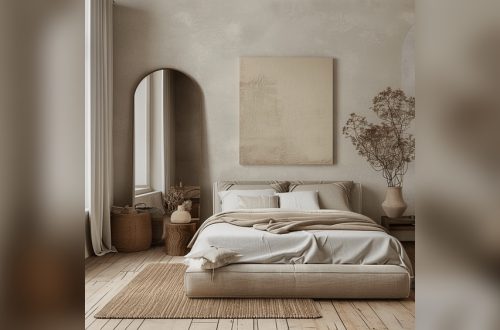
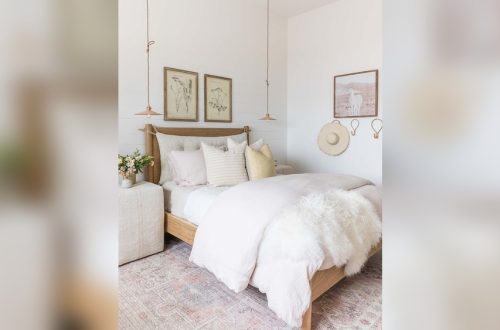
Looking to transform your bedroom without spending a fortune? Decorating your bedroom wall with fabric is a simple, stylish way to add warmth and personality to your space.
Imagine turning a plain wall into a cozy, inviting backdrop that reflects your unique taste. In this guide, you’ll discover easy, creative ideas that anyone can try—no special skills needed. Ready to make your bedroom feel more like you? Keep reading and learn how fabric can change your room in ways you never expected.
Choosing The Right Fabric
Choosing the right fabric is key to a beautiful bedroom wall. The fabric sets the mood and style. It also affects how easy the wall is to care for. Picking the perfect material makes decorating simpler and more fun.
Types Of Fabric Suitable For Walls
Cotton is a popular choice. It is soft and easy to work with. Linen offers a natural, fresh look. Velvet brings warmth and luxury to a room. Silk adds a smooth, shiny touch but can be delicate. Polyester is strong and resists wrinkles well. Choose fabrics that hold up well on walls and suit your style.
Color And Pattern Selection Tips
Pick colors that match your bedroom’s theme. Light colors make small rooms feel bigger. Dark shades add coziness to large spaces. Patterns create interest but keep them simple. Stripes or subtle prints work well. Avoid busy designs that overwhelm the room. Test fabric samples in your room’s light before buying.
Considering Texture And Weight
Fabric texture changes the room’s feel. Smooth fabrics look clean and modern. Rough textures add depth and character. Heavy fabrics hang better and cover imperfections. Lightweight fabrics are easier to handle and move. Balance texture and weight for the best look and comfort.
Preparing The Wall And Fabric
Preparing the wall and fabric is a key step in decorating a bedroom wall with fabric. This process ensures the fabric sticks well and looks smooth. Proper preparation saves time and avoids mistakes later.
Start by making the wall clean and ready. Then measure and cut the fabric carefully. Gather all needed tools and materials to keep the work easy.
Cleaning And Priming The Wall
Clean the wall thoroughly using a damp cloth. Remove dust, dirt, and grease spots. Let the wall dry completely before moving on.
Apply a primer if the wall has stains or is very porous. Primer helps the fabric glue stick better. Wait for the primer to dry fully before attaching the fabric.
Measuring And Cutting Fabric Accurately
Measure the wall area you want to cover twice for accuracy. Add extra fabric for folding at the edges.
Use a sharp pair of scissors or a rotary cutter for clean cuts. Cut the fabric on a flat surface to avoid mistakes. Accurate cutting helps the fabric fit the wall perfectly.
Tools And Materials Needed
Gather these items before starting: fabric, primer, cleaning cloth, measuring tape, scissors, fabric glue or adhesive, a paint roller or brush, and a level.
Having all tools ready keeps the project smooth and quick. Choose fabric that matches your room style and wall size.
Fabric Hanging Techniques
Fabric hanging techniques offer a simple way to decorate bedroom walls. They bring texture, color, and warmth without heavy tools or damage. Choose a method that fits your style and wall type. Each method has its own charm and ease of use. Here are some popular ways to hang fabric on your walls.
Using Fabric Glue Or Adhesive
Fabric glue is a clean way to attach fabric to walls. It works best on smooth, painted surfaces. Apply glue evenly on the back of the fabric. Press the fabric gently on the wall. Hold it in place for a few minutes. This method avoids holes and nails. It is ideal for lightweight fabrics and small areas.
Stapling And Tacking Methods
Staples and tacks hold fabric securely and quickly. Stretch the fabric tight against the wall. Use a staple gun or push pins along the edges. Space staples or tacks every few inches. This method suits thicker fabrics and larger pieces. It leaves small holes, but they are easy to fix later.
Creating A Fabric Wall Panel
Fabric wall panels add depth and style to any bedroom. Stretch fabric over a wooden frame or foam board. Staple the fabric on the back side of the frame. Hang the finished panel on the wall with hooks or nails. Panels can be moved and reused easily. Choose patterned or textured fabric for a unique look.
Creative Fabric Wall Ideas
Fabric offers many ways to decorate bedroom walls. It brings warmth, color, and texture to the space. Using fabric can make your room feel cozy and personal. Try these creative fabric wall ideas to change your bedroom’s look easily.
Fabric Wall Art And Tapestries
Hang large fabric pieces as wall art for instant style. Tapestries add patterns and colors without much effort. Choose bold prints or soft designs to match your theme. Use a wooden rod or simple clips to hang fabric neatly. This idea works well in small or big rooms.
Layering Fabrics For Depth
Combine different fabrics on one wall for a rich look. Layer light and heavy textures to create depth and interest. Try sheer fabrics over solid colors for a soft effect. Overlap patterns carefully to avoid a busy feel. This technique makes walls look dynamic and inviting.
Incorporating Fabric With Lighting
Use fabric with lights to create a warm glow. Place string lights behind sheer fabrics for a soft shine. Fabric lampshades can add color and soften light. Lighted fabric panels serve as both art and mood lighting. This method brightens the room and highlights fabric beauty.
Maintaining Fabric Walls
Fabric walls add warmth and style to any bedroom. Keeping them clean and neat helps the fabric last longer. Regular care keeps your walls looking fresh and beautiful. Follow simple steps to maintain your fabric walls with ease.
Cleaning And Dusting Tips
Use a soft brush or vacuum with a brush attachment. Gently remove dust without damaging the fabric. Clean your walls once a week to avoid buildup. Avoid using harsh chemicals that can harm the fabric. Spot clean stains quickly with a mild soap and water solution.
Preventing Fabric Damage
Keep fabric walls away from direct sunlight to prevent fading. Avoid sharp objects near the fabric to stop tears. Maintain a steady room temperature to protect fabric fibers. Use fabric protectors to add a layer of defense. Handle fabric walls gently during cleaning or moving furniture.
Repairing Small Tears Or Stains
Fix small tears by sewing with matching thread carefully. Use fabric glue for quick, no-sew repairs on tiny rips. For stains, dab gently with a damp cloth and mild detergent. Test cleaning solutions on a hidden spot first. Act fast to prevent stains from setting permanently.
Budget-friendly Fabric Wall Projects
Decorating a bedroom wall with fabric can be budget-friendly and creative. Fabric adds texture, color, and warmth without heavy costs. Using simple materials and clever ideas saves money and personalizes your space. Here are easy fabric wall projects that anyone can try.
Using Remnant And Recycled Fabrics
Remnant fabrics are leftover pieces from fabric stores. They are sold at low prices. These small pieces work well for wall decoration. Patch several remnant fabrics together to make a unique design. Patterns and colors can mix for a fun look.
Recycled fabrics from old clothes or curtains also work well. Cut or tear them into strips or shapes. Arrange them on the wall with glue or pins. This method gives a fresh look without spending much.
Simple Diy Fabric Panels
Fabric panels are easy to make. Stretch fabric over wooden frames or cardboard. Secure the fabric tightly with glue or staples. Hang panels on the wall to create a soft, colorful display.
This project uses small fabric pieces and basic tools. Panels can be changed anytime to fit new styles or seasons. They add warmth and personality to plain walls quickly.
Upcycling Old Textiles
Old textiles like blankets, scarves, or tablecloths can decorate walls. Cut or fold textiles to fit your wall space. Attach them with nails, clips, or fabric glue.
Upcycling saves money and reduces waste. It also adds a vintage or cozy touch to the bedroom. Use textiles with patterns or textures that match your room’s theme.
Frequently Asked Questions
What Types Of Fabric Work Best For Bedroom Walls?
Natural fabrics like cotton, linen, and silk are ideal. They add texture, warmth, and style without overwhelming the space. Choose lightweight fabrics for easy installation and maintenance, ensuring your bedroom wall looks cozy and elegant.
How Do I Attach Fabric To Bedroom Walls Safely?
Use fabric-friendly adhesive sprays, double-sided tape, or a staple gun for secure attachment. Avoid damaging walls by testing small areas first. These methods keep fabric smooth and prevent sagging, ensuring a neat and long-lasting wall decoration.
Can Fabric Wall Decorations Improve Bedroom Acoustics?
Yes, fabric absorbs sound, reducing echo and noise. This creates a quieter, more relaxing bedroom environment. Using thick or layered fabrics enhances sound absorption, making your space cozy and peaceful for better sleep and relaxation.
How To Choose Fabric Colors For Bedroom Walls?
Select colors that complement your bedroom theme and lighting. Soft, neutral tones create calmness, while bold hues add personality. Consider fabric patterns that match your decor style to enhance the room’s ambiance and visual appeal.
Conclusion
Decorating a bedroom wall with fabric adds warmth and style. It creates a soft, cozy feel in any room. Choose colors and patterns that match your taste and space. Fabric is easy to change, so you can refresh your look often.
Simple tools and steps make the process fun and quick. Let your creativity guide you to make a unique space. Enjoy the comfort and beauty that fabric brings to your walls. Your bedroom will feel more inviting and personal with this simple touch.