Imagine turning your kitchen table into a vibrant centerpiece that captures the rich colors and warm spirit of Morocco. You don’t need to travel far or spend a fortune to bring this exotic charm right into your home.
With a few simple touches, your kitchen table can become a stunning focal point that invites conversation and creates a cozy, welcoming atmosphere. Ready to discover how to transform your space and impress your guests? Keep reading, and you’ll find easy ideas to create a Moroccan kitchen table centerpiece that feels both unique and inviting.
Moroccan Style Essentials
Moroccan style essentials bring warmth and charm to your kitchen table. These elements create a cozy and inviting space. The look blends bright colors, rich textures, and detailed patterns. Each piece tells a story of Moroccan culture and craft. The style focuses on beauty and comfort combined.
Start with the basics. Colors, materials, and motifs shape the overall feel. These details help you design a table centerpiece that stands out. A perfect blend of tradition and style awaits.
Key Colors And Patterns
Moroccan colors are bold and lively. Deep blues, vibrant reds, sunny yellows, and rich greens are common. These shades add energy and life to the space.
Patterns include geometric shapes and intricate designs. Repeating diamonds, stars, and zigzags decorate many items. These patterns create a sense of harmony and balance. They catch the eye and make the centerpiece unique.
Materials And Textures
Natural materials form the base of Moroccan style. Wood, metal, and ceramics are popular choices. These materials bring an earthy and authentic feel.
Textiles play a big role too. Soft linens, woven fabrics, and plush cushions add comfort. The mix of smooth, rough, and soft textures creates depth. It invites touch and adds interest to the centerpiece.
Traditional Motifs
Moroccan motifs often show cultural symbols. The hand of Fatima, floral patterns, and arabesques appear frequently. These designs have meaning and history behind them.
Using these motifs connects your table to Moroccan heritage. They bring a sense of tradition and artistry. These motifs make your centerpiece more special and meaningful.
Choosing The Perfect Centerpiece
The Moroccan kitchen table centerpiece brings charm and warmth to your dining area. It sets the mood and invites guests to gather around. Picking the right centerpiece means thinking about space, style, and how you use the table.
Finding the perfect balance creates a welcoming and beautiful look. Each detail matters to make your kitchen table stand out.
Size And Scale Considerations
Choose a centerpiece that fits your table size well. A large centerpiece can overwhelm a small table. A tiny one might get lost on a big table. Measure your table before buying or making a centerpiece. Leave enough room for plates and dishes. The centerpiece should add to the space, not crowd it.
Balancing Function And Style
The centerpiece should look good and serve a purpose. Some centerpieces hold candles or flowers. Others can store fruits or spices. Think about how you use your kitchen table daily. Pick a design that matches your style and helps with your needs. This way, your centerpiece is both pretty and practical.
Lanterns And Candle Holders
Lanterns and candle holders are essential pieces in a Moroccan kitchen table centerpiece. They bring warmth and charm to the space. These items reflect Moroccan culture through their unique style and details. Their presence creates a cozy and inviting atmosphere for any meal or gathering.
Intricate Metalwork Designs
Moroccan lanterns often feature delicate metalwork patterns. Craftsmen use thin metal sheets and cut detailed shapes by hand. These designs include geometric shapes and floral motifs. Light passes through the cut-outs, creating beautiful shadows. This artistry adds an elegant touch to any table setting.
Creating Ambient Lighting
Candle holders and lanterns provide soft, warm light. This type of lighting enhances the mood and comfort of the room. Flickering candlelight brings a sense of calm and relaxation. It makes meals feel more special and intimate. Lanterns can hold candles or small bulbs for gentle illumination.
Ceramic And Pottery Elements
Ceramic and pottery elements bring charm and warmth to a Moroccan kitchen table centerpiece. These pieces hold rich cultural stories and add texture to the setting. Their handcrafted nature makes each item unique and full of character.
Colors, shapes, and patterns in ceramics reflect Moroccan art traditions. They create a cozy and inviting atmosphere. Using these elements can brighten the table and inspire conversation among guests.
Hand-painted Bowls And Plates
Hand-painted bowls and plates are a staple in Moroccan decor. Each piece displays vibrant colors and intricate patterns. The skill of the artisans shows in every brushstroke. These items often feature geometric designs and floral motifs.
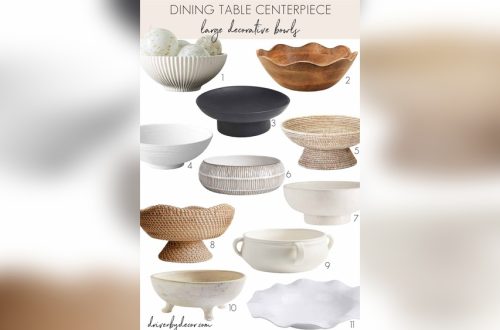
Such bowls and plates can serve both decorative and practical purposes. They look beautiful holding fruits, nuts, or spices. Their bright colors contrast well with neutral table linens. This creates a visually appealing and lively centerpiece.
Incorporating Colorful Tagines
Tagines are traditional Moroccan cookware made from pottery. Their conical lids and bold colors stand out on any table. Using tagines as part of the centerpiece adds authenticity and style.
Tagines come in various sizes and hues. They can hold food or simply serve as decorative elements. Their glossy finish and detailed painting draw attention instantly. Placing a tagine in the center invites curiosity and admiration.
Textile Accents
Textile accents bring warmth and color to a Moroccan kitchen table centerpiece. They add texture and charm that catches the eye. Soft fabrics and rich patterns create a cozy and inviting space. These textiles reflect Moroccan culture and style beautifully.
Layering With Rugs And Runners
Start by placing a small rug or runner on the table. Choose bold colors like deep reds, oranges, or blues. Patterns with geometric shapes work well. Layering textiles adds depth and interest to the centerpiece. It also protects the table from scratches and spills. The feel of woven fabric under your hands adds comfort and style.
Adding Cushions And Fabrics
Place cushions on chairs around the table. Pick cushions with embroidered designs or tassels. Soft fabrics like velvet or cotton enhance the look. Draping a colorful fabric over the table edge adds charm. These small touches make the dining area more inviting. Cushions and fabrics bring softness and warmth to the space.
Floral And Greenery Touches
Floral and greenery touches bring life and color to a Moroccan kitchen table centerpiece. They create a fresh, natural vibe. These elements add texture and brightness that complement Moroccan decor well. Using plants and flowers softens the bold patterns and rich colors often found in Moroccan style.
Greenery and flowers can be simple or elaborate. Both styles enhance the table’s charm. They make the space feel more welcoming and warm. Natural elements also bring a calm, peaceful mood to the kitchen area.
Using Fresh Flowers
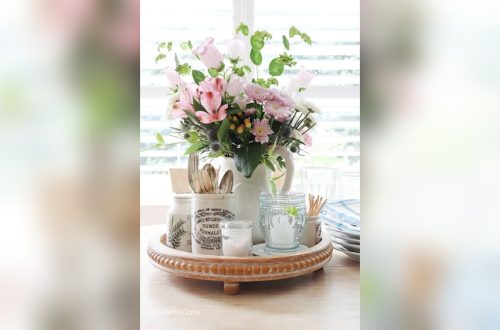
Fresh flowers add vibrant colors to the centerpiece. Bright reds, yellows, and oranges fit well with Moroccan themes. Choose flowers like roses, tulips, or marigolds for a lively look. Place them in a small vase or a traditional Moroccan pot. Fresh flowers give a natural fragrance that fills the room softly. Change them regularly to keep the table fresh and inviting.
Incorporating Succulents And Herbs
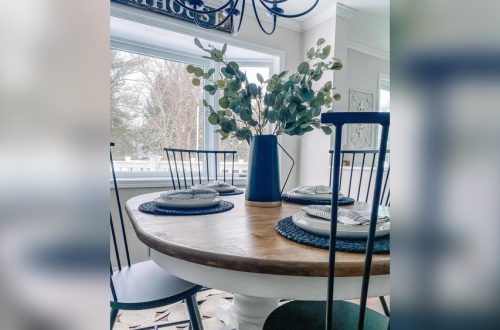
Succulents and herbs offer a unique green touch. Their shapes and shades add interest without overwhelming the table. Use small pots or bowls with succulents like aloe or echeveria. Fresh herbs such as mint, rosemary, or thyme add both scent and beauty. These plants fit well with Moroccan cooking themes. They are easy to care for and last longer than cut flowers. Arrange them in groups for a balanced look.
Mixing Modern And Traditional
Mixing modern and traditional styles creates a unique look for your Moroccan kitchen table centerpiece. This blend adds charm and freshness to your space. It balances old-world beauty with new design trends. The result feels both timeless and current. This approach suits many tastes and home styles.
Contemporary Twist On Classic Pieces
Classic Moroccan items like lanterns and ceramics can look new with a modern touch. Choose simple shapes and clean lines for these pieces. Use colors like white or black to update traditional patterns. Pair classic items with sleek, modern tableware. This contrast highlights the beauty of both styles.
Combining Minimalism With Moroccan Flair
Minimalism means less clutter and more focus on details. Use a few Moroccan elements to keep the look simple. Pick one or two colorful tiles or a small brass bowl. Let the centerpiece stand out by avoiding too many decorations. This mix brings warmth without overwhelming your kitchen table.
Diy Moroccan Centerpiece Ideas
Creating a Moroccan kitchen table centerpiece can bring warmth and charm to your home. DIY ideas let you add personal touches. Simple materials and a bit of creativity transform any space. Choose from colorful, textured, or vintage-inspired designs. Each piece tells a story and reflects Moroccan culture beautifully.
Crafting With Mosaic Tiles
Mosaic tiles create stunning patterns full of color and light. Use small, colorful tiles to form geometric shapes. Arrange tiles on a wooden base or tray for a unique look. Grout the tiles carefully for a smooth finish. This project suits beginners and adds a vibrant touch to your table.
Choose bright blues, reds, and yellows to reflect Moroccan style. Add candles or small plants on top to complete the centerpiece. Mosaic tile crafts last long and stay beautiful with little care. Perfect for a lively and authentic kitchen display.
Upcycling Vintage Finds
Old items become charming Moroccan centerpieces with a fresh twist. Find vintage trays, teapots, or lanterns at thrift stores or markets. Clean and repaint them in rich colors like gold, turquoise, or deep red. Place fresh flowers, dried herbs, or candles inside for a cozy feel.
Mix and match different pieces for an eclectic look. This approach saves money and reduces waste. Vintage finds carry history and add character to your kitchen table. A simple way to bring Moroccan spirit into your home.
Frequently Asked Questions
What Defines A Moroccan Kitchen Table Centerpiece?
A Moroccan kitchen table centerpiece features vibrant colors, intricate patterns, and traditional craftsmanship. It often includes ceramics, lanterns, and textiles, reflecting Moroccan culture and design.
How To Choose Moroccan Centerpiece Decorations?
Select decorations with bold colors, geometric patterns, and natural materials. Opt for handcrafted items like pottery, brass trays, or mosaic lamps to capture authentic Moroccan style.
Can I Mix Moroccan Centerpieces With Modern Decor?
Yes, Moroccan centerpieces blend well with modern decor. Their rich textures and colors add warmth and exotic charm, enhancing contemporary kitchen aesthetics beautifully.
What Materials Are Common In Moroccan Centerpieces?
Common materials include ceramic, brass, wood, and woven fabrics. These materials showcase Moroccan artisanship and bring an earthy, vibrant feel to your kitchen table.
Conclusion
A Moroccan kitchen table centerpiece adds warmth and charm to any room. It brings rich colors and unique patterns that catch the eye. Simple items like lanterns, ceramics, and fresh flowers create a cozy feel. This style invites conversation and joy during meals.
Try adding one to brighten your space and share a bit of Moroccan culture. Small details make a big difference in home decor. Enjoy the beauty and comfort it brings every day.