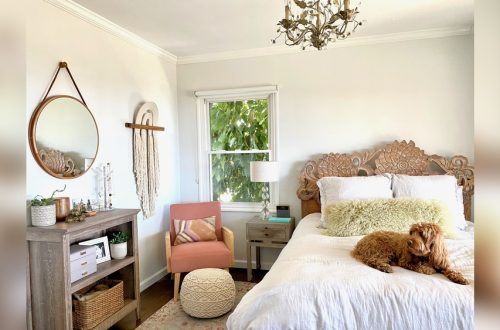
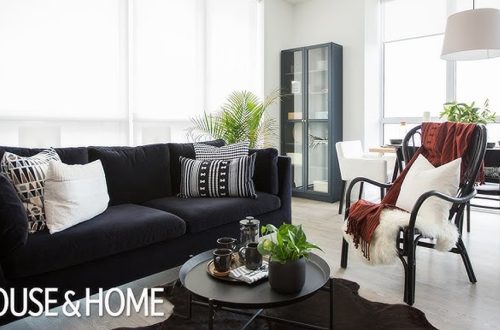
Your bedroom is more than just a place to sleep—it’s your sanctuary during the intense grind of grad school. Decorating it the right way can boost your focus, calm your mind, and make those late-night study sessions feel a little easier.
But how do you create a space that’s both cozy and practical, without spending a fortune? Keep reading, and you’ll discover simple, smart ideas to transform your room into a perfect blend of comfort and productivity. Your best grad school days start with the right space—let’s make yours amazing.
Choosing A Color Scheme
Choosing the right color scheme sets the mood for a grad student bedroom. It affects focus, calmness, and energy. The colors you pick can create a space that feels cozy and inspiring. Think about how colors make you feel and what helps you study better.
Calming Neutrals
Neutrals like beige, gray, and soft white create a peaceful space. These colors reduce distractions and help you relax. They make the room feel larger and brighter. Perfect for long study hours and restful sleep. You can add texture with blankets and pillows to keep it interesting.
Bold Accent Colors
Use bold colors on walls or accessories to add energy. Bright blues, greens, or reds can boost creativity. Keep the main colors neutral and add bold accents in small amounts. Throw pillows, lamps, or a rug work well. This balance keeps the room lively but not overwhelming.
Mixing Patterns
Mix patterns like stripes, dots, and florals carefully. Use similar colors to make patterns blend well. Patterns add personality and warmth to the room. Combine a patterned bedspread with plain curtains. This creates a stylish and fun look without clutter.
Maximizing Small Spaces
Small bedrooms can feel crowded and cluttered. Grad students need a space that feels calm and organized. Maximizing every inch makes the room more comfortable. Smart furniture and clever storage can open up the room. These ideas help create a cozy, functional bedroom even in a small area.
Multi-functional Furniture
Choose furniture that serves more than one purpose. A bed with drawers underneath saves space. A desk that folds up frees floor room. Chairs with storage inside keep things neat. Multi-functional pieces reduce clutter and add style. They fit perfectly in small spaces without crowding.
Vertical Storage Solutions
Use wall space to keep items off the floor. Shelves, hooks, and pegboards hold books and supplies. Tall bookcases use height instead of floor area. Hanging organizers keep small items in reach. Vertical storage keeps the room tidy and open. It also makes the space feel larger and less cramped.
Under-bed Storage Ideas
The space under the bed is often wasted. Use plastic bins or rolling drawers to store clothes. Store shoes or extra bedding neatly under the bed. Choose clear containers to see what’s inside easily. Under-bed storage keeps things out of sight but easy to find. This simple trick frees up closet and shelf space.
Creating A Study Zone
Creating a study zone in a grad student bedroom helps focus and boosts productivity. This space should be calm and free from distractions. A well-planned study zone makes long hours of work easier and more comfortable.
Ergonomic Desk Setup
Choose a desk that fits your room and study needs. Pick a chair with good back support to avoid pain. Keep your computer screen at eye level. This setup helps reduce neck and eye strain. Arrange your desk so everything is easy to reach.
Task Lighting Options
Good lighting reduces eye strain and keeps you alert. Use a desk lamp with adjustable brightness. Position the light to avoid glare on screens or papers. Natural light is ideal but add lamps for late-night work. Soft, white light works best for studying.
Organizing Study Supplies
Keep pens, notebooks, and other supplies neat and close. Use containers or drawer organizers to reduce clutter. Label boxes for easy access to items. A clean space helps maintain focus and saves time. Regularly clear out old papers and unused materials.
Adding Personal Touches
Adding personal touches to a grad student bedroom makes the space truly yours. It turns a simple room into a cozy and inspiring place. Personal details help you feel calm and motivated after long study hours. Small changes can make a big difference in how your room feels. Here are some ideas to add your unique style.
Wall Art And Posters
Choose wall art that reflects your interests and personality. Posters of favorite movies, bands, or quotes add color and meaning. Use frames or clips to keep your walls neat. Change art easily to keep your room fresh and exciting. Wall art creates a visual space that inspires daily.
Photo Displays
Photos bring memories and joy into your room. Print your favorite pictures and display them on a string or corkboard. Group photos with friends and family for a warm feel. Use small frames on shelves or desks for a personal touch. Photo displays remind you of good times and support.
Diy Decor Projects
Craft your own decor to save money and add charm. Create simple items like painted jars, fabric wall hangings, or custom pillows. DIY projects show your creativity and make your space unique. Use easy tutorials online for fun and quick ideas. Handmade decor makes your room feel special and inviting.
Balancing Comfort And Style
Creating a grad student bedroom means making a space that feels both relaxing and stylish. This balance helps you unwind after a long day of studying while keeping the room visually pleasing. Comfort and style do not have to be separate. You can combine them easily with smart choices. This section shows how to do that with simple ideas.
Cozy Bedding Choices
Start with soft, breathable sheets for a good night’s sleep. Choose neutral or calm colors to keep the room peaceful. Add a warm comforter or duvet for chilly nights. A few pillows with different sizes and textures make the bed inviting. These small touches create a cozy spot to rest and recharge.
Comfortable Seating
Include a chair or small sofa for reading or relaxing. Pick seating that supports your back and feels soft. A cushioned seat makes long study breaks better. Place a small side table nearby for books or a cup of tea. This setup invites you to pause and enjoy your space.
Layered Textures
Mix fabrics like cotton, wool, and velvet for visual interest. A soft rug adds warmth and comfort underfoot. Curtains or throws with varied textures bring depth to the room. These layers make the space feel lived-in and welcoming. They balance style with a homey feeling.
Incorporating Greenery
Incorporating greenery into a grad student bedroom creates a fresh and calm space. Plants bring life and color to small rooms. They also improve air quality and mood. Choosing the right plants can make decorating easy and enjoyable.
Low-maintenance Plants
Choose plants that need little care to save time. Snake plants and pothos survive in low light and need water once a week. Succulents store water and thrive with minimal attention. Spider plants grow fast and clean the air well. These plants fit busy student schedules perfectly.
Plant Placement Tips
Place plants where they get enough light but do not block workspace. Use shelves or hang plants to save desk space. Group small plants together for a natural look. Keep plants away from heaters and drafts. Rotate plants occasionally for even growth.
Benefits Of Indoor Plants
Indoor plants reduce stress and boost focus. They help create a peaceful study environment. Plants can improve air quality by removing toxins. Having greenery near you can increase happiness. These benefits make plants a smart addition to any grad student bedroom.
Smart Lighting Ideas
Smart lighting is key for a grad student bedroom. It helps create a calm, focused space. Good lighting supports study, rest, and relaxation. Choose lighting that saves energy and fits your style. Use a mix of natural, ambient, and accent lights.
Natural Light Enhancement
Let sunlight fill your room. Use sheer curtains to soften bright light. Keep windows clean to let in more light. Place your desk near a window for daylight. Natural light boosts mood and focus. Avoid heavy drapes that block sunlight.
Ambient And Accent Lighting
Use soft overhead lights for general brightness. Add desk lamps with adjustable arms for study. String lights or small lamps add cozy accents. Layer different lights to reduce eye strain. Use warm bulbs for a relaxing feel. Position lights to avoid shadows on your work.
Energy-efficient Options
Choose LED bulbs to save electricity. LEDs last longer and use less power. Use smart plugs or timers to control lights. Turn off lights when not in use. Consider motion sensors for automatic lighting. Save money and help the environment with these tips.
Keeping Clutter At Bay
Keeping clutter at bay is essential for a grad student bedroom. A tidy space helps reduce stress and improve focus. It also makes the room feel larger and more inviting. Small, regular efforts can keep clutter from piling up.
Daily Tidying Habits
Spend five minutes each day to tidy up your room. Put away books, papers, and clothes after use. Clear your desk at the end of the day. These simple habits stop mess from building up. Your room stays neat without much effort.
Storage Baskets And Bins
Use baskets and bins to organize items easily. Label each container for quick access. Store supplies, chargers, and small gadgets inside. These keep everything in one place and out of sight. Choose containers that fit your room’s style and size.
Minimalist Approach
Keep only items that you truly need or love. Avoid buying extra decorations or furniture. A simple room feels calm and free of distractions. Clear surfaces and open spaces help your mind relax. Less clutter means more peace and better study time.
Frequently Asked Questions
How Can I Maximize Space In A Grad Student Bedroom?
Use vertical storage like shelves and wall hooks. Opt for multifunctional furniture like beds with drawers. Keep only essentials to reduce clutter and maintain a spacious feel.
What Are The Best Colors For A Grad Student Bedroom?
Choose calming colors like soft blues, greens, or neutrals. These colors boost focus and create a relaxing study environment. Avoid overly bright shades that can be distracting.
How To Create A Productive Study Area In A Small Bedroom?
Select a compact desk with good lighting. Keep the area organized with minimal decor. Use noise-canceling headphones or a white noise machine to reduce distractions.
What Decor Items Enhance A Grad Student’s Bedroom Ambiance?
Add plants for freshness and air quality. Use motivational posters or artwork for inspiration. Incorporate cozy textiles like rugs and cushions for comfort.
Conclusion
A cozy and organized bedroom helps you study better and relax more. Small changes make a big difference in your space. Choose colors and items that make you feel calm and happy. Keep your room tidy to focus on your work.
Personal touches make the room truly yours. Enjoy creating a space that supports your goals and well-being. Your bedroom can be both stylish and practical. Simple steps lead to a comfortable study and rest area. Make your grad student bedroom a place you love.